

Pediatric Oncology
Also covered as: Wilms tumor · neuroblastoma · hepatoblastoma · pulmonary metastases · hepatocellular carcinoma · osteosarcoma · rhabdomyosarcoma · favorable histology Wilms tumor
Educational content from recorded physician discussions — not medical advice. Always talk to your child's care team about your child's situation.
Content of this collection
Fundamentals
42 items



Unique Aspects of Pediatric Care Delivery Model: Pediatric Oncofertility 2017
Watch →
During the Pediatric Oncofertility: A Comprehensive Review Course in 2017, course faculty discuss the strategies in preserving fertility in pediatric oncology patients and other at-risk children. In this session, Dr. Karen Burns discusses t
video14:23 · Jan 2019
The widening knowledge base required for pediatric surgeons treating solid tumors
Read →
Publication date: Available online 15 November 2019Source: Seminars in Pediatric SurgeryAuthor(s):
article · Nov 2019
Pediatric surgical oncology: a brief overview of where we have been and the challenges we face
Read →
Publication date: Available online 20 November 2019Source: Seminars in Pediatric SurgeryAuthor(s): Daniel von AllmenAbstractThe evolution of the treatment of pediatric solid tumors has been one of progressive improvements in survival. With
article · Nov 2019
Wilms Tumor and Other Childhood Kidney Tumors PDQ®
Read →
National Institute of Health and National Cancer Institute Wilms Tumor and Other Childhood Kidney Tumors Treatment (PDQ®)–Health Professional Version
article · Mar 2020
Testicular Cancer PDQ®
Read →
National Institute of Health and National Cancer Institute Childhood Testicular Cancer Treatment (PDQ®)–Health Professional Version
article · Mar 2020
Adrenocortical Carcinoma PDQ®
Read →
National Institute of Health and National Cancer Institute Childhood Adrenocortical Carcinoma Treatment (PDQ®)–Health Professional Version
article · Mar 2020
Childhood Cancer Genomics PDQ®
Read →
National Institute of Health and National Cancer Institute Childhood Cancer Genomics (PDQ®)–Health Professional Version
article · Mar 2020
Ewing Sarcoma PDQ®
Read →
National Institute of Health and National Cancer Institute Ewing Sarcoma Treatment (PDQ®)–Health Professional Version
article · Mar 2020
Osteosarcoma and Malignant Fibrous Histiocytoma of Bone PDQ®
Read →
National Institute of Health and National Cancer Institute Osteosarcoma and Malignant Fibrous Histiocytoma of Bone Treatment (PDQ®)–Health Professional Version
article · Mar 2020
Gastrointestinal Carcinoid Tumors PDQ®
Read →
National Institute of Health and National Cancer Institute Childhood Gastrointestinal Carcinoid Tumors Treatment (PDQ®)–Health Professional Version
article · Mar 2020
Pleuropulmonary Blastoma PDQ®
Read →
National Institute of Health and National Cancer Institute Childhood Pleuropulmonary Blastoma Treatment (PDQ®)–Health Professional Version
article · Mar 2020
Hodgkin Lymphoma PDQ®
Read →
National Institute of Health and National Cancer Institute Childhood Hodgkin Lymphoma Treatment (PDQ®)–Health Professional Version
article · Mar 2020
Non-Hodgkin Lymphoma PDQ®
Read →
National Institute of Health and National Cancer Institute Childhood Non-Hodgkin Lymphoma Treatment (PDQ®)–Health Professional Version
article · Mar 2020
Neuroblastoma PDQ®
Read →
National Institute of Health and National Cancer Institute Neuroblastoma Treatment (PDQ®)–Health Professional Version
article · Mar 2020
Melanoma PDQ®
Read →
National Institute of Health and National Cancer Institute Childhood Melanoma Treatment (PDQ®)–Health Professional Version
article · Mar 2020
Rhabdomyosarcoma PDQ®
Read →
National Institute of Health and National Cancer Institute Childhood Rhabdomyosarcoma Treatment (PDQ®)–Health Professional Version
article · Mar 2020
Pheochromocytoma and Paraganglioma PDQ®
Read →
National Institute of Health and National Cancer Institute Childhood Pheochromocytoma and Paraganglioma Treatment (PDQ®)–Health Professional Version
article · Mar 2020
A Novel Standard for Systematic Reporting of Neuroblastoma Surgery: The International Neuroblastoma Surgical Report Form (INSRF): A Joint Initiative by the Pediatric Oncological Cooperative Groups SIOPEN∗, COG∗∗, and GPOH∗∗∗
Read →
Objective: To create the first structured surgical report form for NBL with international consensus, to permit standardized documentation of all NBL-related surgical procedures and their outcomes.Summary of background data: NBL, the most co
article · Oct 2020
Predisposition to cancer in children and adolescents
Read →
AbstractChildhood malignancies are rarely related to known environmental exposures, and it has become increasingly evident that inherited genetic factors play a substantial causal role. Large-scale sequencing studies have shown that approxi
article · Apr 2021
COG Neuroblastoma Handbook
Read →
article · Jun 2021
COG Rhabdomyosarcoma Handbook.
Read →
article · Jun 2021
COG Renal Tumors Handbook
Read →
article · Jun 2021
COG Liver Tumor Handbook
Read →
article · Jun 2021
COG Osteosarcoma Handbook
Read →
article · Jun 2021
COG Germ Cell Tumors Handbook
Read →
article · Jun 2021
APSA Renal Tumors Handbook
Read →
article · Jun 2021
APSA Liver Tumors Handbook
Read →
article · Jun 2021
APSA Rhabdomyosarcoma Handbook
Read →
article · Jun 2021
APSA Neuroblastoma Handbook
Read →
article · Jun 2021
APSA Germ Cell Tumors Handbook
Read →
article · Jun 2021
Algorithm for Management of Ovarian Masses (MWPSC)
Read →
article · Jun 2021
Pediatric Solid Tumors and Associated Cancer Predisposition Syndromes: Workup, Management, and Surveillance. A Summary from the APSA Cancer Committee
Read →
AbstractBackground/Purpose: Cancer predisposition syndromes (CPS) are a heterogeneous group of inherited disorders that greatly increase the risk of developing malignancies. CPS are particularly relevant to pediatric surgeons since nearly 1
article · Aug 2021
Neuroblastoma
Read →
Neuroblastoma StayCurrentMD Collections Neuroblastoma Tools Neuroblastoma PDQ Added By: CCHMC Team APSA Handbook for Children with Neuroblastoma Added By: CCHMC Team Add content to this section Added By: CCHMC Team High-Yield Summaries Neur
article · May 2022
Oncology Toolkit
Read →
Welcome to the APSA Quality and Safety Committee Oncology Toolkit. This page is intended to help anyone who is interested in quality improvement pertaining to pediatric surgical oncology.
Many of the approaches described are evidence bas
article · Aug 2022
Cancer Articles of Interest
Read →
The mission of the Cancer Committee is to educate the APSA membership on the current approaches to the treatment of children with cancer, as directed by the Children’s Oncology Group (COG), and to update the membership on new COG protocols
article · Aug 2022
Neuroblastoma PDQ
Read →
National Institute of Health and National Cancer Institute Neuroblastoma Treatment (PDQ®) -Health Professional Version
article · Sep 2025
Redefining Pediatric General Surgery: A Generational Paradigm Shift Toward Specialization
Read →
Pediatric surgeons often define the field as the “last true bastion” of general surgery. On any given day, we are called upon to care for a wide spectrum of children from the most fragile premature infants to adult-sized victims of trauma.
article · Sep 2025
Essential Knowledge and Skills for the Practice of Pediatric Surgical Oncology A Modified Delphi Consensus Study by the APSA Cancer Committee
Read →
Elisabeth T Tracy , Abigail Engwall , Erin G Brown , Raphael C Sun , Ashley Walther, Catherine B Beckhorn, Dave Lal, David H Rothstein, Jonathan Roach, Nicholas Cost , Barrie S Rich , Peter F Ehrlich , Jennifer H Aldrink , David Rodeberg; K
article · Jan 2026
PDQ Neuroblastoma
Read →
article · Feb 2026
PDQ Wilms Tumor
Read →
article · Feb 2026
Essential Knowledge and Skills for the Practice of Pediatric Surgical Oncology- A Modified Delphi Consensus Study by the APSA Cancer Committee
Watch →
Elisabeth T Tracy, Abigail Engwall, Erin G Brown, Raphael C Sun, Ashley Walther, Catherine B Beckhorn, Dave Lal, David H Rothstein, Jonathan Roach, Nicholas Cost, Barrie S Rich, Peter F Ehrlich, Jennifer H Aldrink, David Rodeberg; KidsCance
video1:02 · Feb 2026
Diagnosis & Workup
64 items


Evolving biopsy techniques for the diagnosis of neuroblastoma in children
Read →
AbstractBackground/PurposeTo compare the adequacy and safety of percutaneous core needle biopsy and surgical wedge biopsy of neuroblastoma in children.MethodsA retrospective review of patients who underwent biopsy for intermediate- or high-
article · Sep 2018
A novel image-based system for risk stratification in patients with desmoplastic small round cell tumor
Read →
AbstractBackgroundDesmoplastic small round cell tumor (DSRCT) is an aggressive soft tissue sarcoma affecting children and young adults with 5-year overall survival (OS) of approximately 20%. Despite generally poor prognosis, long-term survi
article · Sep 2018
The utility of magnetic resonance imaging in the diagnosis and management of pediatric benign ovarian lesions
Read →
AbstractBackgroundThe utility of magnetic resonance imaging (MRI) in the diagnosis and management of pediatric ovarian lesions has not been well defined.MethodsA retrospective review of all girls who underwent MRI evaluation of ovarian mass
article · Sep 2018
Half-life of alpha-fetoprotein in neonatal sacrococcygeal teratoma
Read →
AbstractBackgroundAlpha-fetoprotein (AFP) is useful as a tumor marker for sacrococcygeal teratoma (SCT). We investigated the half-life of AFP in SCT.MethodsNeonates who underwent surgical treatment for SCT between 1997 and 2016 were include
article · Oct 2018
Anterior mediastinal masses — A multidisciplinary pathway for safe diagnostic procedures
Read →
AbstractObjectiveThe objective of this study was to report our multidisciplinary diagnostic approach for patients with anterior mediastinal masses (AMM).MethodsA retrospective review of patients with AMM at a tertiary pediatric surgical onc
article · Nov 2018
Diagnostic ultrasound-guided cutting needle biopsies in neuroblastoma: A safe and efficient procedure
Read →
AbstractBackgroundNeuroblastoma (NB) is the most common extracranial solid tumor of childhood and accounts for 15% of deaths in pediatric oncology. Apart from the clinical stage at diagnosis, molecular factors are important for the characte
article · Jan 2019
Multicenter pre-operative assessment of pediatric ovarian malignancy
Read →
AbstractPurposeThe purpose of this study was to develop a pre-operative risk assessment tool for childhood and adolescent ovarian malignancy, in order to guide operative management of pediatric ovarian masses.MethodsWe conducted a retrospec
article · Mar 2019
Evaluation of the diagnostic biopsy approach for children with hepatoblastoma: A report from the Children’s Oncology Group AHEP 0731 Liver Tumor Committee
Read →
AbstractBackgroundThe histopathological assessment of pediatric liver tumors at presentation is critical to establish a diagnosis, guide treatment, and collect appropriate research samples. The purpose of this study was to evaluate complica
article · May 2019
Differentiating presacral masses in anorectal malformations and isolated sacrococcygeal teratomas
Read →
Abstract Purpose Presacral masses associated with anorectal malformations (ARM) are most frequently dermoid or teratomas. Sacrococcygeal teratoma (SCT), in isolation, is a different condition. There are limited data comparing the two. The
article · Aug 2019
Understanding the Value of Tumor Markers in Pediatric Ovarian Neoplasms
Read →
AbstractPurposeThe purpose of this study was to determine the diagnostic accuracy of tumor markers for malignancy in girls with ovarian neoplasms.MethodsA retrospective review of girls 2–21 years who presented for surgical management of an
article · Oct 2019
The role of preoperative imaging and tumor markers in predicting malignant ovarian masses in children
Read →
Abstract Purpose To investigate the clinicopathololgic characteristics and the predicting value of preoperative imaging and tumor markers in children with ovarian masses. Methods Patients admitted in Shanghai children’s hospital with ova
article · Nov 2019
MIBG in Neuroblastoma diagnosis and treatment
Read →
Publication date: Available online 20 November 2019Source: Seminars in Pediatric SurgeryAuthor(s): Elizabeth Olecki, Christa Grant
article · Nov 2019
SALL4 is a useful marker for pediatric yolk sac tumors
Read →
Abstract Background SALL4 is a zinc finger transcription factor that exerts its physiological role during embryo-fetal development. Analyses of SALL4 expression have shown its oncogenic role in precursor B-cell lymphoblastic lymphoma, acut
article · Mar 2020
A clinical review of ovarian tumors in children and adolescents
Read →
Abstract Purpose To determine the features which predict torsion and the pre-operative indicators of malignancy in cases of ovarian torsion in ovarian tumors (OTs) in children. Methods The medical records of 35 pediatric patients who und
article · Apr 2020
The role of imaging in the initial investigation of paediatric renal tumours.
Read →
Imaging has a key role in the assessment of paediatric renal tumours, especially when the initial treatment approach is to proceed to standard chemotherapy without histological confirmation. In Europe, according to the International Society
article · May 2020
Liver biopsy for hepatoblastoma: a single institution’s experience
Read →
Abstract Background/purpose Hepatoblastoma diagnoses require liver biopsies. We aimed to investigate factors affecting the success of liver biopsy for hepatoblastoma diagnoses. Methods Data from patients with hepatoblastoma, including th
article · Jun 2020
Utility of sonography for identifying metastatic cervical adenopathy in children with differentiated thyroid carcinoma at presentation
Read →
Background: No study has evaluated the diagnostic accuracy of sonography for the depiction of metastatic cervical adenopathy in children with differentiated thyroid carcinoma at presentation or determined which sonographic features are most
article · Dec 2020
Utility of sonography for identifying metastatic cervical adenopathy in children with differentiated thyroid carcinoma at presentation
Read →
Background: No study has evaluated the diagnostic accuracy of sonography for the depiction of metastatic cervical adenopathy in children with differentiated thyroid carcinoma at presentation or determined which sonographic features are most
article · Dec 2020
The diagnostic value of magnetic resonance imaging in differentiating benign and malignant pediatric ovarian tumors
Read →
Background: The diagnostic workup of ovarian tumors in children and adolescents is challenging because preserving fertility, in addition to oncological safety, is of particular importance in this population. Therefore, a thorough preoperati
article · Jan 2021
In vivo imaging of neuroblastomas using GD2-targeting graphene quantum dots
Read →
AbstractBackgroundPatients with neuroblastoma, a common childhood malignancy, often have poor prognosis. It is mandatory to develop an accurate and efficient diagnostic tool for neuroblastomas, so that the treatment can be started early. Gr
article · Mar 2021
(123)Iodine-metaiodobenzylguanidine scintigraphy versus whole-body magnetic resonance imaging with diffusion-weighted imaging in children with high-risk neuroblastoma - pilot study
Read →
Background: The prognostic value of the International Society of Paediatric Oncology European Neuroblastoma Research Network (SIOPEN) skeletal score using 123iodine-metaiodobenzylguanidine (MIBG) has been confirmed for people with high-risk
article · Apr 2021
Sentinel lymph node biopsy in pediatric Wilms tumor
Read →
AbstractIntroduction: Although the sentinel lymph node Biopsy (SLNB) is well stablished in solid tumors among adults but the experience on SLNB in pediatrics is still limited. In this article we report our experience of sentinel lymph node
article · Jan 2022
Comparing Safety and Adequacy Between Surgical Biopsy Versus Core Needle Biopsy in Diagnosing Neuroblastoma
Read →
AbstractBackgroundAdequate tissue biopsy is essential for diagnosis and risk stratification of neuroblastoma (NB). Historically, NB diagnosis has relied on tissue obtained via surgical biopsy. However, core needle biopsy may provide a safe
article · Jan 2022
Risk factors for lateral lymph node metastasis of papillary thyroid carcinoma in children
Read →
AbstractIntroduction: Lateral cervical lymph node metastases (LNM) for pediatric patients with papillary thyroid cancer (PTC) is a poor prognostic factor. We aimed to identify risk factors for lateral LNM.Methods: This retrospective study h
article · Jan 2022
Interhospital Variability in Localization Techniques for Small Pulmonary Nodules in Children: A Pediatric Surgical Oncology Research Collaborative Study
Read →
AbstractBackground: Pulmonary nodules that are deep within lung parenchyma and/or small in size can be challenging to localize for biopsy. This study describes current trends in performance of image-guided localization techniques for pulmon
article · Feb 2022
Comparing safety and adequacy between surgical biopsy versus core needle biopsy in diagnosing neuroblastoma
Read →
DOI: 10.1016/j.jpedsurg.2021.12.032
article · Mar 2022
Circulating Tumor DNA as a Biomarker in Patients With Stage III and IV Wilms Tumor: Analysis From a Children's Oncology Group Trial, AREN0533
Read →
Purpose:The utility of circulating tumor DNA (ctDNA) analyses has not been established in the risk stratification of Wilms tumor (WT). We evaluated the detection of ctDNA and selected risk markers in the serum and urine of patients with WT
article · Jul 2022
Interhospital variability in localization techniques for small pulmonary nodules in children: A pediatric surgical oncology research collaborative study
Read →
Katrina M. Morgan, K. Tinsley Anderson, Michael E. Johnston, Roshni Dasgupta, John J. Crowley, Aodhnait S. Fahy, Eveline Lapidus-Krol, Reto M. Baertschiger, Timothy B. Lautz, Benjamin T. Many, John P. Marquart, Haley Gainer, Dave R. Lal, Ba
article · Sep 2022
Molecular profiling identifies targeted therapy opportunities in pediatric solid cancer
Read →
To evaluate the clinical impact of molecular tumor profiling (MTP) with targeted sequencing panel tests, pediatric patients with extracranial solid tumors were enrolled in a prospective observational cohort study at 12 institutions. In the
article · Oct 2022
Hepatic benign and malignant masses in children: a single UK tertiary centre experience
Read →
Abstract Purpose The aim of this study was to review the incidence, spectrum and investigation of liver masses presenting to our tertiary liver unit. Methods A retrospective single-centre cohort study of paediatric patients (age Resul
article · Oct 2022
Sentinel lymph node biopsy in pediatric Wilms tumor
Read →
Ramin Sadeghi, Reza Shojaeian, Mehran Hiradfar, Ahmad Mohammadipour, Ali Azadmand, Mahdi Parvizi Mashhadi
Introduction: Although the sentinel lymph node Biopsy (SLNB) is well stablished in solid tumors among adults but the experience on
article · Nov 2022
La biopsia del ganglio centinela en el tumor de Wilms pediátrico
Read →
Infografía por Em Tombash
"La biopsia del ganglio centinela en el tumor de Wilms pediátrico" Ramin Sadeghi et. al.
Aritculo completo: https://www.jpedsurg.org/article/S0022-3468(22)00014-8/fulltext
Autores: Ramin Sadeghi, Reza Sho
article · Nov 2022
Evaluation of the Molecular Landscape of Pediatric Thyroid Nodules and Use of a Multigene Genomic Classifier in Children
Read →
Importance: Definitive diagnosis of a thyroid nodule in a child is obtained through diagnostic surgery. This is problematic because pediatric thyroid surgery is associated with higher rates of complications. In adults, preoperative molecula
article · Nov 2022
Is molecular profiling useful for pediatric solid tumors?
Read →
Infographic by Chilenian society of pediatric surgery
“molecular profiling identifies targeted therapy opportunities in pediatric solid tumors” Alanna J Church et. al.
Full article: https://pubmed.ncbi.nlm.nih.gov/35739269/
article · Dec 2022
Correlation between image-defined risk factors and surgical complications in patients with neuroblastoma: a retrospective study
Read →
Abstract Background Image-defined risk factor (IDRF) is a common tool used for neuroblastoma risk group classification. We speculated that anatomical evaluation by IDRF might be correlated with surgical complications and the oncologic outc
article · Jan 2023
A nomogram for the preoperative estimation of neuroblastoma risk despite inadequate biopsy information
Read →
Abstract Background and purpose If the preoperative pathological information is inadequate, a risk classification may not be able to be determined for some patients with neuroblastoma. Our objectives were to include imaging factors, serum
article · Feb 2023
Should we reduce routine surveillance imaging in pediatric germ cell tumors?
Read →
This paper retrospectively investigated the site and the detection method of relapses in children and adolescents with malignant germ cell tumors enrolled in the TCGM-AIEOP-2004 Study and subsequently developed a relapse, in order to evalua
article · Mar 2023
Beyond image defined risk factors (IDRFs): a delphi survey highlighting definition of the surgical complexity index (SCI) in neuroblastoma
Read →
Abstract Purpose Preoperative evaluation of Image Defined Risk Factors (IDRFs) in neuroblastoma (NB) is crucial for determining suitability for upfront resection or tumor biopsy. IDRFs do not all carry the same weighting in predicting tumo
article · May 2023
Update Course Rewind: Staging and Management of Neuroblastoma 2022
Watch →
We are back with another Update Course Rewind video! This time we are presenting you updates in "Staging and Management of Neuroblastoma" with Dr. Paul Jeziorczak from APSA Professional Development Committee.
Host: Ellen Encisco
video · Jun 2023
Image-guided core-needle or surgical biopsy for neuroblastoma diagnosis in children
Read →
New infographic by Dr. Jose Campos and the Chilean Society of pediatric surgeons
"Image-guided core-needle or surgical biopsy for neuroblastoma diagnosis in children: A systematic review and meta-analysis from the International Society o
article · Jan 2024
Biopsia quirúrgica o con aguja central guiada por imágenes para el diagnóstico de neuroblastoma en niños
Read →
Nueva infografía del Dr. José Campos y la Sociedad Chilena de Cirujanos Pediátricos
"Biopsia quirúrgica o con aguja central guiada por imágenes para el diagnóstico de neuroblastoma en niños: una revisión sistemática y un metanálisis de l
article · Jan 2024
Image-guided core-needle or surgical biopsy for neuroblastoma diagnosis in children
Watch →
New article you should know by Cecilia Gigena
"Image-guided core-needle or surgical biopsy for neuroblastoma diagnosis in children: A systematic review and meta-analysis from the International Society of Pediatric Surgical Oncology (IPSO
video0:54 · Feb 2024
Biopsia quirúrgica o con aguja guiada por imágenes para el diagnóstico de neuroblastoma en niños
Watch →
Nuevo artículo que tenes que conocer por Cecilia Gigena
"Biopsia quirúrgica o con aguja central guiada por imágenes para el diagnóstico de neuroblastoma en niños: Una revisión sistemática y metanálisis de la Sociedad Internacional de Onc
video0:53 · Feb 2024
Exosomal long non-coding RNA MALAT1: a candidate of liquid biopsy in monitoring of Wilms’ tumor
Read →
Abstract Purpose Wilms’ tumor (WT) is a rare kidney cancer that primarily affects children. Exosomes are extracellular vesicles that cargo nucleic acids, proteins,etc. for cellular communication. Long non-coding RNAs (lncRNAs) have utility
article · Feb 2024
Regional lymph node evaluation in pediatric conventional melanoma subtype: a single-center 10-year review
Read →
Abstract Purpose To assess the prognostic and therapeutic significance of sentinel lymph node biopsy (SLNB) and completion lymph node dissection (CLND) in pediatric conventional melanoma (CM), while evaluating potential predictive factors
article · Mar 2024
Validating the Modified McGill Thyroid Nodule Score for Assessment of Preoperative Risk of Pediatric Thyroid Malignancy
Read →
The McGill Thyroid Nodule Score (MTNS) is a preoperative tool used to predict the risk for well-differentiated thyroid cancer in adults. It was developed by a multidisciplinary team using established evidence-based risk factors for thyroid
article · Mar 2024
Correlation of CT Scan Response to Necrosis and Volume Changes With Histopathology in Children With Wilms' Tumor
Read →
Wilms’ tumor is the most common renal tumor in children.
article · Mar 2024
The Diagnostic Accuracy of Serum Alpha-Fetoprotein Levels in Follow-up for Recurrence of Sacrococcygeal Teratoma; a Nationwide Review of SCT Cases in the Netherlands
Read →
Serum alpha-fetoprotein (AFP) is often used as tumour marker for recurrent sacrococcygeal teratoma (SCT). We aimed to assess the normal dynamics of serum AFP levels after initial resection and diagnostic accuracy of serum AFP levels the fol
article · Mar 2024
The Irish Experience with Sacrococcygeal Teratomas: Are Type IV Lesions More Common than We Think?
Read →
Introduction Sacrococcygeal teratomas (SCTs) are rare tumors occurring in approximately 1 in 35,000 to 40,000 live births. The Altman classification is used to describe SCTs. There are four types, with type 1 predominantly external through
article · Mar 2024
Percutaneous core needle biopsy of neuroblastoma in the pediatric population: what have we learned in the last decade
Read →
Abstract Introduction Historically, neuroblastoma has been diagnosed by surgical open biopsy (SB). In recent decades, core needle biopsy (CNB) has replaced surgical biopsy due to its safe and adequate method of obtaining tissue diagnosis.
article · Apr 2024
The Role of Liquid Biopsy in Neuroblastoma: A Scoping Review
Read →
Neuroblastoma (NBL), is the most common, non-CNS solid tumor of childhood. This disease presents with unique biological and clinical challenges necessitating accurate diagnosis, prognosis assessment, treatment, and vigilant monitoring. Liqu
article · Aug 2024
A Comparison of Commonly Utilized Diagnostic Biopsy Techniques for Pediatric Patients With Cancer: A Systematic Review by the APSA Cancer Committee
Read →
Historically, surgical biopsy (SB) for diagnosis of pediatric solid tumors was considered necessary to provide adequate tissue for histologic and molecular analysis. Less invasive biopsy techniques such as image-guided core needle biopsy (C
article · Sep 2024
Evaluation of Image-Defined Risk Factor (IDRF) Assessment in Patients With Intermediate-risk Neuroblastoma: A Report From the Children's Oncology Group Study ANBL0531
Read →
The International Neuroblastoma Risk Group (INRG) classifier utilizes a staging system based on pretreatment imaging criteria in which image-defined risk factors (IDRFs) are used to evaluate the extent of locoregional disease. Children's On
article · Sep 2024
Identifying Novel Genetic Markers in Pediatric Rhabdomyosarcoma
Read →
Rhabdomyosarcoma risk stratification is traditionally determined by tumor histology and staging. Recent studies revealed the importance of molecular features in predicting prognosis. We investigated prognosis by age of onset and mutation in
article · Sep 2024
Preoperative Identification of Adamkiewicz Artery in Pediatric Posterior Thoracic Tumors: Fact or Fiction? A Systematic Review from the International Society of Pediatric Surgical Oncology (IPSO)
Read →
We aimed to review current literature on the impact of Preoperative Identification (POI) of the Adamkiewicz Artery (AKA) in solid pediatric Posterior Thoracic Tumors (PTT), comprising a spectrum of neuroblastic tumors and neuroblastoma, wit
article · Oct 2024
A Comparison of Commonly Utilized Diagnostic Biopsy Techniques for Pediatric Patients With Cancer: A Systematic Review by the APSA Cancer Committee
Read →
Martha Teke, Barrie S. Rich, Ashley Walther, Dana Schwartz, Lucas A. McDuffie, Gisela Butera, Jonathan P. Roach, David H. Rothstein, Dave R. Lal, Kimberly Riehle, Andres Espinoza, Nicholas Cost, Elisabeth Tracy, David Rodeberg, Timothy Lau
article · Nov 2024
Development of a New Score Based on Image Defined Risk Factors to Standardize Surgical Risk in Neuroblastoma Resection - A SIOPEN Collaborative Study
Read →
Image Defined Risk Factors (IDRFs) assess surgical risk in neuroblastoma (NB) and guide neoadjuvant therapy. Despite chemotherapy IDRFs may persist in 70 % of cases. Several studies have suggested that not all IDRFs hold equal significance
article · Dec 2024
Fetiform teratoma: a systematic review with insights into concepts and controversies in differentiating it from fetus-in-fetu
Read →
article · Jun 2025
Early computed tomography after gross total resection of neuroblastoma with image defined risk factors to objectively assess extent of resection
Read →
Neuroblastoma (NBL) is the most common extracranial solid malignancy of childhood, accounting for 8–10% of paediatric cancers. It predominantly affects infants, with 90% diagnosed before age five; about 70% present with advanced disease. Pr
article · Jan 2026
Pediatric and Young Adult Image-Guided Percutaneous Bone Biopsy-A New Standard of Care?
Watch →
Jo Cooke-Barber, Joseph G Brungardt, Michael Sorger, Joseph G Pressey, Brian Turpin, Rajaram Nagarajan, Sara Szabo, Joel Sorger, Neil Johnson, Roshni DasguptaBackground: There are no consensus guidelines regarding the use of percutaneous ne
video1:05 · Feb 2026
Use of Ovarian Tumor Markers in Prediction of Malignancy Risk in Pediatric and Adolescent Patients
Read →
Anna M Lin, Katherine C Bergus, Josh Bricker, Mary Fallat, S Paige Hertweck, Geri Hewitt, Carley Lutz, Jennifer H Aldrink, Christina Bence, Lesley Breech, Patrick A Dillon, Cynthia Downard, Peter F Ehrlich, Samir Gadepalli, Jason D Fraser,
article · Mar 2026
The International Neuroblastoma Risk Group (INRG) staging system: an INRG Task Force report
Watch →
Tom Monclair, Garrett M Brodeur, Peter F Ambros, Hervé J Brisse, Giovanni Cecchetto, Keith Holmes, Michio Kaneko, Wendy B London, Katherine K Matthay, Jed G Nuchtern, Dietrich von Schweinitz, Thorsten Simon, Susan L Cohn, Andrew D J Pearson
video0:59 · Mar 2026
Updated Favorable histology Wilms tumor risk stratification: Rationale for future Children’s Oncology Group clinical trials
Watch →
Daniel J Benedetti, Nicholas G Cost, Peter F Ehrlich, Nicholas Evageliou, Elizabeth Fialkowski, Lauren N Parsons, Kelly L Vallance, Lindsay A Renfro, Andrew L Hong, Jennifer H Aldrink, Luke Pater, Arnold C Paulino, Jesse K Sandberg, Ethan A
video0:53 · Apr 2026
Use of Ovarian Tumor Markers in Prediction of Malignancy Risk in Pediatric and Adolescent Patients
Watch →
Anna M Lin, Katherine C Bergus, Josh Bricker, Mary Fallat, S Paige Hertweck, Geri Hewitt, Carley Lutz, Jennifer H Aldrink, Christina Bence, Lesley Breech, Patrick A Dillon, Cynthia Downard, Peter F Ehrlich, Samir Gadepalli, Jason D Fraser,
video0:53 · Apr 2026
Acute Management
3 items


Subcutaneous Analgesic System versus Epidural for Post-Operative Pain Control in Surgical Pediatric Oncology Patients
Read →
AbstractBackground/PurposePediatric oncology patients often undergo open operations for tumor resection, and epidural catheters are commonly utilized for pain control. Our purpose was to evaluate whether a subcutaneous analgesic system (SAS
article · Oct 2020
Validating an opioid prescribing algorithm in post-operative pediatric surgical oncology patients
Read →
AbstractPurposeWe developed an algorithm to decrease opioid prescriptions for pediatric oncology patients at discharge following surgery, based on a retrospective analysis to decrease variability and over-prescribing. The aim of this study
article · Oct 2020
Letter to the Editor Comment on: Opioid-sparing utility of subcutaneous analgesia systems in pediatric oncology patients following major tumor resection surgery: A matched case-control study
Read →
We read with great interest the matched case control analysis by Tham and colleagues evaluating subcutaneous analgesic systems (SAS) in pediatric oncology resections (1). Focused matching by age and incision site and standardized conversion
article · Mar 2026
Medical Management
30 items


Effect of Wilms tumor histology on response to neoadjuvant chemotherapy
Read →
AbstractPurposeTo evaluate the association between Wilms tumor histology at diagnosis and the change in Wilms' tumor volume during preoperative chemotherapy.MethodsWe included all the 52 patients operated for Wilms tumor at 1988–2015, who h
article · Sep 2018
Vincristine resistance in relapsed neuroblastoma can be efficiently overcome by Smac mimetic LCL161 treatment
Read →
AbstractPurposeIn spite of good initial therapy response neuroblastomas often spread to distant organs or relapse after periods of remission. Dysregulation of apoptosis, a hallmark of cancer, is often effected by elevated levels of antiapop
article · Sep 2018
In vivo effects of short- and long-term MAPK pathway inhibition against neuroblastoma
Read →
AbstractBackground/purposeIt was reported that almost 80% of relapsed neuroblastomas showed MAPK pathway mutations. In our previous study, both trametinib (MEK inhibitor) and CH5126766 (RAF/MEK inhibitor) showed in vitro antitumor effects o
article · Oct 2018
Neoadjuvant transcatheter arterial chemoembolization and systemic chemotherapy for treatment of clear cell sarcoma of the kidney in children
Read →
AbstractBackgroundClear cell sarcoma of the kidney (CCSK) is a rare and aggressive malignant renal tumor. We describe our experience with neoadjuvant transcatheter arterial chemoembolization (TACE) and systematic chemotherapy for the treatm
article · Oct 2018
Selumetinib in Children With Inoperable Plexiform Neurofibromas
Read →
Background: No approved therapies exist for inoperable plexiform neurofibromas in patients with neurofibromatosis type 1.Methods: We conducted an open-label, phase 2 trial of selumetinib to determine the objective response rate among patien
article · May 2020
Sedation practices during high dose rate brachytherapy for children with urogenital and perianal rhabdomyosarcoma
Read →
AbstractBackgroundA novel concept for an organ-preserving treatment of pediatric urogenital and perianal rhabdomyosarcoma includes high dose rate brachytherapy following surgical tumor resection. For the duration of the brachytherapy of 6 d
article · Oct 2020
VS-5584, a PI3K/mTOR dual inhibitor, exerts antitumor effects on neuroblastomas in vitro and in vivo
Read →
AbstractBackgroundThe phosphatidylinositol-3-kinase (PI3K)/protein kinase B (AKT)/mammalian target of rapamycin (mTOR) pathway is closely related to oncogenesis. PI3K/mTOR inhibitors are considered capable of counteracting the feedback mech
article · Nov 2020
The SIOP-Renal Tumour Study Group consensus statement on flank target volume delineation for highly conformal radiotherapy
Read →
For decades, radiotherapy with two opposing photon beams has been the standard technique used to cover the flank target volume in paediatric patients with renal tumours. Nowadays, many institutes are implementing advanced radiotherapy techn
article · Jan 2021
Anaplastic Lymphoma Kinase Inhibitor Therapy in the Treatment of Inflammatory Myofibroblastic Tumors in Pediatric Patients: Case Reports and Literature Review
Read →
AbstractBackground: Inflammatory myofibroblastic tumors (IMTs) are a rare subtype of inflammatory pseudotumor frequently associated with rearrangement of the anaplastic lymphoma kinase (ALK) gene. Their treatment has historically relied on
article · Feb 2021
PIM447 inhibits oncogenesis and potentiates cisplatin effects in hepatoblastoma
Read →
AbstractBackground: Novel therapies are needed for patients with hepatoblastoma because of an increasing incidence of disease and poor prognosis for advanced, refractory, and recurrent disease. PIM kinases promote tumorigenesis in hepatobla
article · Feb 2021
Novel Second-Generation Rexinoid Induces Growth Arrest and Reduces Cancer Cell Stemness in Human Neuroblastoma Patient-Derived Xenografts
Read →
AbstractIntroductionThe poor therapeutic efficacy seen with current treatments for neuroblastoma may be attributed to stem cell-like cancer cells (SCLCCs), a subpopulation of cancer cells associated with poor prognosis and disease recurrenc
article · Feb 2021
Combining inhibitors of Brd4 and cyclin-dependent kinase can decrease tumor growth in neuroblastoma with MYCN amplification
Read →
AbstractIntroductionHigh-risk neuroblastoma is a deadly disease; poor prognosticators are MYCN-amplification and TERT-overexpression. We hypothesized that Gene Set Enrichment Analysis (GSEA) could identify pathways associated with MYCN-ampl
article · Mar 2021
Anti-relapse effect of trametinib on a local minimal residual disease neuroblastoma mouse model
Read →
AbstractPurposeWe reported the in vitro and in vivo anti-tumor effects of trametinib, an MEK inhibitor, on neuroblastoma. However, long-term trametinib administration for bulky tumors failed to prevent local relapse. In this study, we estab
article · Mar 2021
Randomized Phase II Trial of MIBG Versus MIBG, Vincristine, and Irinotecan Versus MIBG and Vorinostat for Patients With Relapsed or Refractory Neuroblastoma: A Report From NANT Consortium
Read →
Purpose: 131I-metaiodobenzylguanidine (MIBG) is an active radiotherapeutic for neuroblastoma. The primary aim of this trial was to identify which of three MIBG regimens was likely associated with the highest true response rate.Patients and
article · Jan 2022
Improved Outcome in Children With Newly Diagnosed High-Risk Neuroblastoma Treated With Chemoimmunotherapy: Updated Results of a Phase II Study Using hu14.18K322A
Read →
Purpose: We evaluated whether combining a humanized antidisialoganglioside monoclonal antibody (hu14.18K322A) throughout therapy improves early response and outcomes in children with newly diagnosed high-risk neuroblastoma.Patients and meth
article · Feb 2022
Treatment optimization for recurrent hepatoblastoma: retrospective study from a hepatoblastoma cohort in Southern China
Read →
Abstract Purpose The present study aimed to explore the clinical characteristics and optimal treatments of RHB patients. Methods We retrospectively collected 42 RHB cases and 161 primary HB (PHB) cases. Clinical characteristics were comp
article · Apr 2022
Outcomes of children with well-differentiated fetal hepatoblastoma treated with surgery only: Report from Children's oncology group trial, AHEP0731
Read →
Background: Hepatoblastoma (HB) requires surgical resection for cure, but only 20-30% of patients have resectable disease at diagnosis. Patients who undergo partial hepatectomy at diagnosis have historically received 4-6 cycles of adjuvant
article · Aug 2022
Postchemotherapy gross residual tumor in non-high-risk neuroblastoma: Clinical significance and the role of adjuvant therapy
Read →
Background: Although survival rate among patients with non-high-risk neuroblastoma is excellent, a gross residual tumor (GRT) is often present at the end of treatment. However, reliable data do not exist on the relevance of a GRT for the ri
article · Aug 2022
Progression-Free Survival and Patterns of Response in Patients With Relapsed High-Risk Neuroblastoma Treated With Irinotecan/Temozolomide/Dinutuximab/Granulocyte-Macrophage Colony-Stimulating Factor
Read →
Purpose: Although chemoimmunotherapy is widely used for treatment of children with relapsed high-risk neuroblastoma (HRNB), little is known about timing, duration, and evolution of response after irinotecan/temozolomide/dinutuximab/granuloc
article · Dec 2022
Efficacy analysis of multidisciplinary treatment for Wilms tumor in a single center
Read →
Abstract Objective To analyze the efficacy of multidisciplinary treatment for Wilms tumor (WT) in Kunming Children’s Hospital, and investigate the risk factors affecting the prognosis of WT. Methods The clinic-pathological data were coll
article · Feb 2023
Rhabdomyosarcoma with isolated lung metastases: A report from the Soft Tissue Sarcoma Committee of the Children's Oncology Group
Read →
Background: To determine outcomes of children with rhabdomyosarcoma (RMS) with isolated lung metastases.Methods: Data were analyzed for 428 patients with metastatic RMS treated on COG protocols. Categorical variables were compared using Chi
article · May 2023
Eflornithine as Postimmunotherapy Maintenance in High-Risk Neuroblastoma: Externally Controlled, Propensity Score-Matched Survival Outcome Comparisons
Read →
Purpose: Long-term survival in high-risk neuroblastoma (HRNB) is approximately 50%, with mortality primarily driven by relapse. Eflornithine (DFMO) to reduce risk of relapse after completion of immunotherapy was investigated previously in a
article · Dec 2023
PIM Kinase Inhibition Sensitizes Neuroblastoma to Doxorubicin
Read →
Chemoresistance contributes to relapse in high-risk neuroblastoma. Cancer cells acquire resistance through multiple mechanisms, including drug efflux pumps. In neuroblastoma, multidrug resistance-associated protein-1 (MRP1/ABCC1) efflux pum
article · Mar 2024
CDK4/6 Inhibition With Lerociclib is a Potential Therapeutic Strategy for the Treatment of Pediatric Sarcomas
Read →
Sarcomas are a heterogenous collection of bone and soft tissue tumors. The heterogeneity of these tumors makes it difficult to standardize treatment. CDK 4/6 inhibitors are a family of targeted agents which limit cell cycle progression and
article · Mar 2024
Characterizing Sensitivity to Vincristine, Irinotecan, and Telomerase-targeted Therapy in Diffuse Anaplastic Wilms Tumor Patient-derived Xenografts☆
Read →
Patients with diffuse anaplastic Wilms tumor (DAWT) experience relatively poor oncologic outcomes. Previous work has described mechanisms of telomerase upregulation in DAWT, posing a potential therapeutic target.
article · Dec 2024
Local Control for Pediatric Rhabdomyosarcoma of the Extremities: Is Radiotherapy Always Required After Adequate Surgical Resection? A CanSaRCC Study
Read →
Rhabdomyosarcoma (RMS) is the most common soft tissue sarcoma in children and young adults. Typically, treatment involves a multimodal approach, with radiotherapy (RT) being a standard choice alongside surgical resection for local control,
article · Jan 2025
What Every Pediatric Surgeon Should Know About Common Systemic Therapies for the Treatment of Renal Tumors in Children and Adolescents
Read →
Renal tumors are among the most common solid pediatric malignancies. The mainstay of treatment is surgical intervention, with chemotherapy and radiation given according to risk stratification schemes. Given the potential for surgery and che
article · Jun 2025
Retreatment with Cisplatin May Provide a Survival Advantage for Children with Relapsed/Refractory Hepatoblastoma: An Institutional Experience
Watch →
Katherine M Somers, Rachel Bernstein Tabbouche, Alexander Bondoc, Alexander J Towbin, Sarangarajan Ranganathan, Greg Tiao, James I GellerBackground: Hepatoblastoma (HB) is the most common liver malignancy in children. There is no standard o
video1:10 · Jan 2026
Hepatoblastoma Low Risk Management_Visual Abstract 2025
Read →
article · Feb 2026
Neuroblastoma_Intermediate Risk_Visual Abstract 2025
Read →
article · Feb 2026
Nutritional Management
2 items


Clinical significance of sarcopenia in children with neuroblastic tumors
Read →
Abstract Purpose To elucidate the clinical significance of sarcopenia in children with neuroblastic tumors (NTs). Methods We conducted a retrospective observational study and analyzed the z-scores for height, body weight, body mass index
article · Aug 2024
Nutritional support in children treated for advanced adrenocortical carcinoma
Read →
Abstract Purpose Adrenocortical carcinoma (ACC) is a rare, aggressive pediatric malignancy. Advanced ACC requires multimodal treatment, including surgery and systemic chemotherapy including cisplatin, etoposide, doxorubicin, and mitotane.
article · Jan 2025
Surgical Management
168 items


Laparoscopic unilateral oophorectomy for ovarian tissue cryopreservation in children
Read →
AbstractBackground/PurposeMany survivors of childhood cancer will experience premature gonadal insufficiency or infertility as a consequence of their medical treatments. Ovarian tissue cryopreservation (OTC) remains an experimental means of
article · Sep 2018
Caval replacement strategy in pediatric retroperitoneal tumors encasing the vena cava: a single-center experience and review of literature
Read →
AbstractBackgroundComplete encasement of the inferior vena cava by retroperitoneal tumors is rare. Although replacement of the vena cava has been considered for various conditions in adults, it is rarely used in children except for challeng
article · Sep 2018
Surgical management of follicular thyroid carcinoma in children and adolescents: A study of 30 cases
Read →
AbstractBackground/PurposeThe purpose of the study is to describe the anatomoclinical, diagnostic, therapeutic and prognostic aspects of pediatric follicular thyroid carcinoma (FTC) in order to choose the best therapeutic strategy.MethodsOu
article · Sep 2018
Laparoscopic adrenalectomy in children: A 25-case series and review of the literature
Read →
AbstractBackgroundLaparoscopic adrenalectomy (LA) is the gold standard and is widely performed in adults, but its use in children is relatively new. We aim to present our experience in twenty-five children with diverse adrenal pathologies a
article · Sep 2018
Pediatric Endoscopic Skull Base Surgery: Collaborative Approaches and Techniques
Watch →
video24:46 · Sep 2018
Relevance of Skull Base Surgery to Pediatric Neurosurgery: Pediatric...
Watch →
As a part of the Pediatric Endoscopic Neurosurgery 2018 Course, Dr. Jeffrey Greenfield discusses the relevance of skull base surgery to pediatric neurosurgery. He focuses on the continuum of endoscopy, age specific considerations, categoriz
video21:33 · Sep 2018
Pediatric Endonasal Skull Base Surgery: Pediatric Endoscopic Neurosurgery 2018
Watch →
As a part of the Pediatric Endoscopic Neurosurgery 2018 Course, Dr. Theodore Schwartzdiscusses overview of pediatric endonasal skull base surgery. He emphasizes the importance of collaboration,development of the skull base, room set up, and
video24:46 · Sep 2018
Minimally Disruptive Subcortical Neurosurgery in Children - Concepts of the...
Watch →
As a part of the Pediatric Endoscopic Neurosurgery 2018 Course, Dr. Erin Keihna discusses the minimally disruptive subcortical neurosurgery in children. She further details the available surgical options for subcortical lesions and intraven
video21:32 · Sep 2018
The surgical choice for unilateral thyroid carcinoma in pediatrics: Lobectomy or total thyroidectomy?
Read →
AbstractBackgroundTotal thyroidectomy is no doubt the standard procedure for patients with bilateral thyroid carcinoma in pediatrics. However, for lesions confined in unilateral thyroid gland, lobectomy or radical total thyroidectomy is sti
article · Oct 2018
Surgical risk factors of retroperitoneal teratoma resection in children
Read →
AbstractBackgroundRetroperitoneal teratoma is uncommon and carries considerable surgical risks. Some preoperative clinical and radiographic features could be predictive of surgical complication risk. We aimed to identify surgical risk facto
article · Oct 2018
Multidisciplinary management of congenital giant head and neck masses: Our experience and review of the literature
Read →
AbstractBackgroundLarge fetal head and neck (HN) masses can be life-threatening at birth and postnatally owing to airway obstruction. The two most frequent congenital masses that may obstruct the airway are lymphatic malformation (LM) and t
article · Oct 2018
Rubber tourniquet technique: A simple, safe, and cost-effective method of hepatic resection in neonates and infants
Read →
AbstractBackgroundDespite the improvements in patient care, understanding of surgical anatomy of liver and surgical techniques, liver resection is a high-risk procedure specifically in infants and neonates; whose blood volume is limited (80
article · Nov 2018
Combined management of perianal rhabdomyosarcoma with chemotherapy, radical surgery, and irradiation: A series of three consecutive children
Read →
AbstractBackground and aimWe describe a series of three successive patients with perianal rhabdomyosarcoma (PRMS) from 2014 to 2017 managed with combined chemotherapy, radical surgery, and radiotherapy.MethodsEthical consent was obtained. D
article · Nov 2018
Posterior retroperitoneoscopic adrenalectomy for pediatric adrenal tumors
Read →
AbstractBackground/aimsPosterior retroperitoneoscoic adrenalectomy has been reported as an option for adrenal tumor resection but is not commonly performed in children owing to the extreme semikneeling position advocated to flatten the lumb
article · Mar 2019
Retroperitoneoscopic resection of a T11-L2 right-sided ganglioneuroma
Read →
AbstractParaspinal tumors arising from the sympathetic chain include those on the ganglioneuroma–neuroblastoma spectrum. Accurate diagnosis often requires excision owing to the histopathologic heterogeneity of these tumors and the risk of f
article · Mar 2019
Surgical management of pediatric thyroid disease: Complication rates after thyroidectomy at the Children's Hospital of Philadelphia high-volume Pediatric Thyroid Center
Read →
AbstractBackgroundRecent studies suggest improved outcomes for children undergoing thyroidectomy at high-volume pediatric surgery centers. We present outcomes after thyroid surgery at a single center and advocate for referral to high-volume
article · Mar 2019
Error traps and culture of safety in Pediatric Surgical Oncology
Read →
Publication date: Available online 26 April 2019Source: Seminars in Pediatric SurgeryAuthor(s): Pablo Lezama-Del Valle, Lucas Krauel, Michael P. LaQuagliaAbstractThis article reviews technical issues to improve surgical safety and avoid sur
article · Apr 2019
A decision tree to guide long term venous access placement in children and adolescents undergoing surgery for renal tumors
Read →
AbstractBackground/PurposeWhile many children with renal tumors require long term venous access (VA) for adjuvant chemotherapy, certainly not all do. This study develops and tests a VA decision tree (DT) to direct the placement of VA in pat
article · May 2019
Partial and radical nephrectomy in children, adolescents, and young adults: Equivalent readmissions and postoperative complications
Read →
AbstractObjectivesTo compare and contrast the use of partial nephrectomy (PN) and radical nephrectomy (RN) in pediatric malignant renal tumors using a nationally representative database.MethodsThe 2010–2014 Nationwide Readmissions Database
article · Jun 2019
Wilms Tumor Protocol Violations: 2018 Pediatric Surgery Practice Gap #3
Watch →
Drs. Todd Ponsky, Alex Casar, Alex Gibbons, and Rae Hanke review 2018 Practice Gap #3: Wilms Tumor Protocol Violations, as identified by the APSA Professional Development Committee.
video · Jun 2019
How Many Lymph Nodes Are Enough? Assessing the Adequacy of Lymph Node Yield for Staging in Favorable Histology Wilms Tumor
Read →
AbstractPurposeCurrent investigational priorities in the treatment of favorable histology Wilms tumor (FHWT) center on accurate staging and risk-stratification. The extent of lymph node (LN) sampling has not been clearly defined; its import
article · Jun 2019
Clinical application and technical standardization of indocyanine green (ICG) fluorescence imaging in pediatric minimally invasive surgery
Read →
Abstract Purpose We reported our preliminary experience using ICG fluorescence in pediatric minimally invasive surgery (MIS) with the aim to standardize indications, dose, timing, and modality of administration of ICG according to differen
article · Jul 2019
Vessel adherent growth represents a major challenge in the surgical resection of neuroblastoma and is associated with adverse outcome
Read →
AbstractPurposeNeuroblastoma (NB) is the most common extracranial, solid tumor in childhood, with a peak incidence in children under 6 years of age. Due to its variable course of disease, which ranges from spontaneous regression to metastat
article · Aug 2019
Error Traps and Culture of Safety in Pediatric Surgical Oncology
Watch →
This video highlights a few key points from the "Error Traps and Culture of Safety in Pediatric Surgical Oncology" article published in Seminars in Pediatric Surgery, provided by lead author Dr. Pablo Lezama-Del Valle. Find the full article
video · Sep 2019
Pancreatectomies for Pediatric Pancreatic Tumors: A Single Institute Experience from 2007 to 2018
Read →
AbstractBackgroundTo investigate the safety, feasibility, and complications of pancreatectomies for pediatric pancreatic tumors.MethodsThe medical records of pancreatectomy patients from January 2007 to January 2018 were retrospectively ana
article · Sep 2019
Definitive Tumor Resection after Myeloablative High Dose Chemotherapy Is a Feasible and Effective Option in the Multimodal Treatment of High-Risk Neuroblastoma: A Single Institution Experience
Read →
AbstractBackground/PurposeThe delayed local treatment approach (DL) in high-risk neuroblastoma (HR-NB) refers to the process in which tumor resection is performed after the completion of all the courses of chemotherapy, including myeloablat
article · Sep 2019
How to Safely Perform Laparoscopic Liver Resection for Children: A Case Series of 19 Patients
Read →
AbstractPurposeThe purpose of this study was to determine the feasibility and outcome of laparoscopic hepatectomy in pediatric patients with liver tumors and introduce surgical techniques to minimize complications.MethodsThis was a retrospe
article · Sep 2019
Adrenalectomy for non-neuroblastic pathology in children
Read →
Abstract Background Adrenalectomy for non-neuroblastic pathologies in children is rare with limited data on outcomes. We reviewed our experience of adrenalectomy in this unique population. Methods Retrospective study of children (age ≤ 1
article · Nov 2019
Surgical management of locally-advanced and metastatic hepatoblastoma
Read →
Publication date: Available online 13 November 2019Source: Seminars in Pediatric SurgeryAuthor(s): Charissa M. Lake, Gregory M. Tiao, Alexander J. BondocABSTRACTAdvanced stage hepatoblastoma, including both locally advanced primary tumors a
article · Nov 2019
Technical aspects of Nephron-Sparing Surgery (NSS) in children with bilateral centrally located renal tumors
Read →
Publication date: Available online 15 November 2019Source: Seminars in Pediatric SurgeryAuthor(s): Steven W. Warmann, Jörg FuchsAbstractBilateral Nephron-Sparing Surgery (NSS) is the gold standard as surgical treatment for children sufferin
article · Nov 2019
Operative management of pediatric ovarian tumors and the challenge of fertility-preservation: Results from the UK CCLG Surgeons Cancer Group Nationwide Study
Read →
AbstractBackgroundOvarian tumors in the pediatric age group are rare. A significant number of children with ovarian mass lesions present "out of hours "as surgical emergencies, and surgical management does not always involve a surgical onco
article · Mar 2020
Single-site retroperitoneoscopy in pediatric metastatic lymphadenopathy
Read →
AbstractBackgroundRetroperitoneoscopic surgery (RS) is increasingly used for the diagnosis, staging, and treatment of solid tumors, but rarely in pediatric surgical oncology for retroperitoneal lymph node dissection (RPLND). Herein, we use
article · Apr 2020
Alternative approaches to retroperitoneal lymph node dissection for paratesticular rhabdomyosarcoma
Read →
AbstractPurposeThe aim of this study was to evaluate outcomes based on surgical approach for retroperitoneal lymph node dissection (RPLND) in patients with paratesticular rhabdomyosarcoma (PT-RMS).MethodsPatients undergoing RPLND for PT-RMS
article · Apr 2020
Lymph node yield in pediatric, adolescent and young adult Renal Cell Carcinoma – How many are enough?
Read →
AbstractPurposePediatric, adolescent and young adult (PAYA) patients with renal cell carcinoma (RCC) have a high rate of LN involvement, yet data to guide surgical lymph node (LN) management in this group is limited. The objective is to des
article · May 2020
Limb sparing surgery with vascular reconstruction for nonrhabdomyosarcoma soft tissue sarcoma in infants: A novel solution using allogenic vein graft from the parent
Read →
AbstractSurgery continues to remain an integral component of treatment, especially for nonrhabdomyosarcoma soft tissue sarcoma as compared to rhabdomyosarcoma owing to their general insensitivity to chemotherapy. A key determinant of outcom
article · May 2020
Pneumonectomy for Pediatric Tumors-a Pediatric Surgical Oncology Research Collaborative Study.
Read →
OBJECTIVE:To describe utilization and long-term outcomes of pneumonectomy in children and adolescents with cancer.SUMMARY BACKGROUND DATA:Pneumonectomy in adults is associated with significant morbidity and mortality. Little is known about
article · May 2020
Feasibility of Nonanatomical Liver Resection in Diligently Selected Patients with Hepatoblastoma and Comparison of Outcomes with Anatomic Resection
Read →
Introduction Treatment guidelines for hepatoblastoma discourage nonanatomic liver resections. However, the evidence for this is inadequate and comes from a study performed almost two decades ago which additionally contained inherent li
article · May 2020
Trapdoor anterior thoracotomy for cervicothoracic and apical thoracic neuroblastoma in children
Read →
Abstract Purpose Cervicothoracic and apical thoracic neuroblastoma pose unique surgical challenges. We report our experience with the trapdoor anterior thoracotomy (TAT) approach to overcome these difficulties. Methods Retrospective revi
article · Jun 2020
Population-Based Analysis of Hepatocellular Carcinoma in Children: Identifying Optimal Surgical Treatment
Read →
Background: Hepatocellular carcinoma (HCC) constitutes 0.5% of childhood malignancies and exhibits poor prognosis. Complete tumor extirpation either by partial liver resection (LR) or liver transplantation (LT) is the only curative treatmen
article · Jun 2020
Gastric tumors in children: single-center study with emphasis on treatment of repeated recurrence
Read →
Abstract Purpose Analysis of surgical management and survival of pediatric patients with gastric tumors treated at our institution. Methods A retrospective study of patients with primary gastric tumors treated between 1993 and 2018 was c
article · Jun 2020
Surgical management of pediatric hepatocellular carcinoma: An analysis of the National Cancer Database
Read →
AbstractPurposeThis study evaluates overall survival (OS) between liver transplantation (LT) and liver resection (LR), while assessing the effect of margin status, in children with hepatocellular carcinoma (HCC).MethodsThe National Cancer D
article · Jul 2020
The feasibility of adrenal-sparing surgery in bilateral adrenal neuroblastoma
Read →
AbstractPurposeLoss of adrenal function is a major concern in the treatment of children with bilateral adrenal neuroblastoma (BAN). We aimed to evaluate the feasibility of adrenal-sparing surgery in this unique subgroup.MethodRetrospective
article · Jul 2020
Left Nephrectomy Davidoff-Mansfield
Watch →
video5:14 · Aug 2020
Standardizing lymph nodal sampling for Wilms tumor: A feasibility study with outcomes
Read →
AbstractBackgroundDespite being mandated by cooperative groups, omission of nodal sampling is the most frequent protocol deviation in surgery for Wilms tumor. The stations as well as the number of nodes that should be sampled are not clearl
article · Aug 2020
Massive, benign, cystic ovarian tumors: A technical modification for minimally invasive resection
Read →
AbstractThe majority of large, cystic ovarian tumors presenting in children are benign and amenable to ovarian sparing surgery (OSS). Laparoscopy is impractical in these cases and when attempted has been associated with a high rate of intra
article · Sep 2020
Management of functioning pediatric adrenal tumors
Read →
AbstractAimThe aim of this study is to present our experience in the management of hormonally active adrenal tumors in children.Material and methodsWe did a retrospective chart review of all children with hormonally active adrenal tumors ev
article · Sep 2020
Current surgical management of children with osteosarcoma and pulmonary metastatic disease: a survey of the AMERICAN pediatric surgical association
Read →
AbstractBackgroundRates of long-term survival for children with pulmonary metastatic osteosarcoma are low, and complete surgical resection of all visible pulmonary metastases is necessary for long term survival. Surgical approaches for meta
article · Oct 2020
Laparoscopic resection of liver tumors in children
Read →
AbstractBackgroundLaparoscopy for the resection of liver tumors in children has remained undeveloped in comparison to adults. Most of the indications for pediatric laparoscopic hepatic surgery have been limited to diagnostic laparoscopy (bi
article · Oct 2020
Laparoscopic Assisted Extracorporeal Ovarian Harvest: A Novel Technique to Optimize Ovarian Tissue for Cryopreservation in Young Females with Cancer.
Read →
AbstractBackgroundAdvances in pediatric cancer therapy have improved the long-term survival for many children with cancer. The awareness of quality of life aspects, specifically fertility preservation, has become a reality for many of these
article · Nov 2020
Testis-sparing surgery for testicular tumors in children: a 20 year single center experience and systematic review of the literature
Read →
Abstract Purpose Although surgical therapy for testicular tumors (TT) is often radical orchidectomy, tumor resection with preservation of healthy testicular parenchyma has been proposed. This study herein reports a 20 year single center ex
article · Jan 2021
Zero-ischemia testis-sparing surgery for probably benign pediatric testicular tumors
Read →
Abstract Permanent ischemia-induced testicular damage may occur as early as 30 min in prepupertal rats. With the goal of potentially enhancing testicular function and fertility preservation, we performed testis-sparing surgery (TSS) without
article · Mar 2021
Management And Results Of Thyroidectomies In Pediatric Patients With Men 2 Syndrome
Read →
AbstractAim of the studyTo evaluate the outcome of prophylactic thyroidectomies (PT) in patients with MEN 2 syndrome in a tertiary center.MethodsA retrospective study was designed, including all patients with MEN 2 syndrome who underwent PT
article · Mar 2021
Laparoscopic Adrenal-sparing Approach for Children with Bilateral Pheochromocytoma in Von Hippel-Lindau Disease
Read →
AbstractIntroductionVon Hippel-Lindau disease (VHL) is a rare cause of hereditary bilateral Pheochromocytomas (PHEO). Traditionally, treatment has been total adrenalectomy due to a lifetime risk of developing new tumors. Limited data exists
article · Apr 2021
Appendectomy Versus Observation for Appendicitis in Neutropenic Children With Cancer
Read →
Background: Optimal management of neutropenic appendicitis (NA) in children undergoing cancer therapy remains undefined. Management strategies include upfront appendectomy or initial nonoperative management. We aimed to characterize the eff
article · Apr 2021
Pathologic Correlation with Near Infrared-Indocyanine Green Guided Surgery for Pediatric Liver Cancer.
Read →
AbstractPurposeHepatoblastoma (HB) and hepatocellular carcinoma (HCC) are the most common primary malignant tumors of childhood. Intraoperative indocyanine green (ICG) administration with near-infrared imaging (NIR) has emerged as a surgica
article · Apr 2021
CONTROLLED ASPIRATION OF LARGE PAEDIATRIC OVARIAN CYSTIC TUMOURS
Read →
AbstractAimCystic ovarian masses in children may be physiological or neoplastic. It is mandatory that suspected neoplastic lesions are resected without tumour spillage. However, a large midline incision is cosmetically unappealing incision
article · Jul 2021
IPEG Academy: Laparoscopic Right Adrenalectomy
Watch →
IPEG Academy Instructional Video: Laparoscopic Right Adrenalectomy
H.D. Le, M.C. Mora, K.Y. Park, K.A. Diefenbach, G. Azzie
video · Jul 2021
Computed tomography-guided marking using a dye-staining method for preoperative localization of tiny pulmonary lesions in children
Read →
Abstract Purpose It is important to confirm the existence of pulmonary metastases in pediatric patients with malignancies. Therefore, we aimed to investigate if computed tomography CT-guided marking is a feasible and safe method for the id
article · Jul 2021
Management of Intravascular Thrombus in Cases of Bilateral Wilms Tumor or Horseshoe Kidney
Read →
AbstractPurposeTo describe the oncologic and surgical management of bilateral Wilms tumor or Wilms tumor arising in a horseshoe kidney with intravenous tumor thrombus to help pediatric surgeons negotiate this rare and difficult anatomic cir
article · Aug 2021
Indocyanine Green–Guided Nephron-Sparing Surgery for Pediatric Renal Tumors
Read →
AbstractBackgroundIndocyanine green (ICG), a water-soluble tricarbocyanine fluorophore, is being increasingly used for tumor localization based on its passive intra-tumoral accumulation due to enhanced permeability and retention in tumor ti
article · Aug 2021
Intraoperative Electromagnetic Navigation Bronchoscopy (IENB) to Localize Peripheral Lung Lesions: A New Technique in the Pediatric Oncology Population
Read →
AbstractBackground: The utility, diagnostic yield and accuracy of lung biopsies in pediatric oncology patients are variable. Here we describe our preliminary results using intraoperative electromagnetic navigation bronchoscopy (IENB) for pe
article · Nov 2021
Pre-Operative Lumbar Drain Placement: A Technique for Minimizing Ischemic Spinal Cord Injury During Neuroblastoma Resection
Read →
Neuroblastoma is the most common extracranial solid tumor in children with roughly 700 new cases diagnosed yearly [1]. Ischemic injury to the spinal cord is an uncommon but potentially devastating complication of thoraco-abdominal neuroblas
article · Dec 2021
Surgical considerations for neuroblastoma-associated opsoclonus–myoclonus–ataxia syndrome: a series of 14 patients from a single institution
Read →
Abstract Introduction Neuroblastoma is a childhood cancer of neural crest cells occasionally associated with opsoclonus–myoclonus–ataxia syndrome (OMAS), a paraneoplastic process characterized by ataxia, rapid eye movements, and muscle twi
article · Jan 2022
Sacrococcygeal teratomas: midline reconstruction improves cosmesis without compromising outcomes
Read →
Abstract Aim Several studies have addressed the long-term functional, psychosexual and psychosocial outcomes following sacrococcygeal teratoma (SCT) excision. It is well reported that the classical chevron incision and reconstruction can l
article · Mar 2022
Paediatric thyroidectomy: When and why? A 25-year institutional experience
Read →
AbstractObjectiveThyroidectomy in paediatric patients is relatively uncommon. In this study, we reviewed our experience of thyroidectomy in children and identified risk factors associated with postoperative complications.MethodsWe performed
article · Mar 2022
Limb Salvage Surgery has a Higher Complication Rate than Amputation but is Still Beneficial for Patients Younger than 10 Years Old with Osteosarcoma of an Extremity
Read →
ABSTRACTBackground/Purpose: Limb preserving surgery for the treatment of patients with osteosarcoma younger than 10 years old is challenging and some authors have advocated amputation to reduce the risk of complications. The aim of this stu
article · Apr 2022
Surgical management, staging, and outcomes of Wilms tumours with intravascular extension: Results of the IMPORT study
Read →
Purpose To review surgical management, tumour stage and clinical outcomes in children with intravascular extension of Wilms tumour (WT) registered in a national clinical study (2012–19).Methods WTs with presence/suspicion of tumour thrombus
article · Apr 2022
Update Course 2021: THORACOTOMY VS VATS FOR OSTEO METS
Watch →
The management of lung metastases in osteosarcoma may necessitate deciding approach–either thoracotomy or VATS. At the 2021 Pediatric Surgery Update Course, Dr. Anusua "Roshni" Dasgupta, MD reviewed the latest literature.
video · May 2022
An Enhanced Recovery after Surgery Protocol in Children Who Undergo Nephrectomy for Wilms Tumor Safely Shortens Hospital Stay
Read →
Wilms tumor is the most common malignant solid tumor that arises from the kidneys in children with approximately 500-600 new cases diagnosed yearly in the US. [1, 2] Standard treatment includes chemotherapy and sometimes radiation therapy,
article · Jun 2022
Fluorescence-guided lymph node sampling is feasible during up-front or delayed nephrectomy for Wilms tumor.
Read →
Background: Lymph node sampling is critical to surgical staging in Wilms tumor; failure to sample lymph nodes is associated with under-staging and an increased incidence of local relapse. However, no standard lymphatic mapping method is cur
article · Jun 2022
Image Guided Surgery Video Series, Episode 2 - Lung Nodule Localization &...
Listen →
We’re back with the second episode of our image guided surgery video series! In the first part of this episode we're discussing long nodule localization in hybrid OR with some of our Interventional Radiology and Pediatric Surgery colleagues
podcast17:19 · Jun 2022
Image Guided Surgery Video Series, Episode 2 - Lung Nodule Localization &...
Listen →
We’re back with the second episode of our image guided surgery video series! In the second part of this episode we're discussing lung nodule resection in hybrid OR with some of our Interventional Radiology and Pediatric Surgery colleagues a
podcast10:15 · Jul 2022
Comparison of splenic vessel preserving distal pancreatectomy and the Warshaw technique for solid pseudopapillary neoplasm in children
Read →
Abstract Purpose Spleen-preserving distal pancreatectomy (SPDP) such as splenic vessel preservation (SVP) for solid pseudopapillary neoplasms (SPNs) in the body or tail of the pancreas in children prevents post-splenectomy infection and he
article · Jul 2022
Surgical approach to pediatric mediastinal masses based on imaging characteristics
Read →
Abstract Background Pediatric mediastinal masses may be resected using an open or video-assisted thoracoscopic surgery (VATS) approach. We sought to define the preoperative imaging findings predicting amenability to VATS. Methods This mu
article · Jul 2022
Laparoscopic approach of pediatric adrenal tumors
Read →
Abstract Purpose To analyze the role of laparoscopic surgery for the management of pediatric adrenal tumors (AT). Methods Retrospective analysis of children diagnosed with AT, operated laparoscopically during 2003–2020. The strategy diff
article · Jul 2022
Comparison of splenic vessel preserving distal pancreatectomy and the Warshaw technique for solid pseudopapillary neoplasm in children
Read →
Purpose: Spleen-preserving distal pancreatectomy (SPDP) such as splenic vessel preservation (SVP) for solid pseudopapillary neoplasms (SPNs) in the body or tail of the pancreas in children prevents post-splenectomy infection and hematologic
article · Jul 2022
Update Course Rewind: Thoracotomy vs VATS for Lung Metastases
Watch →
There are recent updates about the management of lung metastases in osteosarcoma and deciding thoracotomy vs VATS is our topic for today. At the recent 2021 Pediatric Surgery Update Course, Dr. Anusua "Roshni" Dasgupta reviewed the latest l
video9:40 · Aug 2022
Surgical approach to pediatric mediastinal masses based on imaging characteristics
Read →
Abstract Background Pediatric mediastinal masses may be resected using an open or video-assisted thoracoscopic surgery (VATS) approach. We sought to define the preoperative imaging findings predicting amenability to VATS. Methods This mu
article · Aug 2022
Laparoscopic approach of pediatric adrenal tumors
Read →
Abstract Purpose To analyze the role of laparoscopic surgery for the management of pediatric adrenal tumors (AT). Methods Retrospective analysis of children diagnosed with AT, operated laparoscopically during 2003–2020. The strategy diff
article · Sep 2022
Surgical Factors Influencing Local Relapse and Outcome in the Treatment of Unilateral Nephroblastoma
Read →
Objective: This study aims to identify factors associated with the occurrence of local relapse (LR) after treatment for unilateral nephroblastoma.Summary of background data: Despite the fact that LR is rare (~5%) its adverse impact on the n
article · Oct 2022
Management of Intravascular Thrombus in Bilateral Wilms Tumor or Horseshoe Kidney
Read →
Pattamon Sutthatarn, Oswaldo Gomez Quevedo, Joesph Gleason, Andrew M. Davidoff, Andrew J. Murphy
Purpose: To describe the oncologic and surgical management of bilateral Wilms tumor or Wilms tumor arising in a horseshoe kidney with intrav
article · Dec 2022
Commentary on “Laparoscopic approach of pediatric adrenal tumors”
Read →
article · Jan 2023
Surgical management in hepatoblastoma: points to take
Read →
Abstract Hepatoblastoma is the most common primary malignant paediatric liver tumour and surgery remains the cornerstone of its management. The aim of this article is to present the principles of surgical treatment of hepatoblastoma. All as
article · Jan 2023
Feasibility and safety of laparoscopic tumor resection in children with abdominal neuroblastomas
Read →
Abstract Purpose This study aimed to evaluate the feasibility and safety of laparoscopic resection of abdominal neuroblastoma by comparing operative and long-term oncologic outcomes between open and laparoscopic surgeries. Methods This s
article · Jan 2023
Treatment of bilateral Wilms’ tumor in children: how to improve the application of nephron-sparing surgery
Read →
Abstract Purpose To summarize the experience of nephron-sparing surgery (NSS) for bilateral Wilms tumors (BWT) in children. Methods This study included children with BWT admitted to our hospital between January 2008 and June 2022. The de
article · Mar 2023
Multicenter retrospective study on benign testicular tumors in children: save as much as you can……please
Read →
Abstract Background Testicular tumors (TT) are infrequent in pediatric patients, representing 1% of pediatric solid tumors; benign testicular tumors (BTT) are the most common. We present a multicenter study aiming to describe the incidence
article · Mar 2023
The utility of intraoperative neuromonitoring in pediatric surgical oncology
Read →
Background: Intraoperative nerve monitoring (IONM) is a technique used to decrease the possibility of nerve-associated morbidity and damage to nearby neural structures during complex surgical procedures. The use and potential benefits of IO
article · Apr 2023
Effectiveness of indocyanine green fluorescence imaging in resection of hepatoblastoma
Read →
Abstract Objective The present research aimed to analyze the application of indocyanine green (ICG) fluorescence contrast technique in the resection of hepatoblastoma (HB) in children, and to discuss the use of ICG in the surgery of HB and
article · Apr 2023
It is all about form and function: a new approach to giant neonatal sacrococcygeal teratomas
Read →
Abstract Introduction Giant sacrococcygeal teratomas (GSCTs) involve severe deformation of the buttock region in addition to potential functional impacts. Little interest has been given to improving the aesthetic post-operative appearance
article · Apr 2023
Multi-disciplinary care in patients with complex pediatric general and thoracic surgical pathology: lessons learned from a 20-year experience
Read →
Abstract Purpose Complex pediatric surgery patients with thoracic tumors invading the mediastinum and infradiaphragmatic tumors extending into the chest are at risk for surgical morbidity and mortality if the patient’s care is not coordina
article · Apr 2023
Multicenter retrospective study on benign testicular tumors in children: save as much as you can……please
Read →
Background: Testicular tumors (TT) are infrequent in pediatric patients, representing 1% of pediatric solid tumors; benign testicular tumors (BTT) are the most common. We present a multicenter study aiming to describe the incidence, histolo
article · May 2023
Retroperitoneal localized neuroblastoma in children: a comparison of enhanced recovery after surgery versus traditional care
Read →
Abstract Purpose To investigate the clinical value of enhanced recovery after surgery (ERAS) protocols for children with neuroblastoma (NB). Methods This retrospective review was conducted by using the electronic medical records of 48 ch
article · Jun 2023
Reducing Unnecessary Oophorectomies for Benign Ovarian Neoplasms in Pediatric Patients
Read →
Importance: Although most ovarian masses in children and adolescents are benign, many are managed with oophorectomy, which may be unnecessary and can have lifelong negative effects on health.Objective: To evaluate the ability of a consensus
article · Dec 2023
Reducing Unnecessary Oophorectomies for Benign Ovarian Neoplasms in Pediatric Patients
Read →
New infographic by Dr. Jose Campos and the Chilean society of pediatric surgeons
"Reducing Unnecessary Oophorectomies for Benign Ovarian Neoplasms in Pediatric Patients"
Authors: Peter C Minneci, Katherine C Bergus, Carley Lutz, Jenni
article · Dec 2023
Efficacy and late kidney effects of nephron-sparing surgery in the management of unilateral Wilms tumor: a systematic review and meta-analysis
Read →
Abstract To evaluate the efficiency and long-term renal function of nephron sparing surgery (NSS) in unilateral WT patients compared with radical nephrectomy (RN). The review was performed following Cochrane Handbook guidelines and Preferre
article · Dec 2023
Use of pedicled flaps after oncologic resections in pediatric patients
Read →
Abstract The aim of this study is to review the indications of pedicled flaps and analyze the results. A observational retrospective study of under 18-year-old oncology patients who required reconstructive surgery with pedicled flaps betwee
article · Mar 2024
Efficacy and late kidney effects of nephron-sparing surgery in the management of unilateral Wilms tumor
Read →
New infographic by Dr. Jose Campos and the chilean society of pediatric surgeons
"Efficacy and late kidney effects of nephron-sparing surgery in the management of unilateral Wilms tumor: a systematic review and meta-analysis"
Authors:
article · Mar 2024
Eficacia y efectos renales tardíos de la cirugía conservadora de nefronas en el tratamiento del tumor de Wilms unilateral
Read →
Nueva infografía del Dr. José Campos y la sociedad chilena de cirujanos pediátricos
"Eficacia y efectos renales tardíos de la cirugía conservadora de nefronas en el tratamiento del tumor de Wilms unilateral: una revisión sistemática y un
article · Mar 2024
Central Venous Catheter Consideration in Pediatric Oncology: A Systematic Review and Meta-analysis From the American Pediatric Surgical Association Cancer Committee
Read →
Tunneled central venous catheters (CVCs) are the cornerstone of modern oncologic practice. Establishing best practices for catheter management in children with cancer is essential to optimize care, but few guidelines exist to guide placemen
article · Mar 2024
Nephron-Sparing Surgery in Pediatric Renal Tumors Arising From a Horseshoe Kidney: Proposal of a Lacking Definition
Read →
Renal tumors account for 7% of pediatric malignancies, with Wilms tumor (WT) or nephroblastoma being the most frequent. WT has been associated with a heterogenous group of congenital urogenital anomalies, including renal fusion anomalies. H
article · Mar 2024
Utility of Indocyanine Green for Sentinel Lymph Node Biopsy in Pediatric Sarcoma and Melanoma
Read →
Indocyanine green (ICG) is a fluorescent dye with increasing use for adult sentinel lymph node biopsy (SLNB). The utility of ICG in pediatric oncology remains understudied. We aim to describe our experience using ICG for SLNB in pediatrics
article · Mar 2024
Impact of Surgical Timing (Primary, Delayed, or Second Look) on Surgical Morbidity and Outcomes in Malignant Germ Cell Tumor of the Ovary in Children
Read →
Malignant ovarian germ cell tumors (MOGCT) are rare in children. Surgery with or without chemotherapy is the primary treatment approach. This study aimed to analyze the impact of primary and delayed surgery on surgical morbidity and outcome
article · Mar 2024
Multi-modal 3-Dimensional Visualization of Pediatric Neuroblastoma: Aiding Surgical Planning Beyond Anatomical Information
Read →
Patient-specific 3D models of neuroblastoma and relevant anatomy are useful tools for surgical planning. However, these models do not represent the heterogenous biology of neuroblastoma. This heterogeneity is visualized with the ADC and 123
article · Mar 2024
The Use of a High Flow PICC Catheter for Stem Cell and Lymphocyte Apheresis: The Initial Experience of a Pediatric Oncology Center in Brazil
Read →
Autologous hematopoietic stem cell transplant (HSCT), characterized by high intensity chemotherapy followed by the infusion of HSC previously collected from the peripheral blood, is a procedure used in the treatment of several malignancies.
article · Mar 2024
Systematic Lymphatic Repair for Reduction of Postoperative Lymphatic Leak Following Neuroblastoma Resection
Read →
Gross total resection of neuroblastoma is associated with lymphatic leaks that can delay postoperative resumption of treatment. To prevent postoperative lymphatic leak, we introduced systematic lymphatic repair (SLR), which involved oversew
article · Mar 2024
Nephrectomy for Pediatric Renal Tumors: A Modified Surgical Approach to Minimize Post-operative Intestinal Obstruction
Read →
The authors present a modified surgical technique during tumor nephrectomy in children with a conservative approach towards small bowel manipulation and cutting of the peritoneal reflections. We aimed to evaluate this modified surgical appr
article · Mar 2024
Efficacy of Neoadjuvant Chemotherapy on Nephron-Sparing Surgery for Wilms Tumor in Horseshoe Kidney
Read →
The recent call for the development of standardized criteria to guide the feasibility of nephron-sparing surgery (NSS) for Wilms tumor (WT) in horseshoe kidney [1] stimulated us to share our thoughts on the subject. Amongst the proposed cri
article · Apr 2024
Exploring the frontier in robotic pediatric cancer surgery: when to move forward and when to stop
Read →
Abstract Purpose In recent years, the use of robotic-assisted minimally invasive surgery in pediatric oncology has increased. Despite its benefits, its adoption remains limited. This single-center retrospective analysis examines technical
article · May 2024
Evaluation of surgical strategies and long-term outcomes in pediatric hepatocellular carcinoma
Read →
Abstract Purpose Hepatocellular carcinoma (HCC), the second most common pediatric malignant liver tumor after hepatoblastoma, represents 1% of all pediatric tumors. Methods A retrospective study was conducted on children with HCC treated
article · May 2024
Surgical management of ovarian masses in children and adolescents: experience of an academic institution in France
Read →
Abstract Purpose Surgical management of ovarian masses in girls still challenging. The aim of the study is to report an 8-year experience in managing children with ovarian masses, and to demonstrate the advantages and the limitations of la
article · Jun 2024
Surgery for hepatoblastoma in children with trisomy 18: a monocentric study
Read →
Abstract Purpose Recently, children with trisomy 18 have been receiving more active treatment for malignancies. We report herein seven cases complete resection was achieved, and discuss multidisciplinary treatment for hepatoblastoma in pat
article · Aug 2024
Single-Incision Retroperitoneal Laparoscopic Resection of Adrenal Tumors in Children
Read →
We describe our experience with single-incision retroperitoneal laparoscopic (SIRL) for resection of adrenal tumors in pediatric patients and discuss the technique's clinical value.
article · Aug 2024
The Impact of Surgical Margin in Wide Local Excision of Pediatric Melanoma – An Argument for a More Conservative Approach
Read →
Pediatric melanoma is the most common skin cancer in children. Achieving surgical margins recommended by the National Comprehensive Cancer Network (NCCN) for wide local excision (WLE) is challenging in children with less body domain. This s
article · Sep 2024
An Enhanced Recovery Program for Pediatric, Adolescent, and Young Adult Surgical Oncology Patients Improves Outcomes After Surgery
Read →
Enhanced Recovery after Surgery (ERAS®) is a standardized perioperative approach that utilizes a multidisciplinary team to reduce physiologic stress and improve postoperative recovery. The purpose of our study is to evaluate outcomes in ped
article · Sep 2024
Central Liver Segments Resections vs Extended Hepatectomies in Children: Single-Center Experience
Read →
Central liver segments resection (CLSR) still is not widely used in pediatric surgery due to its technical difficulty, whereas this procedure is widely spread as a parenchyma sparing approach of centrally located liver tumors in adults. The
article · Sep 2024
IPEG Academy: Robotic Right Adrenalectomy
Watch →
IPEG Academy Instructional Videos: Robotic Right Adrenalectomy
W.J. Svetanoff, M.C. Mora, H.D. Le, G. Azzie, K.A. Diefenbach
video · Oct 2024
Perioperative Antibiotic Use in Pediatric Solid Tumor Resection: A Two-center Retrospective Cohort Study
Read →
There is no consensus on the perioperative use of antibiotics in pediatric solid tumor resection. This study collected data from two pediatric centers that utilize perioperative antibiotics to varying degrees in pediatric solid tumor patien
article · Oct 2024
Pathological Insights into Non-Neoplastic Renal Parenchyma in Wilms Tumor: Implications for Nephron-Sparing Surgery
Read →
Introduction This study aimed to evaluate the non-neoplastic renal parenchyma in Wilms tumor (WT) and investigate its impact on nephron-sparing surgery (NSS). Materials and Methods The non-neoplastic renal parenchyma of WT patients was pros
article · Oct 2024
Robotic Surgery in Paediatric Oncology: Expanding Boundaries and Defining Relevant Indications
Read →
This article reviews the establishment and progress of the Multidisciplinary Paediatric Robotic Program in a high-volume paediatric surgery department at Hôpital Necker-Enfants Malades, Paris, France. A major foundational principle of the p
article · Oct 2024
Approaches to the Diagnosis and Management of Paediatric Ovarian Tumours and Oncological Outcomes in a Single-centre Study. Evidence in Support Of IPSO Reccomendations
Read →
Approaches to paediatric ovarian tumours vary. Cross-sectional imaging is reliable but not always performed. Laparoscopic tumourectomy, although popular, is not recommended by International Paediatric Surgical Oncology Society (IPSO); tumou
article · Oct 2024
How Many Lymph Nodes are Enough in Paratesticular Rhabdomyosarcoma?
Read →
Treatment strategies for paratesticular rhabdomyosarcoma (PT RMS) are based on stage, which requires accurate lymph node (LN) evaluation. Previous methodology for determining quantity of LN for negative nodal status is based on LN positivit
article · Oct 2024
Promoting application of enhanced recovery after surgery protocols during perioperative localized abdominal and thoracic neuroblastomas
Read →
Abstract Aim To investigate the safety and efficacy of the application of enhanced recovery after surgery (ERAS) protocols in the perioperative period of abdominal and thoracic localized neuroblastomas (NBs). Methods In this retrospectiv
article · Nov 2024
Update Course Rewind: Lipiodol for Lung Metastases 2024
Watch →
In this session from the 12th Annual Pediatric Surgery Update Course, Dr. Gloria Gonzalez discusses the innovative use of lipiodol to mark pulmonary nodules for minimally invasive resection in children. Adapted from adult procedures, lipiod
video · Dec 2024
Surgical management of children with Burkitt's lymphoma involving the gastrointestinal tract
Read →
Abstract Purpose To investigate the clinical characteristics and surgical management of children with Burkitt's lymphoma (BL) involving the gastrointestinal tract. Methods A retrospective analysis was conducted on 87 pediatric patients d
article · Dec 2024
Impact of the relationship between renal pedicles and tumors on surgical outcomes for non-high-risk abdominal neuroblastoma
Read →
Abstract Purpose To assess the impact of the relationship between renal pedicles and tumors on surgical outcomes in patients with non-high-risk abdominal neuroblastoma. Methods We retrospectively analyzed cases of neuroblastoma without m
article · Dec 2024
Nephron-sparing Surgery for Pediatric Renal Tumors After Centralization of Pediatric Oncology Care in the Netherlands: Improved Outcomes With 3D Modeling
Read →
In this retrospective single center cohort study, we report the surgical outcomes of nephron-sparing surgery (NSS) for Wilms’ tumor (WT) patients since centralization of pediatric oncology care in the Netherlands, and implementation of tech
article · Dec 2024
Reducing Unnecessary Oophorectomies for Benign Ovarian Neoplasms in Pediatric Patients
Watch →
Peter C. Minneci, Katherine C. Bergus, Carley Lutz
Importance Although most ovarian masses in children and adolescents are benign, many are managed with oophorectomy, which may be unnecessary and can have lifelong negative effects on he
video1:46 · Jan 2025
Dr. Chiara Oreglio - Best of the Best in Pediatric Surgery 2025
Watch →
Watch EUPSA's Dr. Chiara Oreglio's presentation on “Exploring the Role of Bioprosthesis for Chest Wall Reconstruction” at the 2025 Best of the Best in Pediatric Surgery event!
Moderators: Drs. Todd Ponsky, Dan von Allmen, and Meera Kotag
video9:18 · Mar 2025
Surgical practices and oncological outcomes of Wilms tumor in a resource limited setting: a risk-adapted approach
Read →
Purpose Methods Results Conclusion
article · Apr 2025
Direct balloon trocar technique for closed decompression of large predominantly cystic ovarian tumors in adolescents
Read →
Purpose Methods Results Conclusion
article · Apr 2025
The Impact of Surgical Margin in Wide Local Excision of Pediatric Melanoma - An Argument for a More Conservative Approach
Watch →
Anthony V Basta, Connor D Fritz, Yi-Ju Chiang, Neha Malik, Lily Koscielniak, Lauren Mayon, Cynthia E Herzog, Mary T Austin
Background: Pediatric melanoma is the most common skin cancer in children. Achieving surgical margins recommended
video0:55 · Apr 2025
The Impact of Surgical Margin in Wide Local Excision of Pediatric Melanoma – An Argument for a More Conservative Approach
Read →
Background: Pediatric melanoma is the most common skin cancer in children. Achieving surgical margins recommended by the National Comprehensive Cancer Network (NCCN) for wide local excision (WLE) is challenging in children with less body do
article · May 2025
Sacrococcygeal Teratomas in Currarino Syndrome: A Multicenter Review of Tumor Characteristics, Surgical Outcomes, and Recurrence
Read →
Currarino syndrome is a rare congenital condition characterized by a triad of anorectal malformation, sacral agenesis, and presacral mass, often a teratoma. Comparative outcomes of sacrococcygeal teratomas (SCTs) in Currarino versus non-syn
article · Jun 2025
Enucleation Versus Conventional Pancreatic Resection in Pediatric Solid Pseudopapillary Neoplasm: A Retrospective Analysis of Short- and Long-Term Outcomes
Read →
Solid pseudopapillary neoplasm (SPN) of the pancreas is a rare low-grade malignant tumor. Conventional pancreatic resection (CP) can severely compromise pancreatic function, whereas enucleation (EN), a pancreas-preserving technique, has gra
article · Jun 2025
Risk Factors for Adverse Surgical Outcomes After Liver Resection for Hepatoblastoma – A Review of 30 years of Experience
Read →
We reported the surgical outcomes in hepatoblastoma treated over 30 years and analyzed risk factors leading to early post-operative complications and tumor recurrence.
article · Jun 2025
A journey full of surprises: surgical insights from pediatric undifferentiated embryonal liver sarcomas
Read →
Aim Material and methods Results Conclusion
article · Jun 2025
Robotic assisted versus conventional laparoscopic adrenalectomy for local adrenal neuroblastoma in children: a comparative study
Read →
Objective Methods Results Conclusion
article · Jun 2025
Selective use of minimally invasive surgery in Wilms tumours: supporting evidence and cautionary notes
Read →
article · Jun 2025
Surgical Management of Paediatric Appendiceal Neuroendocrine Tumors: A 26-year Danish Nationwide retrospective cohort study
Read →
Appendiceal neuroendocrine tumors (aNET) are incidental findings after appendectomy. Paediatric guidelines on surgical management are lacking, and the need for further surgery is debated. This retrospective cohort study aimed to describe in
article · Aug 2025
Appendectomy vs Right Hemicolectomy for Pediatric Neuroendocrine Tumor of the Appendix in a National Cohort: A Call to Further Decrease Colectomy
Read →
Background: Children continue to undergo right hemicolectomy (RHC) for neuroendocrine tumors (NET) of the appendix based on adult guidelines. Appendectomy alone is recommended for the pediatric population; however, there are no data on safe
article · Aug 2025
Too Many Cooks in the Kitchen or an Organized Brigade? A Success Story of Collaboration Between Pediatric Urology and Surgery to Treat Children With Renal Tumors
Read →
The surgical management of renal tumors in children has predominantly been by pediatric surgeons, while in adults these masses are surgically cared for exclusively by urologists [1]. Common thoughts as to why this discrepancy exists include
article · Aug 2025
Appendectomy vs Right Hemicolectomy for Pediatric Neuroendocrine Tumor of the Appendix
Watch →
Swathi R Raikot, Donald Dean Potter Jr , Courtney N Day. Hallbera Gudmundsdottir, Wendy A Allen-Rhoades, Elizabeth B Habermann, Stephanie F Polites
Abstract
Background: Children continue to undergo right hemicolectomy (RHC) for neuroe
video0:49 · Sep 2025
Lobectomy or total thyroidectomy in pediatric differentiated thyroid cancer? A systematic review and meta-analysis
Read →
Thyroid cancer in pediatric patients is distinct from adult-onset thyroid cancer due to differences in disease presentation, management and outcomes. This meta-analysis delves into contemporary data on managing pediatric differentiated thyr
article · Sep 2025
Implementation of Comprehensive Surgical Guidelines for Hepatoblastoma
Read →
Zachary J Kastenberg, Sanjeev A Vasudevan, Lucy Dolmadjian, Max R Langham, Jin Piao, Gregory M Tiao, Stephen P Dunn, Eugene D McGahren 8, Alexander J Towbin, M Beth McCarville, Marcio H Malogolowkin, Wayne L Furman, Patrick A Thompson, Milt
article · Nov 2025
Surgical resection of giant hepatoblastoma involving second and third hepatic portals: a study of 59 cases
Read →
Background Methods Results Conclusion
article · Nov 2025
Sacrococcygeal Teratomas in Currarino Syndrome: A Multicenter Review of Tumor Characteristics, Surgical Outcomes, and Recurrence
Watch →
Shachi Srivatsaa∙ Lindsay Gila ∙ Yueran Zhang ∙ Beth Rymeski ∙ Amelia Gavulic ∙ Grace Mak ∙ Sindhu V. Mannava ∙ Troy A. Markel ∙ Matthew P. Landman ∙ Dave R. Lal ∙ Jennifer Schuh ∙ Devashish Joshi ∙ Brianna Spencer ∙ Samir Gadepalli ∙ Seth
video0:56 · Nov 2025
Outcomes of major liver resection for children with hepatoblastoma weighing less than 10 kg: avoiding liver transplantation with extended or extreme resection
Read →
article · Nov 2025
Indocyanine green is a sensitive adjunct in the identification and surgical management of local and metastatic hepatoblastoma
Watch →
Charissa M Lake, Alexander J Bondoc, Roshni Dasgupta, Todd M Jenkins, Alexander J Towbin, Ethan A Smith, Maria H Alonso, James I Geller, Gregory M TiaoBackground: Hepatoblastoma is the most common primary pediatric liver malignancy. Indocya
video1:04 · Jan 2026
Hepatoblastoma Resection Timing_Visual Abstract 2025
Read →
article · Feb 2026
Ovarian Germ Cell Tumors_Visual Abstract 2025
Read →
article · Feb 2026
Wilms LN Tempalte_Visual Abstract 2025
Read →
article · Feb 2026
Sarcoma SLNB_Visual Abstract 2025
Read →
article · Feb 2026
Enhanced Recovery After Surgery (ERAS) Improves Length of Stay and Decreases Complications After Resection of Abdominal Neuroblastoma
Watch →
Sara A Mansfield, Meera Kotagal, Stephen J Hartman, Andrew J Murphy, Brady Hogan, Darren Ha, Doralina L Anghelescu, Marc Mecoli, Nicholas G Cost, Andrew M Davidoff, Kyle O RoveBackground: Enhanced recovery after surgery (ERAS) pathways are
video1:02 · Feb 2026
Enhanced Recovery After Surgery (ERAS) Improves Length of Stay and Decreases Complications After Resection of Abdominal Neuroblastoma
Read →
Sara A Mansfield, Meera Kotagal, Stephen J Hartman, Andrew J Murphy, Brady Hogan, Darren Ha, Doralina L Anghelescu, Marc Mecoli, Nicholas G Cost, Andrew M Davidoff, Kyle O RoveBackground: Enhanced recovery after surgery (ERAS) pathways are
article · Mar 2026
Modern Imaging Guidelines for 3-D Modeling of Pediatric Solid Tumors: A New Era of Surgical Oncology Operative Planning
Read →
Zachary R Abramson, Daniel J Robertson, Nikhil R Shah, Keyonna M Williams, Mark L Ryan, Lincoln M Wong, Christopher Z Lam, Osama Raslan, Eric Diaz, Joseph C Fusco, Dhanashree Rajderkar, Alexander J Towbin, Erika A Newman, Andrew M Davidoff,
article · Mar 2026
Characteristics of Transfusion & Association w/ Oncologic Outcomes in Hepatoblastoma Resection
Read →
Stephanie F Polites, Jennifer H Aldrink, Timothy B Lautz, Robert A Vierkant, Mecklin V Ragan, Audra Reiter, Stephanie Y Chen, Eugene S Kim, Hannah N Rinehardt, Marcus M Malek, Andrew M Fleming, Andrew J Murphy, Jonathan P Roach, Sridharan R
article · Mar 2026
ROBOTIC SURGERY OF WILMS TUMOUR: TIME TO EXPAND THE FRONTIERS OF MINIMALLY INVASIVE SURGERY?
Read →
To evaluate the feasibility, safety, and oncological outcomes of robotic-assisted surgery (RAS) for pediatric Wilms’ tumour, including cases treated beyond current SIOP–RTSG UMBRELLA criteria for minimally invasive surgery.
article · Mar 2026
ASO Visual Abstract: Surgical Management and Outcomes in Pediatric Adrenocortical Carcinoma: A Pediatric Surgical Oncology Research Collaborative Study
Watch →
Shachi Srivatsa, Jennifer H Aldrink, Md Rejuan Haque, Andrew Murphy, Daniel Gehle, Huma Halepota, Erika A Newman, Keyonna Williams, Peter Mattei, William R Johnston, Rosa Hwang, Timothy B Lautz, Samantha A Ayala, Nelson Piché, Caroline P Le
video0:46 · Apr 2026
Modern Imaging Guidelines for 3-D Modeling of Pediatric Solid Tumors: A New Era of Surgical Oncology Operative Planning
Watch →
Zachary R Abramson, Daniel J Robertson, Nikhil R Shah, Keyonna M Williams, Mark L Ryan, Lincoln M Wong, Christopher Z Lam, Osama Raslan, Eric Diaz, Joseph C Fusco, Dhanashree Rajderkar, Alexander J Towbin, Erika A Newman, Andrew M Davidoff,
video1:01 · Apr 2026
Characteristics of Transfusion and Association With Oncologic Outcomes in Hepatoblastoma Resection
Watch →
Stephanie F Polites, Jennifer H Aldrink, Timothy B Lautz, Robert A Vierkant, Mecklin V Ragan, Audra Reiter, Stephanie Y Chen, Eugene S Kim, Hannah N Rinehardt, Marcus M Malek, Andrew M Fleming, Andrew J Murphy, Jonathan P Roach, Sridharan R
video1:10 · Apr 2026
Comparison of Robotic and Laparoscopic liver resection for pediatric liver tumor: a multicenter study
Read →
To compare perioperative outcomes between robotic liver resection (RLR) and laparoscopic liver resection (LLR) in pediatric patients undergoing hepatectomy for liver tumors.
article · Apr 2026
Deep learning-based Wilms tumor segmentation to create 3D models for surgical planning: Implementation in the clinical workflow
Read →
Creating 3D models based on pre-operative MRI of patients with a Wilms tumor (WT) can aid surgical planning. However, creating these models requires manual delineation (segmentation) of the MRI imaging. Deep learning can automate this, but
article · Apr 2026
Intraoperative Ultrasound In Nephron-Sparing Surgery For Paediatric Renal Tumours: A Single-Centre Cohort Study
Read →
Nephron-sparing surgery (NSS) for Paediatric renal tumours seeks maximal parenchymal preservation. However, incomplete tumour excision often requires additional therapy impacting renal function. We evaluate the impact of intraoperative ultr
article · Apr 2026
LLL for metastatic Osteosacoma
Watch →
Surgical content by Dr. Steve Rothenberg — Thoracic Surgery
video6:17 · May 2026
Narrated R Adrenal Coolseal
Watch →
Surgical content by Dr. Steve Rothenberg — Abdominal Surgery
video8:34 · May 2026
Oncologic Outcomes of Parenchyma-Sparing Resection for Hepatoblastoma
Read →
Surgery is the cornerstone of therapy for hepatoblastoma (HB). While standard resection (SR) via hemi-hepatectomy and trisectionectomy has traditionally been the preferred surgical approach, parenchyma-sparing resection (PSR) has become inc
article · May 2026
Indocyanine green assists with sentinel lymph node mapping in pediatric and adolescent patients
Watch →
Dr. Sophia Schermerhorn from Cincinnati Children's discusses a multicenter prospective study on the accuracy of indocyanine green (ICG) for sentinel lymph node mapping in pediatric and adolescent patients with skin and soft tissue malignanc
video1:13 · May 2026
Update Course Rewind 2025: Nerve Monitoring in Pediatric Thyroid Surgery
Watch →
This video recaps key highlights from the 13th Annual Pediatric Surgery Update Course, focusing on nerve monitoring in pediatric thyroid surgery. Dr. Ben Ham discuss clinical scenarios, the utility of TI-RADS in children, and the role of in
video6:20 · Jul 2026
Complications
28 items


Acquired Urethrovaginal Fistula and Urethral Atresia in a Patient with a Sacrococcygeal Teratoma
Read →
AbstractAcquired urethrovaginal fistulae and urethral atresia are rare findings in pediatric patients, but have been described in adult patients related to trauma or iatrogenic injury. Little exists in the published literature to guide mana
article · Oct 2018
Incidence, severity and outcome of central line related complications in pediatric oncology patients; A single center study
Read →
AbstractBackgroundCentral venous access device (CVAD)-related complications are associated with high morbidity rates. This study was performed to underline the importance of CVAD-complication prevention and treatment.MethodsAn audit of prac
article · Nov 2018
Children are at a High Risk of Hypocalcaemia and Hypoparathyroidism after Total Thyroidectomy
Read →
AbstractPurposeDisruption of calcium homeostasis is the most common complication after total thyroidectomy in adults. We explored the incidence and risk factors of hypocalcaemia and hypoparathyroidism after total thyroidectomy in children (
article · Aug 2019
Complications Following Nephron-Sparing Surgery for Wilms Tumor
Read →
AbstractPurposeBecause of the increasing use of nephron-sparing surgery (NSS) in bilateral Wilms tumor, we sought to review the early postoperative complications associated with NSS.MethodsA retrospective review of patients who underwent NS
article · Nov 2019
Complications of Biologic Therapy for Pediatric Cancer – What the Surgeon Needs to Know
Read →
Publication date: Available online 20 November 2019Source: Seminars in Pediatric SurgeryAuthor(s): Marcus M. MalekAbstractBiologic therapy for pediatric cancer has gained much enthusiasm over the past two decades.Recent advances in the clin
article · Nov 2019
Management of pancreatic pseudocysts in pediatric oncology patients
Read →
AbstractBackgroundManagement of children with pancreatic pseudocysts has historically been adopted from the adult experience where pancreatic pseudocysts greater than 6 cm are unlikely to resolve without intervention. We reviewed the clinic
article · Jan 2020
Lymphatic Leakage after Surgery for Neuroblastoma: A Rare Complication?
Read →
Introduction Neuroblastoma is the most common extracranial solid tumor in infancy. It is responsible for around 15% of all oncological deaths during childhood. Due to its retroperitoneal location, neuroblastoma is invasively growing di
article · Jan 2020
Risk for deep venous thrombosis in pediatric cancer patients undergoing surgery
Read →
AbstractPurposeCancer is a well-established risk factor for deep venous thrombosis (DVT). We sought to assess the incidence of DVT in pediatric cancer patients undergoing select surgical procedures at our institution and to identify additio
article · Feb 2021
Arterial constriction after resection of neuroblastic tumors in children: Two-center retrospective study
Read →
AbstractBackground/PurposeNeuroblastic tumors are the most common pediatric extracranial solid tumors in infants and very young children. Although, especially in newborns, there is an increasing number of situations in which observation alo
article · May 2021
Early postoperative complications in pediatric abdominal solid tumor surgery according to Clavian–Dindo classification
Read →
Abstract Purpose Postoperative period after abdominal solid tumor surgery is critical regarding complications. This study aimed to detect incidence and treatment of complications. Methods Single center retrospective study including years
article · Jul 2022
Early postoperative complications in pediatric abdominal solid tumor surgery according to Clavian–Dindo classification
Read →
Abstract Purpose Postoperative period after abdominal solid tumor surgery is critical regarding complications. This study aimed to detect incidence and treatment of complications. Methods Single center retrospective study including years
article · Aug 2022
Characteristics of ovarian necrosis in the neonatal ovarian tumor: a single-center retrospective study and review of literature
Read →
Abstract To analyze the characteristics of ovarian necrosis in the neonatal ovarian tumor, and review treatments for ovarian torsion in neonates. Neonates with ovarian tumors undergoing surgery in Fujian Maternal and Child Health Hospital (
article · Dec 2022
Relationship between the timing of chemotherapy and surgical complications following surgical biopsy in children with malignant solid tumors
Read →
Background: Biopsies for diagnosis before chemotherapy is common in children with malignant solid tumors. Wound healing is delayed by chemotherapy; however, the ideal interval between biopsy and chemotherapy remains unknown. We aimed to sum
article · Dec 2022
Clinical risk factors for patients with ruptured hepatoblastoma in children: a retrospective study from a single center in China
Read →
Abstract Objective Hepatoblastoma (HB) tumor rupture is a high-risk criterion in the International Childhood Liver Tumors Strategy Group (SIOPEL) 3/4 protocol. However, the causes and risk factors for HB rupture are still unknown, and whet
article · Jan 2023
Use of Vacuum-Assisted Closure to Reduce the Likelihood of Wound Complications After Limb-Sparing Resection of Pediatric Primary Bone Sarcomas of the Femur
Read →
Limb-sparing surgery is the standard of care for primary bone tumors. However, such procedures are associated with high rates of wound complications, specifically in lower-extremity surgeries. Therefore, identifying and implementing interve
article · Mar 2024
Impaired Aortic Growth in Neuroblastoma Patients After Intensive Treatment
Read →
This study evaluated the abdominal aortic diameter in high-risk neuroblastoma (NB) patients and the risk of aortic narrowing following intensive treatment.
article · Mar 2024
When neuroblastoma steals a kidney: understanding autonephrectomy risks
Read →
Purpose Methods Results Conclusion
article · May 2025
Outcome analysis of surgical complications in pediatric solid tumors: a retrospective clinical study
Read →
Purpose Methods Results Conclusions
article · Jul 2025
Management of hypoparathyroidism after total thyroidectomy for differentiated thyroid cancer in children and young adolescents: Experiences from a multicenter cohort in China
Read →
Hypoparathyroidism is one of the most common postoperative complications of total thyroidectomy (TT) in children and young adolescents differentiated thyroid cancer (CAYA-DTC). Due to lack of data in Chinese population, we aimed to investig
article · Jul 2025
Letter to the Editor “Early postoperative fever in pediatric oncology patients undergoing solid tumor resection”
Read →
We read with great interest the recent study “Early postoperative fever in pediatric oncology patients undergoing solid tumor resection” by Lundstedt J et al. [1]. The authors conclude that postoperative fever following solid tumor resectio
article · Oct 2025
Early postoperative fever in pediatric oncology patients undergoing solid tumor resection
Read →
John Lundstedt, Emily Vore, Joseph Brungardt, Meera Kotagal, Todd Jenkins, Chloe Boehmer, Roshni DasguptaAbstract
Background: Postoperative fever is common following cancer resection and often prompts extensive, costly workups. The purpose
article · Nov 2025
Early Postoperative Fever in Pediatric Oncology Patients Undergoing Solid Tumor Resection
Read →
Postoperative fever is common following cancer resection and often prompts extensive, costly workups. The purpose of this study was to determine the incidence of and risk factors for postoperative fever in oncology patients, evaluate incide
article · Nov 2025
Pancreatitis in Pediatric Patients with Pancreatic Solid Pseudopapillary Neoplasms: A Single Center Experience
Read →
Though rare, solid pseudopapillary neoplasms (SPN) are one of the most common, low-grade, malignant pediatric pancreatic neoplasms in children and young adults and are associated with a good prognosis. This study seeks to describe character
article · Dec 2025
Early Postoperative Fever in Pediatric Oncology Patients Undergoing Solid Tumor Resection
Watch →
John Lundstedt, Emily Vore, Joseph Brungardt, Meera Kotagal, Todd Jenkins, Chloe Boehmer, Roshni DasguptaBackgroundPostoperative fever is common following cancer resection and often prompts extensive, costly workups. The purpose of this stu
video0:51 · Dec 2025
Pancreatitis in Pediatric Patients with Pancreatic Solid Pseudopapillary Neoplasms: A Single Center Experience
Read →
Stephen J Hartman, Nicolas Noriega, Raphael M Parrado, Emily Vore , Andrew Trout , David Vitale , Maisam Abu-El-Haija , Juan P Gurria Background: Though rare, solid pseudopapillary neoplasms (SPN) are one of the most common, low-grade, mali
article · Jan 2026
Pancreatitis in pediatric patients with pancreatic solid pseudopapillary neoplasms- a single center experience
Watch →
Stephen J Hartman, Nicolas Noriega, Raphael M Parrado, Emily Vore, Andrew Trout, David Vitale, Maisam Abu-El-Haija, Juan P GurriaBackground: Though rare, solid pseudopapillary neoplasms (SPN) are one of the most common, low-grade, malignant
video0:59 · Apr 2026
Pancreas, Muscle, and Subcutaneous Fat Atrophy in Patients Undergoing Radiation for Neuroblastoma
Watch →
Pradipta Debnath, Marissa Ray, Luke Pater, Alexandra O Glenn, Stephen Hartman, Elanchezhian Somasundaram, Todd Jenkins, Juan P Gurria, Katherine Somers, Andrew T Trout, Meera KotagalBackground/objectives: Radiation therapy (RT) is part of s
video1:10 · Apr 2026
Incidence, Predictive Factors, and Proposed Classification of Wound Complications in Pediatric Extremity Bone Sarcoma Patients Following Extirpative Surgery
Read →
There is a limited understanding of postoperative wound complications in osteosarcoma (OS) and Ewing sarcoma (ES) patients. Delays in adjuvant chemotherapy protocols due to such complications may significantly compromise overall survival ra
article · Apr 2026
Evidence & Research
201 items


Prognostic Factors for Liver Transplantation in Unresectable Hepatoblastoma
Read →
Aim Hepatoblastoma is the most frequent hepatic tumor in children, and its initial presentation will affect treatment and prognosis. The aim of this study is to evaluate long-term results of liver transplantation in children with unresectab
article · Sep 2018
Review of Early Postoperative Metrics for Children Undergoing Resection of Congenital Pulmonary Airway Malformations and Report of Pleuropulmonary Blastoma at a Single Institution
Read →
Purpose The purpose of this study is to describe a single institution's 11-year experience treating children with congenital pulmonary airway malformations (CPAMs) and pleuropulmonary blastoma (PPB).
Methods An institutional database wa
article · Sep 2018
Long term outcomes after concurrent ipsilateral nephrectomy versus kidney-sparing surgery for high-risk, intraabdominal neuroblastoma
Read →
AbstractPurposeThe impact of the extent of surgical resection including nephrectomy for high-risk neuroblastoma patients is controversial. In this study, we compared the renal late effects and long-term survival for patients who underwent k
article · Sep 2018
Effect of timing of pulmonary metastasis occurrence on the outcome of metastasectomy in osteosarcoma patients
Read →
AbstractBackgroundComplete metastasectomy is the best predictor of survival in patients with osteosarcoma pulmonary metastases. There has been some controversy in the literature regarding the prognostic significance of the timing of occurre
article · Sep 2018
Incidence and outcomes of pediatric extremity melanoma: A propensity score matched SEER study
Read →
AbstractBackgroundThere is a paucity of literature on treatment of melanoma in children with surgical management extrapolated from adult experience. The incidence and clinical outcomes of pediatric extremity melanoma were studied.MethodsSEE
article · Sep 2018
The incidence of associated abnormalities in patients with sacrococcygeal teratoma
Read →
AbstractBackgroundGross genetic causes for SCT are unknown; however, it might be associated with other abnormalities. We assessed the incidence of associated abnormalities in a large national cohort of neonates with SCT and aimed to identif
article · Sep 2018
Controversies in the management of ovarian tumours in prepubertal children — A BAPS and UK CCLG Surgeons Cancer Group National Survey
Read →
AbstractBackgroundNo clear treatment and follow-up protocols have been established for prepubertal patients with ovarian tumours. The lack of adequate prospective data in the literature includes all aspects of their management. A significan
article · Sep 2018
Excellent prognosis of patients with intermediate-risk neuroblastoma and residual tumor postchemotherapy
Read →
AbstractBackground/purposeThe prognosis of patients with intermediate-risk neuroblastoma is favorable; therefore, a reduction therapy is desired. However, the long-term prognosis of those with residual tumor is unclear. The aim of this stud
article · Sep 2018
Testicular tumors in prepubescent patients
Read →
AbstractBackground/purposePediatric testicular tumors are rare, constituting only 1% of all pediatric solid tumors. Single-institution studies addressing pediatric testicular tumors published to date have been limited in the number of patie
article · Sep 2018
Nonmetastatic Nonrhabdomyosarcoma Soft Tissue Sarcoma
Watch →
Re-excision after unplanned resection of nonmetastatic nonrhabdomyosarcoma soft tissue sarcoma in children: Comparison with planned excision: JPS article Short Video Presentation Dr. Todd Ponsky
video3:50 · Sep 2018
Impact of extent of resection on survival in high-risk neuroblastoma: A systematic review and meta-analysis
Read →
AbstractBackgroundDespite the development of new treatment options, the prognosis of high-risk neuroblastoma patients is still poor. Many studies designed to elaborate the association between the extent of resection (EOR) and outcome have r
article · Oct 2018
A population-based analysis of pediatric breast cancer
Read →
AbstractPurposeThe purpose of this study was to evaluate trends in demographics and outcomes of pediatric breast cancer in a United States population-based cohort.MethodsThe Surveillance, Epidemiology, and End Results (SEER) database was ut
article · Oct 2018
Lymph node ratio predicts recurrence in pediatric papillary thyroid cancer
Read →
AbstractBackgroundRegional lymph node (LN) metastasis at the time of presentation plays a significant role in predicting recurrence in patients with papillary thyroid cancer (PTC). Multiple studies in the adult population have demonstrated
article · Oct 2018
Neutropenia at the time of subcutaneous port insertion may not be a risk factor for early infectious complications in pediatric oncology patients
Read →
AbstractBackgroundThe risk of infection associated with subcutaneous port (SQP) placement in patients with neutropenia remains unclear. We reviewed the rate of early infectious complications (
article · Oct 2018
Corruption of neuroblastoma patient derived xenografts with human T cell lymphoma
Read →
AbstractBackgroundPatient derived xenografts (PDXs) provide a unique opportunity for investigators to study tumor cell activity, response to therapeutics, and resistance patterns without exposing the human patient to experimental compounds,
article · Nov 2018
Volume and function of the operated kidney after nephron-sparing surgery for unilateral renal tumor
Read →
AbstractAimWe sought to assess the magnitude of functional decline and the natural history of the operated kidney residual function after zero-ischemia nephron-sparing surgery (Z-NSS) in children with unilateral renal tumor (URT).Patients a
article · Dec 2018
Presacral masses and sacrococcygeal teratomas in patients with and without anorectal malformations: A single institution comparative study
Read →
AbstractBackgroundDespite variability at presentation, presacral masses in patients with and without anorectal malformations (ARM) appear histologically similar. The purpose of this study was to identify differences in oncologic outcomes be
article · Jan 2019
Multifocal hepatoblastoma: What is the risk of recurrent disease in the remnant liver?
Read →
AbstractPurposeMultifocal hepatoblastoma (HB) is often treated with total hepatectomy and transplantation owing to concerns of surgical resectability, local recurrence, and/or metachronous tumor in the remnant liver. We aimed to review HB p
article · Feb 2019
The relationships of surgeon volume and specialty with outcomes following pediatric thyroidectomy
Read →
AbstractBackgroundPrevious studies of pediatric thyroidectomies suggest a volume-outcome relationship, but none have focused exclusively on pediatric surgical specialists. Our objective was to examine the effects of pediatric surgeon volume
article · Mar 2019
Down-regulation of MYCN protein by CX-5461 leads to neuroblastoma tumor growth suppression
Read →
AbstractPurposeMYCN oncogene amplification is an independent predictor of poor prognosis in neuroblastoma. CX-5461 is a small molecular inhibitor that prevents initiation of ribosomal RNA (rRNA) synthesis by RNA Pol I, down-regulating MYCN/
article · Mar 2019
Association between image-defined risk factors and neuroblastoma outcomes
Read →
AbstractBackgroundThe current neuroblastoma (NBL) staging system employs image-defined risk factors (IDRFs) to assess numerous anatomic features, but the impact of IDRFs on surgical and oncologic outcomes is unclear.MethodsThe Vanderbilt Ca
article · Mar 2019
FXR1 expression domain in Wilms tumor
Read →
AbstractBackground/PurposeWilms tumor (WT) is the most common childhood kidney cancer globally. Our prior unbiased proteomic screen of WT disparities revealed increased expression of Fragile X-Related 1 (FXR1) in Kenyan specimens where surv
article · Mar 2019
The presence of PIM3 increases hepatoblastoma tumorigenesis and tumor initiating cell phenotype and is associated with decreased patient survival
Read →
AbstractPurposeHepatoblastoma is the most common primary liver cancer of childhood and has few prognostic indicators. We have previously shown that Proviral Integration site for Moloney murine leukemia virus (PIM3) kinase decreased hepatobl
article · Mar 2019
Pediatric ovarian immature teratoma: Histological grading and clinical characteristics
Read →
AbstractBackgroundOvarian immature teratomas (ITs) are relatively rare among all pediatric ovarian tumors. The histological grading for ovarian ITs, which ranges from 1 to 3, is based on the proportion of immature neuroepithelial component.
article · May 2019
Surgically Managed Ovarian Masses at the Royal Children’s Hospital, Melbourne –19 Year Experience
Read →
AbstractBackground/PurposeTo describe the clinicopathological characteristics and management of surgically removed ovarian masses at the Royal Children's Hospital, Melbourne from 1993 to 2012.MethodsMedical records were reviewed retrospecti
article · May 2019
Interventional Radiology-Guided Procedures in the Treatment of Pediatric Solid Tumors: A Systematic Review and Meta-Analysis from the Group of Young Pediatric Surgeons of Europe
Read →
Introduction The use of interventional radiology (IR) in the treatment of pediatric solid tumors has markedly increased over the last three decades. However, data on effectiveness of IR-techniques, such as embolization/ablation, are scarce.
article · Jun 2019
Diagnosis and Treatment of Pleuropulmonary Blastoma in Children: A Single-Center Report of 41 Cases
Read →
AbstractObjectiveThis study was performed to investigate the age at onset, clinical manifestations, pathological types and features, treatment, and prognosis of pleuropulmonary blastoma (PPB) in children in an attempt to reduce the misdiagn
article · Jul 2019
Portal Venous Deprivation in Patients with Portosystemic Shunts and Its Effect on Liver Tumors
Read →
AbstractAimsTo outline the use of radiological investigations in patients with congenital portosystemic shunts (CPS) and to assess the degree of portal venous deprivation in relation to the development of liver tumors.MethodsSingle center r
article · Jul 2019
Diagnosis and treatment of pancreatoblastoma in children: a retrospective study in a single pediatric center
Read →
Abstract Background Pancreatoblastoma is a very rare malignant pancreatic tumor in children. Pancreatoblastoma is the most common pancreatic tumor in children less than 10 years of age, accounting for 25% of the pancreatic neoplasm. There
article · Jul 2019
Replicating and identifying large cell neuroblastoma using high-dose intra-tumoral chemotherapy and automated digital analysis
Read →
AbstractPurposeLarge cell neuroblastomas (LCN) are frequently seen in recurrent, high-risk neuroblastoma but are rare in primary tumors. LCN, characterized by large nuclei with prominent nucleoli, predict a poor prognosis. We hypothesize th
article · Sep 2019
Prognostic Factor Analysis of Stage 4S Neuroblastoma in Infant Patients: A Single Center Study
Read →
AbstractBackgroundStage 4S neuroblastoma is a unique category of metastatic disease in infants with a favorable outlook. The purpose of this study was to clarify the prognostic factors of patients with stage 4S neuroblastoma.MethodData were
article · Sep 2019
The Association between lncRNA LINC01296 and the Clinical Characteristics in Neuroblastoma
Read →
AbstractBackgroundNeuroblastoma is the most common extracranial solid tumor in childhood. In this work, the clinical value of long noncoding RNA LINC01296 was evaluated in patients with neuroblastoma.MethodsLncRNA microarray was conducted t
article · Sep 2019
Factors responsible for stage III disease in patients with Wilms tumor enrolled in the JWiTS-2 study
Read →
Abstract Background/objectives Treatment is more intensive for stage III Wilms tumor (WT) than for stages I and II non-metastatic WTs. Various factors including tumor spillage, unresectability, and lymph node metastasis are responsible for
article · Sep 2019
Management of pediatric appendiceal carcinoid: a single institution experience from 5000 appendectomies
Read →
Abstract Aim of the study Appendiceal carcinoid (neuroendocrine tumor or NET) is a rare neuroendocrine neoplasm often found incidentally following appendectomy for appendicitis. Surgery for appendicitis is currently under scrutiny and chil
article · Sep 2019
Epidermal growth factor receptor/heme oxygenase-1 axis is involved in chemoresistance to cisplatin and pirarubicin in HepG2 cell lines and hepatoblastoma specimens
Read →
Abstract Purpose To investigate the possibility that the antioxidant stress protein Heme oxygenase-1 (HO-1) is involved in the acquisition of chemoresistance in cisplatin and pirarubicin (CITA) therapy. Methods Human hepatoblastoma-deriv
article · Sep 2019
Impact of MYCN Status on Response of High-Risk Neuroblastoma to Neoadjuvant Chemotherapy
Read →
AbstractBackground/PurposeMYCN-amplification in neuroblastoma is associated with an aggressive clinical phenotype. We evaluated the association of MYCN amplification with tumor response to neoadjuvant chemotherapy.MethodsPrimary tumor respo
article · Nov 2019
Enhanced metastatic growth after local tumor resection in the presence of synchronous metastasis in a mouse allograft model of neuroblastoma
Read →
Abstract Purpose We investigated how local tumor resection affects metastatic lesions in neuroblastoma. Methods MYCN Tg tumor-derived cells were injected subcutaneously into 129+Ter/SvJcl wild-type mice. First, the frequency of metastasi
article · Nov 2019
Increased Lymph Node Ratio Predicts Poor Survival in Pediatric Rhabdomyosarcoma
Read →
AbstractBackground/PurposeLymph Node Ratio (LNR) is defined as the number of positive lymph nodes (pLN) divided by total lymph nodes (LN) examined. LNR correlates with recurrence and/or overall survival in many adult cancers but has not pre
article · Nov 2019
Approaches to the Management of Pediatric Ovarian Masses in the 21st Century: Systematic Review and Meta-Analysis
Read →
AbstractBackgroundLaparoscopy is increasingly being adopted for the treatment of ovarian pathologies in adults. However, its implementation for the management of pediatric ovarian masses varies and the evidence, to date, has not been compre
article · Nov 2019
CO2 Pneumoperitoneum Effects on Molecular Markers of Tumor Invasiveness in SH-SY5Y Neuroblastoma Cells
Read →
Introduction CO2 pneumoperitoneum can influence the biological behavior of neuroblastoma (NB). Angiogenesis and genetic features are responsible for malignant phenotype of this tumor. We examined the CO2 effects on N-Myc, vascular endotheli
article · Nov 2019
The Impact of Cooperative Group Studies on Childhood Cancer: Improving Outcomes and Quality and International Collaboration
Read →
Publication date: Available online 16 November 2019Source: Seminars in Pediatric SurgeryAuthor(s): Peter F. Ehrlich
article · Nov 2019
Ovarian tumors in children: how common are lesion recurrence and metachronous disease? A UK CCLG Surgeons Cancer Group nationwide study
Read →
AbstractBackgroundOvarian tumors in children are rare, mature teratoma being the most common histological entity. Robust guidelines to aid patient follow-up after resection are distinctly lacking. Although mature teratoma has a very good pr
article · Dec 2019
Investigating Wilms' Tumours Worldwide: A Report of the OxPLORE Collaboration-A Cross-Sectional Observational Study.
Read →
BACKGROUND: Childhood cancer is neglected within global health. Oxford Pediatrics Linking Oncology Research with Electives describes early outcomes following collaboration between low- and high-income paediatric surgery and oncology centres
article · Dec 2019
Potential role of the PD-L1 expression and tumor-infiltrating lymphocytes on neuroblastoma
Read →
Abstract Purpose The programmed death 1 (PD-1)/programmed death ligand 1 (PD-L1) pathway has garnered much attention for its roles in clinical oncology. The aim of this study was to examine the clinical impact of the PD-L1 expression and t
article · Jan 2020
Treatment patterns and outcomes for pancreatic tumors in children: an analysis of the National Cancer Database
Read →
Abstract Purpose Pancreatic tumors are rare in children and limited data are available regarding incidence, treatment, and outcomes. We aim to describe patient and tumor characteristics and to report on survival of these diseases. Method
article · Jan 2020
Analysis of factors related to recurrence of paediatric hepatoblastoma - a single Centre retrospective study.
Read →
BACKGROUND: This study was performed to identify risk factors associated with recurrence of hepatoblastoma. METHODS: A retrospective study was conducted on 56 patients with hepatoblastoma from 2012 to 2015 in Beijing Children's Hospital. Pr
article · Feb 2020
The Thyroid Nodules in Kids study (ThyNK study): An evaluation of clinical practice variation
Read →
AbstractPurposeThe purpose of this study was to evaluate the management of thyroid nodules in children and assess clinical practice variation (CPV) using the 2015 American Thyroid Association (ATA) guidelines as a standard.MethodsPediatric
article · Feb 2020
The importance of local control management in high-risk neuroblastoma in South Africa
Read →
Abstract Purpose To investigate the impact of local therapies on high-risk neuroblastoma (HR-NB) outcomes in South Africa. Methods Data from 295 patients with HR-NB from nine pediatric oncology units between 2000 and 2014 were analysed.
article · Feb 2020
APSA 2018 Practice Gaps
Watch →
At the 7th Annual Pediatric Surgery Update Course, Drs Rae Hanke, Alexandra Casar Berazaluce and Alexander Gibbons recap the 2018 practice gaps identified by the American Pediatric Surgical Association’s Professional Development Committee.
video · Mar 2020
Minimally invasive surgery for abdominal and thoracic neuroblastic tumors: A systematic review by the APSA Cancer committee
Read →
AbstractBackgroundMinimally invasive surgery has broad applicability to pediatric diseases, including pediatric cancer resection. Neuroblastic tumors of childhood are highly variable in presentation, and so careful selection of appropriate
article · Mar 2020
EXIT (ex utero intrapartum treatment) surgery for the management of fetal airway obstruction: A systematic review of the literature
Read →
AbstractPurposeTo provide a comprehensive overview of the perinatal and maternal outcomes of fetuses undergoing EXIT surgery for the management of fetal airway obstruction secondary to cervical or oral tumors.MethodsA comprehensive search f
article · Mar 2020
Novel retinoic acid derivative induces differentiation and growth arrest in neuroblastoma
Read →
AbstractIntroductionRetinoic acid (RA) is a differentiating agent utilized as maintenance therapy for high-risk neuroblastoma (NB), but associated toxicities limit its use. We have previously shown that a non-toxic, novel rexinoid, 9-cis-UA
article · Mar 2020
Bilateral papillary thyroid cancer in children: Risk factors and frequency of postoperative diagnosis
Read →
AbstractBackgroundThe recommendation for children with papillary thyroid cancer (PTC) is total thyroidectomy (TT) based on the incidence of bilateral disease. Evaluating this assumption, we reviewed the characteristics of bilateral PTC in a
article · Mar 2020
Health disparities among Tennessee pediatric renal tumor patients
Read →
AbstractBackground/PurposeWilms tumor (WT) poses a cancer health disparity to black children globally, which has not been evaluated thoroughly for other pediatric renal cancers. We aimed to characterize health disparities among Tennessee ch
article · Mar 2020
A risk-based treatment strategy for non-rhabdomyosarcoma soft-tissue sarcomas in patients younger than 30 years (ARST0332): a Children's Oncology Group prospective study.
Read →
BACKGROUND: Tumour grade, tumour size, resection potential, and extent of disease affect outcome in paediatric non-rhabdomyosarcoma soft-tissue sarcoma (NRSTS), but no risk stratification systems exist and the standard of care is poorly def
article · Apr 2020
Diagnostic accuracy of serum alpha-fetoprotein levels in diagnosing recurrent sacrococcygeal teratoma: A systematic review
Read →
AbstractBackgroundThe incidence of children developing recurrent sacrococcygeal teratoma (SCT) is 2–35%. Serum alpha-fetoprotein (AFP) is often used as a tumor marker for (malignant) recurrences of SCT and could potentially be used during r
article · May 2020
Minimally invasive surgery for pediatric renal tumors: A systematic review by the APSA Cancer Committee
Read →
AbstractMinimally invasive nephrectomy is performed routinely for adult renal tumors and for many benign pediatric conditions. Although open radical nephroureterectomy remains the standard of care for Wilms tumor and most pediatric renal ma
article · May 2020
Intracellular localization of beta-catenin expression plays a possible prognostic role on the outcome of hepatoblastoma patients
Read →
Abstract Purpose Wnt/Beta-catenin pathway plays an essential role in liver development and regeneration. Abnormal activation in this pathway leads to development of hepatoblastoma (HB). Although its importance has invoked attention, its pr
article · May 2020
How well do image-defined risk factors (IDRFs) predict surgical outcomes and survival in patients with neuroblastoma? A systematic review and meta-analysis
Read →
Abstract Introduction Since their introduction to the International Neuroblastoma Risk Group (INRG) staging system in 2009, the role of Image-Defined Risk Factors (IDRFs) in predicting outcomes has been studied in heterogeneous populations
article · Jun 2020
Outcomes of children with hepatoblastoma who underwent liver resection at a tertiary hospital in China: a retrospective analysis
Read →
Background: To report the outcomes of hepatoblastoma resected in our institution.Methods: We diagnosed 135 children with hepatoblastoma at our institution between January 2010 and December 2017. Patients who underwent liver resection were i
article · Jul 2020
Radiation therapy is an important factor to improve survival in pediatric patients with head and neck rhabdomyosarcoma by enhancing local control: a historical cohort study from a single center
Read →
Background: The purpose of this study is to analyze the influence of radiation therapy on survival in a historical cohort of 56 pediatric patients with head and neck rhabdomyosarcoma.Methods: A historical cohort of 56 pediatric patients wit
article · Jul 2020
Upregulation of human endogenous retrovirus-K (HML-2) mRNAs in hepatoblastoma: Identification of potential new immunotherapeutic targets and biomarkers
Read →
AbstractPurposeHepatoblastoma is the most common liver malignancy in children. In order to advance therapy against hepatoblastoma, novel immunologic targets and biomarkers are needed. Our purpose in this investigation is to examine hepatobl
article · Jul 2020
Surgical resection and outcome of malignant ovarian germ cell tumors in children—a national multicentric study compared to international results
Read →
Abstract Purpose To evaluate the outcome of pediatric malignant ovarian germ cell tumors treated by three tertiary Egyptian institutions, and to compare our national experience to internationally published data. Methods This is a retrosp
article · Jul 2020
Reply to Letter to the Editor
Read →
We appreciate the letter written by Dr. Taghavi in response to our article regarding lymph node (LN) yield for staging in favorable histology Wilms tumor (WT) [1]. This letter raises some very thoughtful and insightful points on the assessm
article · Jul 2020
Sindbis viral structural protein cytotoxicity on human neuroblastoma cells
Read →
Abstract Purpose Oncolytic viral therapy for neuroblastoma (NB) cells with Sindbis virus (SINV) is a promising strategy for treating high-risk NB. Here, we evaluated the possibility of using SINV structural proteins as therapeutic agents f
article · Jul 2020
Re: How many lymph nodes are enough? Assessing the adequacy of lymph node yield for staging in favorable histology Wilms tumor
Read →
The research paper “How many lymph nodes are enough? Assessing the adequacy of lymph node yield for staging in favorable histology Wilms tumor” by Saltzman et al., JPS 2019; 54:2331–1335 [1] was based on an analysis from the National Cancer
article · Jul 2020
Prognostic significance of MYCN related genes in pediatric neuroblastoma: a study based on TARGET and GEO datasets
Read →
Background: Neuroblastoma patients with MYCN amplification are associated with poor prognosis. However, the prognostic relevance of MYCN associated genes in neuroblastoma is unclear.Methods: The expression profiles of MYCN associated genes
article · Aug 2020
Treating papillary and follicular thyroid cancer in children and young people: Single UK-center experience between 2003 and 2018
Read →
AbstractAimDifferentiated thyroid cancer (DTC) in children and adolescents is rare and data about its presentation and management are not well known. The aim of this study was to provide evidence of the current practice in the United Kingdo
article · Aug 2020
Role of image-defined risk factors in predicting surgical complications of localized neuroblastoma
Read →
Abstract Purpose To explore the relationship between image-defined risk factors and surgical complications of localized neuroblastoma. Methods We retrospectively evaluated 84 patients who met the inclusion criteria at our hospitals betwe
article · Aug 2020
Implication of Image-Defined Risk Factors for the Extent of Surgical Resection and Clinical Outcome in Patients with Pelvic Neuroblastoma
Read →
Introduction Pelvic neuroblastoma (NB) is a rare entity and occurs in 2 to 5% of all NBs. Surgery in the pelvic area is—even for the experienced oncological surgeon—technically challenging, as injuries of bladder and/or rectal innervation m
article · Aug 2020
Re: Lymph node sampling in Wilms tumor—Getting risk based therapy right
Read →
Risk-based therapy for Wilms tumor (WT) is based on clinical, histological, and biological factors [1]. In particular, the presence or absence of disease in hilar and regional lymph nodes is critical to accurately stage a child with WT. Thi
article · Sep 2020
Stage 4S Neuroblastoma: What Are the Outcomes? A Systematic Review of Published Studies
Read →
Introduction The prognosis of stage 4S/MS neuroblastoma has traditionally been reported as excellent, yet conflicting treatment protocols exist for this enigmatic disease. To critically address this question, we have undertaken a syste
article · Sep 2020
Surgical Resection of Hepatoblastoma: Factors Affecting Local Recurrence
Read →
Introduction This study aimed to investigate potential factors contributing to local recurrence after surgical resection of hepatoblastoma (HB).
Materials and Methods This retrospective study involving all patients with HB who underwent
article · Sep 2020
Ovarian Sparing Surgery in Mature Ovarian Teratomas in Children: A 20-Year Single-Center Experience
Read →
Introduction Despite its benign nature, possible bilateral presentation, and a very good prognosis, ovarian sparing tumorectomy (OST) in mature ovarian teratoma (MOT) is not commonly performed. Unilateral oophorectomy has physiological
article · Sep 2020
LncRNA HCP5 promotes neuroblastoma proliferation by regulating miR-186-5p/MAP3K2 signal axis
Read →
AbstractIntroductionNeuroblastoma (NB) is the most common solid tumor in children. Studies showed that long-chain noncoding RNA (lncRNA) HCP5 played an important role in tumorigenesis, but its role in NB remained unclear. This study aims to
article · Oct 2020
Resection of primary tumor in stage 4S neuroblastoma: a second study by the Italian Neuroblastoma Group
Read →
Abstract Purpose To clarify the role of primary tumor resection in stage 4S neuroblastoma. Methods We investigated a cohort of 172 infants diagnosed with stage 4S neuroblastoma between 1994 and 2013. Of 160 evaluable patients, 62 underwe
article · Oct 2020
Association between clinical and tumor features with postoperative thyroglobulin in pediatric papillary thyroid cancer
Read →
Background: Why certain patients after total thyroidectomy for thyroid cancer who do not have distant metastasis have increased serum stimulated thyroglobulin (s-Tg) is unknown. The aim of our study was to systematically investigate the ass
article · Nov 2020
Retrospective analysis of outcomes in patients with clear cell sarcoma of the kidney: A tertiary single-institution experience
Read →
AbstractBackgroundClear cell sarcoma of the kidney (CCSK) is a rare and aggressive tumor. This study aims to describe the clinical characteristics and outcomes of CCSK patients in one of the largest pediatric medical centers in China.Method
article · Nov 2020
Clinical Assessment of Pediatric Patients with Differentiated Thyroid Carcinoma: A 30-Year Experience at a Single Institution
Read →
Background: Thyroidectomy is the typical treatment for pediatric thyroid carcinoma; total thyroidectomy is commonly performed. We aimed to report our experience at a single tertiary institution and to evaluate the risk factors for recurrenc
article · Dec 2020
Clinical Assessment of Pediatric Patients with Differentiated Thyroid Carcinoma: A 30-Year Experience at a Single Institution
Read →
Background: Thyroidectomy is the typical treatment for pediatric thyroid carcinoma; total thyroidectomy is commonly performed. We aimed to report our experience at a single tertiary institution and to evaluate the risk factors for recurrenc
article · Dec 2020
Immunohistochemical staining of phosphorylated-ERK in post-chemotherapeutic samples is a potential predictor of the prognosis of neuroblastoma
Read →
Abstract Purpose The majority of relapsed neuroblastomas have mitogen-activated protein kinase (MAPK) pathway activating mutations. We previously showed the in vitro and in vivo anti-tumor effects of MAPK/ERK kinase (MEK) inhibitors in MAP
article · Jan 2021
Implications of Tumor Characteristics and Treatment Modality on Local Recurrence and Functional Outcomes in Children with Chest Wall Sarcoma: A Pediatric Surgical Oncology Research Collaborative Study
Read →
Objective: To determine the impact of tumor characteristics and treatment approach on (1) local recurrence, (2) scoliosis development and (3) patient-reported quality of life in children with sarcoma of the chest wall.Summary background dat
article · Jan 2021
Lineage-Independent Tumors in Bilateral Neuroblastoma
Read →
Childhood tumors that occur synchronously in different anatomical sites usually represent metastatic disease. However, such tumors can be independent neoplasms. We investigated whether cases of bilateral neuroblastoma represented independen
article · Jan 2021
Bilateral Wilms’ Tumour: An International Comparison of Treatments and Outcomes
Read →
AbstractIntroduction:Wilms' tumour is the most common childhood renal malignancy, with 5–10% of cases presenting bilaterally 1. However, there is currently no consensus between centres on optimal management of bilateral Wilms' tumours. This
article · Jan 2021
Changes in FXR1 Expression After Chemotherapy for Rhabdomyosarcoma
Read →
AbstractBackgroundRhabdomyosarcoma (RMS) arises from abnormal muscle development. We reported previously that Fragile-X-Related 1 (FXR1), essential to normal myogenesis, was highly expressed in RMS relative to other embryonal tumors. This c
article · Feb 2021
Race Disparities in Genetic Alterations Within Wilms Tumor Specimens
Read →
AbstractBackgroundWilms tumor (WT) affects Black children disproportionately. Genetic aberrations within WT specimens that contribute to this disparity have not been reported.MethodsThe Therapeutically Applied Research to Generate Effective
article · Feb 2021
Management and outcome of paediatric testicular tumours – A 20 year experience
Read →
AbstractObjective: To report a 20-year experience highlighting management and outcome(s) of paediatric testicular tumours.Patients and Methods: All males (Results: A total of 34 male patients were identified. Median age at primary diagnosis
article · Mar 2021
Management of hepatoblastoma in the United States: Can we do better?
Read →
Background: Hepatoblastoma is the most common type of liver cancer in children. Refined therapeutic approaches combining risk-adapted chemotherapy along with complete tumor resection has led to improved survival. We aimed to evaluate the cu
article · Mar 2021
Papillary Thyroid Carcinoma in Children: Clinicopathological Profile and Outcomes of Management
Read →
Background: We aim to analyze the clinicopathological profile and outcomes of management for children with papillary thyroid carcinoma (PTC).Methods: Relevant clinical data of children ≤ 18 years of age managed for PTC between January 2006
article · Apr 2021
Influence of body mass index at diagnosis on outcome of thyroid cancer in children and adolescents
Read →
Purpose: To systemically examine the relationship between body mass index, the extent of thyroid cancer and metastatic burden at diagnosis, and overall outcomes in children and adolescents with thyroid cancer.Methods: A retrospective series
article · Apr 2021
Gastrointestinal and oncologic outcomes of pediatric gastrointestinal lymphoma following upfront resection or biopsy of bowel masses
Read →
Abstract Purpose Complete upfront resection of pediatric gastrointestinal lymphomas is recommended over biopsy whenever feasible, but either approach may have adverse sequelae. We sought to compare gastrointestinal and oncological outcomes
article · May 2021
Establishment and characterization of an ovarian yolk sac tumor patient-derived xenograft model
Read →
Abstract Objective The lack of appropriate preclinical models of ovarian yolk sac tumor (OYST) is currently hindering the pursuit of new methods of treatment and investigation of the pathogenesis of the disease. We developed and characteri
article · May 2021
Total Thyroidectomy vs Thyroid Lobectomy for Localized Papillary Thyroid Cancer in Children: A Propensity-Matched Survival Analysis
Read →
Introduction: Current guidelines recommend total thyroidectomy (TT) and radio-ablation for most papillary thyroid cancer (PTC) in children. These guidelines have been criticized as aggressive, especially for early-stage PTC, as it likely do
article · Jun 2021
Surgery of pancreas tumors in pediatric and adolescent patients: a single institution experience in South America
Read →
Abstract Purpose Pancreas tumors are extremely rare in pediatric and adolescent patients. Surgical resection is the mainstay of treatment; however, the data are limited with respect to morbidity and mortality. We aimed to evaluate short- a
article · Jun 2021
Characteristics of Benign Neuroblastic Tumors: Is Surgery Always Necessary?
Read →
AbstractPurpose: Ganglioneuroma (GN) and ganglioneuroblastoma-intermixed (GNB-I) represent benign variants of neuroblastic tumors in children; however, differentiating from more aggressive histological variants of GNB including the nodular
article · Jul 2021
Pediatric Thyroidectomy: Surgical Extension Does Not Affect Survival
Read →
Abstract Background: Current guidelines recommend total thyroidectomy (TT) and radioablation for most papillary thyroid cancer (PTC) in children. These guidelines have been criticized as aggressive, especially for early-stage PTC, as it lik
article · Jul 2021
Integration of A Dedicated Management Protocol in the Care of Pediatric Liver Cancer: From Specialized Providers to Complication Reduction
Read →
AbstractIntroductionUp to a third of children undergoing partial hepatectomy for primary hepatic malignancies experience at least one perioperative complication, with a presumed deleterious effect on both short- and long-term outcomes. We i
article · Jul 2021
Paediatric non-rhabdomyosarcoma soft tissue sarcomas: the prospective NRSTS 2005 study by the European Pediatric Soft Tissue Sarcoma Study Group (EpSSG)
Read →
Background: A standardised approach to treatment of paediatric non-rhabdomyosarcoma soft tissue sarcomas (NRSTS), which account for about 4% of childhood cancers, is still lacking. We report the results of the NRSTS 2005 protocol developed
article · Aug 2021
Surgical management and outcomes of paediatric ovarian tumours—a 25-year UK single centre experience
Read →
Abstract Background Ovarian neoplasms in children are rare heterogeneous lesions with variable biological behaviour and outcome. We herein report a 25-year experience from a UK specialist centre managing paediatric ovarian tumours. Metho
article · Aug 2021
SURGICAL MANAGEMENT, STAGING, AND OUTCOMES OF WILMS TUMOURS WITH INTRAVASCULAR EXTENSION: RESULTS OF THE IMPORT STUDY
Read →
ABSTRACTPurposeto review surgical management, tumour stage and clinical outcomes in children with intravascular extension of Wilms tumour (WT) registered in a national clinical study (2012-19).MethodsWTs with presence/suspicion of tumour th
article · Sep 2021
Commentary-Surgical Management, Staging, and Outcomes of Wilms Tumours with Intravascular Extension: Results of the Import Study
Read →
AbstractThis is a commentary on the manuscript entitled "Surgical Management, Staging, and Outcomes of Wilms Tumours with Intravascular Extension: Results of the Import Study"
article · Sep 2021
The clinical impact of extrathyroidal extensions on prognoses in pediatric differentiated thyroid cancers
Read →
AbstractBackgroundThe prognostic impact of extrathyroidal extensions (ETE) on clinical outcomes has not been well studied in pediatric thyroid cancers. The aim of this study was to analyze the clinicopathological characteristics and clinica
article · Sep 2021
Timing of adjuvant chemotherapy after laparotomy for Wilms tumor and neuroblastoma
Read →
Abstract Purpose To describe the timing of chemotherapy initiation after surgery for Wilms tumor (WT) and neuroblastoma within a dedicated children’s cancer center. Methods A single-institution retrospective cohort study identified patie
article · Oct 2021
Results of mass screening for neuroblastoma in 18-month-old infants in Osaka area, Japan
Read →
Abstract Purpose In 2004, the Japanese government halted nationwide mass screening for neuroblastoma in 6-month-old infants as it led to overdiagnosis of localized tumors with favorable prognoses and failed to reduce neuroblastoma-related
article · Nov 2021
Current thoracoscopic approach for mediastinal neuroblastoma in Japan–results from nationwide multicenter survey
Read →
Abstract Background Minimally invasive surgery (MIS) is appropriate for the treatment of some neuroblastomas (NBs); however, the indications and technical issues are unclear. This study aimed to clarify the current status of MIS for medias
article · Nov 2021
Exosomal miR-214-3p as a potential novel biomarker for rhabdoid tumor of the kidney
Read →
Abstract Purpose Rhabdoid tumor of the kidney (RTK) is a rare, highly aggressive pediatric renal tumor. No specific biomarkers are available for detection of RTK, and the initial differential diagnosis from other pediatric abdominal tumors
article · Nov 2021
Urinary N1,N12-diacetylspermine as a biomarker for pediatric cancer: a case–control study
Read →
Abstract Purpose Minimally invasive examinations are particularly important in pediatric patients. Although the significance of urinary N1,N12-diacetylspermine (DiAcSpm) as a tumor marker (TM) has been reported in many types of adult cance
article · Nov 2021
Higher rates of regional disease but improved outcomes in pediatric versus adult melanoma
Read →
AbstractBackgroundMalignant melanoma is rare in the pediatric population and management is largely extrapolated from adult guidelines. Adult data have shown that immediate completion lymph node dissection (CLND) does not improve overall sur
article · Nov 2021
Stage 4S Neuroblastoma: What Are the Outcomes? A Systematic Review of Published Studies
Read →
Introduction: The prognosis of stage 4S/MS neuroblastoma has traditionally been reported as excellent, yet conflicting treatment protocols exist for this enigmatic disease. To critically address this question, we have undertaken a systemati
article · Nov 2021
KLF5 promotes KIF1A expression through transcriptional repression of microRNA-338 in the development of pediatric neuroblastoma
Read →
AbstractBackground: Neuroblastoma (NB) comprises about 8-10% of pediatric cancers, and microRNA (miR)-338 downregulation has been implicated in NB. However, the underlying molecular mechanism remains largely unclear. The main goal of this s
article · Dec 2021
Differential expression of miRNA in histological subtype of Wilms tumor
Read →
Abstract Introduction Wilms tumor is the most common renal malignancy in children and difficult to differentiate from other paediatric abdominal tumors radiologically, necessitating an invasive procedure for diagnosis. Previous studies hav
article · Jan 2022
Recurrence and Metachronous Disease in Children with Benign Ovarian Tumors: A Systematic Review of the Literature
Read →
Aim The majority of ovarian tumors in children are benign, with good prognosis following complete resection. Little is published on the incidence of tumor recurrence and metachronous disease, and follow-up management of children with beni
article · Jan 2022
Invited Commentary on Sadeghi, et al: Sentinel Lymph Node Biopsy in Pediatric Wilms Tumor
Read →
In the treatment of cancer, identifying lymph node (LN) metastasizes are critically important.[1], [2] However, it can be a challenge to identify the “right” node or excise the correct number of nodes to be certain that cancer is or is not
article · Feb 2022
Establishment of childhood hepatoblastoma xenografts and evaluation of the anti-tumour effects of anlotinib, oxaliplatin and sorafenib
Read →
Abstract Background Hepatoblastoma (HB) is a common primary malignant liver tumour in children, mainly treated by means of traditional chemotherapy using platinum and doxorubicin (ADM). There has been limited progress in the research and d
article · Feb 2022
CO2 pneumoperitoneum effects on proliferation and apoptosis in two different neuroblastoma cell lines
Read →
Abstract Purpose The proto-oncogene MYCN is considered a transcription factor involved in the regulation of neuroblastoma (NB) cell biology. Since minimally invasive-surgery represents a debated treatment of NB, we investigated CO2 effects
article · Feb 2022
Incidence and prognosis of thyroid cancer in children: based on the SEER database
Read →
Abstract Objective To update the recognition of the trends in the incidence of childhood thyroid cancer (TC) and its prognosis. Methods A large-scale sample based on long time-line public database was recruited. Join-point regression mod
article · Feb 2022
Serine-Threonine Kinase Receptor Associate Protein (STRAP) Confers an Aggressive Phenotype in Neuroblastoma via Regulation of Focal Adhesion Kinase (FAK)
Read →
AbstractBackgroundSerine-threonine kinase receptor associated protein (STRAP), a scaffolding protein, is upregulated in many solid tumors. As such, we hypothesized that STRAP may be overexpressed in neuroblastoma tumors and may play a role
article · Feb 2022
Metastatic Human Hepatoblastoma Cells Exhibit Enhanced Tumorigenicity, Invasiveness and a Stem Cell-Like Phenotype
Read →
AbstractBackground/PurposeMetastatic hepatoblastoma continues to pose a significant treatment challenge, primarily because the precise mechanisms involved in metastasis are not fully understood, making cell lines and preclinical models that
article · Feb 2022
Analysis of risk factors for angiolymphatic invasion and establishment of a predictive nomogram for hepatoblastomas
Read →
AbstractBackground: Hepatoblastomas (HBs)are malignant liver tumors that most commonly develop in pediatric patients. Although lymph node metastasis is rare in HBs, angiolymphatic invasion (ALI) is a risk factor affecting the prognosis of H
article · Mar 2022
A 17-Year Experience on Bilaterality of Ovarian Germ Cell Tumors in Pediatric Population and its Clinical Implications: A Single-Center Study
Read →
AbstractBackgroundSince the incidence of ovarian germ cell tumor (GCT) in pediatric population is low, there is little information regarding this tumor. A synchronous and metachronous bilateral mass is not infrequently observed in GCT patie
article · Mar 2022
Vaginal tumours in childhood: a descriptive analysis from a large paediatric medical centre
Read →
Abstract Purpose Malignant tumours of the vagina are very rare in children. The purpose of this study was to retrospectively analyse the clinical presentation, treatment, and outcome of vaginal tumours in children treated in a single insti
article · Mar 2022
Update Course 2021: TOP PUBLICATIONS IN NON - PED SURG JOURNALS
Watch →
Dr. Jose Campos and his team, Sociedad Chilena Cirugia Pediatrica curate the best pediatric surgical articles in non-core pediatric surgery journals and in this session, they describe their 5 favorites from the past year. The conversation i
video22:13 · May 2022
Outcomes of Children with Well-Differentiated Fetal Hepatoblastoma Treated with Surgery Only: Report from Children's Oncology Group Trial, AHEP0731
Read →
Hepatoblastoma (HB) is the most common pediatric liver malignancy and surgical resection remains the foundation of curative therapy [1,2]. Reports have shown that among children with tumors amenable to resection at diagnosis, also referred
article · Jun 2022
Invited commentary on Moon, et al: An Enhanced Recovery After Surgery Protocol in Children Who Undergo Nephrectomy for Wilms Tumor Safely Shortens Hospital Stay
Read →
Since 1999, adult Enhanced Recovery After Surgery (ERAS) protocols have been improving outcomes for surgery patients. [1] By 2008, several early ERAS articles were written documenting improvements in the care of colorectal, bladder, pancrea
article · Jun 2022
Antitumor effect of polyphyllin D on liver metastases of neuroblastoma
Read →
Abstract Purpose We previously reported that polyphyllin D, a main component of the traditional Chinese medicinal herb Paris polyphylla, exhibited anticancer effects in vitro against human neuroblastoma cells. The aims of this investigatio
article · Jun 2022
Invited Commentary on Vasudevan, et al: Outcomes of children with well differentiated fetal hepatoblastoma treated with surgery only: Report from Children's Oncology Group Trial, AHEP0731
Read →
Advances in hepatoblastoma treatment have improved survival but have been accompanied by the chronic toxicities of pediatric cancer therapy. Cisplatin is the cornerstone of chemotherapy treatment for hepatoblastoma. The most frequent long-t
article · Jun 2022
Journal of Pediatric Surgery Article Highlights: April 2022
Listen →
We're back with the April issue of JPS article highlights. This time we're talking to Dr. Paul Tam and authors Dr. Natalie Lopyan and Dr. Christina Theodorou. Hosts: Em Tombash, Rod Gerardo, Brittany Levy Lopyan NM, Perrone EE, Gadepalli SK
podcast8:38 · Jul 2022
Optimal value of lymph node ratio and metastatic lymph node size to predict risk of recurrence in pediatric thyroid cancer with lateral neck metastasis
Read →
The probability of lymph node metastasis in children, approximately 50-90%, is higher than that of adult thyroid cancer [1–5]. Previous adult studies have reported that cervical lymph node metastasis is a well-known risk factor for recurren
article · Jul 2022
Journal of Pediatric Surgery Article Review: June 2022, AAP Issue
Watch →
Here's the June 2022 issue of JPS article highlights. This time we're talking to Dr. Nicole Chandler and authors Drs. Elizabeth Beierle, Marcus Malek, Biren Modi, Amelia Collings and Katherine Flynn O'Brien.
Hosts: Ellen Encisco, Em Tomb
video15:54 · Sep 2022
Journal of Pediatric Surgery Article Review: June 2022, AAP Issue
Listen →
Here's the June 2022 issue of JPS article highlights. This time we're talking to Dr. Nicole Chandler and authors Drs. Elizabeth Beierle, Marcus Malek, Biren Modi, Amelia Collings and Katherine Flynn O'Brien.
Hosts: Ellen Encisco, Em Tomb
podcast15:54 · Sep 2022
An evaluation of the association between radiological parameters and survival outcomes in pediatric patients with hepatoblastoma
Read →
Abstract Background We evaluated the survival outcomes following hepatic resection as a treatment modality in pediatric patients with hepatoblastoma at a single institution, and to identify radiological parameters associated with poorer su
article · Sep 2022
Differential expression profiling of onco and tumor-suppressor genes from major-signaling pathways in Wilms’ tumor
Read →
Abstract Purpose Wilms’ tumor is the most-frequent malignant-kidney tumor in children under 3–4 years of age and is caused by genetic alterations of oncogenes (OG) and tumor-suppressor genes (TG). Wilms’ tumor has been linked to many OG-&-
article · Sep 2022
Residual tumor doesn't affect survival in neuroblastoma
Read →
Infographic by SCHCP
"Postchemotherapy gross residual tumor in non-high-risk neuroblastoma: Clinical significance and the role of adjuvant therapy" Eun Seop Seo et. al.
Full article: https://onlinelibrary.wiley.com/doi/10.1002/pbc.29
article · Oct 2022
Clinical trials in desmoid-type fibromatosis in children and adults: A systematic review
Read →
Desmoid-type fibromatosis (DTF) is a rare locally aggressive soft tissue neoplasm, which occurs in children and adults, with a peak incidence in young adults. For the majority of the patients, DTF is a chronic and symptomatic disease, which
article · Oct 2022
Construction of a combined random forest and artificial neural network diagnosis model to screening potential biomarker for hepatoblastoma
Read →
Abstract Purpose The purpose of our study is to identify potential biomarkers of hepatoblastoma (HB) and further explore the pathogenesis of it. Methods Differentially expressed genes (DEGs) were incorporated into the combined random for
article · Oct 2022
Effects of changes in skeletal muscle mass on the prognosis of pediatric malignant solid tumors
Read →
Abstract Purpose This study aims to clarify the relationship between changes in skeletal muscle mass during treatment and prognosis of pediatric malignant solid tumors. Methods Patients with pediatric malignant solid tumors who were trea
article · Nov 2022
Effects of dedifferentiated fat cells on neurogenic differentiation and cell proliferation in neuroblastoma cells
Read →
Abstract Purpose Mesenchymal stem cells (MSCs) can induce differentiation of neuroblastoma (NB) cells. Properties of dedifferentiated fat cells (DFATs) are similar to those of MSCs. Here, we investigated whether DFATs can induce NB cell di
article · Dec 2022
BOB Ped Surg 2023 - Steven Scoville, IPSO - Presentation
Watch →
Watch Steven Scoville MD, present his presentation on "Comparison of outcomes between surveillance ultrasound and completion lymph node dissection in children and adolescents with sentinel lymph node positive cutaneous melanoma."
video5:05 · Feb 2023
BOB Ped Surg 2023 - Lieke Josephine Van Heurn, EUPSA - Presentation
Watch →
Watch Lieke Josephine Van Heurn, MD, present her presentation on "Risk of malignant transformation and tumor recurrence of sacrococcygeal teratoma."
video · Feb 2023
BOB Ped Surg 2023 - Andrew Fleming, AAP - Presentation
Watch →
Watch Andrew Fleming, MD, present his presentation on "Aggressive Pursuit of No Evidence of Disease Status in Hepatoblastoma Improves Survival."
video · Feb 2023
Polyphyllin D induces necroptosis in neuroblastoma cells (IMR-32 and LA-N-2) in mice
Read →
Abstract Background We previously reported that polyphyllin D, the main component of the traditional herbal medicinal Paris polyphylla, exhibited anticancer effects in vitro against human neuroblastoma cells. The aim of this investigation
article · May 2023
Aggressive Pursuit of No Evidence of Disease Status in Hepatoblastoma Improves Survival
Watch →
Another article you should know abou by Cecilia Gigena
“Aggressive Pursuit of No Evidence of Disease Status in Hepatoblastoma Improves Survival: An observational study” Fleming A et.al.
Authors: Andrew M. Fleming, Andrew J. Murphy, Su
video · Jun 2023
Aggressive Pursuit of No Evidence of Disease Status in Hepatoblastoma Improves Survival: An Observational Study
Read →
Andrew M. Fleming, Andrew J. Murphy, Suraj Sarvode Mothi, Rodrigo B. Interiano, Amos Loh, Mary E. McCarville, Zachary Abramson, Sara A. Mansfield, Hafeez Abdelhafeez, Andrew M. Davidoff, Ankush Gosain, Jessica A. Gartrell, Wayne L. Furman,
article · Aug 2023
La búsqueda agresiva de un estado libre de enfermedad (NED) en el hepatoblastoma mejora la supervivencia
Read →
Nueva infografia por la Dra. Em Tombash
"La búsqueda agresiva de un estado libre de enfermedad (NED) en el hepatoblastoma mejora la supervivencia"
Autores: Andrew M. Fleming, Andrew J. Murphy, Suraj Sarvode Mothi, Rodrigo B. Interiano
article · Aug 2023
Potential involvement of IL-32 in cell-to-cell communication between macrophages and hepatoblastoma
Read →
Abstract Purpose This study investigated the expression of interleukin 32 (IL-32) in hepatoblastoma, the most common primary pediatric liver tumor, and its possible roles in tumorigenesis. Methods IL-32 expression was investigated in two
article · Oct 2023
Treatment-related mortality in children with cancer in low-income and middle-income countries
Read →
New infographic by Dr. Jose Campos and the Chilean society of pediatric surgery
"Treatment-related mortality in children with cancer in low-income and middle-income countries: a systematic review and meta-analysis"
Authors: Bella S E
article · Oct 2023
The expression analysis of SerpinB9 in hepatoblastoma microenvironment
Read →
Abstract Purpose In this research, we analyzed the expression of serpinB9 in hepatoblastoma and investigated the factors which enhance its expression. Method SerpinB9 expression in hepatoblastoma cell lines and macrophages co-cultured wi
article · Feb 2024
Bailey Roberts, MD - Best of the Best in Pediatric Surgery 2024
Watch →
Watch IPSO's Dr. Bailey Roberts's presentation on “Extracellular vesicles from metastatic osteosarcoma contribute to creation of a pre-metastatic nich” at the 2024 Best of the Best in Pediatric Surgery event!
Moderators: Todd Ponsky, Cec
video8:39 · Feb 2024
Efficacy and late kidney effects of nephron-sparing surgery in the management of unilateral Wilms tumor
Watch →
Newarticle you should know by Cecilia Gigena
"Efficacy and late kidney effects of nephron-sparing surgery in the management of unilateral Wilms tumor: a systematic review and meta-analysis"
Authors: Shan Li, Jinkui Wang, Mujie Li, Zha
video0:53 · Mar 2024
Eficacia y efectos renales tardíos de la cirugía conservadora de nefronas en el tratamiento del tumor de Wilms unilateral: una revisión sistemática y un metanálisis
Watch →
Nuevo articulo que tienes que conocer por la Dra. Cecilia Gigena
"Eficacia y efectos renales tardíos de la cirugía conservadora de nefronas en el tratamiento del tumor de Wilms unilateral: una revisión sistemática y un metanálisis"
Au
video1:02 · Mar 2024
Current Realities of Wilms Tumor Burden and Therapy in Ghana
Read →
Between 2005 and 2014, Ghana's Wilms tumor (WT) 2-year disease-free survival of 44% trailed behind that of high-income countries. This study aimed to uncover social determinants of health leading to preventable WT death in Ghana.
article · Mar 2024
Should Pediatric Surgical Oncologists Receive Training in Vascular Surgery ? A Practice Survey Report From the International Society of Paediatric Surgical Oncology (IPSO)
Read →
Is vascular training in paediatric surgical oncology considered desirable ?
article · Mar 2024
Proliferative Effects of Mesenchymal Stromal Cells on Neuroblastoma Cell Lines: Are They Tumor Promoting or Tumor Inhibiting?
Read →
Neuroblastoma is a common pediatric malignancy with poor survival for high-risk disease. Mesenchymal stromal cells (MSCs) have innate tumor-homing properties, enabling them to serve as a cellular delivery vehicle, but MSCs have demonstrated
article · Mar 2024
Factors Associated With Long-term Survival in Children With Bronchial and Lung Carcinoid Tumors
Read →
Bronchial carcinoids are rare in children and the treatment is based on tumor behavior in adults. The purpose of this study was to determine factors and management strategies associated with long-term survival in the pediatric population us
article · Mar 2024
Characteristics and Clinical Outcomes of Children With Wilms’ Tumour: A 15-year Experience in a Single Centre in Nigeria
Read →
Wilms' tumor (WT) is the most common paediatric renal tumor and is one of the most treatment-responsive solid tumours. Survival from Wilms tumour (WT) in sub-Saharan Africa remains dismal as a result of late presentation, treatment abandonm
article · Mar 2024
Ganglioneuromas in Childhood: Hacettepe Experience With 70 Cases
Read →
Ganglioneuromas (GNs) are rare benign peripheral neuroblastic tumors (PNTs). We shared our institutional experience with childhood GNs.
article · Mar 2024
Management and Outcomes of Hepatoblastoma in Patients With Trisomy 18: A Systematic Review and Pooled Analysis of 70 Patients
Read →
Predicted 1-year survival of children with trisomy 18 (T18) has increased to 59.3%. We aimed to systematically review the characteristics, management, and outcomes of children with T18 and hepatoblastoma.
article · Jun 2024
Treatment abandonment in children with Wilms tumor at a national referral hospital in Uganda
Read →
Abstract Introduction The incidence of pediatric Wilms’ tumor (WT) is high in Africa, though patients abandon treatment after initial diagnosis. We sought to identify factors associated with WT treatment abandonment in Uganda. Methods A
article · Jun 2024
Systemic inflammation enhances metastatic growth in a syngeneic neuroblastoma mouse model
Read →
Abstract Background We previously showed that total tumor resection enhances metastatic growth in a syngeneic metastatic mouse model of neuroblastoma. In this study, we further investigated which surgical factors contributed most to metast
article · Jul 2024
Clinical Characteristics and Outcomes of Neonatal Hepatoblastoma: A Single Center Study
Read →
Hepatoblastoma (HB) diagnosed within one month following birth qualifies for a diagnosis of neonatal HB, whose prognosis is reportedly controversial, and its treatment is challenging. This study discussed the diagnosis, treatment, and outco
article · Jul 2024
Hepatic resections for pediatric hepatoblastoma: analysis of 30-day outcomes using the National Surgical Quality Improvement Program—Pediatric database
Read →
Abstract Background Surgical resection remains the cornerstone of treatment for hepatoblastoma in children and offers the best chance of disease-free survival. We aimed to analyze the 30 day outcomes of hepatic resection for hepatoblastoma
article · Aug 2024
CAMK2G Promotes Neuronal Differentiation and Inhibits Migration in Neuroblastoma
Read →
Neuroblastoma (NB) originates from differentiation arrest of sympathoadrenal progenitors in the neural crest. It is necessary to reveal the differentiation mechanism of NB. Previously, we reported that Purkinje cell protein 4 (PCP4) is a we
article · Aug 2024
Racial and Ethnic Survival Disparities in Pediatric Oncology Over Time: An Analysis of the SEER Registry
Read →
Studies have demonstrated existing racial and ethnic disparities in multiple aspects of pediatric oncology. The purpose of this study was to examine how racial and ethnic disparities in mortality among pediatric oncology patients have chang
article · Sep 2024
A Comparison of in vivo Tumor-Homing Abilities of Placental-Derived and Bone Marrow-Derived Mesenchymal Stromal Cells in High-Risk Neuroblastoma
Read →
Neuroblastoma is a highly lethal malignancy of young children. Mesenchymal stromal cells (MSCs) may represent a novel cellular delivery vehicle due to their innate tumor-homing properties. We compared in vivo homing abilities of placental-d
article · Sep 2024
Central Venous Catheter Consideration in Pediatric Oncology: A Systematic Review and Meta-analysis From the American Pediatric Surgical Association Cancer Committee
Read →
Emily R Christison-Lagay, Erin G Brown, Jennifer Bruny, Melissa Funaro, Richard D Glick, Roshni Dasgupta, Christa N Grant, Abigail J Engwall-Gill, Timothy B Lautz, David Rothstein, Ashley Walther, Peter F Ehrlich, Jennifer H Aldrink, David
article · Nov 2024
Dictation Precision: Evaluating Paediatric Oncology Operative Reports as an Impetus for Synoptic Reports
Read →
The purpose of this study was to audit paediatric surgical oncology dictations to evaluate completeness and ease of data collection and provide a baseline measurement for the implementation of synoptic operative reports (SORs) in a tertiary
article · Jan 2025
The Role of Sociodemographics in Pediatric, Adolescent and Young Adult Osteosarcoma: A Population Based Study
Read →
In our population-based study, we examine the impact of patient demographics on disease presentation, treatment and survival for children, adolescents, and young adults with osteosarcoma.
article · Jan 2025
Social Determinants of Health Influence on Survival in Wilms Tumor, Neuroblastoma, and Hepatoblastoma
Read →
The influence of social determinants of health (SDOH) on childhood cancer outcomes is complex and understudied. This study aimed to elucidate the influence of socioeconomic status (SES) and race on survival in Wilms tumor (WT), neuroblastom
article · Jan 2025
Commentary - Social Determinants of Health Influence on Survival in Wilms Tumor, Neuroblastoma, and Hepatoblastoma
Read →
The study by Nofi et al. provides an examination of how social determinants of health (SDOH), including socioeconomic status (SES) and race, influence survival outcomes in children with Wilms tumor (WT), neuroblastoma (NB), and hepatoblasto
article · Feb 2025
Clinical characteristics, surgical approaches, and prognosis of follicular and papillary thyroid cancer in children and adolescents: a retrospective cohort study
Read →
Purpose Patients and methods Results Conclusion Clinical trial information
article · Feb 2025
Dr. Yujie Ma - Best of the Best in Pediatric Surgery 2025
Watch →
Watch PAPS' Dr. Yujie Ma's presentation on “CAMK2G Promotes Neuronal Differentiation and Inhibits Migration in Neuroblastoma” at the 2025 Best of the Best in Pediatric Surgery event!
Moderators: Drs. Todd Ponsky, Dan von Allmen, and Meer
video8:08 · Mar 2025
Dr. Sabine Irtan - Best of the Best in Pediatric Surgery 2025
Watch →
Watch IPSO's Dr. Sabine Irtan’s presentation on “Only MIBG positive post-surgery residues impact on outcomes in patients with stage 4 neuroblastoma: Results from the HR-NBL1/SIOPEN trial” at the 2025 Best of the Best in Pediatric Surgery ev
video6:52 · Mar 2025
Comparison of open and minimally invasive nephrectomy for Wilms tumor: a systematic review and meta-analysis from the International Society of Pediatric Surgical Oncology
Read →
article · Apr 2025
Racial Disparities in Pediatric Ovarian Mass Management
Read →
Race, ethnicity, gender and social determinants of health have been found to impact access to pediatric surgical care and outcomes. However, there is limited research examining the effect of patient race on surgical intervention in pediatri
article · Apr 2025
gene polymorphisms confer the risk of neuroblastoma in Chinese children from Jiangsu province
Read →
Introduction Methods Results Conclusions
article · May 2025
Quick Literature Updates Ep 19
Watch →
We’re back with nineteenth episode of "Quick Literature Updates" the podcast series that delivers the latest updates in pediatric surgery literature in a quick and digestible format. In each episode, we review articles covering the most int
video4:27 · May 2025
When Childhood Meets Cancer: Tracking Two Decades of Mortality in Pediatric Brain and Blood Malignancies
Read →
Pediatric neurological and hematologic malignancies are the leading causes of cancer-related mortality in children. Hematologic malignancies are the most common type of childhood cancer, with leukemia making up nearly 28 % of pediatric canc
article · May 2025
Multidisciplinary tumor boards in pediatric surgical oncology: a systematic review of approaches in low- and middle-income countries
Read →
article · May 2025
Sacrococcygeal teratomas in children and adolescents – a Danish 26-year retrospective cohort study
Read →
To describe the incidence and assess the outcome and risk of long-term sequelae of sacrococcygeal teratomas (SCTs) in children and adolescents in Denmark.
article · Jun 2025
Novel CTNNB1 gene mutations reveal critical pathogenic mechanisms in pediatric hepatoblastoma
Read →
Background Objectives Methods Results Conclusion
article · Jul 2025
2025 Pediatric Surgery Update Course - Updates in Pediatric Surgery feat. non-JPS Journals
Watch →
On August 26th, the largest Pediatric Surgery course in the world each year was held, where top hospital experts from around the US will discuss this year’s changes in practices and innovation. Learn more about the future of pediatric surge
video22:32 · Aug 2025
Quick Literature Updates Ep 21
Watch →
We’re back with 21st episode of "Quick Literature Updates" the podcast series that delivers the latest updates in pediatric surgery literature in a quick and digestible format. In each episode, we review articles covering the most interesti
video4:04 · Sep 2025
Survival Differences in Pulmonary Metastatic Osteosarcoma Between Pediatric and Adult Institutions
Read →
Prognosis for osteosarcoma with pulmonary metastases remains poor at all ages. Pediatric surgeons often employ a more aggressive approach to surgical disease clearance compared to adult surgeons, but the survival impact is unclear. We hypot
article · Oct 2025
Is age in children with Wilms tumour an important prognostic factor?
Read →
Publication date: November 2025Source: Seminars in Pediatric Surgery, Volume 38Author(s): Marcin Polok, Bernarda Kazanowska, Ewa Bień, Aleksandra Karaczewska, Natalia Karkos, Wojciech Apoznański
article · Oct 2025
The effect of neighborhood deprivation on access to surgical care for pediatric renal tumors
Read →
Objectives Study design Results Conclusions
article · Nov 2025
Clinical Characteristics, Treatment, and Prognosis of Undifferentiated Embryonal Sarcoma of the Liver in Children: A retrospective study from four hospitals in China
Read →
Undifferentiated embryonal sarcoma of the liver (UESL) is a rare and aggressive pediatric malignancy. This study aims to provide clinical evidence for the diagnosis and treatment of UESL.
article · Nov 2025
Current management of pulmonary relapse in Ewing sarcoma: A report from the Pediatric Surgical Oncology Research Collaborative
Watch →
Audra J. Reiter, Lynn Huang, Jennifer H. Aldrink, Brian T. Craig, Andrew M. Davidoff, Lindsay J. Talbot, Jordan Coggins, Jasmine Smith, Katherine C. Bergus, Taleen A. MacArthur, Stephanie F. Polites, Roshni Dasgupta, Chloe Boehmer, Joseph
video1:14 · Dec 2025
Social Determinants of Health Influence on Survival in Wilms Tumor, Neuroblastoma, and Hepatoblastoma
Watch →
Colleen P Nofi, Bailey K Roberts, Erin G Brown, Barrie S Rich, Meera Kotagal, & Richard D Glick Background: The influence of social determinants of health (SDOH) on childhood cancer outcomes is complex and understudied. This study aimed to
video1:06 · Jan 2026
CD200 expression predicts poor prognosis in neuroblastoma: a potential biomarker for treatment stratification—a retrospective cohort study
Read →
article · Jan 2026
Survival in children with hepatoblastoma and pulmonary metastatic disease at diagnosis based on extent of metastases and need for surgical clearance
Read →
This study analyzed the effect of pulmonary metastatic burden at diagnosis and response to chemotherapy on disease-free and overall survival in patients with hepatoblastoma (HB), hypothesizing that long-term survival can be achieved in the
article · Feb 2026
Impact of Pulmonary Tumor Burden in Favorable Histology Wilms Tumor Outcomes: A Report From the Children's Oncology Group Study AREN0533
Read →
David B Dix, Geetika Khanna, Lindsay A Renfro, Ian C Tfirn, Ethan A Smith, Maddy Artunduaga, Meryle J Eklund, Jesse K Sandberg, Lauren N Parsons, John A Kalapurakal, Peter F Ehrlich, Jennifer H Aldrink, Richard D Glick, Daniel J Benedetti,
article · Feb 2026
Malignant peripheral nerve sheath tumors: a report from children's oncology group study ARST0332
Read →
Jacquelyn N Crane, Wei Xue, Amira Qumseya, Donald A Barkauskas, Khang Chau, Serena Y Tan, Susan Hiniker, Roshni Dasgupta, Rajkumar Venkatramani, Sheri L Spunt, Aaron R Weiss, Theodore W LaetschBackground: The cornerstone of the treatment of
article · Feb 2026
Impact of Pulmonary Tumor Burden in Favorable Histology Wilms Tumor Outcomes: A Report From the Children's Oncology Group Study AREN053
Watch →
David B Dix Geetika Khanna, Lindsay A Renfro, Ian C Tfirn, Ethan A Smith, Maddy Artunduaga, Meryle J Eklund, Jesse K Sandberg, Lauren N Parsons, John A Kalapurakal, Peter F Ehrlich, Jennifer H Aldrink, Richard D Glick, Daniel J Benedetti, C
video1:15 · Mar 2026
Proteomic analysis reveals the pro-proliferative role of the LIN28B/HMGA2 axis in hepatoblastoma
Read →
Background Methods Results Conclusions
article · Mar 2026
Caregivers’ perceptions of fluorescence-guided surgery (FGS) in pediatric oncology: a questionnaire-based study
Read →
Aim Methods Results Conclusions
article · May 2026
Infographic: Survival in children with hepatoblastoma and pulmonary metastatic disease at diagnosis based on extent of metastases and need for surgical clearance
Read →
Stephanie F Polites, Robert A Vierkant, Jennifer H Aldrink, Timothy B Lautz, Mecklin V Ragan, Audra Reiter, Stephanie Y Chen, Eugene S Kim, Hannah N Rinehardt, Marcus Malek, Andrew M Fleming, Andrew J Murphy, Jonathan P Roach, Sridharan Rad
article · May 2026
Pooling Patients to Study Rare Pediatric Tumors: An Introduction to PSORC
Watch →
Dr. Sophia Schermerhorn introduces PSORC, the Pediatric Surgical Oncology Research Collaborative, a multi-institutional organization focused on improving surgical care for pediatric and adolescent cancer patients. Addressing the challenge o
video0:56 · May 2026
Pediatric Surgical Oncology Research Collaborative (PSORC): Studying Rare Pediatric Tumors
Watch →
The Pediatric Surgical Oncology Research Collaborative (PSORC) addresses the challenge of studying rare pediatric tumors by pooling resources across multiple institutions. Dr. Sophia Schermerhorn from Cincinnati Children's explains how PSOR
video0:56 · May 2026
Journal of Pediatric Surgery Article Review: June 2023, AAP Issue
Watch →
video13:57 · Jun 2026
Case-Based Learning
25 items


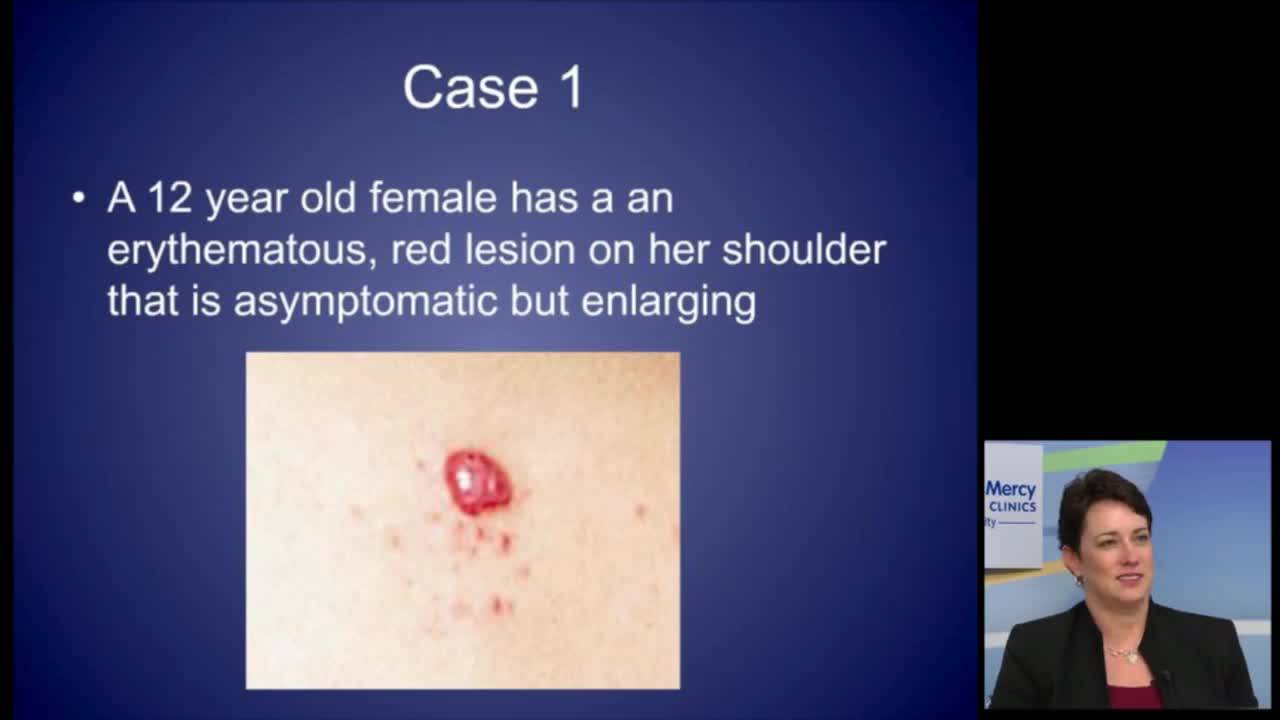
Wilms Tumor Protocol Violations: Practice Gap discussion at Update Course 2018
Watch →
At the 6th Annual Pediatric Surgery Update Course, Drs Charles Snyder, Craig Lillehei and David Powell discussthe top ten practice gaps of 2018. Here they discuss Wilms Tumor Protocol violations, focusing on ipsilateral lymph node sampling,
video9:55 · Sep 2018
Neuroblastoma: Update Course 2016
Watch →
At the 4th Annual Stay Current in Pediatric Surgery Update Course in 2016,Dr. Daniel Von Allmen, director of the division of general and thoracic surgery, Cincinnati Children's Hospital, begins the second half of this symposium with a discu
video25:42 · Sep 2018
Lumps & Bumps: Soft Tissue Masses and Lesions
Watch →
This segment involves discussion of lumps and bumps. Dr. Danielle Walsh leads in discussion of lumps and bumps. She presents multiple case studies. Panel discussion topics include excisions, pyogenic granuloma, silver nitrate, melanoma, spi
video1:07:50 · Nov 2018
Neuroblastoma: Update Course 2014
Watch →
Dr. Daniel Von Allmen, director of the division of general and thoracic surgery, cincinnati children's hospital, begins the second half of this symposium with a discussion of neuroblastoma. Case presentations are shared as well as panel dis
video25:59 · Nov 2018
Hepatoblastoma: Update Course 2014
Watch →
Dr. Matthew Clifton gives a presentation on hepatoblastoma including discussion of pre-treatment extent of disease (pretext) and post-treatment extent of disease staging for hepatoblastoma, management and surgical resection based on stages,
video24:43 · Nov 2018
Bilateral Wilm's Tumor - Complex Gastroschisis - Complex Ileal Atresia:...
Watch →
Dr. Anthony Sandler discusses bilateral Wilm's tumors, complex gastroschisis, and complex ileal atresia.
video29:44 · Nov 2018
Ovarian Teratoma - Ovarian Torsion - Soft Tissue Sarcoma: Update Course 2015
Watch →
Dr. Andrea Hayes Jordan discusses ovarian teratomas, ovarian torsion, soft tissue sarcomas. Her presentation covers ovarian masses, ovarian germ cell tumors and treatment, bilateral ovarian disease, ovarian preservation technique, IRS clini
video34:37 · Nov 2018
Hepatoblastoma: Update Course 2014
Watch →
During the 2nd Annual Stay Current in Pediatric Surgery Update Course in 2014,Dr. Matthew Clifton presents on hepatoblastoma.Topics discussed includepre-treatment extent of disease (pretext) and post-treatment extent of disease staging for
video · Jan 2019
Soft Tissue Sarcoma Rapid Fire: Update Course 2015
Watch →
Dr. Andrea Hayes Jordan discusses soft tissue sarcomas. Her presentation covers ovarian masses, ovarian germ cell tumors and treatment, bilateral ovarian disease, ovarian preservation technique, IRS clinical grouping of soft tissue sarcomas
video8:27 · Jan 2019
Compiled Hayes Jordan Rapid Fire Sessions: Update Course 2015
Watch →
Dr. Andrea Hayes Jordan from Children's Cancer discusses ovarian teratomas, ovarian torsion, soft tissue sarcomas. Her presentation covers ovarian masses, ovarian germ cell tumors and treatment, bilateral ovarian disease, ovarian preservati
video33:36 · Jan 2019
Compiled Sandler Rapid Fire Sessions: Update Course 2015
Watch →
Dr. Anthony Sandler from Children's National Medical Center leads the discussion in a rapid fire format for multiple cases, including management of Wilms tumor, gastroschisis, and complex ileal atresia.
video29:44 · Jan 2019
Wilms Tumor Rapid Fire: Update Course 2015
Watch →
Dr. Anthony Sandler from Children's National Medical Center discusses management of Wilms tumor, including bilateral disease and when to pursue chemotherapy vs. operative intervention.
video8:46 · Jan 2019
Ovarian Teratoma Rapid Fire: Update Course 2015
Watch →
Dr. Andrea Hayes Jordan discusses ovarian teratomas, including staging, operative management, and chemotherapy.
video · Jan 2019
Intussusception in children: lessons learned from intestinal lymphoma as a rare lead-point
Read →
Abstract Background Most cases of intussusception in children are idiopathic. Rarely, a malignant disease such as intestinal lymphoma may cause intussusception. Due to dramatic changes of expected outcome with chemotherapy regime alone, th
article · Jul 2019
Sacrococcygeal teratoma with intraspinal extension: A case series and review of literature
Read →
AbstractBackgroundSacrococcygeal teratoma (SCT) is the most common teratoma in neonates and arises from the coccyx. SCT with intraspinal invasion is extremely rare and only reported in a few cases.Methods37 patients with SCT were identified
article · Feb 2020
Neuroblastoma
Watch →
Dr. Daniel von Allmen, surgeon-in-chief at Cincinnati Children’s, joins Dr. Rae Hanke to review the essentials of neuroblastoma in this videocast.
video · May 2020
BOB in Ped Surg 2023 - IPSO Winner - Steven Scoville, MD
Watch →
Watch the IPSO winner, Steven Scoville MD, present his presentation on "Comparison of outcomes between surveillance ultrasound and completion lymph node dissection in children and adolescents with sentinel lymph node positive cutaneous mela
video · Feb 2023
Journal of Pediatric Article Review: June 2023, AAP Issue
Listen →
We’re featuring Journal of Pediatric surgery articles to bring you some of the latest news!
This week we are discussing June 2023 articles from the AAP issue, with editor Dr. Colin A. Martin and authors Drs. Brad Warner and Andrew Flemin
podcast13:57 · Sep 2023
Heat 2 Winner: Matthew Urichuk, PhD - Best of the Best in Pediatric Surgery 2024
Watch →
Watch the voting from the first heat!
Presentations from heat two:
Bailey Roberts, MD: Extracellular vesicles from metastatic osteosarcoma contribute to creation of a pre-metastatic nich.
Dominique Simons, MSc: Multimodal 3-D vi
video1:52 · Feb 2024
Update Course Rewind: Chest Wall Reconstruction 2024
Watch →
In this session from the 12th Annual Update Course in Pediatric Surgery, Dr. Margaret Mutch from Australia walks through the complexities of chest wall reconstruction following thoracic osteosarcoma resection in a pediatric patient.Key High
video5:32 · Aug 2025
Update Course Rewind: Updates in Wilms Management 2024
Watch →
In this session from the 12th Annual Update Course in Pediatric Surgery, Dr. Bhargava Mullapudi (Children’s Mercy Kansas City) presents updated strategies in Wilms tumor management, exploring how tumor biology and global guidelines are shap
video4:07 · Sep 2025
Clinical & Research Update: Pediatric Liver Tumors - A Case-Based Discussion with Drs. Katherine Somers & Alex Bondoc
Watch →
This live event offered a focused, case-based conversation exploring current approaches to pediatric liver tumors across four critical domains:• Liver transplantation — indications, timing, and outcomes• Relapse management — surveillance an
video1:09:23 · Apr 2026
Clinical & Research Update: Sarcoma w/ Drs. Roshni Dasgupta, Joseph Pressey, Arthur Meyer, Luke Pater
Watch →
This video presents a detailed clinical and research update on pediatric sarcomas from Cincinnati Children's, featuring a multidisciplinary team: with Drs. Roshni Dasgupta, Joseph Pressey, Arthur Meyers, & Luke Pater. It covers two complex
video1:06:24 · Sep 2026
Clinical & Research Update: Neuroblastoma with Drs. Katherine Somers, Cara Morin, Juan Gurria, and Meera Kotagal
Watch →
This comprehensive tumor board discussion features pediatric specialists from Cincinnati Children's, Drs. Katherine Somers, Cara Morin, Juan Gurria, and Meera Kotagal, analyzing a complex case of high-risk neuroblastoma in a 2-year-old. The
video1:07:10 · Sep 2026
Clinical & Research Update: Renal Tumors with Drs. Ethan Smith, Lindsay Haacker, Michael Daugherty, and Meera Kotagal
Watch →
This video features a multidisciplinary panel from Cincinnati Children's, Drs. Ethan Smith, Lindsay Haacker, Michael Daugherty, & Meera Kotagal, discussing pediatric renal tumors, primarily Wilms tumor. Led by a pediatric oncology fellow, t
video1:11:52 · Sep 2026
In-Depth Reviews
58 items


Ovarian masses in the child and adolescent: An American Pediatric Surgical Association Outcomes and Evidence-Based Practice Committee systematic review
Read →
AbstractBackgroundThe treatment of ovarian masses in pediatric patients should balance appropriate surgical management with the preservation of future reproductive capability. Preoperative estimation of malignant potential is essential to p
article · Sep 2018
Pediatric Ovarian Tumors Video Podcast
Listen →
An interactive discussion between Dr. Ponsky and Dr. Rescorla about the management of ovarian tumors in pediatric patients. Dr. Frederick Rescorla is surgeon-in-chief at Riley Children's Hospital, Anna Olivia Healey Professor of Pediatric S
podcast34:06 · Sep 2018
Summary article: Update on Wilms tumor
Read →
AbstractThis article reviews of the current evidence-based treatment standards for children with Wilms tumor. In this article, a summary of recently completed clinical trials by the Children's Oncology Group is provided, the current diagnos
article · Oct 2018
Clinical features, treatment, and outcomes of bilateral Wilms' tumor: A systematic review and meta-analysis
Read →
AbstractBackgroundWilms' tumor(WT) is the most common malignant renal tumor of childhood. Despite the good prognosis of WT, bilateral Wilms' tumor (BWT) still has a poor outcome. We systematically reviewed the literature on BWT, aiming to d
article · Oct 2018
Update on neuroblastoma
Read →
AbstractNeuroblastoma is an embryonic cancer arising from neural crest stem cells. This cancer is the most common malignancy in infants and the most common extracranial solid tumor in children. The clinical course may be highly variable wit
article · Oct 2018
Wilms Tumor: Audio Chapter
Listen →
An interactive discussion about Wilms tumor between Todd Ponsky, MD, Avraham Schlager, and Peter Ehrlich, MD.Dr. Peter Ehrlich is a professor of pediatrics surgery at the University of Michigan C.S. Mott Children’s Hospital who is also a vi
podcast1:04:03 · Jan 2019
Pediatric Thyroid Disorders: Update Course 2016
Watch →
Dr. David Rothstein presents on pediatric thyroid disorders. Dr. Rothstein's presentation provides information on differentiated thyroid cancer, thyroid nodules, malignancy predictors, hypoparathyroidism, relation to central node dissection
video31:12 · Jan 2019
Pediatric Thyroid Disorders with Dr. Diana Diesen
Listen →
An interactive discussion about malignant and benign pediatric thyroid disorders between Todd Ponsky, MD and Diana Diesen, MD. Dr. Diesen is assistant professor of surgery and pediatric surgery fellowship program director at the University
podcast45:51 · Jan 2019
What’s New in Pediatric Melanoma: An Update from the APSA Cancer Committee
Read →
AbstractBackground/PurposeMelanoma is the most common skin cancer in children and often presents in an atypical fashion when compared to adults. The purpose of this review is to present an update on the epidemiology, surgical and medical ma
article · Nov 2019
Surgery for the complex Wilms tumour
Read →
Abstract The prognosis of children with Wilms tumour has greatly improved since the introduction of adjuvant radiotherapy and chemotherapy more than 70 years ago with a current overall long-term survival approaching 90%. Before this, surger
article · Nov 2019
Aggressive Pediatric Renal Tumors
Read →
Publication date: Available online 16 November 2019Source: Seminars in Pediatric SurgeryAuthor(s): Meera Kotagal, James I. Geller
article · Nov 2019
Germ Cell Tumors: APSA Handbook
Read →
Handbook on the management of children and adolescents with germ cell tumors from the Cancer Committee of the American Pediatric Surgical Association. Updated Winter 2018.
article · Nov 2019
Recent Progress in Pediatric Soft Tissue Sarcoma Therapy
Read →
Publication date: Available online 20 November 2019Source: Seminars in Pediatric SurgeryAuthor(s): Timothy B. Lautz, Andrea Hayes-JordanAbstractSoft tissue sarcomas of childhood are a heterogenous group of tumors with a wide spectrum of pre
article · Nov 2019
Neuroblastoma: APSA Handbook
Read →
Handbook on the current surgical management of neuroblastoma from the Cancer Committee of the American Pediatric Surgical Association. Updated Spring 2018.
article · Dec 2019
Rhabdomyosarcoma: APSA Handbook
Read →
Handbook on the current management of rhabdomyosarcoma from the Cancer Committee of the American Pediatric Surgical Association. Updated Winter 2018.
article · Jan 2020
Liver Tumors: APSA Handbook
Read →
Handbook on the current surgical management of Liver Tumors from the Cancer Committee of the American Pediatric Surgical Association. Updated in Spring of 2018.
article · Feb 2020
Renal Tumors: APSA Handbook
Read →
Handbook on the current surgical management of renal tumors from the Cancer Committee of the American Pediatric Surgical Association. Updated Winter 2018.
article · Feb 2020
Germ Cell Tumors
Watch →
At the 7th Annual Pediatric Surgery Update Course, Drs Deborah Billmire and Frederick Rescorla discuss the latest in pediatric germ cell tumors.
video · Mar 2020
Wilms Tumor
Watch →
Dr. Andrew Davidoff, chairman of surgery at St. Jude Children's, joins Dr. Rae Hanke to review the essentials of Wilms tumor in this videocast.
video · May 2020
Medullary Thyroid Carcinoma in Children
Read →
Publication date: Available online 16 May 2020Source: Seminars in Pediatric SurgeryAuthor(s): Claire E. Graves, Jessica E. Gosnell
article · May 2020
Papillary and Follicular Thyroid Cancer in Children and Adolescents: Current approach and Future Directions
Read →
Publication date: Available online 16 May 2020Source: Seminars in Pediatric SurgeryAuthor(s): Andrew J. Bauer
article · May 2020
Pheochromocytoma and Paraganglioma
Read →
Publication date: Available online 28 May 2020Source: Seminars in Pediatric SurgeryAuthor(s): James K. Moon, Peter Mattei
article · May 2020
Gastroenteropancreatic Neuroendocrine Tumors
Read →
Publication date: Available online 28 May 2020Source: Seminars in Pediatric SurgeryAuthor(s): Meera Kotagal, Daniel von Allmen
article · May 2020
Pediatric differentiated thyroid carcinoma: An update from the APSA Cancer Committee
Read →
AbstractBackgroundDifferentiated thyroid carcinomas (DTCs) are rare in young children but represent almost 10% of all malignancies diagnosed in older adolescents.MethodsThis article reviews the recent literature describing surgical therapeu
article · Jun 2020
Update on pediatric rhabdomyosarcoma: A report from the APSA Cancer Committee
Read →
AbstractBackground/PurposeRhabdomyosarcoma is the most common soft tissue sarcoma in children and young adults and requires multimodality treatment. The purpose of this review is to present an update on risk stratification as well as surgic
article · Jul 2020
7th Annual Pediatric Surgery Update Course 2019 - FULL SHOW
Watch →
8:10am - APSA PDC TOP 10 - Review of 2018 Top Ten, Antibiotic stewardship, New concept in small bowel obstruction, Adherence to the Surviving Sepsis campaign guidelines and New APSA Trauma committee solid organ injury protocol10am - APSA PD
video4:45:42 · Jul 2020
What's New in Pediatric Surgery 2020 - FULL SHOW
Watch →
Cincinnati Children’s Hospital, in partnership with the Journal of Pediatric Surgery, hosted a live interactive session where we discussed some of the top practice-changing publications of 2020
video57:41 · Oct 2020
Pancreatic Masses
Listen →
Drs Jaimie Nathan, Rae Hanke, Alex Gibbons, and Todd Ponsky discuss diagnosis and management of pancreatic masses Intro and outro tracks are adapted from "I dunno" by grapes, featuring J Lang, Morusque. Artist URL: ccmixter.org/files/grapes
podcast37:28 · Dec 2020
Topics in 10: Neuroblastoma
Listen →
Drs Daniel von Allmen, Todd Ponsky and Rae Hanke come together to provide you the essentials on the diagnosis and management of Neuroblastoma. Intro and outro tracks are adapted from "I dunno" by grapes, featuring J Lang, Morusque. Artist U
podcast10:25 · Dec 2020
Neuroblastoma
Listen →
Drs Erika Newman, Dan von Allmen and Tony Sandler join Dr. Todd Ponsky in a discussion covering the latest in neuroblastoma. Contributing editor: Rachel (Rae) Hanke, MD
Case 1: Mother who presents with 26 week fetus
with a pr
podcast56:19 · Dec 2020
Topics in 10: Wilms Tumor
Listen →
Drs Andrew Davidoff, Todd Ponsky and Rae Hanke come together to provide you the essentials on the diagnosis and management of Wilms Tumor.Intro and outro tracks are adapted from "I dunno" by grapes, featuring J Lang, Morusque. Artist URL: c
podcast12:29 · Dec 2020
Ovarian Tumors Video Podcast
Listen →
An interactive discussion between Dr. Ponsky and Dr. Rescorla about the management of ovarian tumors in pediatric patients. Dr. Frederick Rescorla is surgeon-in-chief at Riley Children's Hospital, Anna Olivia Healey Professor of Pediatric S
podcast34:06 · Dec 2020
Hepatoblastoma
Listen →
This is an interactive discussion between Todd Ponsky, MD and Max Langham, MD on the management of hepatoblastomas. Dr. Max Langham is a Professor of Surgery and Pediatrics and the Vice Chairman of the Department of Surgery at the Universi
podcast54:16 · Dec 2020
Thyroid Disorders
Listen →
An interactive discussion about malignant and benign pediatric thyroid disorders between Todd Ponsky, MD and Diana Diesen, MD. Dr. Diesen is assistant professor of surgery and pediatric surgery fellowship program director at the University
podcast45:51 · Dec 2020
Wilms Tumor: Audio Chapter
Listen →
An interactive discussion about Wilms tumor between Todd Ponsky, MD, Avraham Schlager, and Peter Ehrlich, MD.Dr. Peter Ehrlich is a professor of pediatrics surgery at the University of Michigan C.S. Mott Children’s Hospital who is also a vi
podcast1:04:03 · Jan 2021
Update on Pediatric Testicular Germ Cell Tumors
Read →
AbstractBackgroundTesticular germ cell tumors are uncommon tumors that are encountered by pediatric surgeons and urologists and require a knowledge of appropriate contemporary evaluation and surgical and medical management.MethodsA review o
article · Apr 2021
Testicular Tumors in the Pediatric Patient
Read →
Publication date: Available online 14 July 2021Source: Seminars in Pediatric SurgeryAuthor(s): Hannah Jarvis, Nicholas G. Cost, Amanda F. Saltzman
article · Jul 2021
Hepatoblastoma with Dr. Greg Tiao
Listen →
Hepatoblastoma is the most common malignant liver tumor in the pediatric population but treatment strategies have changed dramatically over the past couple of decades so today we will review the basics of hepatoblastoma with Dr. Greg Tiao,
podcast10:12 · Feb 2022
Hepatoblastoma with Dr. Greg Tiao
Watch →
Hepatoblastoma is the most common malignant liver tumor in the pediatric population. But treatment strategies have changed dramatically over the past 25 years. That’s why today, were going to review the basics-with an expert.
00:27:38-0027:
video · Mar 2022
Update on pediatric testicular germ cell tumors
Read →
Background: Testicular germ cell tumors are uncommon tumors that are encountered by pediatric surgeons and urologists and require a knowledge of appropriate contemporary evaluation and surgical and medical management.Method: A review of the
article · Jun 2022
Update Course 2022 - APSA PDC UPDATES - Mary Edwards, Paul Jeziorczak, Craig Lillehei, and Charles Snyder,
Watch →
In this session, members of the APSA Professional Development Committee (PDC) discussed the latest top articles and practice updates. We were joined by Drs. Mary Edwards, Paul Jeziorczak, Craig Lillehei, and Charles Snyder.
Topics discus
video1:04:30 · Sep 2022
Ovarian Tumors with Dr. Roshni Dasgupta
Watch →
There is a lot to know when it comes to ovarian tumors! Here, Dr. Roshni Dasgupta, from Cincinnati Children's, breaks down the highlights for us.
Host: Brittany Levy
video · Sep 2022
8th Annual Pediatric Surgery Update Course
Watch →
Join us August 7th 2020 and learn from the best as they learn new techniques and insights from each other. Ask our experts your important questions in real time!! Our renowned faculty will include Todd Ponsky, MD, Mac Harmon, MD, George Hol
video3:35:58 · Oct 2022
8th Annual Pediatric Surgery Update Course
Watch →
Join us August 7th 2020 and learn from the best as they learn new techniques and insights from each other. Ask our experts your important questions in real time!! Our renowned faculty will include Todd Ponsky, MD, Mac Harmon, MD, George Hol
video3:35:58 · Oct 2022
Role of surgery in neuroblastoma
Read →
Abstract Neuroblastoma is the most common malignant solid tumor handled by pediatric surgeons. It is well-known that neuroblastoma shows variable biological and clinical behaviors. In this review article, surgical strategy in neuroblastoma
article · Apr 2023
Pancreatic Tumors. Presented by David Skarda, MD 04.10.23 Video
Watch →
Dr. Skarda reviews classification and management of pediatric pancreatic tumors, focusing on benign cystic lesions including serous and mucinous cystadenomas and mature cystic teratomas. Discussion covers imaging characteristics, malignant
video50:30 · Apr 2023
Liver transplant with Dr. Jonathan Merola
Listen →
In this episode we are talking about Liver transplant with Dr. Jonathan Merola, a transplant surgeon at Cincinnati Children's Hospital.
(This content was created from the Grand Rounds sessions of CCHMC)
Host: Cecilia Gigena
podcast14:37 · Jul 2024
Neuroblastoma with Dr. Meera Kotagal
Watch →
In this podcast, we cover the basics of neuroblastoma including presentation, differentiation, diagnosis and management with Dr. Meera Kotagal.
Host: Em Gootee
video14:02 · Sep 2024
Open Fetal Surgery & EXIT Procedure with Dr. Jose Peiro
Watch →
Join us for an insightful discussion with Dr. Jose Peiro, pediatric surgeon and director of endoscopic fetal surgery at Cincinnati Children’s Fetal Care Center, which is the highest-volume fetoscopic center in the nation. Dr. Peiro walks us
video10:23 · Oct 2024
2025 Pediatric Surgery Update Course - Updates in Enhanced Recovery After Surgery (ERAS) Protocols
Watch →
On August 26th, the largest Pediatric Surgery course in the world each year was held, where top hospital experts from around the US will discuss this year’s changes in practices and innovation. Learn more about the future of pediatric surge
video32:14 · Aug 2025
2025 Pediatric Surgery Update Course - Robotics in Pediatric Surgery: Which indications benefit the most?
Watch →
On August 26th, the largest Pediatric Surgery course in the world each year was held, where top hospital experts from around the US will discuss this year’s changes in practices and innovation. Learn more about the future of pediatric surge
video18:17 · Aug 2025
2025 Pediatric Surgery Update Course - Updates in Oncology
Watch →
On August 26th, the largest Pediatric Surgery course in the world each year was held, where top hospital experts from around the US will discuss this year’s changes in practices and innovation. Learn more about the future of pediatric surge
video21:25 · Aug 2025
An overview of malignant ovarian tumors in children
Read →
Publication date: October 2025Source: Seminars in Pediatric Surgery, Volume 37Author(s): Alexa G. Turpin, Peter C. Minneci, Charles N. Paidas
article · Oct 2025
PDQ Germ Cell TUmor
Read →
article · Mar 2026
NCCN Guidelines - Neuroblastoma
Read →
article · Mar 2026
NCCN Guidelines - Pediatric Soft Tissue Sarcoma
Read →
article · Mar 2026
PDQ Hepatoblastoma (Childhood Liver Cancer)
Read →
article · Mar 2026
NCCN Guidelines - Wilms Tumor
Read →
article · Mar 2026
Emerging & Future Directions
21 items


A curative treatment strategy using tumor debulking surgery combined with immune checkpoint inhibitors for advanced pediatric solid tumors: An in vivo study using a murine model of osteosarcoma
Read →
AbstractBackground/purposeThis study aimed to assess the significance of tumor debulking surgery by using immune checkpoint inhibitors for advanced pediatric solid tumors in a murine model of advanced osteosarcoma.MethodsIn C3H mice, 5 × 10
article · Oct 2018
Combined application of Indocyanine green (ICG) and laser lead to targeted tumor cell destruction
Read →
AbstractPurposePrecise excision of neuroblastoma is challenging, especially when tumors adhere to vital structures. Indocyanine green (ICG), an FDA-approved dye with absorption peaking at 800 nm, can absorb the near IR laser energy and rele
article · Oct 2018
Ovarian Tissue Transplantation: Pediatric Oncofertility 2017
Watch →
During the Pediatric Oncofertility: A Comprehensive Review Course in 2017, course faculty discuss the strategies in preserving fertility in pediatric oncology patients and other at-risk children. In this session, Dr. Lesley Breech discusses
video27:46 · Jan 2019
Development of a new reproductive tissue cryopreservation clinical service for children: the Oxford programme
Read →
Abstract Purpose This article describes the development of a new reproductive tissue cryopreservation clinical service for children at high risk of infertility in the NHS during times of severe financial constraints in the health service.
article · Jul 2019
Novel Mesenchymal Stem Cell Delivery System as Targeted Therapy Against Neuroblastoma Using the TH-MYCN Mouse Model
Read →
AbstractPurposeMesenchymal stem cells (MSCs) are reported to migrate toward damaged tissues or tumors. We previously reported the in vivo short-term (1 day) tumor-homing effect of xenogeneic human MSCs (hMSCs) using the TH-MYCN mouse neurob
article · Oct 2019
Precision Oncology: A Primer for Pediatric Surgeons from the APSA Cancer Committee
Read →
AbstractAlthough most children with cancer can be cured of their disease, a subset of patients with adverse tumor types or biological features, and those with relapsed or refractory disease have significantly worse prognosis. Furthermore, c
article · Nov 2019
Metabolomics as a potential method for predicting thyroid malignancy in children and adolescents
Read →
Abstract Purpose To identify potential metabolic biomarkers for distinguishing malignant and benign thyroid nodules in children and adolescents using a metabolomics approach. Methods A total of 96 consecutive patients (median age 14.29 ±
article · Jan 2020
Oncofertility Ovarian Salvage
Watch →
At the 7th Annual Pediatric Surgery Update Course, Dr. Julie Rios discusses ovarian salvage.
video · Mar 2020
Evolving applications of fluorescence guided surgery in pediatric surgical oncology: a practical guide for surgeons
Read →
AbstractFluorescence-guided surgery (FGS) is an increasingly available and popular method of visual field augmentation. The basic premise of FGS entails injection of fluorescent indocyanine green (ICG) and subsequent detection with a near-i
article · Oct 2020
Commentary regarding evolving applications of fluorescence guided surgery in pediatric surgical oncology: a practical guide for surgeons
Read →
AbstractThis is an invited commentary on the manuscript by Goldstein S, Heaton T, Bondoc A, et al., titled Evolving Applications of Fluorescence Guided Surgery in Pediatric Surgical Oncology: A Practical Guide for Surgeons.
article · Oct 2020
Photodynamic therapy with 5-aminolevulinic acid: A new diagnostic, therapeutic, and surgical aid for neuroblastoma
Read →
AbstractBackground5-Aminolevulinic acid (ALA)-based photodynamic therapy (PDT) is widely used in cancer therapy because of the tumor-specific accumulation of photosensitizing protoporphyrin IX (PpIX). We aimed to assess the susceptibility o
article · Mar 2022
Development of minimally invasive cancer immunotherapy using anti-disialoganglioside GD2 antibody-producing mesenchymal stem cells for a neuroblastoma mouse model
Read →
Abstract Purpose Mouse IgG anti-disialoganglioside GD2 antibody-secreting mouse mesenchymal stem cells (anti-GD2-MSCs) were developed, and their anti-tumor effects were validated in an in vivo neuroblastoma mouse model. Methods Anti-GD2
article · Dec 2022
BOB Ped Surg 2023 - Bernadette Jeremiasse, IPSO - Presentation
Watch →
Watch Bernadette Jeremiasse, MD, present her presentation on "Multiplex Organoid-Based 3D Live Imaging Platform to Screen Probes for Fluorescence Guided Surgery."
video5:35 · Feb 2023
Technical advances in the surgical management of Wilms tumors in children
Read →
Surgery is one of the cornerstones of Wilms tumor treatment. In this article, we present technical advancements that are finding their way into the armamentarium of pediatric cancer surgeons. We discuss the current approaches, challenges, o
article · Apr 2023
Update Course 2023 - Updates in the use of ICG
Watch →
This session is on updates in the use of ICG with Dr. Seth Goldstein.
The 11th Annual Pediatric Surgery Update Course was held on August 29, 2023 in Cleveland, Ohio and was livestreamed to a global audience. The full day symposium is
video19:57 · Oct 2023
Update Course Rewind: Updates in Indocyanine Green (ICG) 2023
Watch →
Our 11th Annual Update Course in Pediatric Surgery was hel past August. In this video series, we'll recap the sessions and share the main highlights with you!
Today we will talk about "Update in ICG". Joining the discussion is Dr. Seth G
video · Feb 2024
Dominique Simons, MSc - Best of the Best in Pediatric Surgery 2024
Watch →
Watch IPSO's Dominique Simons, MSc presentation on “Multimodal 3-D visualization of pediatric neuroblastoma: Aiding surgical planning beyond anatomical information” at the 2024 Best of the Best in Pediatric Surgery event!
Moderators: Tod
video7:55 · Feb 2024
CAR T-cell therapy in pediatric oncology: From leukemia to emerging promise in Wilms tumor and solid malignancies
Read →
CAR T cell therapy represents an advanced immunotherapeutic modality in pediatric oncology, involving genetic modification of a patient's own T cells to recognize and destroy cancer cells, offering highly targeted and personalized treatment
article · Aug 2025
Combined MEK and YAP inhibition in a mouse model of neuroblastoma: A promising approach for minimal residual disease
Read →
The cure rate of high-risk neuroblastoma remains unsatisfactory, necessitating the development of novel therapies. We previously reported the in vitro and in vivo efficacy of trametinib (TR), a MEK inhibitor, in neuroblastoma. The administr
article · Oct 2025
Clinical characteristics and target exploration via scRNA-seq and high-throughput drug screening of FOXO1 fusion positive rhabdomyosarcoma
Read →
Purpose Method Results Conclusion
article · Nov 2025
Development of a machine learning-based prognostic prediction model and a web-based tool for pediatric hepatoblastoma: a Surveillance, Epidemiology, and End Results (SEER) database study
Read →
Background Methods Results Conclusion
article · May 2026
Patient & Family Education
5 items


Hepatoblastoma: When It Shows Up in Surprising Ways
Read →
Pediatric surgical oncology. A social-media carousel made possible by Cincinnati Children's.
article · Oct 2026
Hepatoblastoma Reaching the Vena Cava: How Do You Get It Out?
Read →
Pediatric surgical oncology. A social-media carousel made possible by Cincinnati Children's.
article · Oct 2026
Hepatoblastoma: A Young Child With a Hard Abdominal Mass
Read →
Pediatric surgical oncology. A social-media carousel made possible by Cincinnati Children's.
article · Oct 2026
Wilms Tumor: A Chest Mass Displacing the Heart
Read →
Pediatric surgical oncology. A social-media carousel made possible by Cincinnati Children's.
article · Oct 2026
SCCOHT and HIPEC: Before or After Chemotherapy?
Read →
Pediatric surgical oncology. A social-media carousel made possible by Cincinnati Children's.
article · Oct 2026
Long-Term Care
45 items



Existing and Emerging Options for Pediatric Oncofertility Patients: Pediatric...
Watch →
During the Pediatric Oncofertility: A Comprehensive Review Course in 2017, course faculty discuss the strategies in preserving fertility in pediatric oncology patients and other at-risk children. In this session, Dr. Teresa Woodruff discuss
video49:53 · Sep 2018
Functional outcome and health-related quality of life in patients with sacrococcygeal teratoma – a Swedish multicenter study
Read →
AbstractBackground/PurposeThe aims of this study were to evaluate bowel and urinary tract function, to identify predictors for dysfunctional outcome and to evaluate health-related quality-of life (QoL) in patients treated for sacrococcygeal
article · Nov 2018
Options for Female Fertility Preservation: Pediatric Oncofertility 2017
Watch →
During the Pediatric Oncofertility: A Comprehensive Review Course in 2017, course faculty discuss the strategies in preserving fertility in pediatric oncology patients and other at-risk children. In this session, Dr. Holly Hoefgen discusses
video30:48 · Jan 2019
Keys to Building a Successful Interdisciplinary Program
Watch →
video9:36 · Jan 2019
Options for Male Fertility Preservation: Pediatric Oncofertility 2017
Watch →
During the Pediatric Oncofertility: A Comprehensive Review Course in 2017, course faculty discuss the strategies in preserving fertility in pediatric oncology patients and other at-risk children. In this session, Dr. Andrew Strine discusses
video15:47 · Jan 2019
Keys to Building a Successful Interdisciplinary Program-Funding the...
Watch →
During the Pediatric Oncofertility: A Comprehensive Review Course in 2017, course faculty discuss the strategies in preserving fertility in pediatric oncology patients and other at-risk children. In this session, Olivia Jaworek Frias, MSN,
video19:00 · Jan 2019
Need for urodynamic evaluation as a regular follow-up tool in assessment of long-term urological outcomes in patients with sacrococcygeal teratoma
Read →
AbstractAimTo assess the long-term urologic outcomes in follow-up of patients of sacrococcygeal teratoma (SCT) using urodynamic study (UDS) in addition to clinical and radiologic evaluation.MethodsA prospective study of clinical, radiologic
article · Jan 2019
Testicular wedge biopsy for fertility preservation in children at significant risk for azoospermia after gonadotoxic therapy
Read →
AbstractBackground/purposeTesticular tissue cryopreservation (TTC) provides an experimental option for fertility preservation for male children at significant risk for azoospermia owing to high-risk gonadotoxic treatments.MethodsA single in
article · Mar 2019
A Fertility Preservation Toolkit for Pediatric Surgeons Caring for Children with Cancer
Read →
Publication date: Available online 16 November 2019Source: Seminars in Pediatric SurgeryAuthor(s): Timothy B. Lautz, Courtney J. Harris, Monica M. Laronda, Laura Erickson, Erin E. RowellAbstractSurvival for children with cancer has improved
article · Nov 2019
Ovarian Tumors in Children: Continued Monitoring is Necessary
Watch →
Dr. Ponsky discusses the need for further monitoring of children with ovarian tumors, with a quick summary of the Journal of Pediatric Surgery article, “Ovarian tumors in children: how common are lesion recurrence and metachronous disease?
video · Jan 2020
Surgical treatment of children and youth with congenital melanocytic nevi: self- and proxy-reported opinions
Read →
Abstract Purpose The role of surgery in the management of congenital melanocytic nevi (CMN) is controversial. Data on surgical outcomes and predictors of satisfaction remain scarce. Methods An online survey was employed following worldwi
article · Mar 2020
Late Effects of Treatment for Childhood Cancer PDQ®
Read →
National Institute of Health and National Cancer Institute Late Effects of Treatment for Childhood Cancer (PDQ®)–Health Professional Version
article · Mar 2020
Long-term functional outcome of sacrococcygeal teratoma after resection in neonates and infants: a single-center experience
Read →
Abstract Purpose This study aimed to evaluate the incidence and factors associated with long-term functional outcomes of sacrococcygeal teratoma (SCT) after resection in neonates and infants. Methods Twenty-nine patients with a minimum o
article · Sep 2020
Radiation-Associated Thyroid Cancer Surveillance and Management in a Cohort of Late Effects Patients
Read →
Background and aims: Compared to the general population, the incidence of thyroid cancer in childhood and adolescent and young adult malignancy survivors is increased 14.0-18.0 times (CI 11.7-23.8). The cumulative incidence is variably repo
article · Nov 2020
Correlation of Continence with Long-term Patient Centered Outcomes in Children with Sacrococcygeal Teratoma
Read →
AbstractPurpose: The purpose of this study is to evaluate the relationship of social continence with patient centered outcomes, such as quality of life, in children with sarococcygeal teratoma (SCT). We hypothesize there is a correlation be
article · Jan 2022
Long-term surgical outcomes in pediatric ovarian neoplasms: 20-year single-center experience
Read →
Abstract Purpose The management of pediatric ovarian neoplasms (ON) is based on finding a balance between adequate surgical treatment and future reproductive capacity. We aimed to evaluate long-term results of patients who underwent surger
article · Nov 2022
Clinical Assessment of Late Health Outcomes in Survivors of Wilms Tumor
Read →
Objectives: We aimed to clinically characterize the health, neurocognitive, and physical function outcomes of curative treatment of Wilms tumor.Methods: Survivors of Wilms tumor (n = 280) participating in the St. Jude Lifetime Cohort, a ret
article · Jan 2023
Meta-Analysis on Long-Term Outcomes of Pediatric Renal Cancer Survivors Following COG and SIOP Protocols
Read →
Background: Pediatric renal cancer survivors have higher rate of chronic renal disease and hypertension. These patients have similar survival rates when treated according to either Children's Oncology Group (COG) or International Society of
article · Feb 2023
Evaluación clínica de los resultados de salud tardíos en sobrevivientes de tumor de Wilms
Read →
Nueva infografía por el Dr. Jose Campos
"Evaluación clínica de los resultados de salud tardíos en sobrevivientes de tumor de Wilms"
Autores: Kayla L Foster 1, Sedigheh Mirzaei Salehabadi 2, Daniel M Green 3 4, Mengqi Xing 2, Kirsten K
article · May 2023
Clinical Assessment of Late Health Outcomes in Survivors of Wilms Tumor
Read →
New infographic by Dr. Jose Campos
"Clinical Assessment of Late Health Outcomes in Survivors of Wilms Tumor"
Authors: Kayla L Foster, Sedigheh Mirzaei Salehabadi, Daniel M Green, Mengqi Xing, Kirsten K Ness, Kevin R Krull, Tara M Brin
article · May 2023
Update Course Rewind: Fertility Preservation 2023
Watch →
Our 11th Annual Update Course in Pediatric Surgery was held past August. In this video series, we'll recap the sessions and share the main highlights with you. Today, we'll talk about fertility preservation with sample cases. Joining the di
video · Jan 2024
Female Fertility Cryopreservation Outcomes in Childhood Cancer: A Systematic Review
Read →
As survival rates in childhood cancer progress significantly, health outcomes in adulthood are pivotal to quality of life (QoL). Female patients undergoing chemotherapy and radiation for childhood cancer may experience adverse effects such
article · Mar 2024
Satisfaction of Paediatric Oncology Patients, Survivors, and Nurses with the Position of Their Totally Implantable Venous Access Port (SPACE-Study)
Read →
To compare paediatric oncologic vascular access ports located on the anterior thoracic wall to ports on the lower lateral thoracic wall, in terms of perceived port-related hindrance and scar-quality.
article · Mar 2024
Long-Term Outcomes of Infantile Sacrococcygeal Teratoma: Results from a Multi-Institutional Retrospective Observational Study in Japan
Read →
Tumor recurrence, anorectal and urinary dysfunction, and lower limb dysfunction after surgery are observed in infantile sacrococcygeal teratoma (SCT). In this paper, a multi-institutional retrospective observational study was conducted to c
article · Mar 2024
Female Fertility Cryopreservation Outcomes in Childhood Cancer: A Systematic Review
Read →
New infographic by Dr. Jose Campos & the Chilean Society of pediatric Surgery
"Female Fertility Cryopreservation Outcomes in Childhood Cancer: A Systematic Review"
Authors: Srinithya R. Gillipelli, Luca Pio, Paul D. Losty, Abdelhafee
article · May 2024
Resultados de la criopreservación de la fertilidad femenina en el cáncer infantil
Read →
Nueva infografía del Dr. José Campos & la Sociedad Chilena de Cirugía Pediátrica
"Resultados de la criopreservación de la fertilidad femenina en el cáncer infantil: una revisión sistemática"
Autores: Srinithya R. Gillipelli, Luca Pio,
article · May 2024
Resultados de la criopreservación de la fertilidad femenina en el cáncer infantil: una revisión sistemática
Watch →
Nuevo artículo que tienes que conocer por Cecilia Gigena seleccionado por el Dr. José Campos & la Sociedad Chilena de Cirugía Pediátrica
"Resultados de la criopreservación de la fertilidad femenina en el cáncer infantil: una revisión sis
video0:57 · May 2024
Female Fertility Cryopreservation Outcomes in Childhood Cancer: A Systematic Review
Read →
Srinithya R Gillipelli, Luca Pio, Paul D Losty, Abdelhafeez H Abdelhafeez
Background and aims: As survival rates in childhood cancer progress significantly, health outcomes in adulthood are pivotal to quality of life (QoL). Female patien
article · Sep 2024
Ovarian Tissue Collection for Fertility Preservation in Children: The Need for Standardised Surgical Practice Guidance
Read →
Sarah Braungart, Sheila Lane, Christian M Becker, Nicholas Alexander
Background: Chemotherapy, pelvic radiotherapy (including total body irradiation) and novel compounds used to treat children and teenagers with benign or malignant disea
article · Sep 2024
Female Fertility Cryopreservation Outcomes in Childhood Cancer: A Systematic Review
Watch →
Srinithya R. Gillipelli, Luca Pio, Paul D. Losty, Abdelhafeez H. Abdelhafeez
Background and aims: As survival rates in childhood cancer progress significantly, health outcomes in adulthood are pivotal to quality of life (QoL). Female pat
video0:56 · Dec 2024
Medium-term Ovarian Volume and Anti-Müllerian Hormone After Ovarian-sparing Surgery for Benign Neoplasms in Pediatric Patients
Read →
Benign ovarian neoplasms are common in the pediatric population. In young adult women, oophorectomy has been shown to negatively impact long-term ovarian endocrine function. Recently, ovarian-sparing surgery (OSS) has been proposed as it of
article · Dec 2024
Ovarian Tissue Collection for Fertility Preservation in Children: The Need for Standardised Surgical Practice Guidance
Watch →
Sarah Braungart, Sheila Lane, Christian M. Becker, Nicholas Alexander
Background: Chemotherapy, pelvic radiotherapy (including total body irradiation) and novel compounds used to treat children and teenagers with benign or malignant
video0:54 · Feb 2025
Ovarian Tissue Collection for Fertility Preservation in Children: The Need for Standardised Surgical Practice Guidance
Watch →
Sarah Braungart, Sheila Lane, Christian M. Becker, Nicholas Alexander
Background: Chemotherapy, pelvic radiotherapy (including total body irradiation) and novel compounds used to treat children and teenagers with benign or malignant dis
video0:53 · Feb 2025
Letter to “Long-term urinary and sexual outcomes in pediatric genitourinary rhabdomyosarcoma survivors: a qualitative study”
Read →
article · May 2025
Invited Commentary for: A Report on Testicular Tissue Cryopreservation for Fertility Preservation in Children: Confirmation of Germ Cell Preservation and Few Surgical Complications
Read →
The increasing survival rates for pediatric cancer patients have shifted the focus towards long-term quality of life, with fertility preservation emerging as a critical concern. Fertility preservation (FP) in adults undergoing treatment for
article · May 2025
Formal fertility preservation program facilitates equitable fertility care among pediatric oncology and stem cell transplant patients
Read →
Clinical guidelines recommend discussing infertility risk and referral to fertility preservation (FP) specialists in all patients facing cancer treatment, including children. We sought to determine whether sociodemographic or clinical facto
article · Jun 2025
Residual nephrogenic rests affect the long-term prognosis of Wilms tumor with bilateral nephrogenic rests
Read →
Background/objectives Methods Results Conclusion
article · Aug 2025
Perinatal prognostic factors of recurrence or functional sequelae in neonatal sacrococcygeal teratoma, and implications for prenatal counselling: a multicenter retrospective study.
Read →
With an estimated prevalence of 1/40,000-1/10,000 births and a sex ratio of four female for one male [1–3], sacrococcygeal teratoma (SCT) is the most frequent tumor encountered in the fetus and neonate. SCT is an archetypical example of the
article · Sep 2025
Response to “Perinatal prognostic factors of recurrence or functional sequelae in neonatal sacrococcygeal teratoma, and implications for prenatal counselling: A multicenter retrospective study”
Read →
We read with great interest the article entitled “Perinatal prognostic factors of recurrence or functional sequelae in neonatal sacrococcygeal teratoma, and implications for prenatal counselling: A multicenter retrospective study.”by Vinit
article · Oct 2025
Optimizing surveillance strategies for sacrococcygeal teratoma: A Midwest pediatric surgery consortium multi-institutional study
Read →
Shachi Srivatsa, Lindsay Gil , Yueran Zhang , Beth Rymeski , Amelia Gavulic , Grace Mak , Sindhu V Mannava , Troy A Markel, Matthew P Landman , Dave R Lal , Jennifer Schuh , Devashish Joshi , Brianna Spencer , Samir Gadepalli , Seth D Golds
article · Jan 2026
Optimizing surveillance strategies for sacrococcygeal teratoma: A Midwest pediatric surgery consortium multi-institutional study
Watch →
Shachi Srivatsa, Lindsay Gil, Yueran Zhang, Beth Rymeski, Amelia Gavulic, Grace Mak, Sindhu V Mannava, Troy A Markel, Matthew P Landman, Dave R Lal, Jennifer Schuh, Devashish Joshi, Brianna Spencer, Samir Gadepalli, Seth D Goldstein, Mark R
video1:04 · Jan 2026
Quality of Life Outcomes for Patients Who Underwent Conventional Resection and Liver Transplantation for Locally Advanced Hepatoblastoma
Watch →
Zishaan Farooqui, Michael Johnston, Emily Schepers, Nathalie Brewer, Stephen Hartman, Todd Jenkins, Alexander Bondoc, Ahna Pai, James Geller, Gregory M TiaoAbstract:Hepatoblastoma is the most common malignant liver tumor of childhood, with
video1:05 · Jan 2026
Long-Term Follow-Up of Surgical Outcomes for Patients With Wilms Tumor and Neuroblastoma
Watch →
Jo Cooke-Barber, Federico Scorletti, Beth Rymeski, Debra Eshelman-Kent, Rajaram Nagarajan, Karen Burns, Todd Jenkins, Roshni DasguptaBackground: There are minimal data on long-term surgical outcomes of patients who have undergone resection
video1:04 · Feb 2026
Pediatric Oncofertility: From Cryopreservation to Future Fertility Solutions
Watch →
In this educational video from Ann & Robert H. Lurie Children’s Hospital of Chicago, Dr. Monica Laronda explores the rapidly evolving field of pediatric oncofertility—highlighting how fertility preservation is becoming an essential part of
video13:01 · Mar 2026
Late complications of treatment for childhood pelvic sarcoma: A report from the Childhood Cancer Survivor Study (CCSS)
Read →
Evaluate late effects in survivors of childhood pelvic sarcoma by disease origin (bony vs. soft-tissue) and local control modality (bone surgery, pelvic organ resection, radiotherapy).
article · Mar 2026
Summaries and takeaways+ Show
Summary of this collection+ Show
Key points, with the moment each was said+ Show
Featured picks for families are being prepared — the summaries above are written for you.
Takeaways+ Show
Hepatoblastoma is the most common primary liver malignancy in children, typically presenting in the first decade of life with peak incidence in infancy [e291-c1, e291-c4]. Diagnosis relies on markedly elevated alpha-fetoprotein in conjunction with imaging; AFP >100 ng/mL in a one-year-old with a liver mass strongly suggests hepatoblastoma . The PRETEXT radiographic staging system (pre-treatment extent of disease) stratifies tumors by the number of contiguous liver sectors free of tumor, guiding surgical planning [e291-c20–c25]. Upfront resection is appropriate only for PRETEXT I–II lesions with ≥1 cm margin from major vessels and no annotation factors (V, P, E, F); all others require neoadjuvant chemotherapy [e291-c27, e291-c31]. Most tumor shrinkage occurs within the first two cycles of cisplatin-based therapy, after which resectability should be reassessed [e291-c45, e291-c46]. The overarching goal is safe complete resection with negative margins; gross residual disease is unacceptable [e291-c19, e291-c69]. Multifocal disease, PRETEXT IV, or inability to achieve R0 resection after chemotherapy warrants referral for liver transplantation [e291-c47, e291-c65]. Pulmonary metastases—present in a substantial minority—respond well to chemotherapy; rapid responders may not require metastasectomy, whereas persistent nodules should be excised [e291-c52–c54]. Histology drives risk stratification: pure well-differentiated fetal histology after upfront resection requires no adjuvant therapy, whereas small-cell undifferentiated or anaplastic elements confer high risk [e291-c28, e291-c42]. Age ≥8 years and low AFP (<100) are adverse prognostic features [e291-c50, e291-c51]. Surgical technique emphasizes vascular control, hypovolemic anesthesia, anatomic resection, and meticulous hemostasis; lymph node sampling is mandatory [e291-c57–c61]. Extreme resections (vena-cava or hepatic-vein reconstruction) carry higher morbidity than transplant without clear survival benefit and should be reserved for select cases [e291-c66–c68]. Local recurrence after negative-margin resection is an indication for salvage transplantation .
- Hepatoblastoma diagnosis in infants relies on markedly elevated AFP (typically >100 ng/mL) and imaging; biopsy (~10 cores through normal parenchyma) is reserved for atypical cases [e291-c3, e291-c22].
- PRETEXT I–II tumors with ≥1 cm clear margin and no vascular annotation factors may be resected upfront; all others require 2–4 cycles of cisplatin-based chemotherapy before resection [e291-c27, e291-c31, e291-c45, e291-c46].
- Multifocal disease, PRETEXT IV, or inability to achieve R0 resection after chemotherapy mandates referral for liver transplantation; extreme resections have inferior outcomes and higher morbidity [e291-c47, e291-c65–c68].
- Pulmonary metastases respond well to chemotherapy; rapid complete responders may avoid metastasectomy, but persistent nodules require excision and histologic confirmation [e291-c52–c54, e291-c56].
- Surgical principles: vascular isolation before parenchymal transection, hypovolemic anesthesia (low CVP), anatomic resection, mandatory lymph-node sampling, and avoidance of gross residual disease [e291-c57–c61, e291-c69].
For patients & families
Pediatric oncology focuses on cancers that affect children, which behave very differently from adult cancers. Liver tumors are rare in children, but when they occur, hepatoblastoma is the most common type, especially in babies and toddlers [e291-c1, e291-c2]. Doctors use imaging and blood tests to diagnose these tumors, and treatment usually involves chemotherapy to shrink the tumor before surgery [e291-c19, e291-c44]. Brain tumors are also common in children, and over 80% of pediatric brain tumors can be cured with modern treatments . Thyroid nodules are less common in children than adults, but when a child has a thyroid nodule, it is more likely to be cancer . Wilms tumor is a kidney cancer that mainly affects young children, and survival rates are now greater than 90% with proper treatment . Ovarian tumors in girls are usually benign teratomas, and even when they are cancerous germ cell tumors, survival is nearly 100% by the year 2000 [e672-c1, e672-c2]. Soft tissue sarcomas, including rhabdomyosarcoma, require careful staging and treatment planning, with surgery, chemotherapy, and sometimes radiation [e672-c20, e672-c21]. Neuroblastoma is a challenging cancer, with high-risk patients having survival rates around 38–40% despite very intensive treatment [e434-c1, e434-c14]. Overall, childhood cancer survival has improved dramatically—more than 83% of children now survive at least five years after diagnosis .
Pediatric oncology focuses on cancers that affect children, which behave very differently from adult cancers. Liver tumors are rare in children, but when they occur, hepatoblastoma is the most common type, especially in babies and toddlers [e291-c1, e291-c2]. Doctors use imaging and blood tests to diagnose these tumors, and treatment usually involves chemotherapy to shrink the tumor before surgery [e291-c19, e291-c44]. Brain tumors are also common in children, and over 80% of pediatric brain tumors can be cured with modern treatments . Thyroid nodules are less common in children than adults, but when a child has a thyroid nodule, it is more likely to be cancer . Wilms tumor is a kidney cancer that mainly affects young children, and survival rates are now greater than 90% with proper treatment . Ovarian tumors in girls are usually benign teratomas, and even when they are cancerous germ cell tumors, survival is nearly 100% by the year 2000 [e672-c1, e672-c2]. Soft tissue sarcomas, including rhabdomyosarcoma, require careful staging and treatment planning, with surgery, chemotherapy, and sometimes radiation [e672-c20, e672-c21]. Neuroblastoma is a challenging cancer, with high-risk patients having survival rates around 38–40% despite very intensive treatment [e434-c1, e434-c14]. Overall, childhood cancer survival has improved dramatically—more than 83% of children now survive at least five years after diagnosis .
The doctors in this collection+ Show
All expert statements+ Show
Every expert statement below comes from the recorded discussions, with its speaker and moment.
Retreatment with Cisplatin May Provide a Survival Advantage for Children with Relapsed/Refractory Hepatoblastoma: An Institutional Experience
There is no established standard salvage therapy regimen for relapsed hepatoblastoma
guidelineSophia Schermerhorn0:12 ↗
The Cincinnati Children's retrospective review of 30 patients represents one of the largest published cohorts evaluating patients with refractory or recurrent hepatoblastoma
epidemiologicalSophia Schermerhorn0:17 ↗
The overall survival for the cohort was about 50%
clinicalSophia Schermerhorn0:25 ↗
Children who received cisplatin as part of their salvage therapy had survival of about 80% compared to 25% for those who did not receive cisplatin
clinicalSophia Schermerhorn0:28 ↗
The improved survival outcomes with cisplatin may be due to persistent platinum sensitivity or better tumor biology rather than proving causality
opinionSophia Schermerhorn0:36 ↗
Most patients underwent additional surgery as part of their salvage therapy, either liver resection, liver transplant, or pulmonary metastasectomy
clinicalSophia Schermerhorn0:49 ↗
Salvage therapy for relapsed hepatoblastoma is multimodal
clinicalSophia Schermerhorn0:57 ↗
Cisplatin retreatment should be balanced with the risk of cumulative toxicity
opinionSophia Schermerhorn0:59 ↗
Indocyanine green is a sensitive adjunct in the identification and surgical management of local and metastatic hepatoblastoma
This is a single institution retrospective review of patients who received ICG prior to either pulmonary metastatectomy or liver resection for hepatoblastoma
clinicalSophia Schermerhorn0:12 ↗
ICG was highly sensitive for detecting hepatoblastoma, about 90%
clinicalSophia Schermerhorn0:22 ↗
In a meaningful number of cases, ICG was able to detect tumor deposits that were not visible, palpable, or detectable on preoperative imaging
clinicalSophia Schermerhorn0:27 ↗
Specificity was lower than sensitivity with false positives
clinicalSophia Schermerhorn0:39 ↗
False positives often represented vascular changes or inflammation
clinicalSophia Schermerhorn0:43 ↗
There were no adverse outcomes associated with any of the additional resections guided by ICG
clinicalSophia Schermerhorn0:46 ↗
ICG was effective in both open and minimally invasive surgery
clinicalSophia Schermerhorn0:50 ↗
ICG was effective in both relapse and primary disease
clinicalSophia Schermerhorn0:50 ↗
Quality of Life Outcomes for Patients Who Underwent Conventional Resection and Liver Transplantation for Locally Advanced Hepatoblastoma
This is a single institution cross-sectional study using validated pediatric quality of life surveys to evaluate long-term survivors of hepatoblastoma.
clinicalSophia Schermerhorn0:24 ↗
Survival for hepatoblastoma continues to improve.
epidemiologicalSophia Schermerhorn0:18 ↗
Long-term quality of life is becoming a more important outcome as hepatoblastoma survival improves.
opinionSophia Schermerhorn0:18 ↗
Overall quality of life outcomes were similar between liver transplant and resection groups for hepatoblastoma.
clinicalSophia Schermerhorn0:31 ↗
There was no significant difference in emotional, social, physical, or school functioning outcomes between transplant and resection groups.
clinicalSophia Schermerhorn0:31 ↗
Patients who underwent resection had lower overall procedure anxiety scores than transplant patients.
clinicalSophia Schermerhorn0:47 ↗
The finding of lower procedural anxiety in resection patients was mirrored in the parents' surveys.
clinicalSophia Schermerhorn0:53 ↗
Long-term quality of life outcomes appear comparable between patients who undergo resection and liver transplantation for hepatoblastoma.
clinicalSophia Schermerhorn0:55 ↗
Surgical strategy for hepatoblastoma can be focused on oncologic control given comparable quality of life outcomes.
opinionSophia Schermerhorn1:02 ↗
Enhanced Recovery After Surgery (ERAS) Improves Length of Stay and Decreases Complications After Resection of Abdominal Neuroblastoma
A multi-center prospective study evaluated a structured ERAS pathway for children undergoing abdominal neuroblastoma resection
clinicalSophia Schermerhorn0:03 ↗
The ERAS protocol included 20 evidence-based elements spanning the entire perioperative process
clinicalSophia Schermerhorn0:13 ↗
ERAS protocol elements included preoperative counseling, hydrate loading, standardized multimodal analgesia, early feeding, and early mobilization
clinicalSophia Schermerhorn0:13 ↗
Length of stay decreased from about 7 days to 3.7 days
clinicalSophia Schermerhorn0:28 ↗
Post-operative opioid use dropped by over half
clinicalSophia Schermerhorn0:32 ↗
What's new+ Show