


From
StayCurrentMD
CAR T-cell therapy in pediatric oncology: From leukemia to emerging promise in Wilms tumor and solid malignancies
Part of
Pediatric Oncology 696 items
jpedsurg.org shows its articles on its own site.
Read the article on jpedsurg.org ↗Article · Aug 2025 · 1 min read
In brief
In brief
This article explores CAR T-cell therapy's evolution in pediatric cancer treatment, from its groundbreaking success in acute lymphoblastic leukemia to its expanding application in solid tumors including Wilms tumor. The piece traces the technology's development from first-generation CARs in the early 1990s through FDA approval and clinical implementation, highlighting its role as a personalized immunotherapeutic approach in childhood malignancies.
- CAR T-cell therapy genetically modifies patient T cells to target cancer, providing personalized treatment in pediatric oncology.
- Second-generation CARs (early 2000s) showed enhanced efficacy over first-generation designs from 1989-1993.
- FDA-approved CAR T achieved first pediatric complete remission in ALL in 2013, establishing proof of concept.
- Technology evolved from 1980s immunotherapy research to clinical application over three decades of development.
- CAR T shows emerging promise beyond leukemia, with potential applications in Wilms tumor and other solid malignancies.
Written by the GCMD Library team from the article.
CAR T cell therapy represents an advanced immunotherapeutic modality in pediatric oncology, involving genetic modification of a patient's own T cells to recognize and destroy cancer cells, offering highly targeted and personalized treatment. Originating from immunotherapy research in the 1980s, first-generation CARs were developed in 1989–1993, followed by second-generation CARs in the early 2000s with enhanced efficacy. FDA approval led to its first pediatric use in 2013, achieving complete remission in a child with acute lymphoblastic leukemia (ALL) [1–3].
Educational content from recorded physician discussions — not medical advice. Talk to your (or your child's) care team about your situation.
Video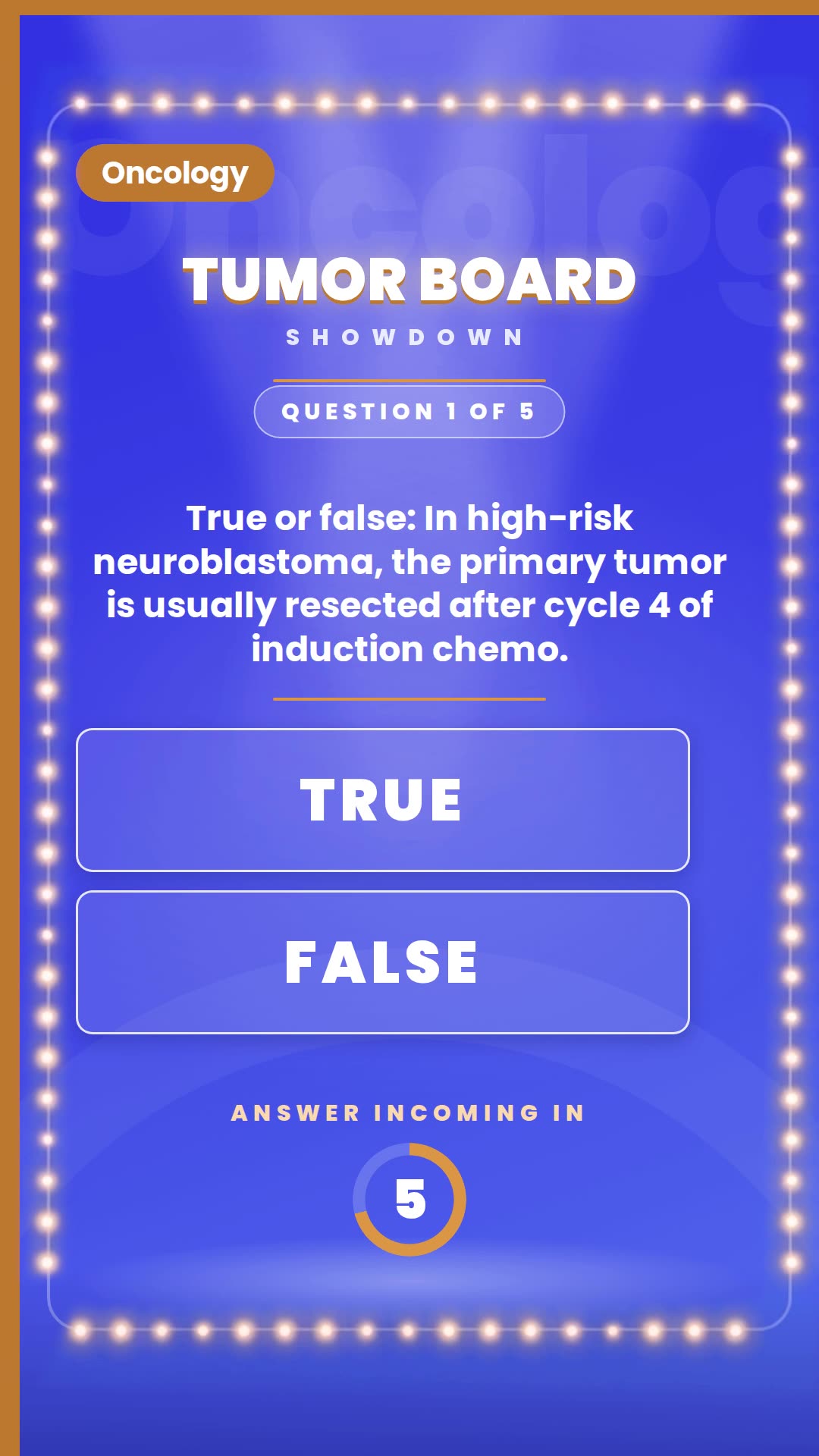
Oncology Tumor Board Showdown: Pediatric Oncology 5 Question Quiz
1 min · Published Oct 2026
Article
Minimally invasive surgery for abdominal and thoracic neuroblastic tumors: A systematic review by the APSA Cancer committee
Juan Pablo Gurria · Published Oct 2026
Video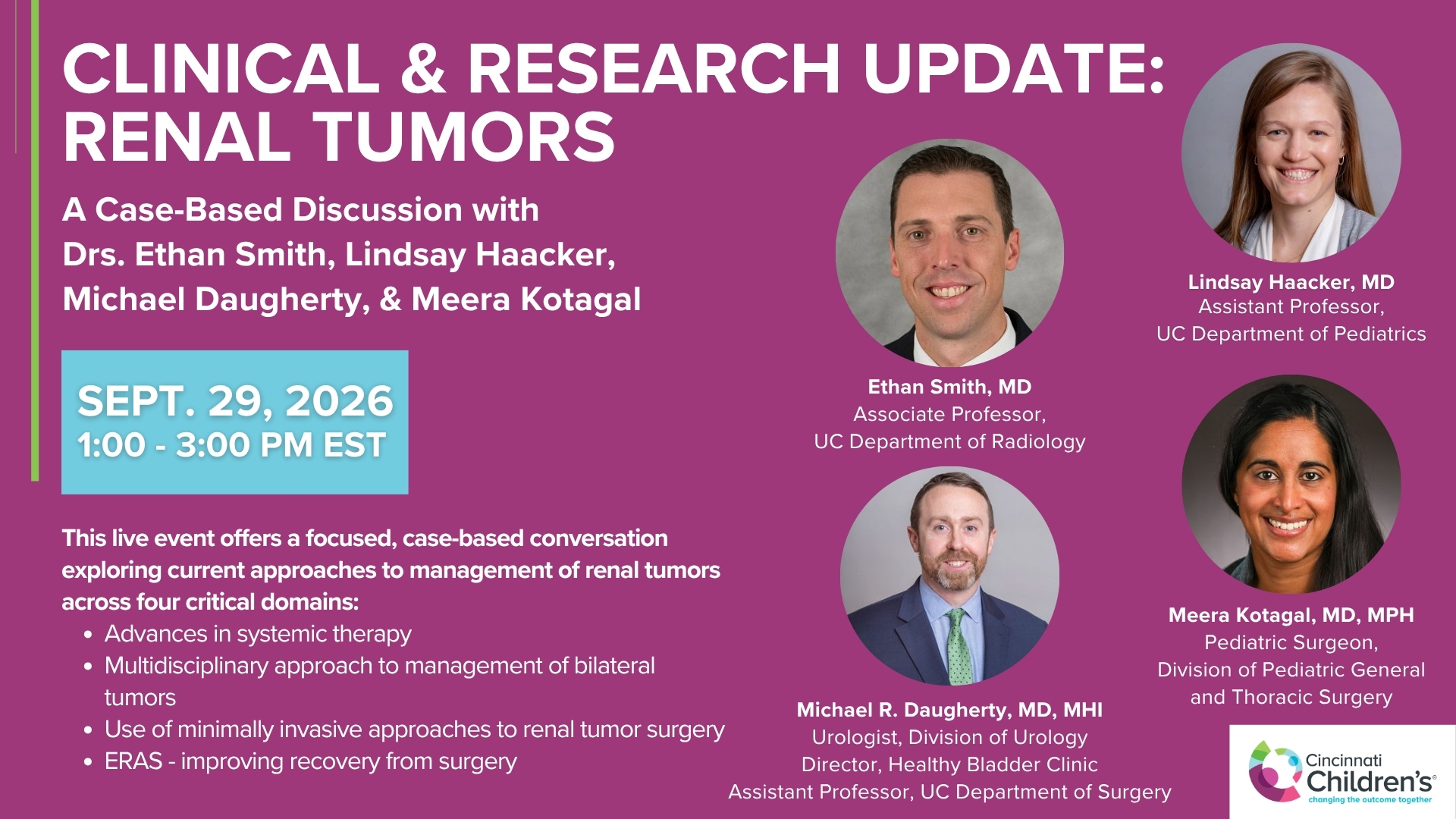
Clinical & Research Update: Renal Tumors with Drs. Ethan Smith, Lindsay Haacker, Michael Daugherty, and Meera Kotagal
71 min · Published Sep 2026
Video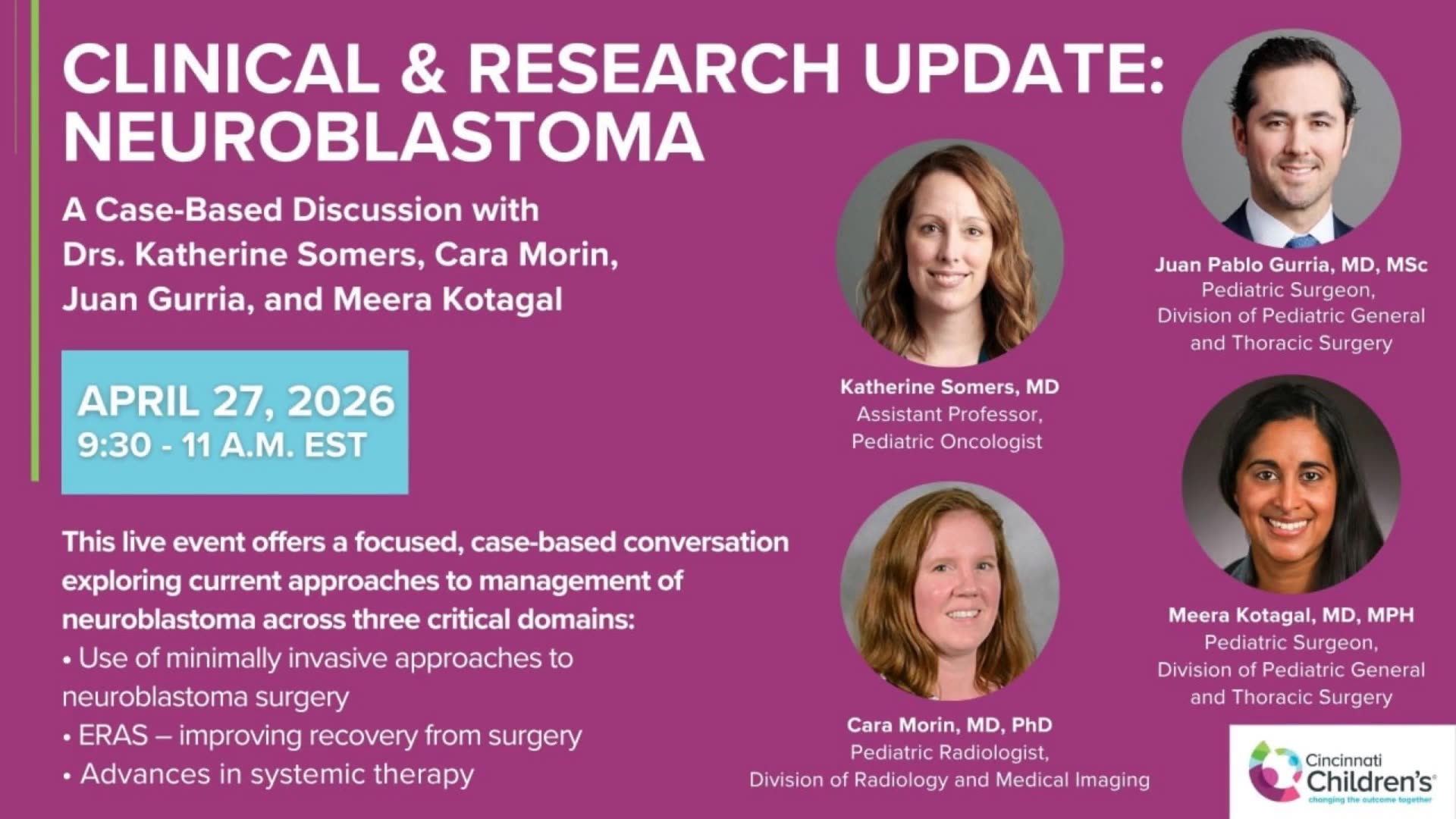
Clinical & Research Update: Neuroblastoma with Drs. Katherine Somers, Cara Morin, Juan Gurria, and Meera Kotagal
67 min · Published Sep 2026
Video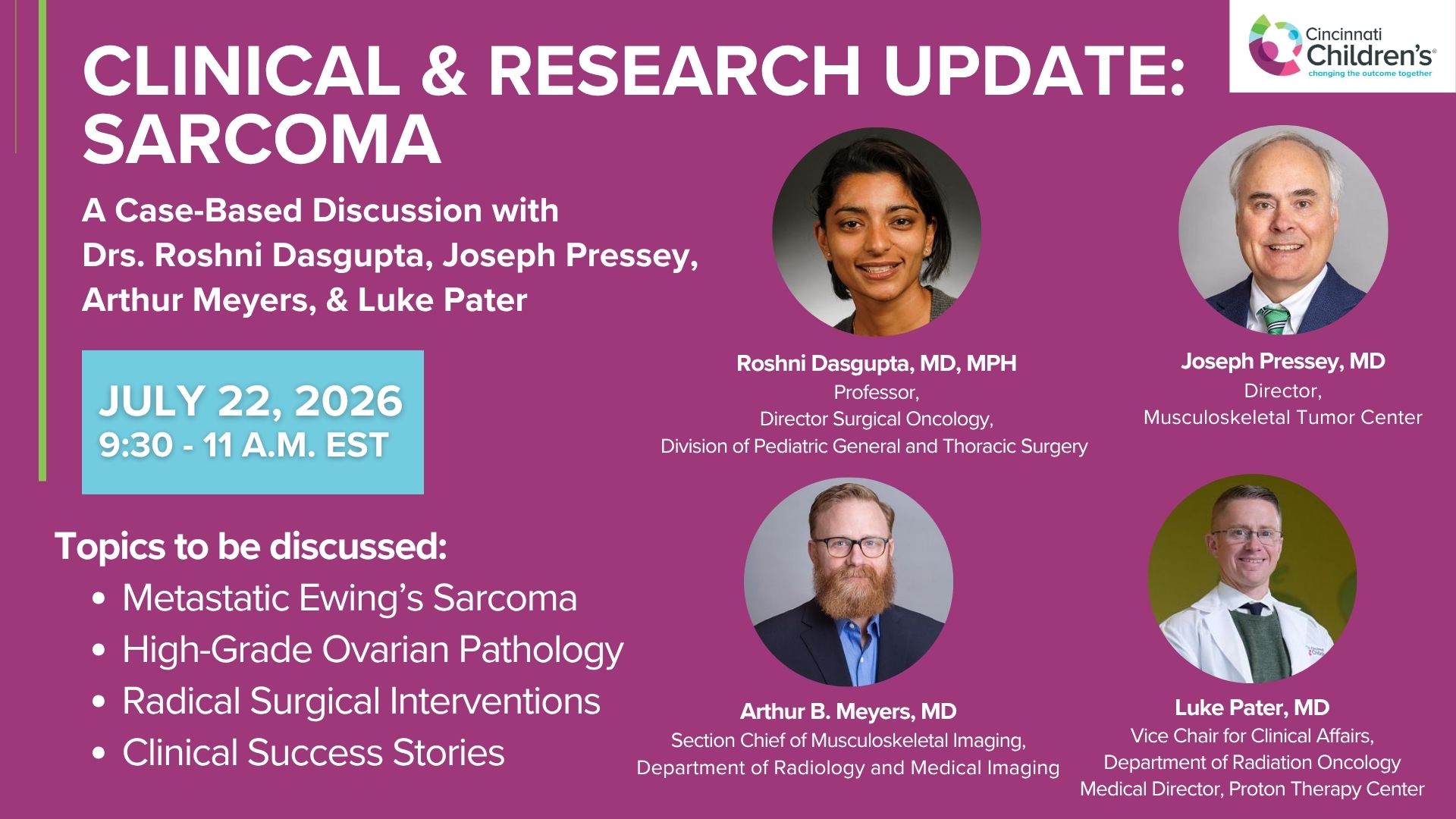
Clinical & Research Update: Sarcoma w/ Drs. Roshni Dasgupta, Joseph Pressey, Arthur Meyer, Luke Pater
66 min · Published Sep 2026
Video
Update Course Rewind 2025: Nerve Monitoring in Pediatric Thyroid Surgery
6 min · Published Jul 2026
Video
Intestinal Atresia Types Explained: Grossfeld Classification for Pediatric Surgery
1 min · Published Sep 2026
Video
Derivation and validation of the Pediatric Community-Acquired Pneumonia Severity (PedCAPS) score: A prospective cohort study
50 s · Published Sep 2026
Video
FETO for Late-Diagnosed Severe Congenital Diaphragmatic Hernia (CDH) at Cincinnati Children's with Dr. Beth Rymeski
4 min · Published Sep 2026
Video
Severe Congenital Diaphragmatic Hernia (CDH) Case: FETO Management & Unexpected Findings with Dr. Beth Rymeski
3 min · Published Sep 2026
Video
Fetoscopic Endoluminal Tracheal Occlusion (FETO) Procedure: Step-by-Step Guide with Dr. Beth Rymeski
4 min · Published Sep 2026
Video
Choledochal Cyst Types Explained: Pediatric Surgery Fundamentals
1 min · Published Sep 2026