


Guideline · Mar 2020 · 1 min read
In brief
In brief
Comprehensive clinical reference from NCI covering diagnosis, staging, and treatment approaches for childhood pheochromocytoma and paraganglioma. Provides evidence-based guidance for managing these rare catecholamine-secreting neuroendocrine tumors in pediatric patients.
- Pheochromocytomas arise from adrenal medulla; paragangliomas from extra-adrenal chromaffin tissue—both secrete catecholamines.
- Pediatric cases often present with sustained hypertension, headache, sweating, and palpitations due to excess catecholamine release.
- Genetic syndromes (MEN2, VHL, NF1, SDH mutations) account for majority of pediatric cases—family history and genetic testing crucial.
- Preoperative alpha-blockade essential to prevent hypertensive crisis during surgical resection, the primary curative treatment.
- Malignant potential exists; long-term surveillance required for metastatic disease and recurrence, especially in syndromic cases.
Written by the GCMD Library team from the guideline.
National Institute of Health and National Cancer Institute Childhood Pheochromocytoma and Paraganglioma Treatment (PDQ®)–Health Professional Version
This guideline lives on cancer.gov.
Open it on cancer.gov ↗Educational content from recorded physician discussions — not medical advice. Talk to your (or your child's) care team about your situation.
Video
Oncology Tumor Board Showdown: Pediatric Oncology 5 Question Quiz
1 min · Published Oct 2026
Article
Minimally invasive surgery for abdominal and thoracic neuroblastic tumors: A systematic review by the APSA Cancer committee
Juan Pablo Gurria · Published Oct 2026
Video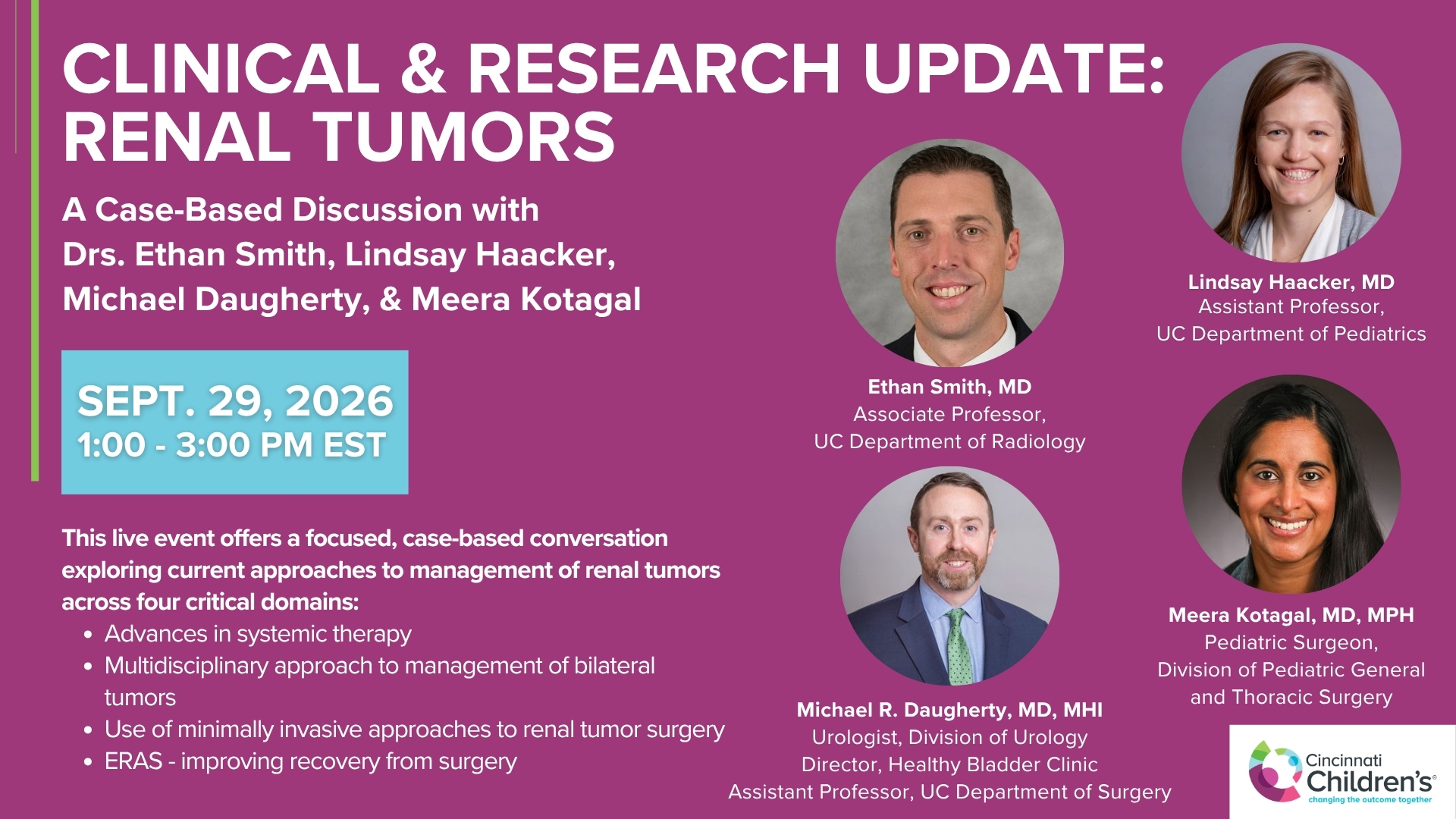
Clinical & Research Update: Renal Tumors with Drs. Ethan Smith, Lindsay Haacker, Michael Daugherty, and Meera Kotagal
71 min · Published Sep 2026
Video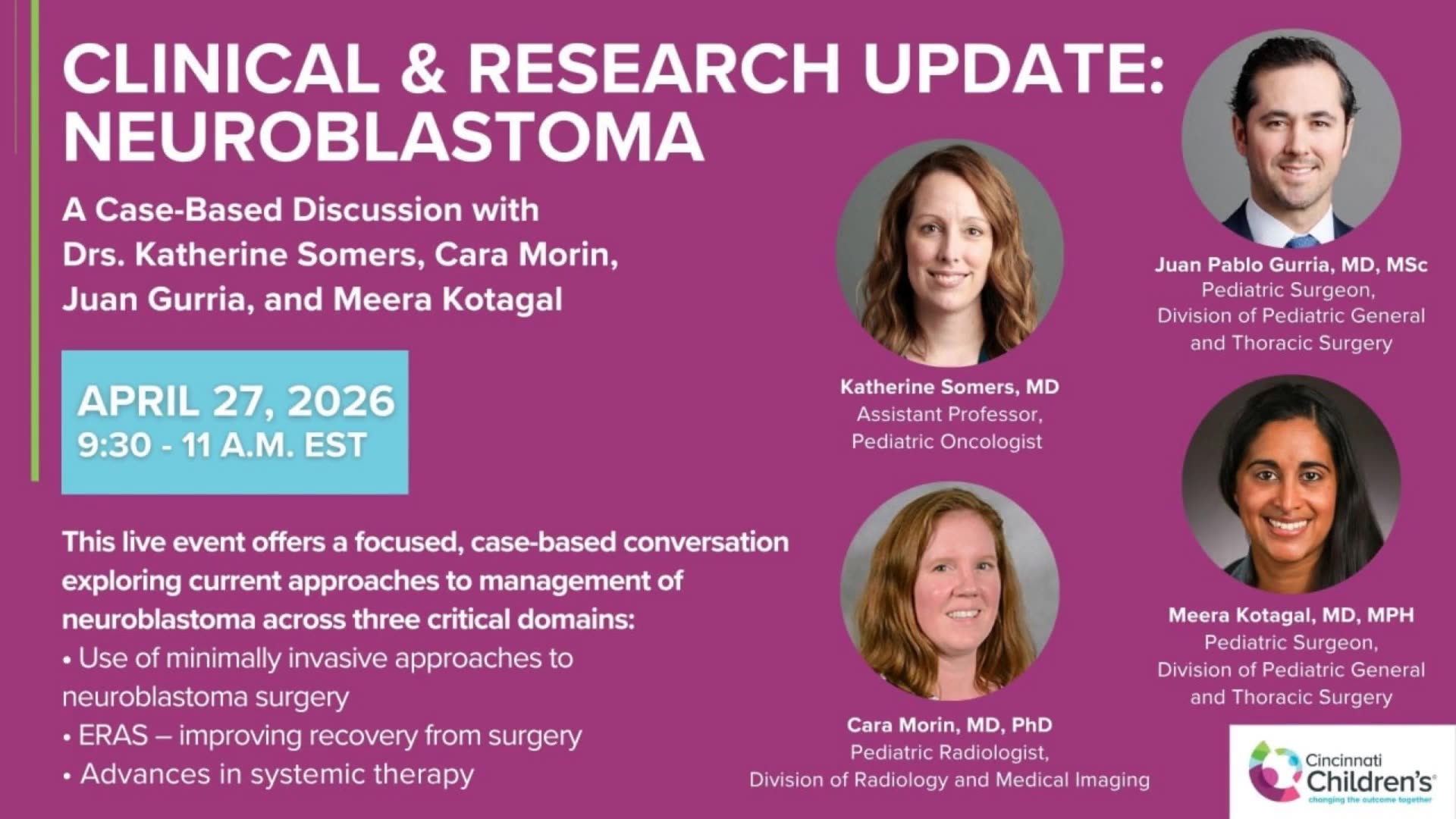
Clinical & Research Update: Neuroblastoma with Drs. Katherine Somers, Cara Morin, Juan Gurria, and Meera Kotagal
67 min · Published Sep 2026
Video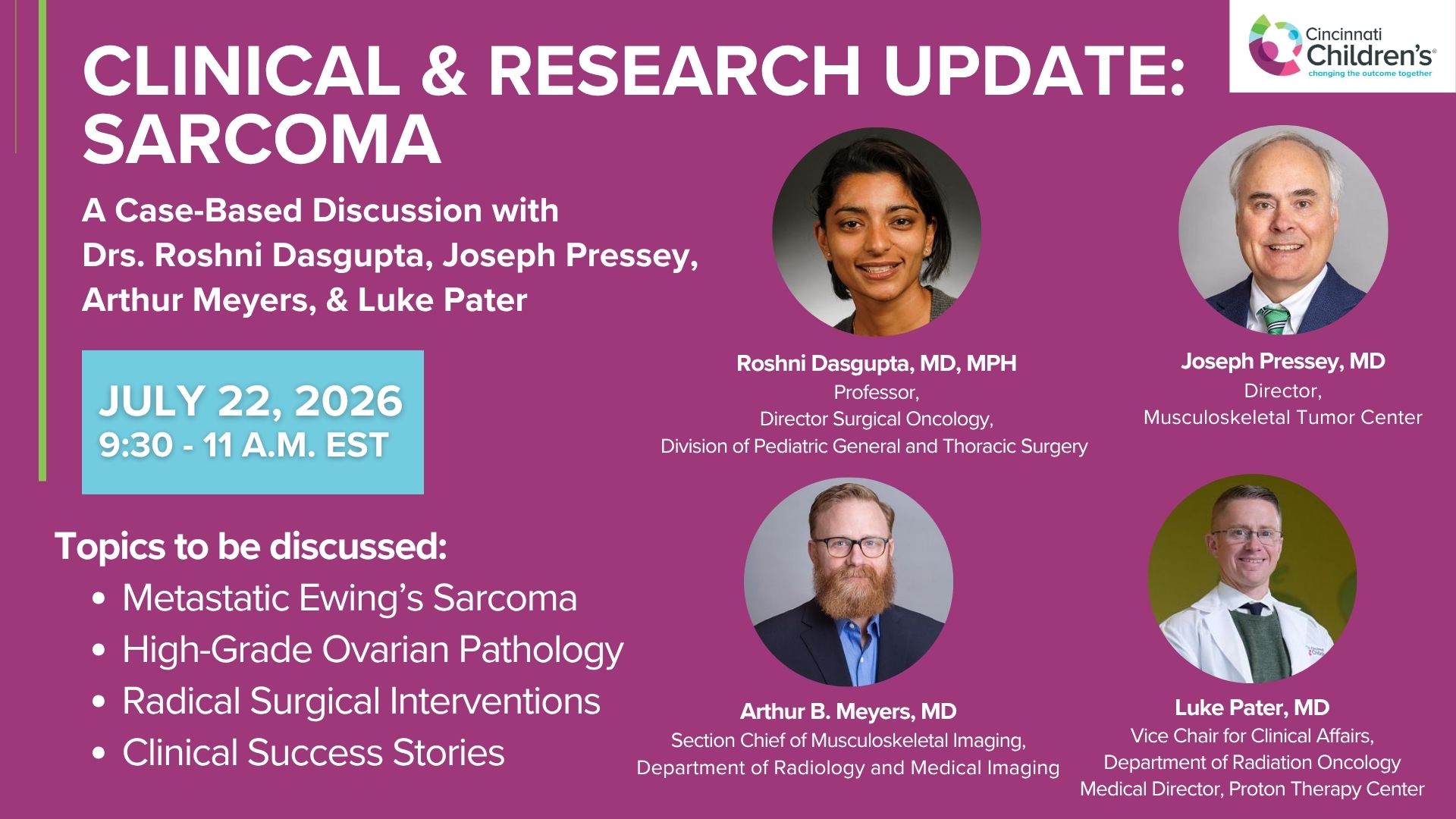
Clinical & Research Update: Sarcoma w/ Drs. Roshni Dasgupta, Joseph Pressey, Arthur Meyer, Luke Pater
66 min · Published Sep 2026
Video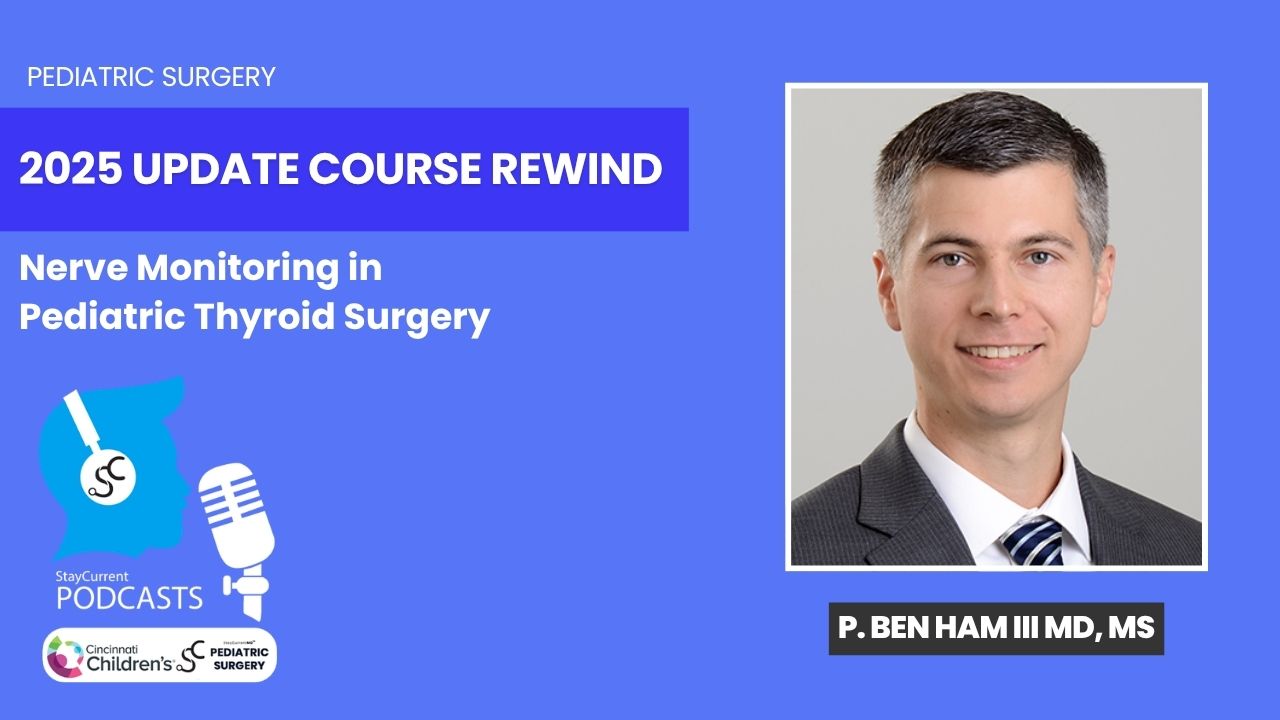
Update Course Rewind 2025: Nerve Monitoring in Pediatric Thyroid Surgery
6 min · Published Jul 2026
Video
Intestinal Atresia Types Explained: Grossfeld Classification for Pediatric Surgery
1 min · Published Sep 2026
Video
Derivation and validation of the Pediatric Community-Acquired Pneumonia Severity (PedCAPS) score: A prospective cohort study
50 s · Published Sep 2026
Video
FETO for Late-Diagnosed Severe Congenital Diaphragmatic Hernia (CDH) at Cincinnati Children's with Dr. Beth Rymeski
4 min · Published Sep 2026
Video
Severe Congenital Diaphragmatic Hernia (CDH) Case: FETO Management & Unexpected Findings with Dr. Beth Rymeski
3 min · Published Sep 2026
Video
Fetoscopic Endoluminal Tracheal Occlusion (FETO) Procedure: Step-by-Step Guide with Dr. Beth Rymeski
4 min · Published Sep 2026
Video
Choledochal Cyst Types Explained: Pediatric Surgery Fundamentals
1 min · Published Sep 2026