


Chapter 6 of 6 · Surgical Management
Azygos & fistula
Azygos vein management and fistula ligation technique
Cued at 8:41 · stops at 8:59 · press play
Expert statements on this page
No expert statements were drawn from this page.
Host summaries · secondary, not cited in answers
Educational content from recorded physician discussions — not medical advice. Talk to your (or your child's) care team about your situation.
Video
Leak after Esophageal Atresia Repair / TEF Repair: Discussion of World Experts
Dr. Todd Ponsky · 15 min · Published Dec 2012
Video
Thoracoscopic Repair of Tracheo-esophageal Fistula Tricks: Pediatric Surgery...
19 min · Published Jul 2017
Video
Thoracoscopic Esophageal Atresia Repair Tips & Tricks: Update Course 2018
Dr. Steve Rothenberg · 23 min · Published Aug 2018
Video
Esophageal Atresia/Tracheoesophageal Fistula Bronchoscopy and Surgical Technique
Dr. Todd Ponsky · 16 min · Published Nov 2021
Video
QUAD #10 Pt.3: Advantages of Thoracoscopic Repair of Esophageal Atresia with Dr. Steve Rothenberg
Dr. Steve Rothenberg · Published Jun 2024
Video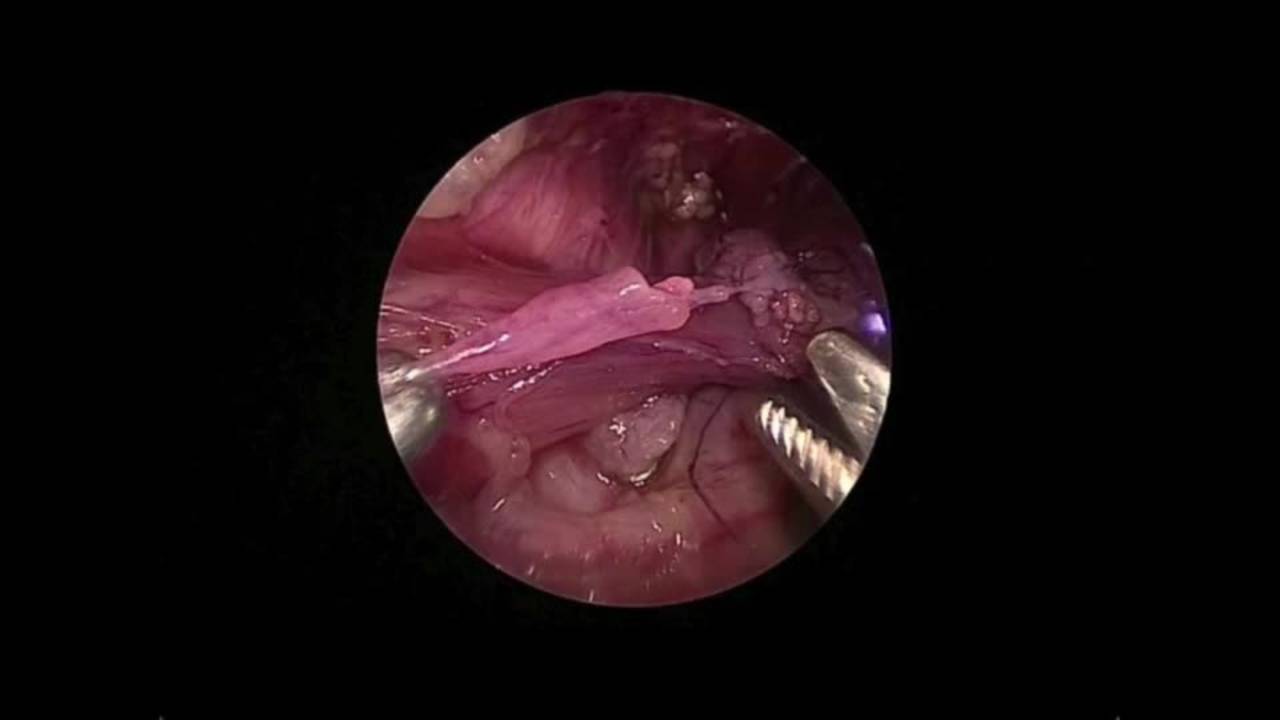
EA/TEF Discussion & Technique: Difficult Cases
19 min · Published Dec 2013
Video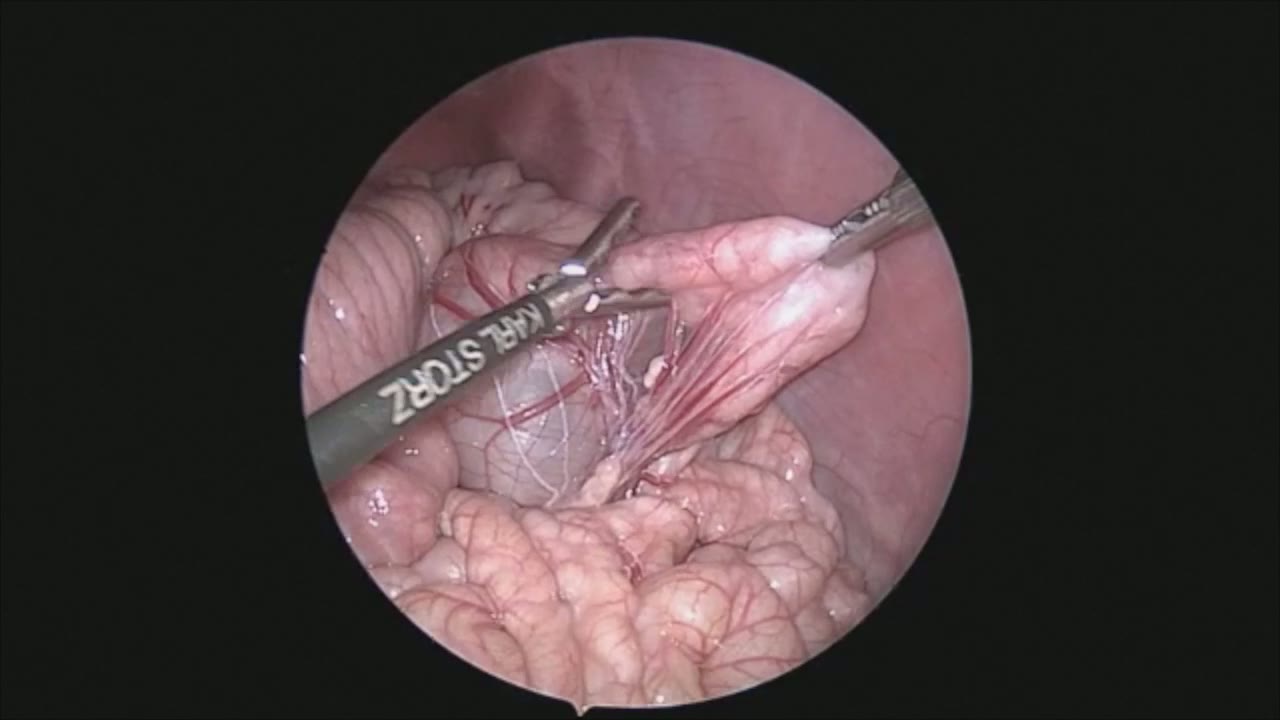
Laparoscopic Mesenteric and Short Gastric Dissection with a Vessel Sealer
Dr. Steve Rothenberg · 3 min · Published May 2026
Video
Laparoscopic Pyloromyotomy with a Reusable Handle and Disposable Blade
Dr. Steve Rothenberg · Published May 2026
Video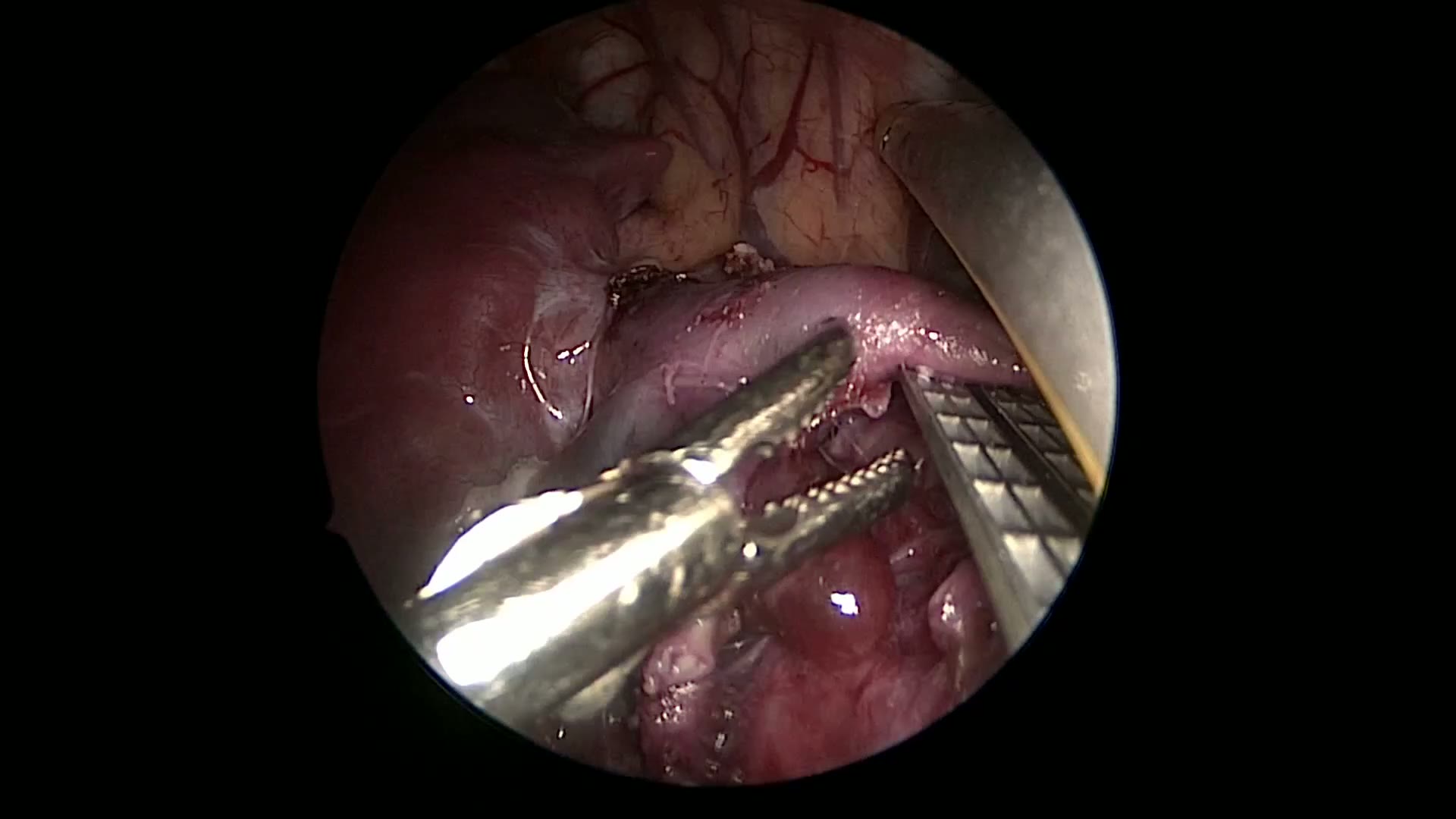
Thoracoscopic Stapling of the Left Lower Lobe Pulmonary Artery with a 5 mm Stapler
Dr. Steve Rothenberg · 9 s · Published May 2026
Video
Laparoscopic Plication of a Right Diaphragmatic Eventration in a 3-Month-Old
Dr. Steve Rothenberg · 6 min · Published May 2026
Video
Laparoscopic Redo Nissen Fundoplication in a 30 kg Child with the 3 mm Percuvance System
Dr. Steve Rothenberg · 5 min · Published May 2026
Video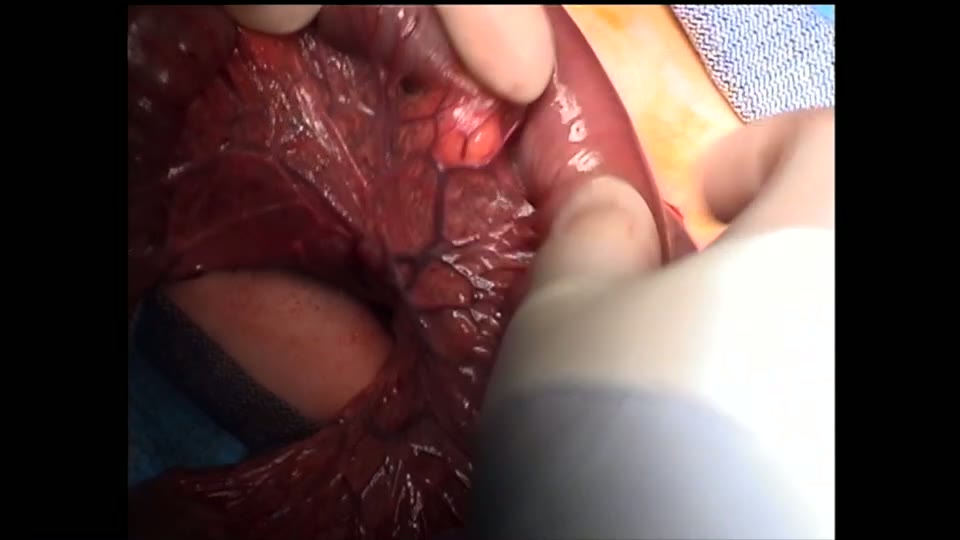
Open Bowel Anastomosis
Dr. Steve Rothenberg · Published May 2026
Podcast
Diaphragm pacing as alternative to mechanical ventilation in pediatric respiratory failure
1 min · Published Nov 2026
Podcast
Fetoscopic endoluminal tracheal occlusion for congenital diaphragmatic hernia
4 min · Published Nov 2026
Podcast
FETO procedure for late-diagnosed severe CDH with liver herniation
4 min · Published Nov 2026
Podcast
Severe CDH case with FETO: unexpected anatomic findings and clinical outcome
3 min · Published Nov 2026
Podcast
Pediatric pancreatitis: diagnosis, causes, and genetic insights with Dr. Juan Gurria
3 min · Published Nov 2026
Podcast
Understanding craniosynostosis: skull sutures, growth patterns, and diagnosis in infants
10 min · Published Nov 2026
What the experts said
Spitz uses a 6 French feeding tube (not a Replogle) across the anastomosis to feed the baby for the first few days after operation.
Jack leaves a 5 French feeding tube across the anastomosis, both for feeding and to protect the back wall during the anastomosis.
Steve uses blunt and sharp dissection when separating the upper pouch from the membranous trachea, only using cautery when he can clearly see the tissues and knows he is not injuring the membranous trachea.
Using cautery to dissect the plane between the membranous trachea and the medial wall of the upper esophageal pouch can result in holes in the membranous trachea, leading to an acquired tracheoesophageal fistula that is very difficult to fix.
Sharp dissection is the only safe way to dissect the upper pouch off the membranous trachea; cautery should never be used in that particular plane.
It is very hard to tie an extracorporeal knot with Vicryl suture.
If tying extracorporeally, PDS should be used instead of Vicryl because it slides better.
When there is an anastomosis under tension and concern about a leak, it is a good idea to get some tissue between the two suture lines to prevent development of a recurrent fistula.
A pleural flap or pericardial flap can be used to place vascularized tissue between suture lines.
In a baby, a thick pleural flap can be created that incorporates some of the muscle of the intercostal spaces and some fat.
The thing that causes most recurrent fistulas is a leak, and the thing that causes most leaks is too much tension on the anastomosis.
In premature infants with very small upper pouch and fistula, Steve's approach is to ligate the fistula thoracoscopically, mobilize the upper pouch if possible, and if unable to achieve anastomosis, place an internal stitch in the upper pouch under tension and return in 4-6 weeks for anastomosis.
The advantage of thoracoscopic approach is that without a big thoracotomy incision, the surgeon can go in, evaluate, and decide whether anastomosis is achievable.
Holger shares the experience that in premature infants, if only the fistula is ligated without dissection and the surgeon waits 4-8 weeks for spontaneous growth, the anastomosis can be performed later successfully.
If the azygos vein is ligated, the distal end can be opened and plastered onto the tracheal or esophageal suture line as tissue interposition.
Jack had a case where he placed only a clip on a fistula in a preemie without dividing it, and 3 weeks later the fistula recurred (recanalized).
If clipping a fistula, it must be divided; just putting a clip on can lead to recanalization.
When performing fistula division or ligation in a case where the two ends cannot be anastomosed, the distal segment should be tacked to the vertebral body (prevertebral fascia) with a stitch to prevent it from shrinking down.
More than 50% of long-gap EA cases are type C.
A paper by Upadhaya in the European Journal of Pediatric Surgery reported that ligating the azygos vein is associated with an increased rate of pneumonia.
David Vander says he never ligates the azygos vein.