


From
StayCurrentMD
QUAD #24: CHARGE Syndrome, Pulmonary Considerations with Dr. Cherie Torres-Silva
With Dr. Cherie Torres-Silva · hosted by Dr. Em Gootee
Part of
CHARGE Syndrome 5 items
Chapter 2 of 5 · Case-Based Learning
Case presentation
Case Presentation: 3-Year-Old with CHARGE Syndrome
Cued at 0:37 · stops at 4:09 · press play
Expert statements on this page
No expert statements were drawn from this page.
Host summaries · secondary, not cited in answers
Educational content from recorded physician discussions — not medical advice. Talk to your (or your child's) care team about your situation.
Video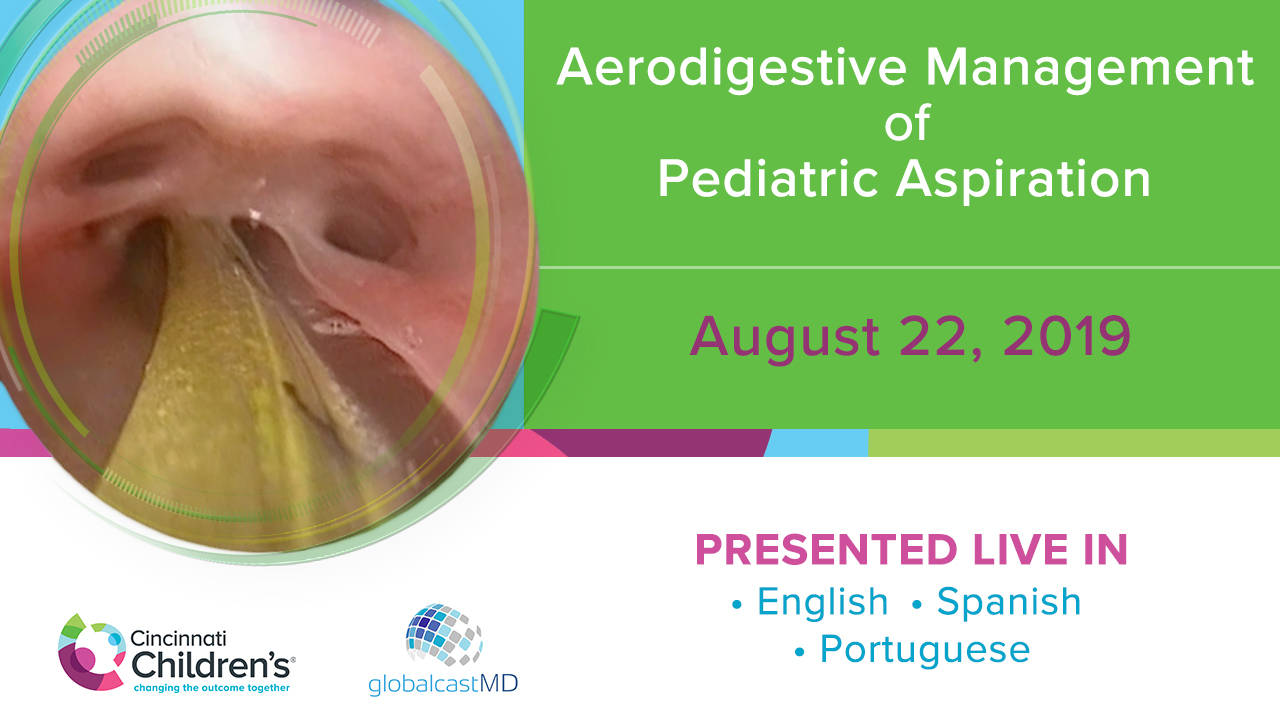
Aerodigestive Management of Pediatric Aspiration - FULL SHOW
CCHMC Pediatric Surgery · 157 min · Published Jul 2020
Video
QUAD #27 - Multidisciplinary - How Do Teams Enhance Outcomes by the CCHMC ADEC Team
CCHMC Pediatric Surgery · 10 min · Published Apr 2025
Video
QUAD #23: CHARGE Syndrome, Airway Considerations with Dr. Catherine Hart
CCHMC Pediatric Surgery · Published Jan 2025
Video
QUAD #16 - Flexible Bronchoscopy in Management of Slide Tracheoplasty Patients - Sara Zak
CCHMC Pediatric Surgery · 9 min · Published Oct 2024
Video
Aerodigestive & Esophageal Surgery: Aspiration in TEFs
5 min · Published Dec 2014
Video
Interesting Case Presentations Part II: EA/TEF
66 min · Published Dec 2012
Podcast
Diaphragm pacing as alternative to mechanical ventilation in pediatric respiratory failure
1 min · Published Nov 2026
Podcast
Fetoscopic endoluminal tracheal occlusion for congenital diaphragmatic hernia
4 min · Published Nov 2026
Podcast
FETO procedure for late-diagnosed severe CDH with liver herniation
4 min · Published Nov 2026
Podcast
Severe CDH case with FETO: unexpected anatomic findings and clinical outcome
3 min · Published Nov 2026
Podcast
Pediatric pancreatitis: diagnosis, causes, and genetic insights with Dr. Juan Gurria
3 min · Published Nov 2026
Podcast
Understanding craniosynostosis: skull sutures, growth patterns, and diagnosis in infants
10 min · Published Nov 2026
What the experts said
Patient had more than 12 pneumonias in her lifetime
Patient required endotracheal intubation 12 times due to acute respiratory failure
At baseline, no positive pressure support was needed
CT scan showed consolidation and changes especially on the right upper posterior lobe with mild early bronchiectatic cylindrical changes in central lobes bilaterally
Swallow study showed absent swallow onset, severe impairment in management of oral secretions with penetration and silent aspiration
Bronchoalveolar lavage showed elevated lipid laden macrophages of 30% and increased number of squamous cells
Patient had chronic and active infection that was both bacterial and fungal
Upper airway obstruction fell into severe category with AHI above 10
Patient had abnormality in right upper lobe bronchus with very cephalic takeoff and collapse in anterior posterior diameter, contributing to mucus clearance limitation
There is increased risk of aspiration in patients that have obstructive sleep apnea and gastroesophageal reflux
There is correlation between how deep we're sleeping and the frequency of swallowing - in deeper parts of sleep, we swallow less
In deeper sleep, patients have higher number of obstruction events
Patients with thoracotomies or progressive scoliosis develop restrictive lung disease that interferes with airway clearance
Huff cough mobilizes secretions from peripheral airways to center, making clearance easier
Dental decay is directly associated with increased frequency of respiratory infections in patients that have aspiration
Acid reflux is more injurious for these patients than non-acid reflux
Azithromycin shows significant clinical improvement in younger babies with significant CT scan changes and recurrent infections
Studies showed that patients can have further prolongation of QT interval on azithromycin
Dr. Torres-Silva always gets an EKG before starting patients on long-term azithromycin
The more aggressive you are with antibiotics, the more likelihood you will contribute to development of very resistant flora
Inhaled antibiotics are used to decrease systemic effects of antibiotics
Tobramycin inhaled is the go-to medication for prophylactic antibiotics, with colistin as second line
14-day antibiotic cycles are used because many babies cannot be 28 days without antibiotics