


Chapter 3 of 4 · Surgical Management
Thoracoscopic repair
Thoracoscopic Repair Technique for Long-Gap EA
Cued at 8:24 · stops at 8:55 · press play
Expert statements on this page
No expert statements were drawn from this page.
Host summaries · secondary, not cited in answers
Educational content from recorded physician discussions — not medical advice. Talk to your (or your child's) care team about your situation.
Video
Thoracoscopic Repair of Tracheo-esophageal Fistula Tricks: Pediatric Surgery...
19 min · Published Jul 2017
Video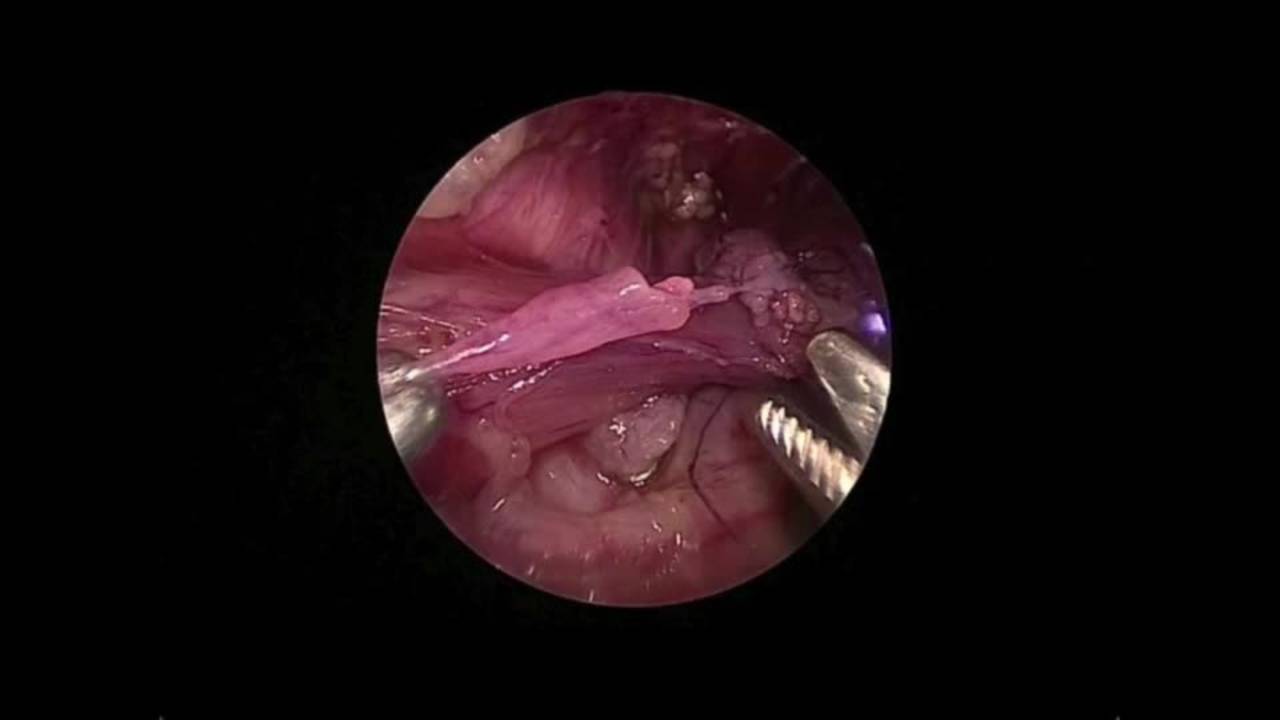
EA/TEF Discussion & Technique: Difficult Cases
19 min · Published Dec 2013
Video
Update Course 2013: EA & TEF
38 min · Published Sep 2013
Video
Rothenberg Thoracoscopic Technique Video: EA/TEF
Dr. Steve Rothenberg · 9 min · Published Dec 2012
Video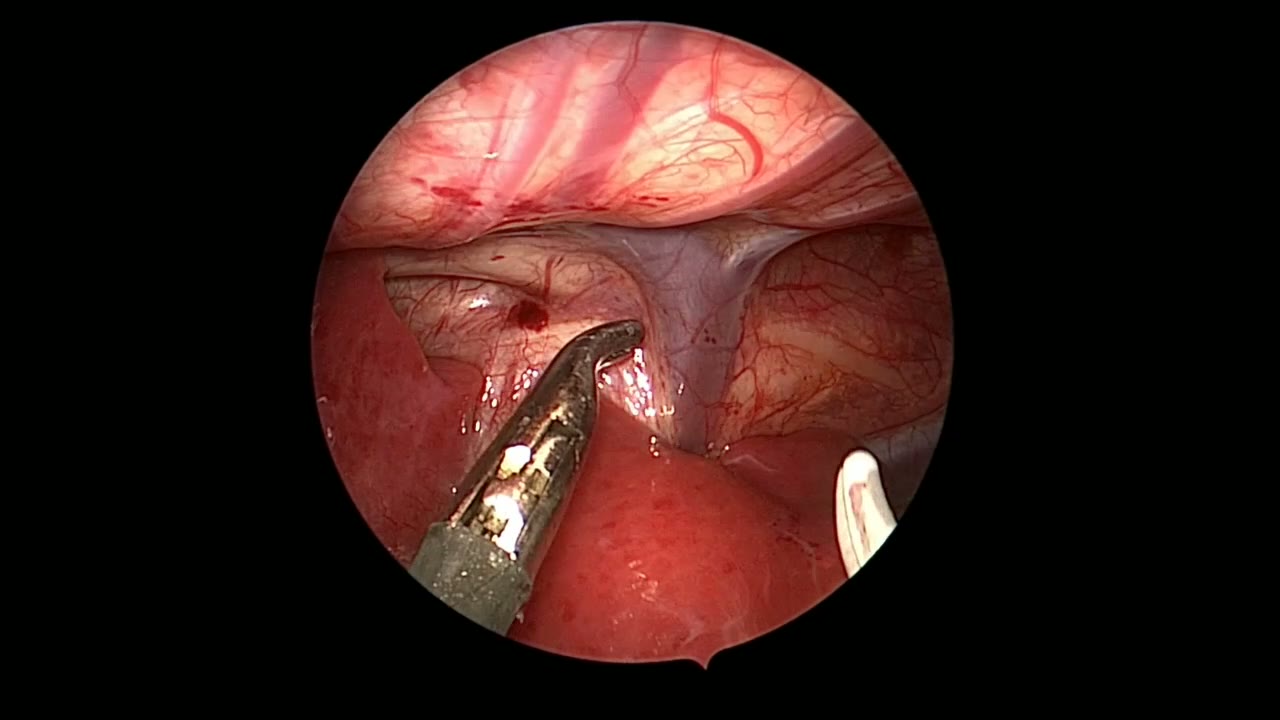
Thoracoscopic Tracheoesophageal Fistula Repair: Upper Pouch Mobilization and Anastomosis
Dr. Steve Rothenberg · 2 min · Published May 2026
Video
Esophageal Atresia in Brief: Presentation, Workup, Diagnosis, and Treatment
Dr. Todd Ponsky · Published Feb 2022
Video
Laparoscopic Mesenteric and Short Gastric Dissection with a Vessel Sealer
Dr. Steve Rothenberg · 3 min · Published May 2026
Video
Laparoscopic Pyloromyotomy with a Reusable Handle and Disposable Blade
Dr. Steve Rothenberg · Published May 2026
Video
Thoracoscopic Stapling of the Left Lower Lobe Pulmonary Artery with a 5 mm Stapler
Dr. Steve Rothenberg · 9 s · Published May 2026
Video
Laparoscopic Plication of a Right Diaphragmatic Eventration in a 3-Month-Old
Dr. Steve Rothenberg · 6 min · Published May 2026
Video
Laparoscopic Redo Nissen Fundoplication in a 30 kg Child with the 3 mm Percuvance System
Dr. Steve Rothenberg · 5 min · Published May 2026
Video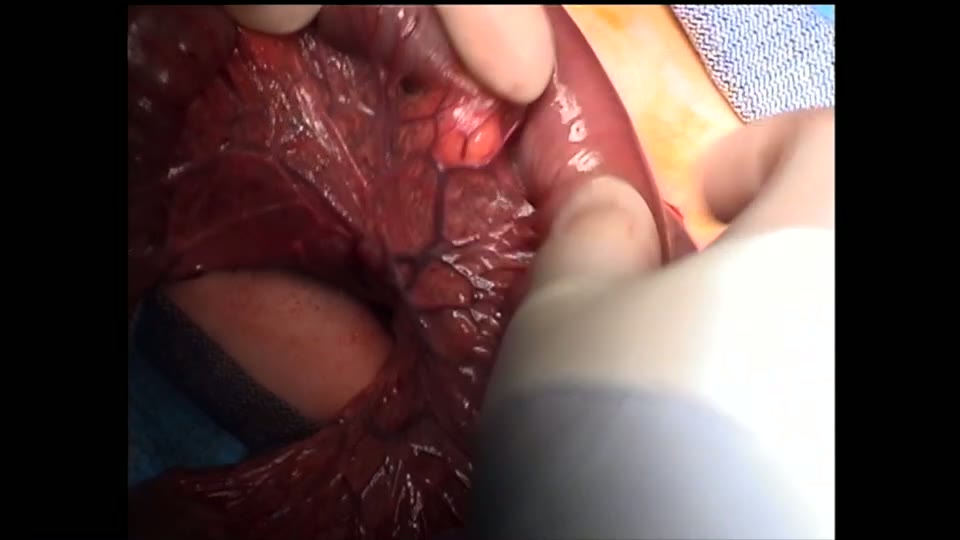
Open Bowel Anastomosis
Dr. Steve Rothenberg · Published May 2026
Podcast
Diaphragm pacing as alternative to mechanical ventilation in pediatric respiratory failure
1 min · Published Nov 2026
Podcast
Fetoscopic endoluminal tracheal occlusion for congenital diaphragmatic hernia
4 min · Published Nov 2026
Podcast
FETO procedure for late-diagnosed severe CDH with liver herniation
4 min · Published Nov 2026
Podcast
Severe CDH case with FETO: unexpected anatomic findings and clinical outcome
3 min · Published Nov 2026
Podcast
Pediatric pancreatitis: diagnosis, causes, and genetic insights with Dr. Juan Gurria
3 min · Published Nov 2026
Podcast
Understanding craniosynostosis: skull sutures, growth patterns, and diagnosis in infants
10 min · Published Nov 2026
What the experts said
Gastrostomy is performed in the first 24 hours of life for long-gap esophageal atresia without fistula
The stomach is diminutive in these patients, and gastrostomy tubes have been mistakenly placed into the transverse colon because the stomach and transverse colon appear almost the same size
After gastrostomy placement, patients are left alone for at least 3 weeks before gap measurement
At 3 weeks when the gastrostomy site is matured, gap measurement is performed in the fluoroscopy suite using a neonatal scope inserted into the stomach to find the GE junction
The GE junction in these babies is very small and easy to miss with blind Hagar or Bates dilator insertion, leading to incorrect gap measurements
Gap is measured in terms of vertebral bodies, and if the gap is less than 2 centimeter vertebral bodies, the operation is considered within the next couple of weeks
Interventional radiology can place gastrostomy tubes instead of surgical laparotomy with good results
Damage to the stomach is a problem with surgical gastrostomy placement; over the years there have been a number of children who had leaks around the gastrostomy tube when placed surgically
For interventional radiology gastrostomy placement, the stomach is filled with air using a fine needle through the left lobe of the liver under ultrasound guidance, then standard technique is used once the stomach is inflated
This interventional radiology gastrostomy technique was written up about 10 years ago and is in the literature
The stomach takes about 3 weeks to get to normal size in pure long gap esophageal atresia with gastrostomy feedings
Peter Chait, who invented the Chait button, developed the interventional radiology gastrostomy technique
Dr. Corn's philosophy has changed regarding conduit use; they would probably wait longer or use a different paradigm to achieve complete primary repair, which they accomplish in over 99% of these patients
Gap measurement is performed with G-tube placement followed by initial contrast study, then repeated at 4 to 6 weeks if it looks like a long gap, with surgery generally at 4 to 6 weeks (range 3 to 6 weeks)
One advantage of thoracoscopic approach is that you can see much higher, dissecting all the way up to the thoracic inlet near or beyond the tip of the lower lobe of the thyroid
For long-gap repairs, slit incisions are made in both upper and lower pouches rather than resecting anything, to preserve as much tissue as possible
40 PDS suture on small TF needle is used with full thickness bites for the anastomosis
One disadvantage of thoracoscopic repair is that you can only do one stitch at a time, creating significant tension at each stitch with risk of tearing
The back wall is done first in a series of interrupted stitches
The case presented was a 5.5 vertebral body gap successfully repaired thoracoscopically
Dr. Corn uses almost exactly the same approach as the thoracoscopic technique but performs it open
One advantage of open approach is putting several sutures in first and sliding them up before tying, which reduces tension on the first stitch
Stitches are placed with knots on the inside posteriorly and knots on the outside anteriorly
Vicryl or PDS can be used for sutures and it doesn't make a bit of difference; it's no different than using silk 30 years ago
If there is any kind of distal nub of real substance to the distal esophagus, you will eventually be able to get the ends together
When there is a gastric diverticulum for the esophagus (which histologically is not really even esophageal tissue) as the only distal esophagus, primary repair cannot be achieved no matter what techniques are used
Using dynamometry with Hagar dilator, a gap that appears to be 7 vertebral bodies without pressure can be reduced to less than 2 vertebral bodies with 250-300 grams of pressure
Dynamometry provides an objective and measurable method to compare results between different centers and institutions by measuring the pressure applied
With Hagar dilator technique, the gap appeared to be 2 vertebral bodies, but with endoscopic visualization the gap was actually between 4 and 5 vertebral bodies
Blind insertion of rigid Hagar dilator can miss the distal esophageal pouch and inadvertently distend the cardia, leading to a falsely narrow measurement of gap
If the gap at measurement is greater than 3 to 4 vertebral bodies, the patient will require an esophageal conduit; if smaller than 3 to 4 vertebral bodies, the patient is eligible for primary repair