
JRS TEF SHORT
With Dr. Steve Rothenberg · StayCurrentMD
Educational content from recorded physician discussions — not medical advice. Talk to your (or your child's) care team about your situation.
Video
QUAD Conference Commercial
1 min · Published May 2022
Video
Thoracoscopic Repair of Tracheo-esophageal Fistula Tricks: Pediatric Surgery...
19 min · Published Jul 2017
Video
Glycopyrrolate for Anastomtic Dehiscence in Esophageal Atresia
2 min · Published May 2017
Video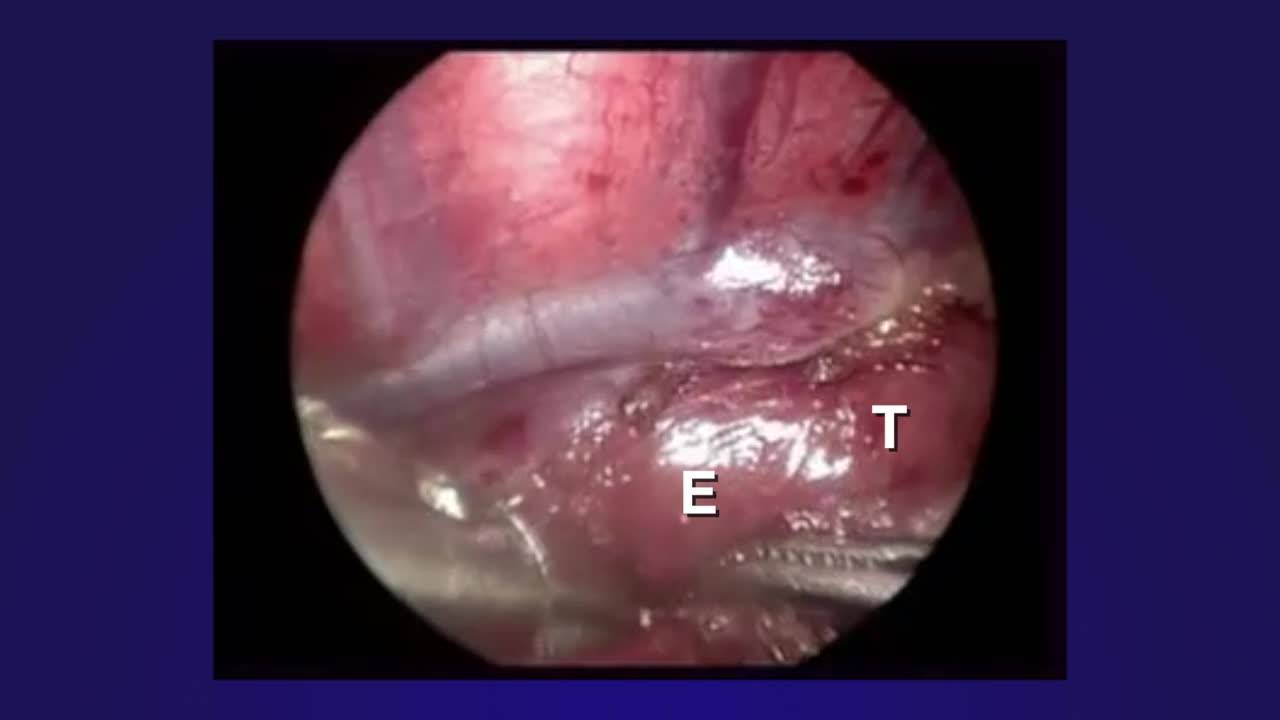
Thoracoscopic Repair of Esophageal Atresia with Distal Tracheo-esophageal...
5 min · Published Feb 2020
Video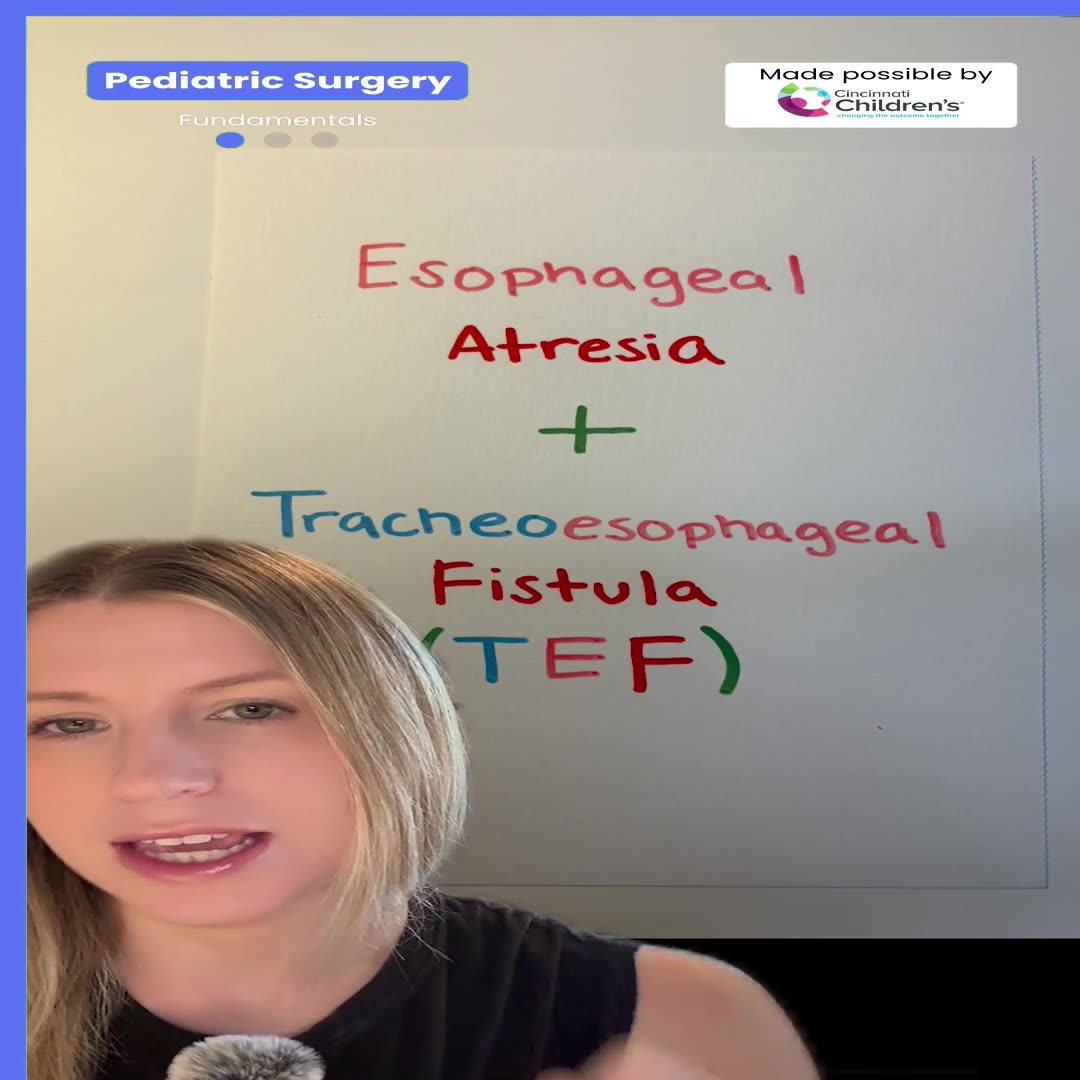
Esophageal Atresia & Tracheoesophageal Fistula (EA/TEF) Types Explained for Pediatric Surgery
2 min · Published Sep 2026
Video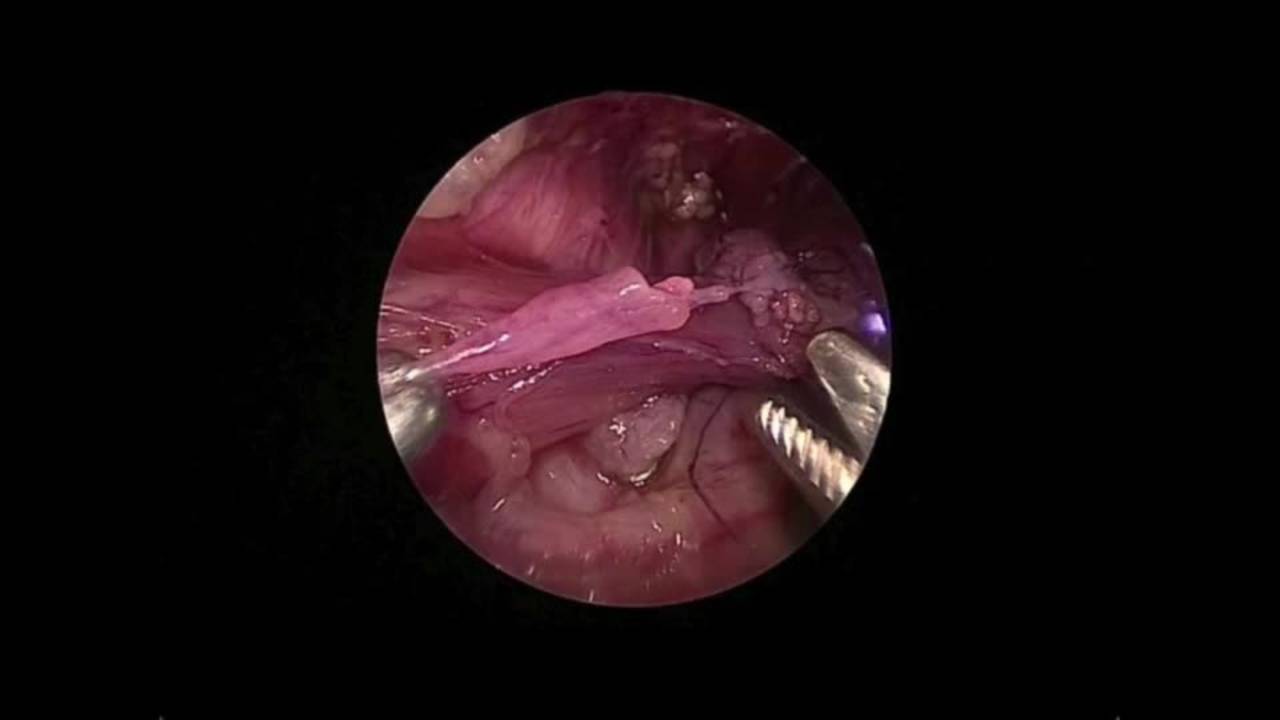
EA/TEF Discussion & Technique: Difficult Cases
19 min · Published Dec 2013
Only a few other public items share this expert — go deeper there →
Video
Pediatric Surgical Oncology Research Collaborative (PSORC): Studying Rare Pediatric Tumors
56 s · Published May 2026
Video
Update Course Rewind 2025: Hirschsprung + ARM: Rare but Real
1 min · Published May 2026
Video
Pooling Patients to Study Rare Pediatric Tumors: An Introduction to PSORC
56 s · Published May 2026
Video
The fetal frontier: A review of current and emerging fetal therapies for genetic diseases
44 s · Published May 2026
Video
Indocyanine green assists with sentinel lymph node mapping in pediatric and adolescent patients
1 min · Published May 2026
Video
Tricuspid valve surgery in transposition of the great arteries with a systemic right ventricle
46 s · Published May 2026
What the experts said
Some surgeons choose to leave the azygos vein intact during this portion of the dissection
Leaving the azygos vein intact means the gap is much larger
An endoscopic clip provides atraumatic tissue handling during dissection
Extensive dissection of the upper pouch is performed to achieve adequate length for anastomosis
This case involves a longer gap than is routine for a type 3 fistula
The back wall and corners of the anastomosis are sutured first, using 4 to 5 sutures
The nasogastric or orogastric tube is advanced by the anesthesiologist after the back wall is completed
Three anterior wall sutures are sufficient to complete the anastomosis in this case
Close coordination with the anesthesiologist is extremely important to achieve adequate visualization throughout the procedure