
Journal of Pediatric Surgery Article Review: February 2022 - BAPS Issue
With Dr. Mark Davenport & Dr. Kirsty Brennan & Dr. Mark Rinan · hosted by Dr. Rod Gerardo & Dr. Brittany Levy
Educational content from recorded physician discussions — not medical advice. Talk to your (or your child's) care team about your situation.
Video
Finnish Pediatric Surgery Hub - From Centralization to Collective Learning and Sharing of Expertise
48 s · Published Feb 2025
Video
#APSA 50: Robert E. Gross Debate
59 min · Published Jul 2019
Video
ERNICA Research Collaboration Webinar on Quality of Life
61 min · Published Nov 2023
Video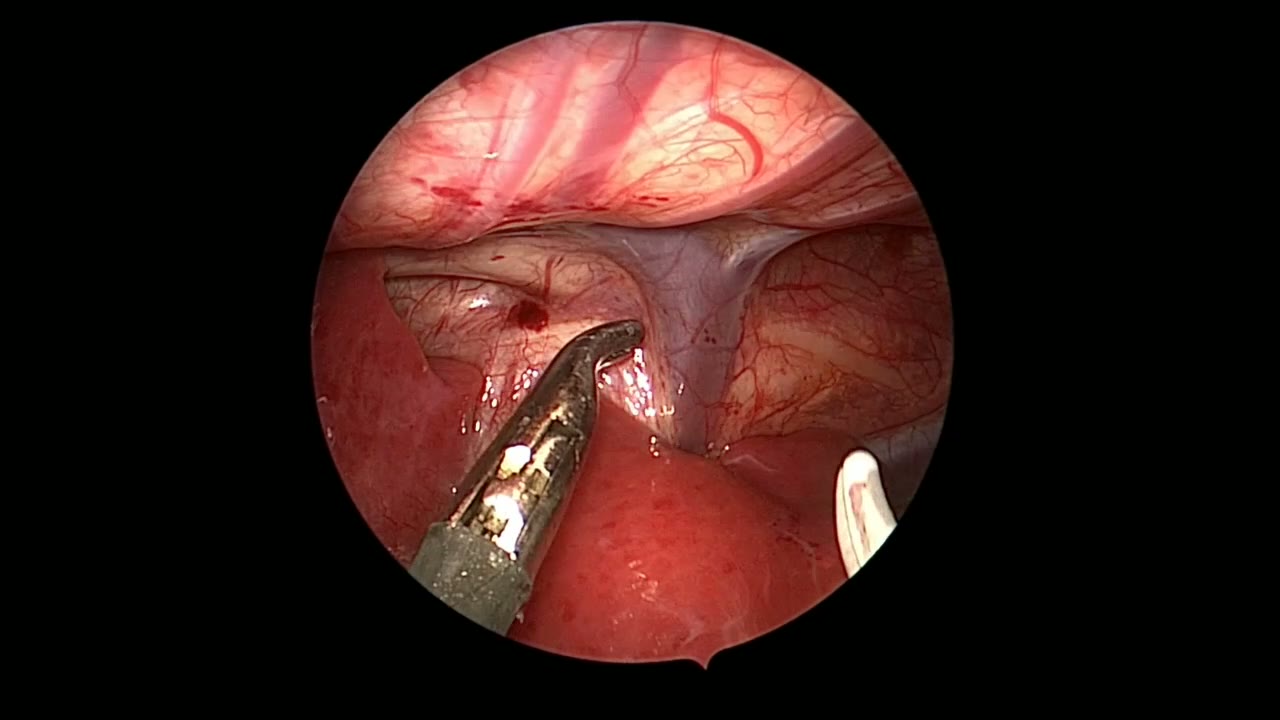
JRS TEF SHORT
Dr. Steve Rothenberg · 2 min · Published May 2026
Podcast
Journal of Pediatric Surgery Article Review: February 2023, BAPS issue
12 min · Published Apr 2023
Video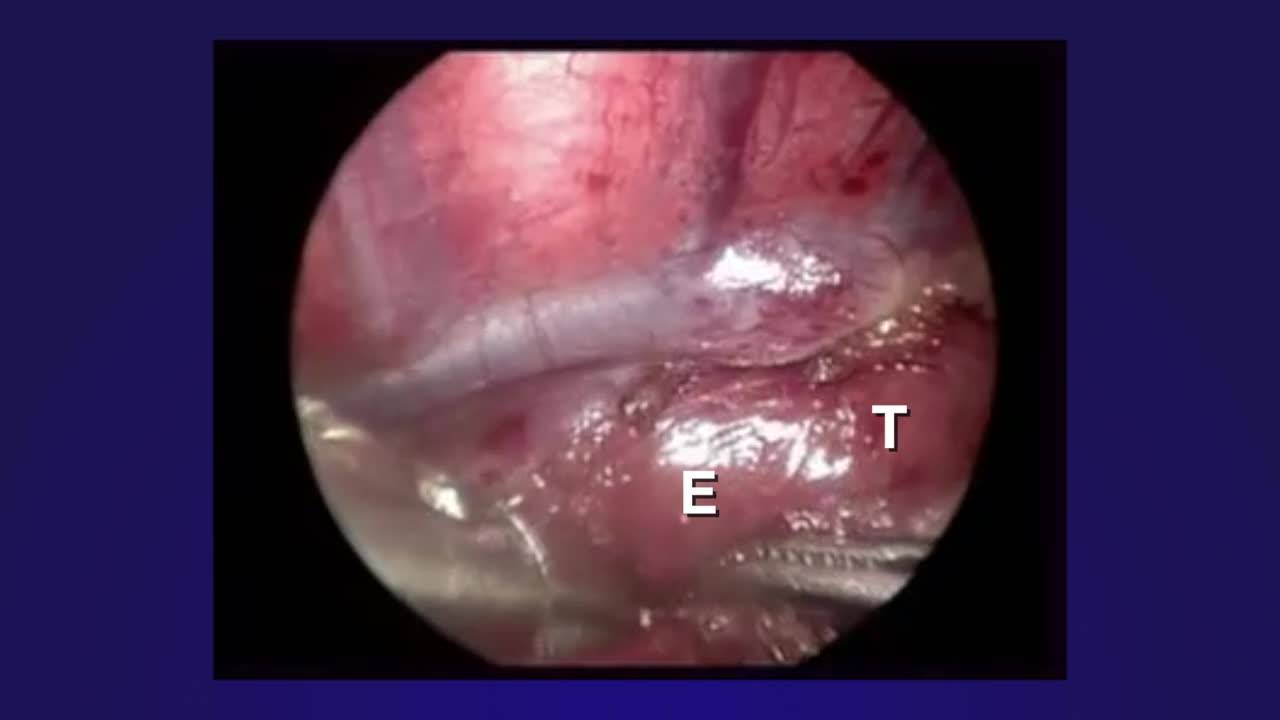
Thoracoscopic Repair of Esophageal Atresia with Distal Tracheo-esophageal...
5 min · Published Feb 2020
Video
Journal of Pediatric Surgery Article Review: The Disruption Score
Todd Ponsky · 12 min · Published Jul 2026
Podcast
Journal of Pediatric Surgery Article Review: Q1 (Jan-Mar) 2024
13 min · Published Jun 2024
Podcast
Journal of Pediatric Surgery Article Review: February 2022 BAPS Issue
11 min · Published Apr 2022
Podcast
Biliary Atresia Part II
42 min · Published Feb 2022
Podcast
Biliary Atresia Part I
31 min · Published Jan 2022
Podcast
Journal of Pediatric Surgery Article Review: The Disruption Score
12 min · Published Aug 2021
What the experts said
Adrian Wolf's research focuses on creating renal organoids with glomerular differentiation from pluripotent stem cells to understand why babies are born without kidneys or with abnormal kidneys or lower urinary tract.
Renal organoids could potentially be used as replacement therapy instead of formal kidney transplant and could one day be functionally useful in living patients.
Stem cells can be made from blood samples of children born with abnormal kidneys to grow organoids in culture that reproduce the disease in a dish, allowing researchers to look for druggable targets.
Growing a ureter from stem cells is difficult, and without a ureter, even a functional kidney organoid would have nowhere for urine to go.
Kidney organoids are only a few millimeters across, so using them as renal replacement therapy would require implanting hundreds of them into a person.
Kidney organoids cannot be connected to large arteries, and their glomeruli could not make much urine without high pressure, high flow blood supply.
In the UK multicenter ELBT study, 16 out of 22 patients (73%) had successful esophageal anastomosis after lengthening procedure.
In ELBT cases where the procedure did not work well, all babies managed to have cervical esophagostomy and survive, with reconstruction typically using gastric transposition.
There were three deaths after anastomosis in the UK ELBT series.
Mark Davenport states that ELBT results reflect what is happening in the real world, it is not universally successful, and its role in long gap esophageal atresia management will remain controversial.
The Netherlands has 17 million people with approximately 30 to 40 cases of esophageal atresia per year across 6 pediatric surgical centers.
In the Netherlands, centralization began in 2014 with oncology cases limited to one hospital, expanded in 2015 to include abdominal, thoracic and neck cases, and in 2018 added neurosurgical and orthopedic oncology.
In the Netherlands, biliary atresia and choledochal cysts are now done in only 1 of the 6 pediatric surgical centers.
Esophageal atresia cases in the Netherlands are now done in only 3 hospitals.
Anorectal malformations and Hirschsprung disease are done in 4 out of 6 hospitals in the Netherlands.
Mark Rinan's center performs about 30 neuroblastomas per year and about 35 renal tumors per year, and results improved dramatically with centralization.
In the United States, reimbursement is based on volume, which creates resistance to centralization as centers would give up a major part of their practice.
Kids Operating Room sends a new operating room every 12 days.
Kids Operating Room has opened 50 operating rooms in 22 different countries.
Kids Operating Room supports pediatric surgery residency programs run by CSECSA (College of East, Central and Southern Africa) and WACS (West African College of Surgeons), working closely with Smile Train.
Kids Operating Room provides local engineers who recommission equipment, provide training, and offer remote video call support for troubleshooting when equipment problems arise.
Kids Operating Room will have 75 operating rooms open by the end of this year, with the ultimate goal of enough capacity for every child to access care.