
From
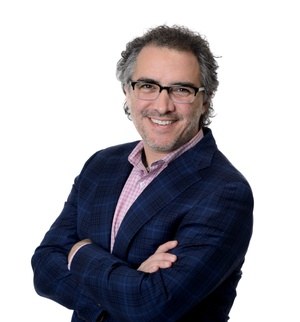
Dr. Lee Ponsky
Behind the scenes of podcast creation with Dr. Gregory Hall
With Dr. Gregory Hall · hosted by Dr. Kenn Dowell
Educational content from recorded physician discussions — not medical advice. Talk to your (or your child's) care team about your situation.
Video
Public Policies to Address Obesity: Pediatric Obesity 2017
46 min · Published Feb 2018
Video
Everyday Stress: Child & Adolescent Obesity 2015
27 min · Published Jul 2017
Video
Manish Raiji, MD - 2024 Pediatric Bariatric Surgery Update Course
15 min · Published Feb 2024
Video
Pediatric Obesity Is a Disease: Treatment, Medications, Surgery & Equity in Care with Dr. Justin Ryder
Lurie Children's Hospital · 6 min · Published Mar 2026
Video
Postoperative Pediatric Pain Practice Post the Codeine Era: Peri-Operative...
61 min · Published Jul 2017
Video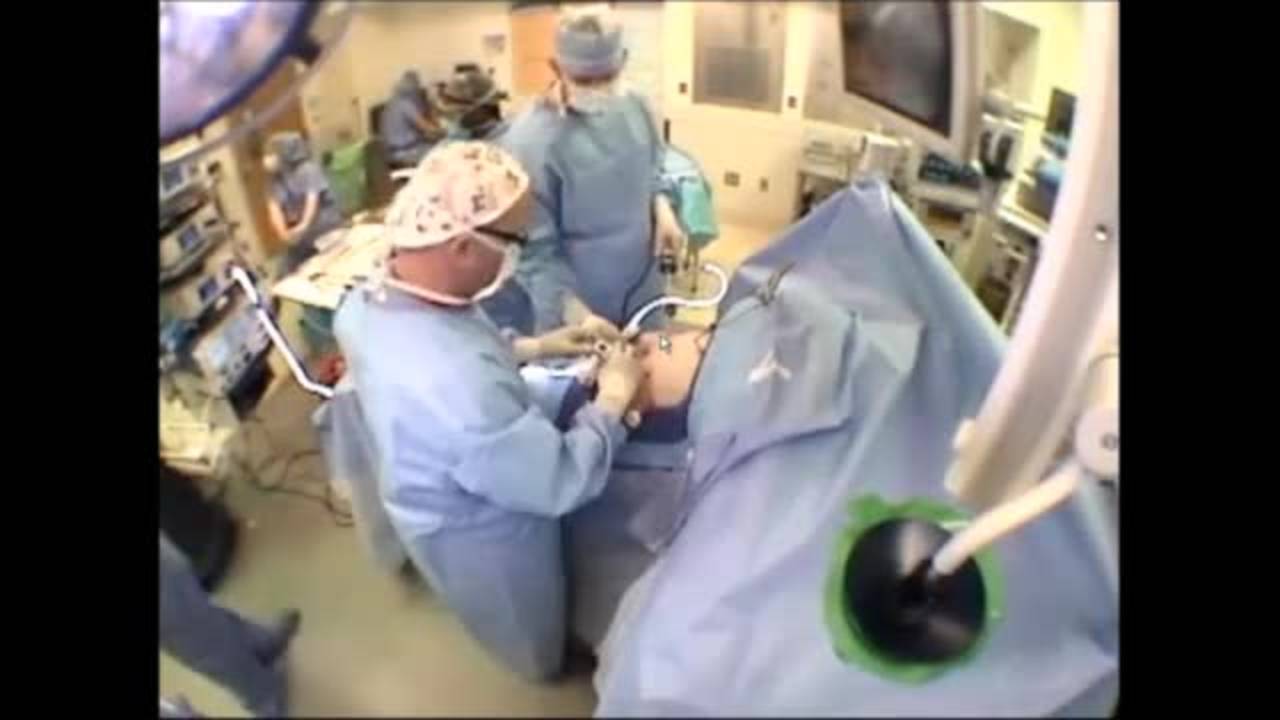
Bariatric Partial Gastrectomy Technique: Adolescent Obesity 2013
39 min · Published Jul 2017
Only a few other public items share this expert — go deeper there →
Podcast
S02EP22: Beyond Our Surgical Day Job with Dr. Lee Ponsky
Dr. Lee Ponsky · Published Oct 2025
Podcast
Essential urology for general surgeons with Drs. Ponsky and Cherullo
Dr. Lee Ponsky · 46 min · Published May 2023
Podcast
Update Course Rewind: Pectus Excavatum 2021
Dr. Lee Ponsky · 11 min · Published Aug 2022
Video
Dr. Lee Ponsky
Dr. Lee Ponsky · 1 min · Published Feb 2022
Podcast
Episode 9: Lee Ponsky, MD
Dr. Lee Ponsky · Published Jun 2021
Video
UH Urology: Hot Ones with Dr. Lee Ponsky- Chairman
Dr. Lee Ponsky · 28 min · Published Jul 2019
What the experts said
Kevin Hart has a YouTube channel with shows that include commercial integrations where he does product placements for brands like Old Spice during the content.
YouTube pays content creators when they bring more viewers to the platform.
Kevin Hart's show 'Cold as Balls' features interviews with athletes and actors conducted while sitting in ice tubs, with episodes lasting 15-20 minutes.
Dr. Hall has a podcast called 'Better Black Health.'
Podcast recording involves multiple restarts and takes to achieve the desired result.
Dr. Hall has been Dr. Dowell's physician for over 21 years, since before Dowell had children.
Dr. Hall's father was a dentist who practiced on Chester Avenue in Cleveland.
Dr. Hall grew up in Glenville at 88th and Saint Clair, on East Boulevard near the Cultural Gardens.
Dr. Hall is the youngest of 5 siblings.
Dr. Hall attended medical school in Toledo and did his residency at Cleveland Clinic.
Dr. Hall entered private practice around 2001 after Saint Luke's Hospital closed.
Dr. Hall has been in private practice for 20 years.
Dr. Hall started at University Hospital in early December at the Cutler Center for Men, which focuses on health disparities affecting men's longevity.
Men in general are not doing well health-wise and don't like going to the doctor or confronting health problems.
Dr. Hall's father had high blood pressure, suffered a stroke, and later required open heart surgery, all related to smoking.
Dr. Hall takes blood pressure medication daily as a preventive measure based on his family history.
Dr. Hall's medical office is located at 27155 Chardon Road in Richmond Heights, across from Richmond Hospital on the 3rd floor.
Dr. Hall previously offered tattoo removal services for people who regretted tattoos obtained in their youth, often from non-professional artists in urban areas.
Dr. Hall had a contract with the state to perform juvenile tattoo removal for teardrops, swastikas, and other regrettable tattoos.
Tattoo removal is no more painful than getting a tattoo.
Kenn Dowell weighed 398 pounds at a medical appointment and was told by Dr. Hall he was close to having a fatal heart attack.
Kenn Dowell was diagnosed with diabetes after initially testing negative but later developing symptoms of excessive thirst and urination.
Kenn Dowell lost 168 pounds after weight loss surgery.
Before weight loss surgery, Kenn Dowell was taking medications for high blood pressure, metformin for diabetes, and additional medication to protect his kidneys from metformin.
After weight loss, Kenn Dowell's diabetes improved, blood pressure came down, and he was able to discontinue multiple medications.
Some people cannot bring their blood pressure down without medication regardless of weight loss.
People featured on shows like 'My 600 Pound Life' all weighed normal amounts like 250 or 310 pounds at some point before progressive weight gain.
Family members are not in a position to repeatedly confront loved ones about health issues like smoking or weight without damaging relationships.
A BMI above 30 meets the medical definition of obesity.
A patient left Dr. Hall's practice after being told she was obese, but returned 2-3 years later having lost 150 pounds through Weight Watchers and becoming vegetarian.
Physicians must continue discussing health issues with patients repeatedly because there may be a window period when the patient becomes receptive to the message.
A 59-year-old family friend died within 6 months of being diagnosed with colon cancer that had spread to his liver, having never had a colonoscopy despite being 9-14 years overdue for screening.
Colonoscopy screening is indicated at age 45 for African Americans.
African American men are at increased risk for prostate cancer and need to track their PSA levels.
Colonoscopy screening starts at age 45 for everyone.
Polyps found during colonoscopy can turn into cancer later if not removed.
The Cutler Center for Men is redesigning the clinical environment to be less intimidating and more welcoming, without traditional waiting rooms or clinical barriers.
Many health assessments can be done through blood tests and conversation rather than requiring patients to undress for physical examination.
The Cutler Center for Men will be located in a new addition being built at University Hospitals.
The Cutler family donated substantial funding to improve men's health outcomes.
Financial status, family dynamics, and social habits all impact health outcomes.
A 25-year-old patient who smoked Black and Mild cigars was insulted when advised to quit smoking because he had never received health advice from a physician before.
PSA screening for prostate cancer should start at age 40 for African American men and be checked annually.
Men can develop breast cancer.
Women receive more healthcare than men because they access medical care more frequently, starting with prenatal and pediatric care for their children.
Women are more nurturing by nature, which extends to caring for their children and spouses' health.
Women become familiar with medical care at a younger age through annual Pap smears for cervical cancer screening.
Cervical cancer has been essentially eradicated due to screening programs.
Poor people are less likely to get healthcare than people with more money, but women are more likely to seek healthcare than men regardless of socioeconomic status.
Emergency room waiting rooms and primary care waiting rooms have more women than men.
The Cutler Center plans to establish a center specifically focused on African American men and minority men's health.
Life expectancy for African Americans (men and women combined) is 74 years based on 2018-2019 data.
Life expectancy for Hispanic/Latino Americans is 82 years.
Life expectancy for Asian Pacific Islander Americans is 86 years.
Asian Americans live on average 12 years longer than African Americans.
Life expectancy for African American men is 72 years and for African American women is 76 years.
When minorities are grouped together in health statistics, the poor health outcomes are primarily driven by African Americans and some Native Americans, not Asian Americans or Hispanic/Latinos.
Life expectancy for white Americans (combined) is 78 years.
Hispanic/Latino Americans and Asian Pacific Islander Americans live longer than white Americans.
Part of the health disparity issue is that African Americans are being compared to white Americans who also have men's health issues, rather than being compared to the longest-living group (Asian Americans).