

From
EUPSA/ERNICA
Transition of Care - Alcohol and Smoking
Chapter 1 of 4 · Patient & Family Education
Respiratory risks
Introduction and Respiratory Impact
Expert statements on this page
No expert statements were drawn from this page.
Host summaries · secondary, not cited in answers
Educational content from recorded physician discussions — not medical advice. Talk to your (or your child's) care team about your situation.
Video
PDC 2020 Practice Gaps
83 min · Published Sep 2020
Video
ERNICA Research Collaboration Webinar on Quality of Life
61 min · Published Nov 2023
Podcast
IFMSS 2019 Clinical Studies
19 min · Published Nov 2022
Video
Top Themes From The Stay Current App
Published Sep 2020
Video
CDH-ECMO Routine Patient Preoperative Workup, Timing, Technique: Update...
3 min · Published Nov 2015
Video
Journal of Pediatric Surgery Article Review: January 2022 - APSA Issue
Todd Ponsky · 13 min · Published Jul 2026
Video
What is Gastroschisis? An ERNICA animation for parents and families
2 min · Published Dec 2023
Video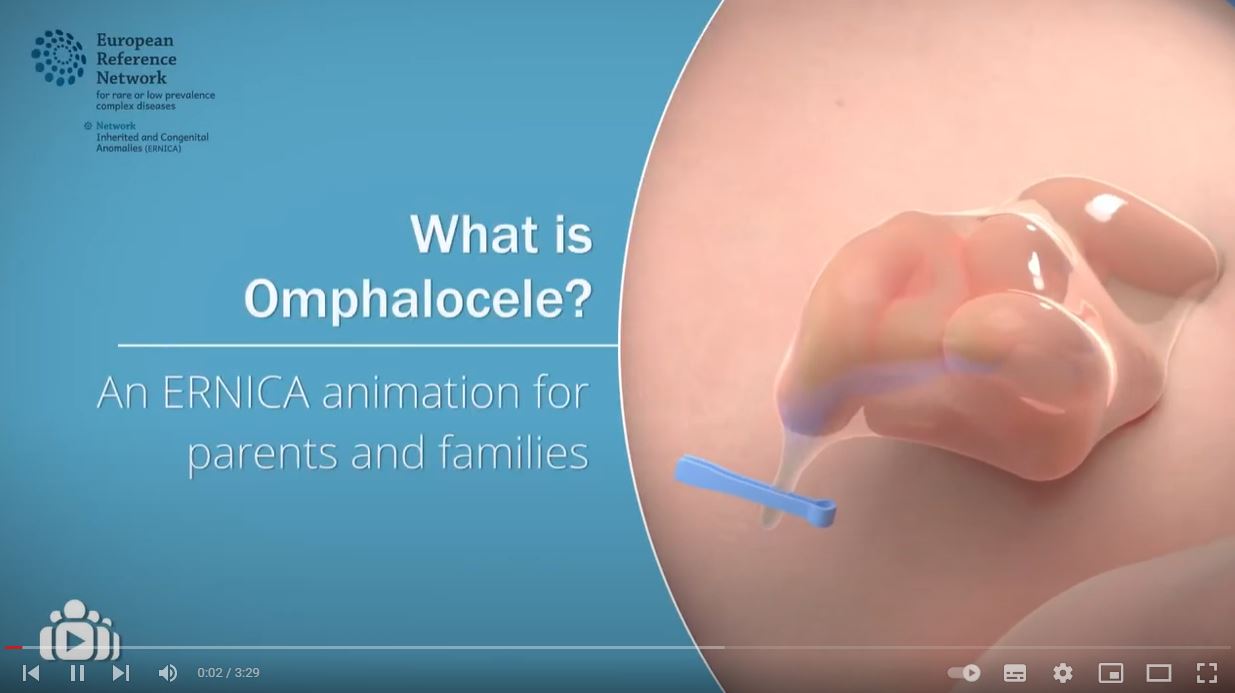
What is Omphalocele? An ERNICA animation for parents and families
3 min · Published Dec 2023
Video
What is Congenital Diaphragmatic Hernia (CDH)? An ERNICA animation for parents and families
3 min · Published Dec 2023
Video
What is small bowel atresia?: An ERNICA animation for parents and families
4 min · Published Dec 2023
Video
Hirschsprung-associated enterocolitis in children: An ERNICA animation for parents and families
3 min · Published Dec 2023
Video
Surgical treatment for Hirschsprung’s Disease: An ERNICA animation for parents and families
3 min · Published Dec 2023
What the experts said
Individuals born with congenital anomalies such as congenital diaphragmatic hernia or esophageal atresia are at increased risk of gastroesophageal reflux, which can be worsened by both alcohol and smoking.
In the case of congenitally underdeveloped alveoli, smoking is a direct cause of emphysema, which can result in chronic airway inflammation.
Smoking can cause pulmonary hypertension, and individuals with congenital anomalies may already be at increased risk of this due to their condition.
Respiratory symptoms in patients with congenital anomalies cannot be unequivocally linked to smoking and may signal congenital lung disease, which should be considered when deciding on the patient's treatment plan.
Alcohol and smoking both lower the tone of the oesophageal sphincter, thus increasing gastroesophageal reflux and subsequently the risk of Barrett's esophagus and esophageal cancer.
Alcohol and smoking are both related to the development of esophageal squamous carcinoma.
Those who have had fundoplication surgery might face some difficulties vomiting in case of excessive alcohol consumption.
Drinking alcohol can result in the development of fatty liver disease, subsequent cirrhosis and liver failure due to portal hypertension.
Patients with intestinal failure may be receiving parenteral nutrition for long periods, which has already been found to be linked to fatty liver disease.
Smoking can lead to arterial stenosis, which can impair kidney function.
Kidney function can already be impaired for patients with congenital anomalies such as intestinal failure and VACTERL association.
Smoking is linked to bladder cancer.
Smoking and alcohol can both lower the intestinal transit time, which can have a negative impact for patients with intestinal failure, especially short bowel syndrome, and patients with anorectal malformations and Hirschsprung's disease requiring complex bowel management.
Alcohol can alter the gut microbiome and may correlate with a higher incidence of early onset colorectal cancer for patients with congenital intestinal diseases.
For patients with intestinal failure specifically, alcohol needs to be viewed as an additional sugar source.
Bowel absorption capacity may be increased for patients with intestinal failure, meaning that individuals require lower quantities of alcohol to feel the effects.
Clinicians should be encouraged to share information on how alcohol and smoking can affect patients with congenital anomalies, so that patients can make an informed choice.