


From
StayCurrent Espanol
Revisión bibliográfica sobre atresia esofágica: manejo quirúrgico y complicaciones
Chapter 1 of 5
Vagus preservation
Introduction and vagus nerve preservation
Expert statements on this page
No expert statements were drawn from this page.
Host summaries · secondary, not cited in answers
Educational content from recorded physician discussions — not medical advice. Talk to your (or your child's) care team about your situation.
Video
Glycopyrrolate for Anastomtic Dehiscence in Esophageal Atresia
2 min · Published May 2017
Podcast
Esophageal atresia overview: types, VACTERL association, and surgical management
10 min · Published Sep 2022
Podcast
Case Based Journal Review: Esophageal Atresia in 2022
17 min · Published Aug 2022
Video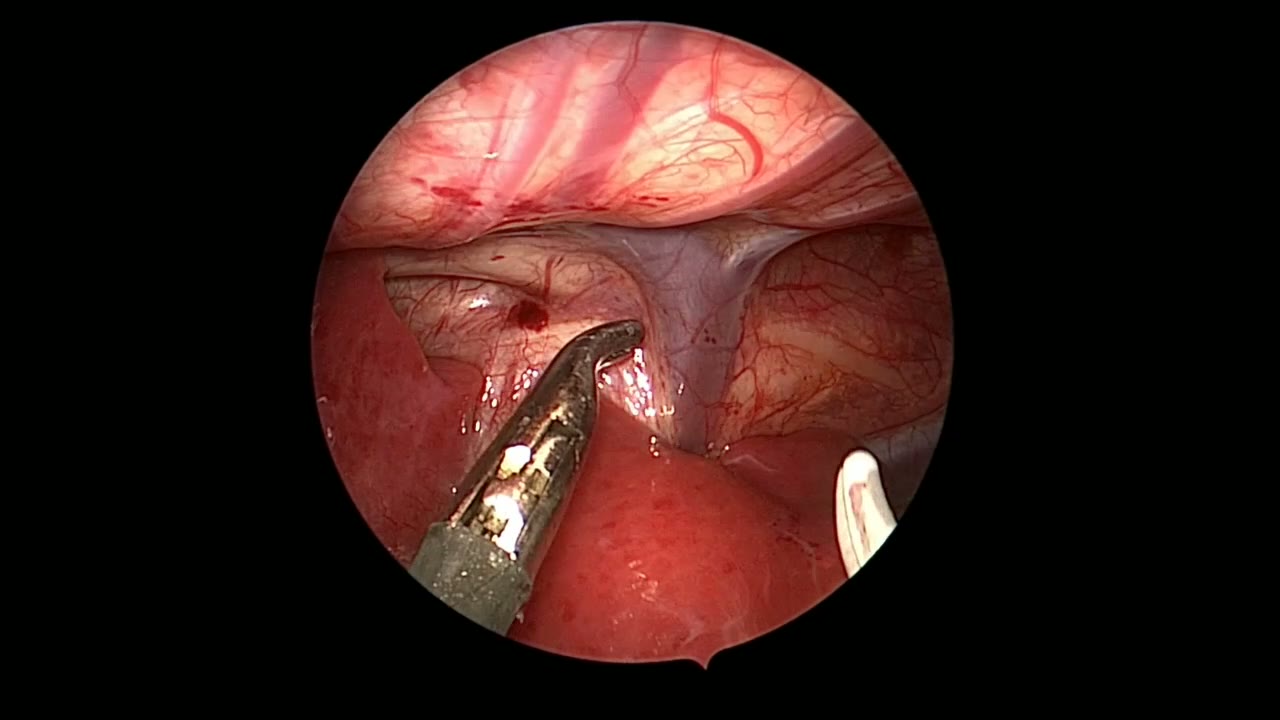
Thoracoscopic Tracheoesophageal Fistula Repair: Upper Pouch Mobilization and Anastomosis
Dr. Steve Rothenberg · 2 min · Published May 2026
Video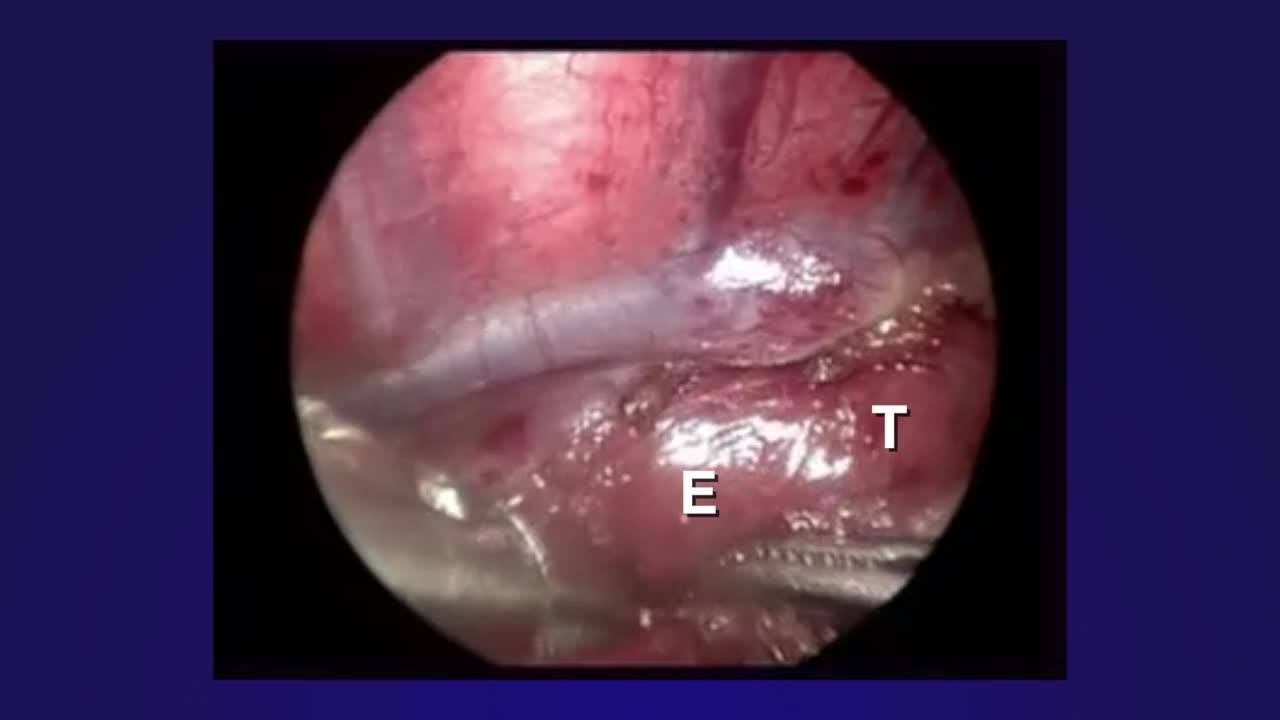
Thoracoscopic Repair of Esophageal Atresia with Distal Tracheo-esophageal...
5 min · Published Feb 2020
Video
Posterior Tracheopexy during Primary Esophageal Atresia Repair
Published Sep 2018
Video
Volumen testicular en la pubertad en niños con criptorquidia congénita aleatorizados a tratamiento en diferentes edades
1 min · Published Jul 2024
Video
Cuidado de transición en malformación anorrectal y enfermedad de Hirschsprung
1 min · Published Jul 2024
Video
Exploración laparoscópica trancística del conducto biliar común en pacientes pediátricos con coledocolitiasis
1 min · Published Jul 2024
Video
Características clínicas y pronóstico de la atresia de vías biliares con niveles bajos de metaloproteinasa 7 de la matriz sérica
55 s · Published Jul 2024
Video
Reglas de predicción PECARN para imágenes por TC de niños que acuden al servicio de urgencias con traumatismo craneoencefálico menor o abdominal cerrado
58 s · Published Jul 2024
Video
El cese del tratamiento con antibióticos para la apendicitis complicada en el momento del alta no aumenta el riesgo de infección posoperatoria
55 s · Published Jul 2024
What the experts said
Postoperative esophageal stenosis occurs in general with early feeding, typically within days of the procedure
The limitation of the drainage paper is that it does not clearly explain the differences in the repairs
There is much controversy regarding the use of acid suppression therapy because there is no control of how much is used and no clear indication for its use
Comparison of patients with vagus nerve preservation versus non-preservation shows no relationship between preservation status and esophageal stenosis rates
Vagus nerve preservation status shows no relationship with anastomotic leak rates
Vagus nerve preservation status shows no relationship with pneumonitis rates in patients
The recommendation is to preserve the vagus nerve during esophageal atresia repair
A systematic review evaluated the benefit of drainage placement in neonates with esophageal atresia repair, analyzing approximately eight studies
There was no difference in postoperative complications between patients who had drainage and those who did not
There was no difference in pneumonia rates between patients with and without drainage
Patients with drainage had a higher mortality rate compared to those without drainage
Drainage does not show a difference in the development of leak
Drainage may have utility in the diagnosis of leak
Drainage placement may produce more complications overall
The association between acid suppression and stenosis is another problem, and the utility of acid suppression was not found in this work