
27 views 0 likes

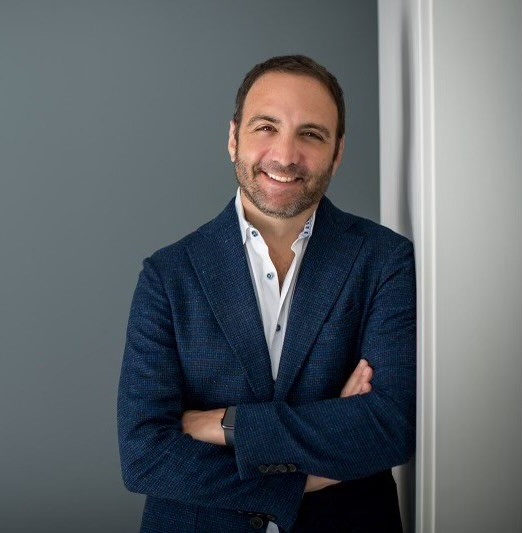
Dr. Todd Ponsky

Pediatric Surgery · View profile →

Update Course Rewind: Pediatric Biliary Stones - Surgery First Mindset 2024

Video Published 2025-07-22 Updated 2026-08-01

Timestops (20)

0:01
Global Cat MD along with Cincinnati Children's Hospital shar…
Global Cat MD along with Cincinnati Children's Hospital sharing knowledge to improve child health around the globe. Hell…
0:30
Now fall into three categories green circle for established …
Now fall into three categories green circle for established practice, blue square for promising newer practice, and blac…
0:52
We have definitely seen anecdotally and
We have definitely seen anecdotally and, and via literature, stone disease is really increasing along with obesity and, …
1:11
Total bilirubin is 2
Total bilirubin is 2.3, a little bit of an elevated lipase, not bad. Ultrasound is dilated. Uh, it shows a dilated commo…
1:25
There are essentially two main approaches when a patient has…
There are essentially two main approaches when a patient has stones in the common bile duct and also needs their gallbla…
1:50
Well
Well, I don't disagree, but I think it depends in the setting in which you reside and your own technical capabilities. N…
2:11
We've just recently published some work showing that a surge…
We've just recently published some work showing that a surgery-first pathway, or at least that mindset and embracing tha…
2:36
A lot of the times
A lot of the times, before a gastroenterologist does the ERCP, the patient has had an ultrasound or they've had an MRCP.…
3:05
It adds morbidity to a procedure
It adds morbidity to a procedure, potential morbidity, and so we know that as good as you are at ERCP, you're going to g…
3:30
I don't know the tricks.
I don't know the tricks. I've done very few in my career, so pediatric surgeons or general surgeons. I have to step up o…
3:50
In this paper published in JPS
In this paper published in JPS, they demonstrated that with a surgery first mindset, the stone clearance rate reflected …
4:11
That's the dirty little secret is like
That's the dirty little secret is like, let's do something that, that I think is accessible to everybody. 85% is terrifi…
4:38
At our institution
At our institution, they call me from the OR and they say, hey, come look at this IOC. We haven't been able to clear the…
5:00
This is just an example pathway that came out of Vanderbilt.
This is just an example pathway that came out of Vanderbilt. You can pause the video and review it in detail. The first …
5:26
I think it really depends on what you see on your IOC as wel…
I think it really depends on what you see on your IOC as well. If you've got a common bile duct that's chock full of 3 o…
5:51
lipase is normal.
lipase is normal. MRCP reveals stones in the common bowel. What is your next step? I think in our institution, the lab C…
6:02
They're going to potentially try to flush.
They're going to potentially try to flush. Doctor Vitale cautions that when flushing, if a stone is impacted, there's a …
6:25
In these patients just by flushing contrast into that pancre…
In these patients just by flushing contrast into that pancreatic duct, uh, with a stone and so when you're attempting th…
6:54
And reduce need for preoperative imaging like MRCP.
And reduce need for preoperative imaging like MRCP. The decision between surgery and ERCP depends on institutional resou…
7:25
Global Cat MD along with Cincinnati Children's Hospital
Global Cat MD along with Cincinnati Children's Hospital, sharing knowledge to improve child health around the globe.

Topic Overview

A panel discussion on managing pediatric biliary stones, advocating a surgery-first approach with laparoscopic cholecystectomy and intraoperative cholangiogram (IOC) rather than preoperative ERCP. The speakers present evidence that surgery-first achieves 86% stone clearance with IOC alone, rising to >90% with simple adjuncts like flushing or sphincter reaming, while avoiding the 10% ERCP-related complication rate (pancreatitis, cholangitis, bleeding). They acknowledge that institutional resources and surgeon skill determine feasibility, and emphasize the need for equipment preparedness and caution during flushing to avoid inadvertent pancreatic duct injection.

Key Takeaways

  • Surgery-first with IOC achieves 86% stone clearance, rising to >90% with simple adjuncts like flushing or sphincter reaming. (3:50)
  • ERCP carries 10% complication rate (pancreatitis, cholangitis, bleeding) even when performed well. (3:02)
  • For failed intraoperative clearance (15%), clip cystic duct and perform ERCP within 1-2 days; use endo-loop if same-day ERCP planned. (4:17)
  • Equipment preparedness is critical—have all tools in one place, as OR staff won't know what to retrieve on the fly. (5:15)
  • During flushing, inadvertent pancreatic duct injection risks pancreatitis; if duct lights up on IOC, slow down immediately. (6:03)

Inside this episode

Kai, the Library's AI content creator, listened to this episode and mapped who's speaking, the chapters, key claims, and cases. Every item links to the exact moment in the recording.

AI-enriched

Who's speaking

  • Speaker 1 — host
  • Em Goddy — host
  • Speaker 3 — guest
  • Speaker 4 — guest

Chapters

  • 0:01Introduction and Course Context — Introduction to the 12th annual update course in pediatric surgery (August 2024) and the new classification system for practice-changing ideas (green circle/established, blue square/promising, black diamond/early adopter). This session on surgery-first for biliary stones is classified as green circle (established practice).
  • 1:06Case 1: Surgery-First vs ERCP-First Approach — 15-year-old with RUQ pain, elevated bilirubin, dilated CBD with stone on ultrasound. Discussion of two approaches: ERCP-first vs surgery-first with IOC. Panel advocates surgery-first, citing recent publication showing reduced resource utilization including MRCP. Predictive scoring systems can guide pathway selection.
  • 2:59ERCP Complications and Stone Clearance Rates — Discussion of ERCP-related morbidity (10% pancreatitis rate) and surgery-first outcomes. Stone clearance with IOC alone is 86%, rising to >90% with simple adjuncts (flushing, sphincter reaming). Management of the 15% unsuccessful cases: clip/endo-loop and postoperative ERCP within 1-2 days, or same-day ERCP if available.
  • 5:00Technical Considerations and Equipment — Learning curve for intraoperative stone removal is manageable. Success depends on having all equipment pre-assembled. IOC findings guide approach: multiple impacted stones may require GI consultation rather than surgery-first attempt.
  • 5:43Case 2: Sickle Cell Patient and Flushing Risks — 8-year-old with sickle cell disease, elevated bilirubin, CBD stones on MRCP. Surgery-first approach with IOC and cautious flushing. Key warning: flushing an impacted stone can inadvertently inject contrast into pancreatic duct, causing pancreatitis. Study cited showing 86% success rate for surgery-first vs 10% complication rate for ERCP.
  • 6:45Summary and Conclusions — Surgery-first approach achieves 86% stone clearance, reduces need for preoperative MRCP, and avoids ERCP complications in many cases. Decision depends on institutional resources and surgical skill. Surgeons must have equipment ready and exercise caution during flushing to avoid pancreatic duct injury.

Key claims

  • 0:52Stone disease is increasing along with obesity in pediatric patients around the world, not just in the United States — Em Goddy
  • 1:25There are two main approaches for CBD stones requiring cholecystectomy: ERCP first followed by laparoscopic cholecystectomy, or surgery-first with IOC to identify and potentially remove stones during the same surgery — Em Goddy
  • 1:50The choice between surgery-first and ERCP-first depends on the setting and the surgeon's technical capabilities — Speaker 4
  • 2:11A surgery-first pathway reduces resource utilization, including MRCP — Em Goddy
  • 3:02ERCP adds potential morbidity, with a pancreatitis rate of 10% even when performed well — Em Goddy
  • 3:16If a surgeon cannot perform a cholangiogram, then ERCP is necessary if available — Em Goddy
  • 3:23Many pediatric surgeons lack confidence in intraoperative stone removal because they have been spoiled by ERCP availability and have done very few cases — Speaker 3
  • 3:37Pediatric surgeons need courses to learn the tricks of intraoperative stone removal — Speaker 3
  • 3:44If you know how to put in a central line and understand Seldinger technique, you can perform intraoperative stone removal — Em Goddy
  • 3:50With a surgery-first mindset, stone clearance rate reflected by negative IOC was 86% — Em Goddy
  • 4:01With simple adjuncts like advancing the catheter into the CBD or reaming the sphincter, success rate rises to the 90s — Em Goddy
  • 4:17For the 15% of unsuccessful cases, the plan is to clip the cystic duct, close, and have ERCP performed within the next day or two, or same-day in the OR if an endoscopist is available — Em Goddy
  • 4:56An endo-loop may be used instead of a clip when ERCP is planned, to facilitate subsequent endoscopic access — Em Goddy
  • 5:06The learning curve for intraoperative stone removal is manageable: the first few times are difficult, but after a few cases it becomes easier and even enjoyable — Em Goddy
  • 5:15The biggest key to success is having all necessary equipment in one place, because OR staff will not know what to get on the fly — Em Goddy
  • 5:26Success depends on IOC findings: a CBD chock full of 3-4 impacted stones is typically not amenable to surgery-first approach — Em Goddy
  • 6:03When flushing an impacted stone, there is a risk of inadvertently injecting contrast into the pancreatic duct, which can increase the risk of pancreatitis — Em Goddy
  • 6:15If the pancreatic duct lights up during flushing, that is a signal to slow down and be careful to avoid causing pancreatitis — Em Goddy
  • 6:33A study demonstrated 86% success rate for surgery-first, while the ERCP group had a 10% complication rate including cholangitis, bleeding, pancreatitis, and hemophilia — Em Goddy

Cases discussed

  • 1:0615-year-old female with 24-hour history of colicky RUQ pain, elevated bilirubin and lipase, dilated CBD (1.9 cm) with visualized stone on ultrasound
  • 5:438-year-old with sickle cell disease, elevated bilirubin (baseline ~6, now 10-12), normal lipase, MRCP showing CBD stones

Open questions

  • How can pediatric surgeons gain sufficient training and experience in intraoperative stone removal techniques when ERCP availability has reduced their exposure to these cases?
  • What is the optimal management pathway for patients with multiple impacted CBD stones where surgery-first is less likely to succeed?
  • What institutional resources and infrastructure are minimally necessary to implement a surgery-first pathway safely?
This episode was analyzed and enriched by Kai, the Library's AI content creator. Every item links to the moment it comes from — click a timestamp to listen in context.
Written for:

Surgery-First for Pediatric CBD Stones: When Flushing Beats ERCP

The patient case from this episode, retold from presentation to outcome with the decisions made along the way. Written by Kai from the episode transcript and reviewed before publishing.

For the care team · Case narrative · AI-written, human-reviewed

The Presentation

A 15-year-old girl presented with 24 hours of colicky right upper quadrant pain 0:52. Her total bilirubin was 2.3, lipase mildly elevated, and ultrasound showed a dilated common bile duct at 1.9 cm with a visible stone [case1]. The question was not whether she needed intervention — it was which intervention to do first.

The Decision Point

Two pathways exist for common bile duct stones requiring cholecystectomy 1:25. The traditional approach: ERCP first to clear the duct, then laparoscopic cholecystectomy days later. The alternative: proceed directly to laparoscopic cholecystectomy with intraoperative cholangiogram, attempt stone clearance during the same operation, and reserve ERCP for failures. The choice hinges on the surgeon's technical capability and institutional resources 1:50, but the surgery-first pathway reduces resource utilization — including the need for MRCP — and consolidates care into a single anesthetic event 2:11.

ERCP carries a 10% pancreatitis rate even when performed well 3:02. For a straightforward case like this one, that risk is avoidable. If the surgeon cannot perform an intraoperative cholangiogram, ERCP becomes necessary 3:16. But many pediatric surgeons lack confidence in intraoperative stone removal not because the technique is difficult, but because ERCP availability has left them undertrained 3:23. One discussant admitted plainly: "I don't feel I'm great at stone removal intraoperatively because I've been so spoiled with ERCP. I don't know the tricks. I've done very few in my career" [q1]. The technical barrier is lower than perceived. If you can place a central line and understand Seldinger technique, you can do this 3:44.

What They Did

The team proceeded with laparoscopic cholecystectomy and intraoperative cholangiogram. With a surgery-first approach, stone clearance reflected by negative IOC succeeds in 86% of cases 3:50. Simple adjuncts — advancing the catheter into the CBD, flushing with controlled pressure, reaming the sphincter — push success rates into the 90s 4:01. The learning curve is manageable: the first few attempts are difficult, but after a handful of cases the technique becomes routine and even enjoyable 5:06. The critical preparation is logistical, not technical. Success depends on having all necessary equipment assembled in one place, because OR staff will not know what to retrieve on the fly 5:15.

For the 15% of cases where intraoperative clearance fails, the plan is straightforward: clip the cystic duct, close, and proceed to ERCP within the next day or two — or same-day in the OR if an endoscopist is available 4:17. An endo-loop may be used instead of a clip when ERCP is anticipated, to facilitate subsequent endoscopic access 4:56. The surgery-first approach does not eliminate ERCP; it reserves it for cases that need it.

The Caveat

IOC findings determine feasibility. A CBD packed with three or four impacted stones is typically not amenable to surgery-first clearance 5:26. In those cases, calling for ERCP is the correct decision. The other risk is inadvertent pancreatic duct injection during flushing. When a stone is impacted and you flush contrast under pressure, the contrast can reflux into the pancreatic duct, increasing pancreatitis risk 6:03. If the pancreatic duct lights up on fluoroscopy, that is a signal to slow down and reduce flush pressure 6:15. "I think as soon as you start seeing that pancreatic duct light up, that is a signal to slow down on your flush, be careful because you can cause pancreatitis" [q4].

What the Case Changes

A published series demonstrated 86% success for surgery-first, while the ERCP group had a 10% complication rate including cholangitis, bleeding, pancreatitis, and hemophilia 6:33. The surgery-first pathway is not about eliminating endoscopy — it is about reserving it for failures rather than leading with it. For the majority of pediatric CBD stones, a single operation with intraoperative cholangiogram and simple clearance techniques avoids a second procedure, a second anesthetic, and the baseline morbidity of ERCP. The technical skill required is accessible to any surgeon comfortable with wire-based techniques. The barrier is not capability — it is habit.

Takeaways from this story

  • Surgery-first for CBD stones achieves 86% clearance with IOC alone, rising to 90%+ with simple adjuncts like catheter advancement or sphincter reaming.
  • ERCP carries 10% pancreatitis risk even when performed well; surgery-first reserves it for the 15% of cases that need it rather than leading with it.
  • If the pancreatic duct lights up during flushing, reduce pressure immediately — contrast reflux into the pancreatic duct increases pancreatitis risk.
  • The technical barrier is lower than perceived: if you can place a central line using Seldinger technique, you can perform intraoperative stone clearance.

Keywords

Hashtags

Transcript

Comments

Loading comments…