


From
StayCurrentMD
Transtracheal approach for recurrent tracheoesophageal fistula repair
With Dr. Doug Van Altman · hosted by Dr. Jill Knepprath
Chapter 2 of 4 · Case-Based Learning
Case presentation
Case presentation and diagnostic findings
Cued at 0:48 · stops at 1:03 · press play
Expert statements on this page
No expert statements were drawn from this page.
Host summaries · secondary, not cited in answers
Educational content from recorded physician discussions — not medical advice. Talk to your (or your child's) care team about your situation.
Video
Update Course Rewind 2025: The Recurrent TEF Problem
2 min · Published Jul 2026
Video
2025 Pediatric Surgery Update Course - Updates in Management of Neck Pathologies
21 min · Published Aug 2025
Video
QUAD #6 Slide Tracheoplasty for TEF, Otolaryngology Approach with Dr. Mike Rutter
CCHMC Pediatric Surgery · 7 min · Published Mar 2024
Video
Update Course 2021: MAGNET THERAPY FOR ESOPHAGEAL ATRESIA
Dr. Steve Rothenberg · Published May 2022
Video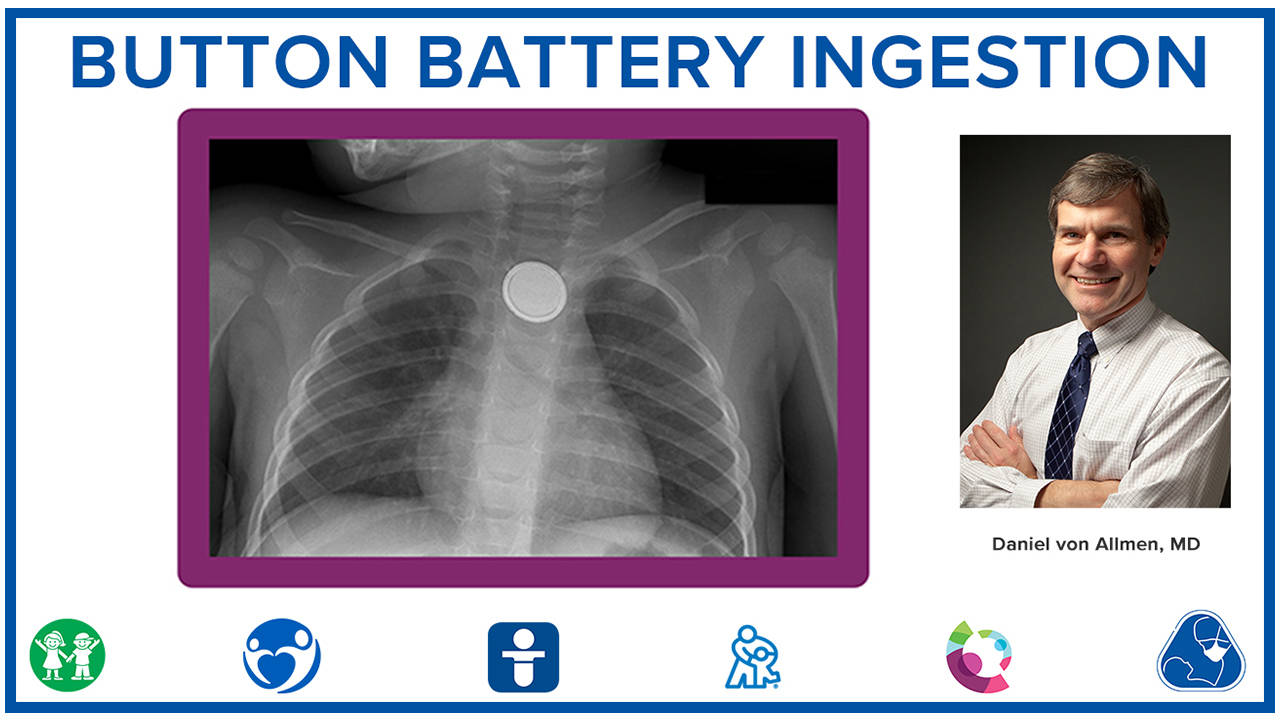
Button Battery Ingestion
14 min · Published Mar 2020
Video
QUAD #10 Pt.1: History of Thoracoscopic Repair of Esophageal Atresia (EA) & Tracheoesophageal Fistula (TEF) with Dr. Steve Rothenberg
Dr. Steve Rothenberg · 6 min · Published Jun 2024
Podcast
Diaphragm pacing as alternative to mechanical ventilation in pediatric respiratory failure
1 min · Published Nov 2026
Podcast
Fetoscopic endoluminal tracheal occlusion for congenital diaphragmatic hernia
4 min · Published Nov 2026
Podcast
FETO procedure for late-diagnosed severe CDH with liver herniation
4 min · Published Nov 2026
Podcast
Severe CDH case with FETO: unexpected anatomic findings and clinical outcome
3 min · Published Nov 2026
Podcast
Pediatric pancreatitis: diagnosis, causes, and genetic insights with Dr. Juan Gurria
3 min · Published Nov 2026
Podcast
Understanding craniosynostosis: skull sutures, growth patterns, and diagnosis in infants
10 min · Published Nov 2026
What the experts said
The seven-year-old patient had a history of TEF with prior repair and was presenting with chronic cough and food impaction.
The patient was referred for esophageal diverticulum and airway evaluation was performed.
Esophagoscopy showed the esophageal anastomosis with a ledge formation and dilated upper pouch.
Bronchoscopy revealed granulation tissue along the back wall of the airway.
Second fistulas or H-type fistulas can be very difficult to manage endoscopically.
Esophagram demonstrated mismatch and out-pouching at the anastomosis site.
The transtracheal technique involves performing a distal tracheotomy with ET tube placement, using bronchoscopy to localize the fistula level, then making a tracheotomy over the fistula site.
The surgeon works through the tracheotomy to divide the layers of the esophagus.
Recurrent laryngeal nerve injury is underreported.
True recurrent laryngeal nerve paralysis leads to muscle atrophy over time, resulting in long-term voice problems and potential aspiration issues.
Recurrent tracheoesophageal fistulas can develop years after initial repair.
Esophageal dilations were performed without improvement.
The recurrent laryngeal nerve is at risk of damage during repair of recurrent TEFs.
A transtracheal approach provides better surgical exposure and reduces risk to the recurrent laryngeal nerve.
The transtracheal approach minimizes injury to the recurrent laryngeal nerve.