
Thoracoscopic Upper Lobectomies for Symptomatic Congenital Pulmonary Airway...
Educational content from recorded physician discussions — not medical advice. Talk to your (or your child's) care team about your situation.
More about congenital pulmonary airway malformation
same diagnosisDive deeper → Congenital Pulmonary Airway Malformation (22 items)Video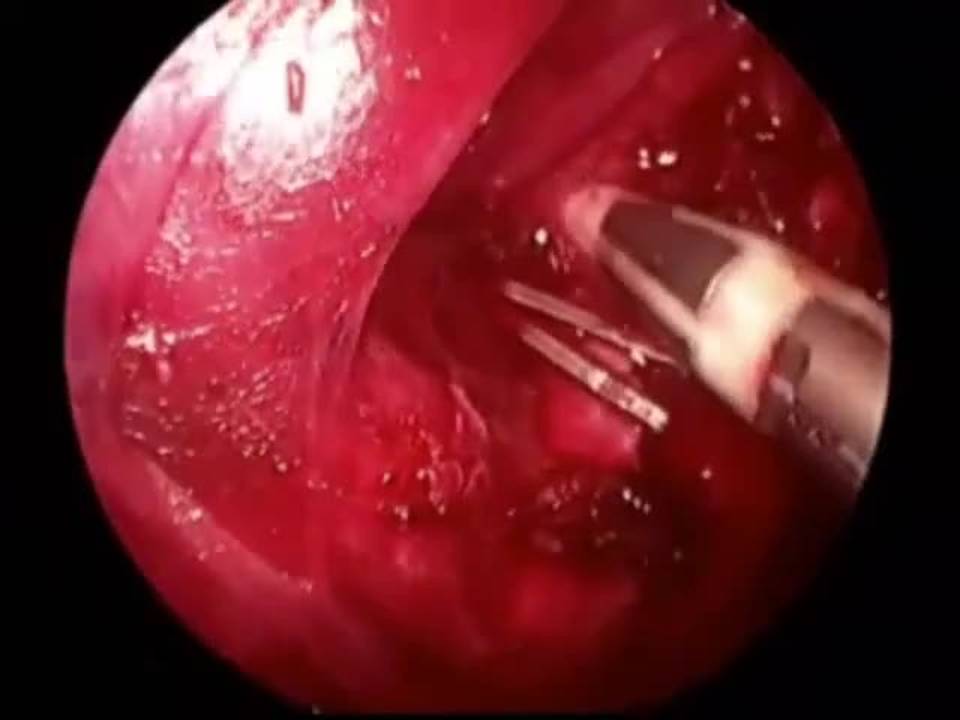
Thoracoscopic Upper Lobectomies for Symptomatic Congenital Pulmonary Airway...
5 min · Published Feb 2020
Video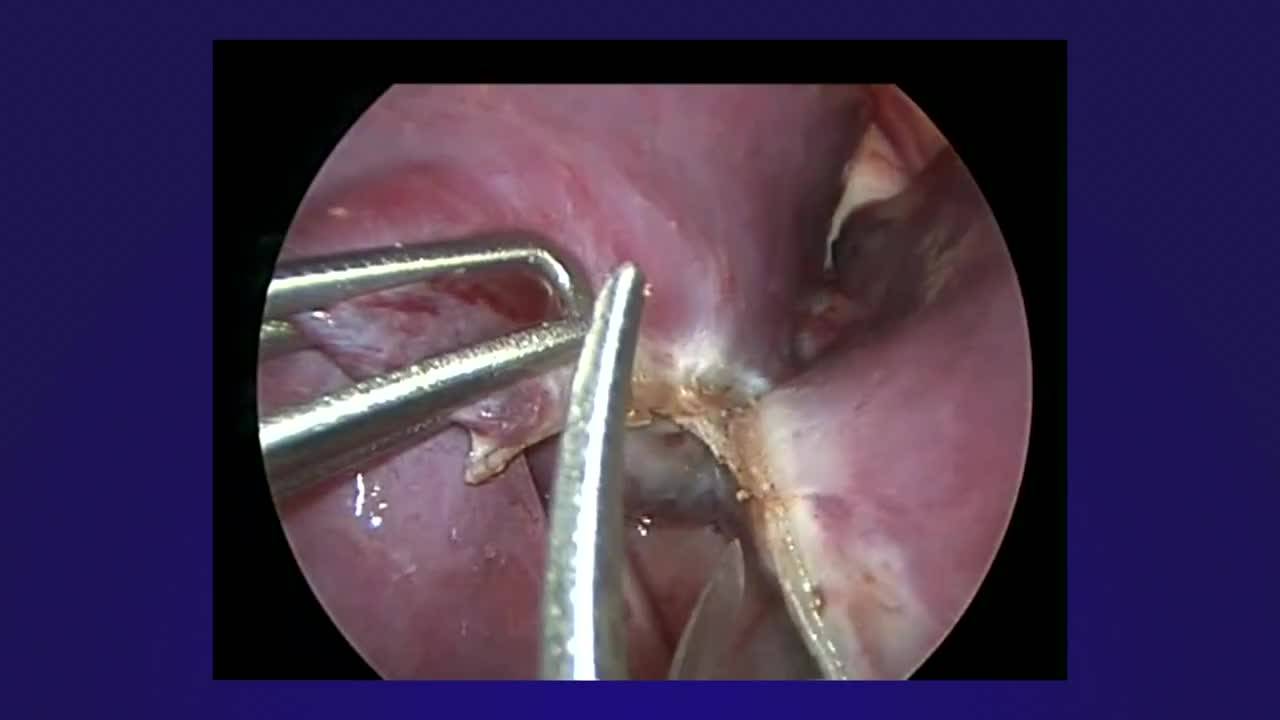
Thoracoscopic Left Lower Lobectomy for Congenital Pulmonary Airway Malformation
9 min · Published Feb 2020
Podcast
Case Based Journal Review - CPAM in 2022
12 min · Published Apr 2022
Video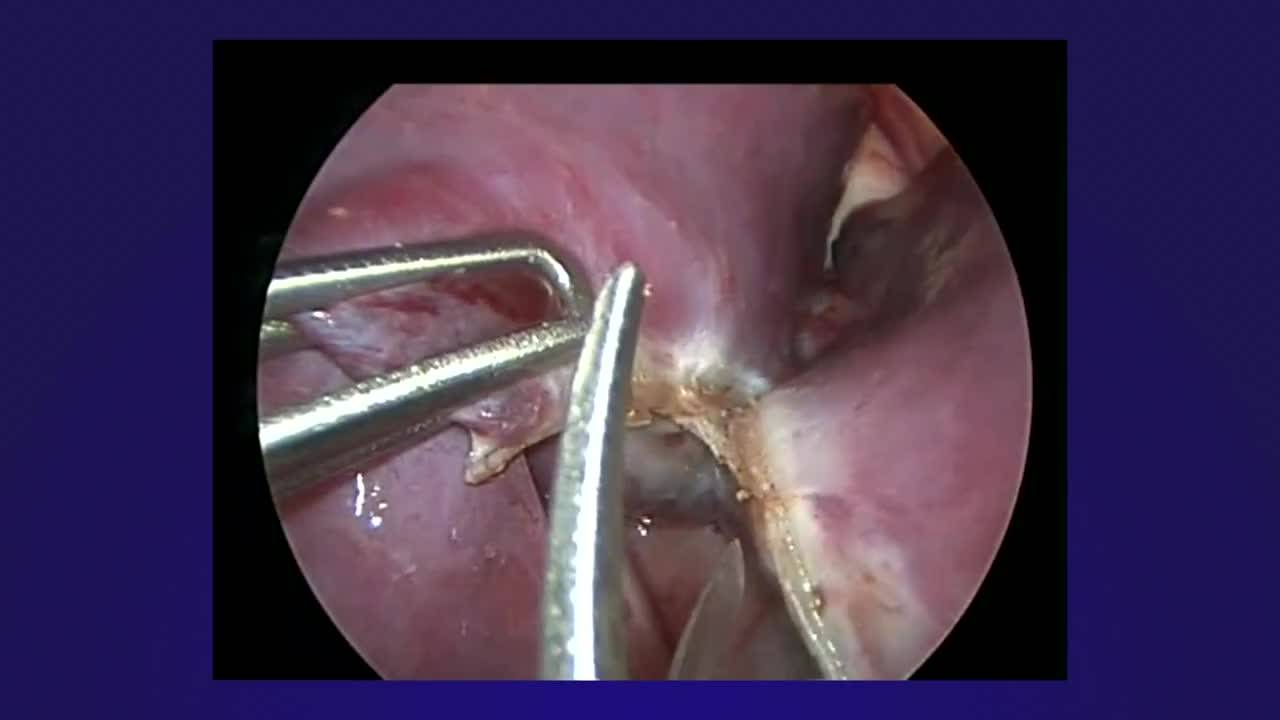
Thoracoscopic Left Lower Lobectomy for Congenital Pulmonary Airway Malformation
9 min · Published Feb 2020
Video
Clinical Symptoms Affect Treatment and Prognosis in Pediatric Patients with Congenital Pulmonary Airway Malformation
55 s · Published Dec 2023
Video
Quick Literature Updates Episode 18
4 min · Published Mar 2025
Video
Pediatric Surgical Oncology Research Collaborative (PSORC): Studying Rare Pediatric Tumors
56 s · Published May 2026
Video
Update Course Rewind 2025: Hirschsprung + ARM: Rare but Real
1 min · Published May 2026
Video
Update Course Rewind 2025: Hirschsprung + ARM: Rare but Real
1 min · Published May 2026
Video
Pooling Patients to Study Rare Pediatric Tumors: An Introduction to PSORC
56 s · Published May 2026
Video
The fetal frontier: A review of current and emerging fetal therapies for genetic diseases
44 s · Published May 2026
Video
Indocyanine green assists with sentinel lymph node mapping in pediatric and adolescent patients
1 min · Published May 2026
What the experts said
Pulmonary upper lobectomies are more technically challenging than lower lobectomies, especially following infection.
A dual lumen endotracheal tube and low flow chest insufflation were used to collapse the left lung.
Inflammatory adhesions can be seen between the left upper lobe and the chest wall.
The fissure is completed by dividing the pulmonary tissue starting anteriorly and proceeding posteriorly.
The superior pulmonary vein is identified but not divided initially to allow further cephalad retraction of the upper lobe.
A combination of clips and ligature is used to divide the segmental arteries.
Where distance allows, the segmental vessels are clipped proximally prior to division with the ligature.
10 millimeter clips are used to control each venous tributary separately.
The inferior pulmonary ligament is divided to allow the lower lobe to rise in the chest.
Left main stem intubation was used to isolate the right lung.
The arteries are much smaller in this younger child and can be taken with a ligature after deliberate dissection.
The superior pulmonary vein is identified in a slightly more superficial plane than the arteries.
The recurrent segmental artery to the upper lobe arising from the main pulmonary trunk is found in the fissure.
Both patients had excellent outcomes with complete expansion of the operated lung postoperatively.