

The Future of Surgical Education: A King, an Ox, & Elon Musk
With Dr. Sundar Pichai · hosted by Dr. Rod Gerardo & Dr. Todd Ponsky
Part of
Splenic Laceration 3 items
Chapter 5 of 8 · Emerging & Future Directions
Crowd wisdom
Solution Part 2: Crowd-Sourcing as Editorial Board
Cued at 9:54 · stops at 10:02 · press play
Expert statements on this page
No expert statements were drawn from this page.
Host summaries · secondary, not cited in answers
Educational content from recorded physician discussions — not medical advice. Talk to your (or your child's) care team about your situation.
Video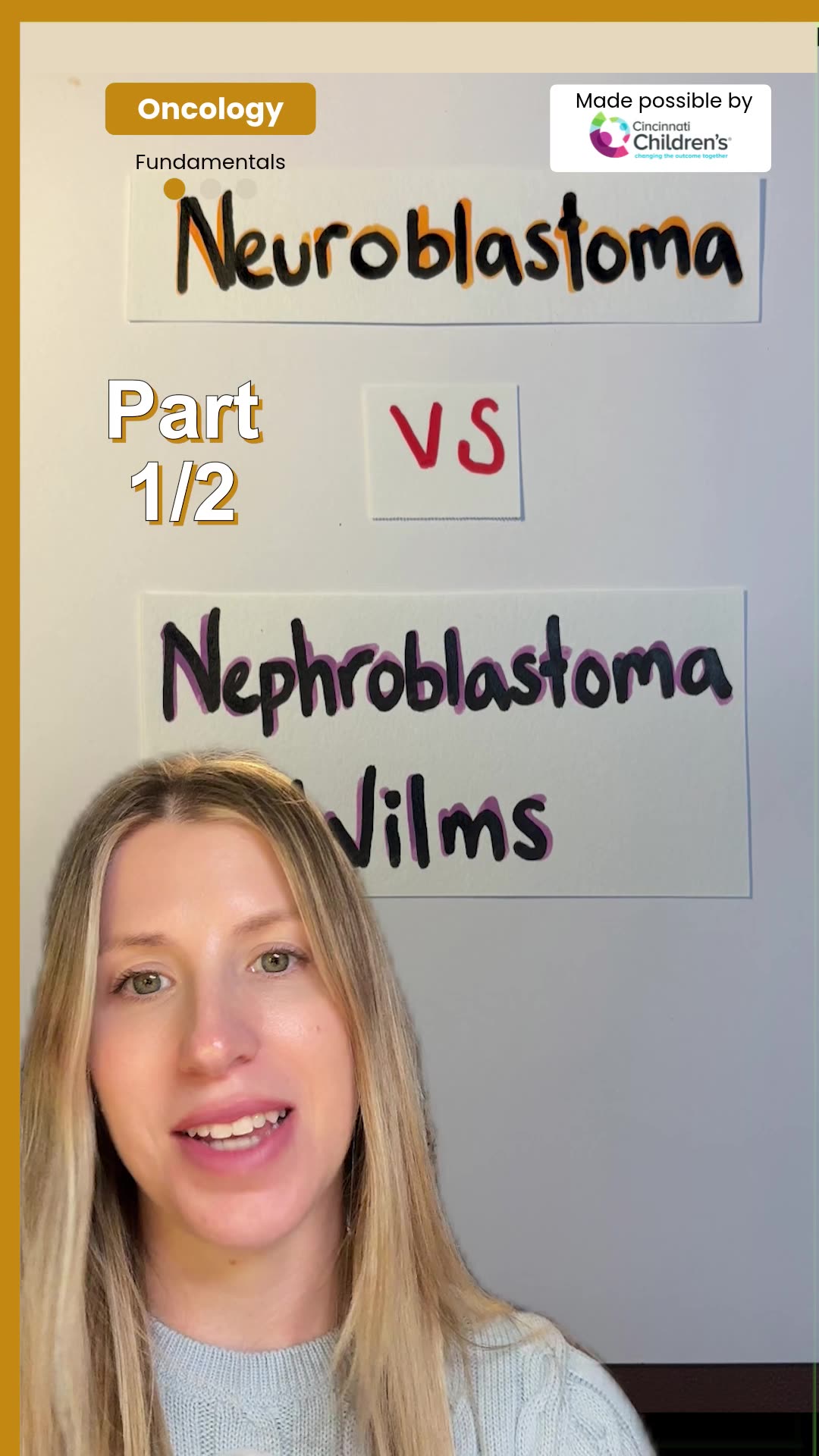
Neuroblastoma vs. Nephroblastoma (Wilms Tumor): Pediatric Surgery Differences Explained
3 min · Published Nov 2026
Video
Social Determinants of Health Influence on Survival in Wilms Tumor, Neuroblastoma, and Hepatoblastoma
1 min · Published Jan 2026
Video
Update Course Rewind: Staging and Management of Neuroblastoma 2022
Published Jun 2023
Podcast
Journal of Pediatric Surgery Article Review: The Disruption Score
12 min · Published Aug 2021
Video
The International Neuroblastoma Risk Group (INRG) staging system: an INRG Task Force report
59 s · Published Mar 2026
Video
Update Course 2021: TOP PUBLICATIONS IN NON - PED SURG JOURNALS
22 min · Published May 2022
What the experts said
In 1982, knowledge was doubling every 12 to 13 months.
In 2020, IBM predicts that knowledge will be doubling every 11 to 12 hours.
Textbooks are published about every 10 years or so.
Textbooks don't work because they're always going to be outdated now.
When a great article is published, it's impossible to identify because it's camouflaged by so much other stuff.
A natural language processing algorithm applied to 520 abstracts achieved an 85% negative predictive value for predicting when an article was rejected by the editorial board.
On Who Wants to Be a Millionaire, using the 50/50 option gives 50% odds of getting the answer right.
On Who Wants to Be a Millionaire, calling an expert friend gives 66% odds of getting the answer right.
Francis Galton asked 800 random people at a state fair to guess the weight of an ox; the average guess was 1,197 pounds and the actual weight was 1,198 pounds.
The traditional publishing process takes about a year from submission to publication.
There are more audiobooks being downloaded than digital print books from Amazon.
Nick Bruns presented at a SAGES conference to hundreds of people in the audience, but a week later when the content was published on social media, it reached 50,000 people.
TikTok is the fastest growing social media network because it delivers information in bytes of 30 seconds to 1 minute long.
Educational content duration preferences have shortened over time: from multi-day courses to half days, then 2 hours or 1 hour, and now people want content that's 1 minute long.
People can listen to audio content while multitasking—driving, working out, or between cases—which fits into the lifestyle of a busy surgeon.
In the 1950s, the doubling time of medical information was about 50 years.
Today, it takes about 70 days for the amount of medical information to double.
At the current rate of knowledge growth, you would have to update a textbook every day.
On Who Wants to Be a Millionaire, asking the audience gives 91% odds of getting the answer right.
A study of approximately 11,800 appendectomies found that resident involvement was associated with significantly increased cost (about $600) and operative time (about 10 minutes), but there was no significant difference in post-operative complications.