


From
StayCurrentMD
Open Malone and Mitrofanoff Procedure Using a Divided Appendix
With Dr. Steve Rothenberg
Chapter 2 of 4 · Surgical Management
Appendix division
Appendix division and mesoappendix window
Cued at 2:15 · stops at 2:27 · press play
Expert statements on this page
No expert statements were drawn from this page.
Host summaries · secondary, not cited in answers
Educational content from recorded physician discussions — not medical advice. Talk to your (or your child's) care team about your situation.
Video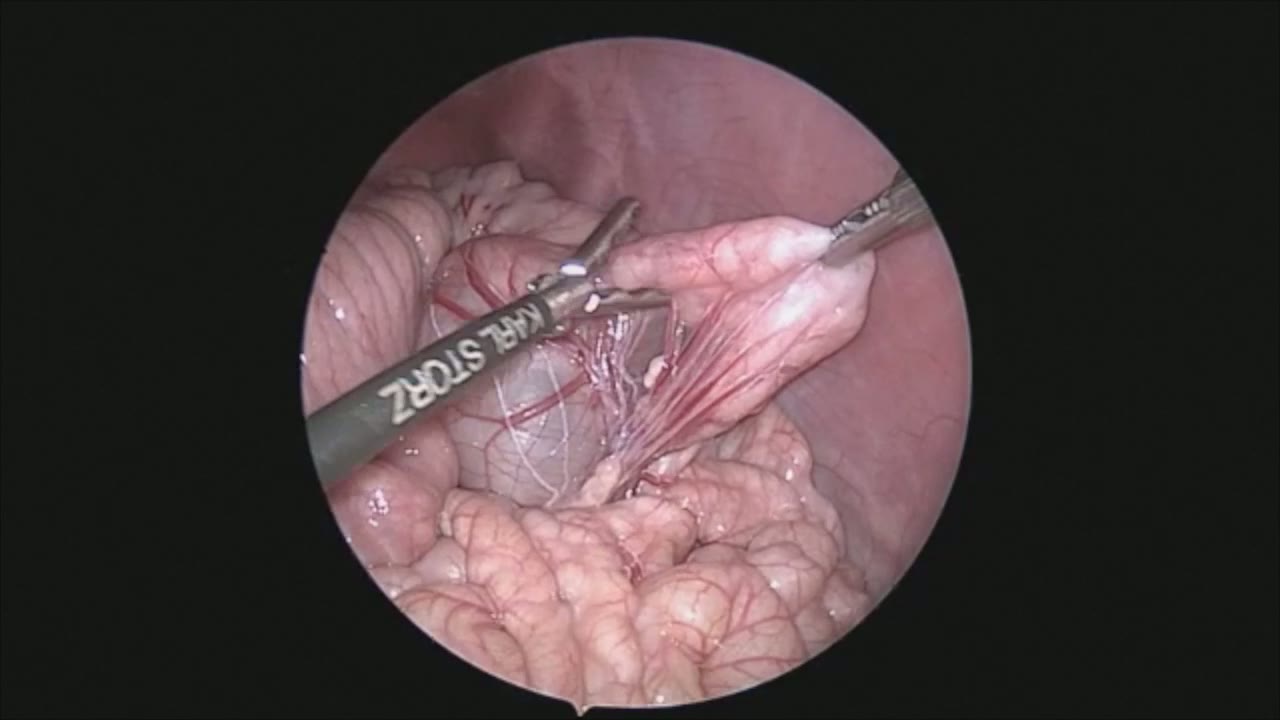
Laparoscopic Mesenteric and Short Gastric Dissection with a Vessel Sealer
Dr. Steve Rothenberg · 3 min · Published May 2026
Video
Laparoscopic Pyloromyotomy with a Reusable Handle and Disposable Blade
Dr. Steve Rothenberg · Published May 2026
Video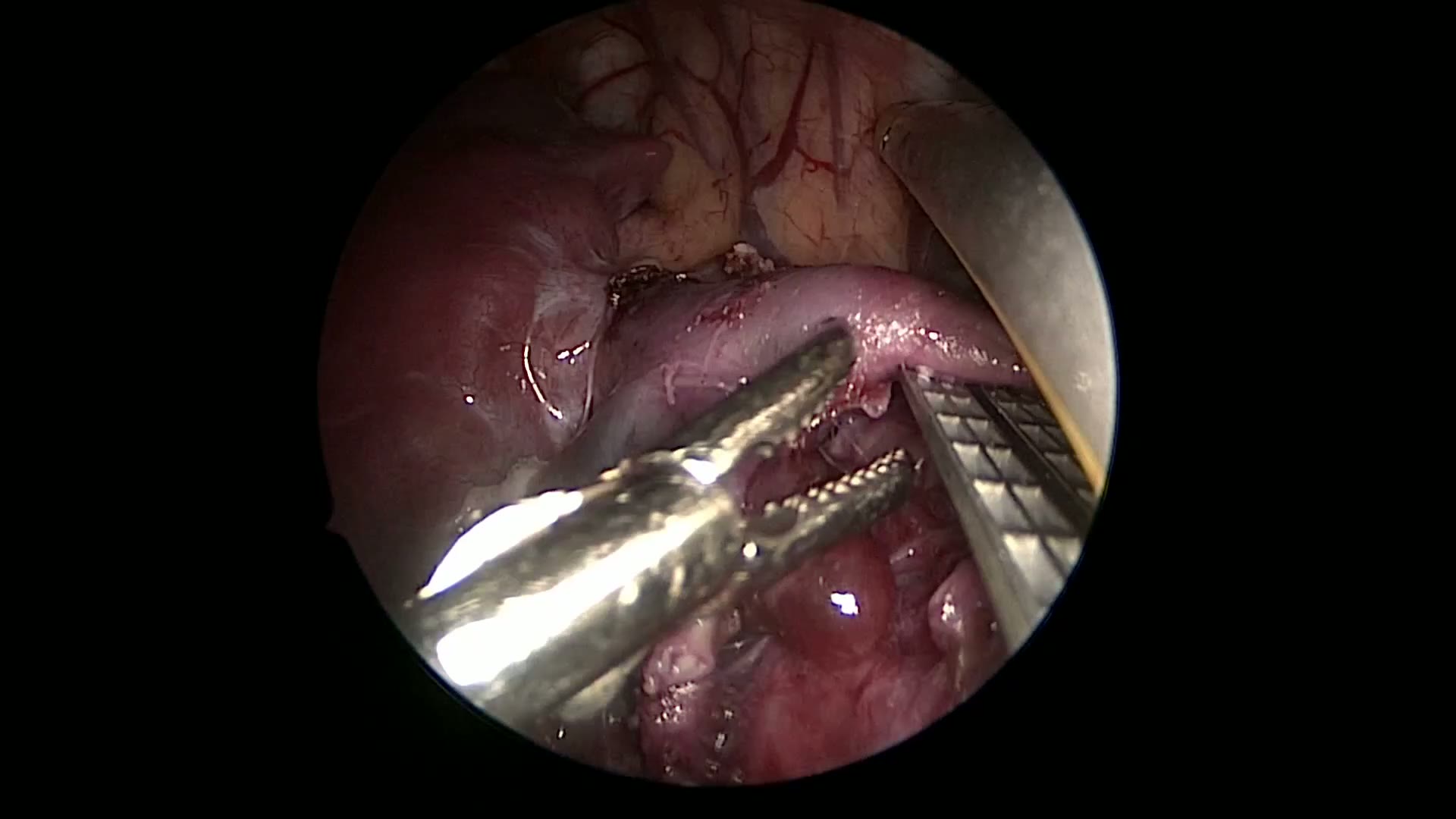
Thoracoscopic Stapling of the Left Lower Lobe Pulmonary Artery with a 5 mm Stapler
Dr. Steve Rothenberg · 9 s · Published May 2026
Video
Laparoscopic Plication of a Right Diaphragmatic Eventration in a 3-Month-Old
Dr. Steve Rothenberg · 6 min · Published May 2026
Video
Laparoscopic Redo Nissen Fundoplication in a 30 kg Child with the 3 mm Percuvance System
Dr. Steve Rothenberg · 5 min · Published May 2026
Video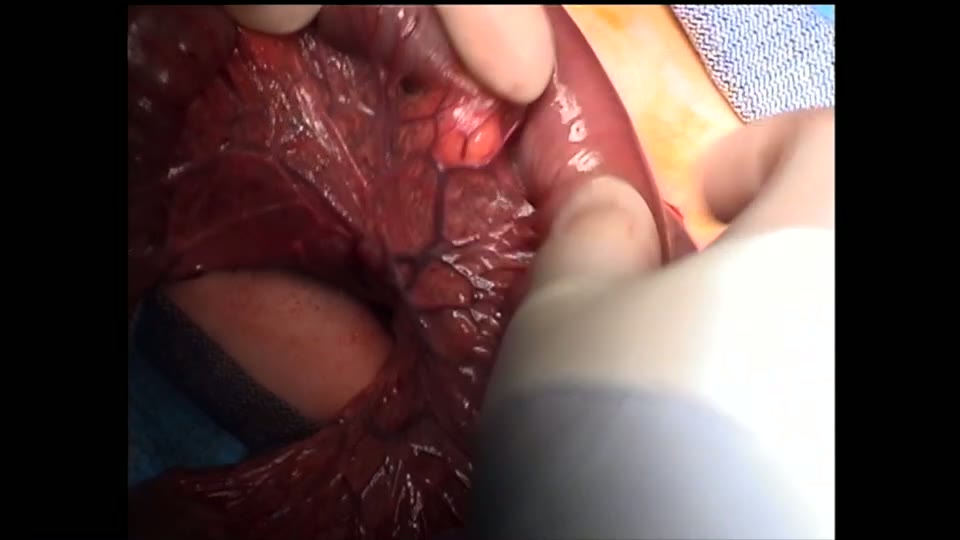
Open Bowel Anastomosis
Dr. Steve Rothenberg · Published May 2026
Podcast
Diaphragm pacing as alternative to mechanical ventilation in pediatric respiratory failure
1 min · Published Nov 2026
Podcast
Fetoscopic endoluminal tracheal occlusion for congenital diaphragmatic hernia
4 min · Published Nov 2026
Podcast
FETO procedure for late-diagnosed severe CDH with liver herniation
4 min · Published Nov 2026
Podcast
Severe CDH case with FETO: unexpected anatomic findings and clinical outcome
3 min · Published Nov 2026
Podcast
Pediatric pancreatitis: diagnosis, causes, and genetic insights with Dr. Juan Gurria
3 min · Published Nov 2026
Podcast
Understanding craniosynostosis: skull sutures, growth patterns, and diagnosis in infants
10 min · Published Nov 2026
What the experts said
The appearance of the umbilicus determines how the appendicostomy is fashioned.
A chimney-like umbilicus allows creation of an easily catheterizable stoma by removing a circle of skin and the cicatrix down to the peritoneum.
This is an open procedure performed when a child requires both a Malone and a Mitrofanoff.
The appendix can be divided through a window in the mesoappendix where blood vessels supply the proximal and distal portions.
The proximal portion of the divided appendix (in continuity with cecum) becomes the Malone channel.
The distal portion of the divided appendix becomes the Mitrofanoff channel.
A window is made in the mesentery to allow cecal plication around the appendix base to help reduce leakage.
Great care must be taken not to interrupt the blood supply during cecal plication.
The cecum is plicated with silk sutures around the base of the appendix.
A superficial bite of the appendix is taken with each stitch to ensure the lumen is not narrowed.
Gentle traction is applied to the appendix during suturing to ensure it remains straight.
An 8 French feeding tube is passed through the appendix to ensure the channel is easily catheterizable.
The appendix is delivered through the umbilicus and fashioned into a catheterizable stoma with the feeding tube left in situ.