


From
StayCurrentMD
Long-Term Follow-Up of Surgical Outcomes for Patients With Wilms Tumor and Neuroblastoma
With Dr. Sophia Schermerhorn
Chapter 1 of 1 · Evidence & Research
Long-Term Surgical Outcomes in Wilms Tumor and Neuroblastoma Survivors
Cued at 0:21 · press play
Expert statements on this page
No expert statements were drawn from this page.
Host summaries · secondary, not cited in answers
Educational content from recorded physician discussions — not medical advice. Talk to your (or your child's) care team about your situation.
Video
Updated Favorable histology Wilms tumor risk stratification: Rationale for future Children’s Oncology Group clinical trials
53 s · Published Apr 2026
Video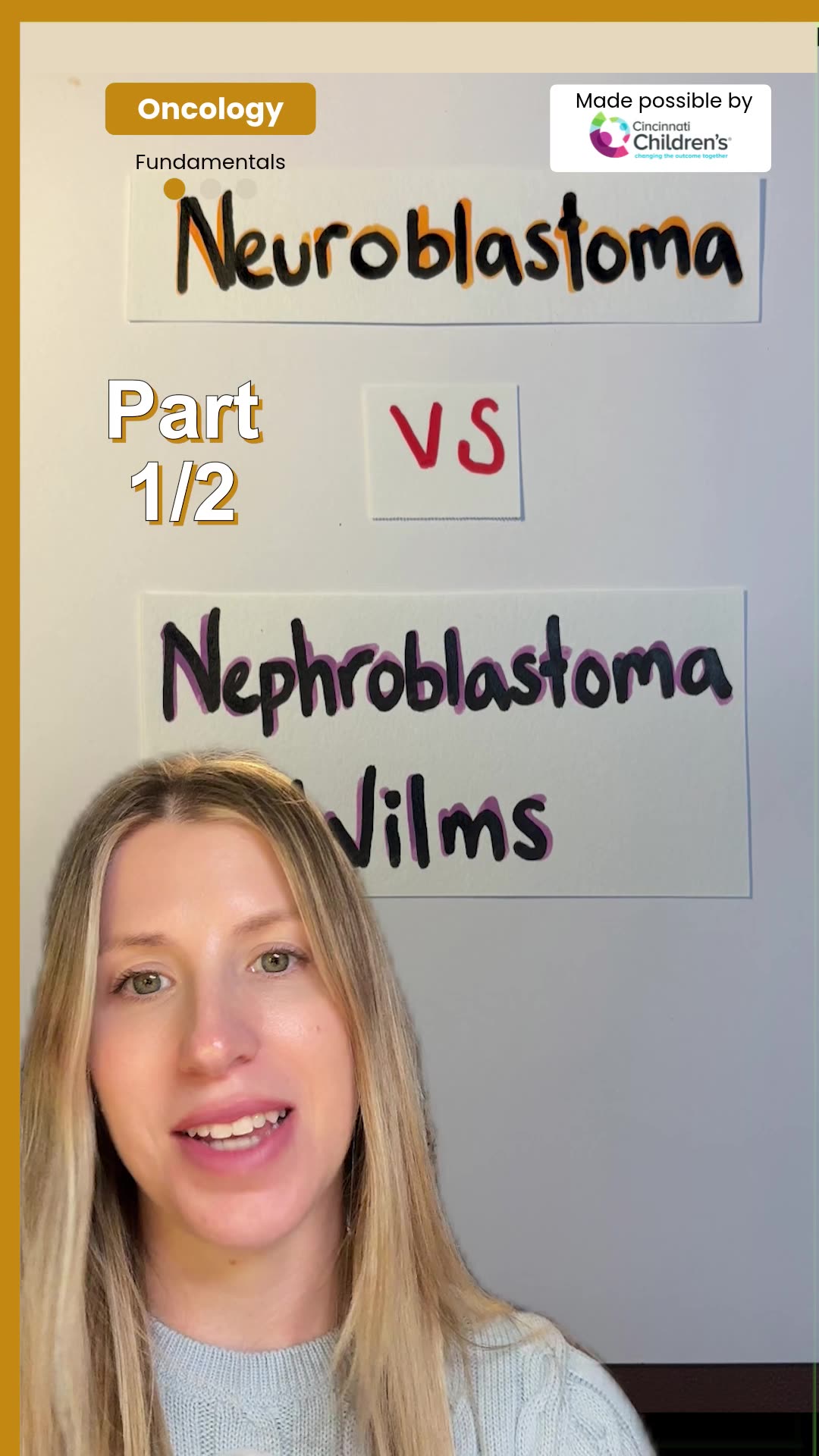
Neuroblastoma vs. Nephroblastoma (Wilms Tumor): Pediatric Surgery Differences Explained
3 min · Published Nov 2026
Video
Social Determinants of Health Influence on Survival in Wilms Tumor, Neuroblastoma, and Hepatoblastoma
1 min · Published Jan 2026
Video
2025 Pediatric Surgery Update Course - Updates in Oncology
21 min · Published Aug 2025
Video
Wilms Tumor Protocol Violations: 2018 Pediatric Surgery Practice Gap #3
Dr. Todd Ponsky · Published Jun 2019
Video
Update Course 2021: DEI – CONCORDANCE AND POST OP COMPLICATION STUDIES
Published May 2022
Video
Rare Ovarian Tumor in Infants: Small Cell Carcinoma of Ovary, Hypercalcemic Type & SMARCA4 Mutation
21 s · Published Oct 2026
Video
Can Normal X-Rays Miss Metastatic Neuroblastoma? A Pediatric Radiology Case Study
26 s · Published Oct 2026
Video
Can Fractures Be a Sign of Hepatoblastoma in Children? Understanding Pediatric Liver Cancer Symptoms
37 s · Published Oct 2026
Podcast
Hepatoblastoma
Todd Ponsky · 54 min · Published Oct 2026
Podcast
Wilms Tumor
Todd Ponsky · 64 min · Published Oct 2026
Podcast
Neuroblastoma
Todd Ponsky · 56 min · Published Oct 2026
Video
Clinical & Research Update: Neuroblastoma with Drs. Katherine Somers, Cara Morin, Juan Gurria, and Meera Kotagal
67 min · Published Sep 2026
Video
Indocyanine green assists with sentinel lymph node mapping in pediatric and adolescent patients
1 min · Published May 2026
Video
Pancreas, Muscle, and Subcutaneous Fat Atrophy in Patients Undergoing Radiation for Neuroblastoma
1 min · Published Apr 2026
Video
Clinical & Research Update: Pediatric Liver Tumors - A Case-Based Discussion with Drs. Katherine Somers & Alex Bondoc
69 min · Published Apr 2026
Video
Pediatric and Young Adult Image-Guided Percutaneous Bone Biopsy-A New Standard of Care?
1 min · Published Feb 2026
Video
Enhanced Recovery After Surgery (ERAS) Improves Length of Stay and Decreases Complications After Resection of Abdominal Neuroblastoma
1 min · Published Feb 2026
Podcast
Diaphragm pacing as alternative to mechanical ventilation in pediatric respiratory failure
1 min · Published Nov 2026
Podcast
Fetoscopic endoluminal tracheal occlusion for congenital diaphragmatic hernia
4 min · Published Nov 2026
Podcast
FETO procedure for late-diagnosed severe CDH with liver herniation
4 min · Published Nov 2026
Podcast
Severe CDH case with FETO: unexpected anatomic findings and clinical outcome
3 min · Published Nov 2026
Podcast
Pediatric pancreatitis: diagnosis, causes, and genetic insights with Dr. Juan Gurria
3 min · Published Nov 2026
Podcast
Understanding craniosynostosis: skull sutures, growth patterns, and diagnosis in infants
10 min · Published Nov 2026
What the experts said
This single institution cohort followed survivors for a mean of 27 years after open oncologic resection for Wilms tumor and neuroblastoma
14% of patients required a repeat laparotomy
The most common indications for repeat laparotomy were small bowel obstruction or tumor recurrence
In Wilms tumor, obstruction typically occurred within the first year
In neuroblastoma, obstruction often developed more than a decade later, well beyond routine follow-up
Radiation dose was not associated with re-operation risk
Secondary malignancy was uncommon in this cohort
Hypertension after nephrectomy was not increased compared to population norms
Scoliosis occurred in roughly 10 to 13% of patients, higher than the general population
Scoliosis has multi-factorial contributors including surgery and possibly radiation
Even decades after treatment, these patients remain at risk for late complications that warrant long-term counseling and follow-up