


From
StayCurrentMD
Laparoscopic Nissen Fundoplication Using the 5 mm CoolSeal Trinity
With Dr. Steve Rothenberg
Part of
Hiatal Hernia 3 items
Chapter 3 of 4 · Surgical Management
Short gastric division
Division of short gastric vessels and fundal mobilization
Cued at 3:00 · press play
Expert statements on this page
No expert statements were drawn from this page.
Host summaries · secondary, not cited in answers
Educational content from recorded physician discussions — not medical advice. Talk to your (or your child's) care team about your situation.
Video
Esophageal Disconnect for Severe GERD in Neurologically-Impaired Children:...
34 min · Published Aug 2017
Podcast
22. Pediatric Hernias
Todd Ponsky · 60 min · Published Oct 2026
Video
QUAD #10 Pt.2: Surgical Technique for Thoracoscopic Repair of Tracheoesophageal Fistula (TEF) with Dr. Steve Rothenberg
Dr. Steve Rothenberg · Published Jun 2024
Video
Long Gap Esophageal Atresia – How I Do It: Update Course 2018
Dr. Todd Ponsky · 38 min · Published Aug 2018
Video
22. HerniaTalk LIVE Q&A: Pediatric Hernias
Todd Ponsky · 59 min · Published Jul 2026
Video
Gastroesophageal Reflux: Contemporary Management Pediatric Surgery Update...
32 min · Published Jul 2017
Video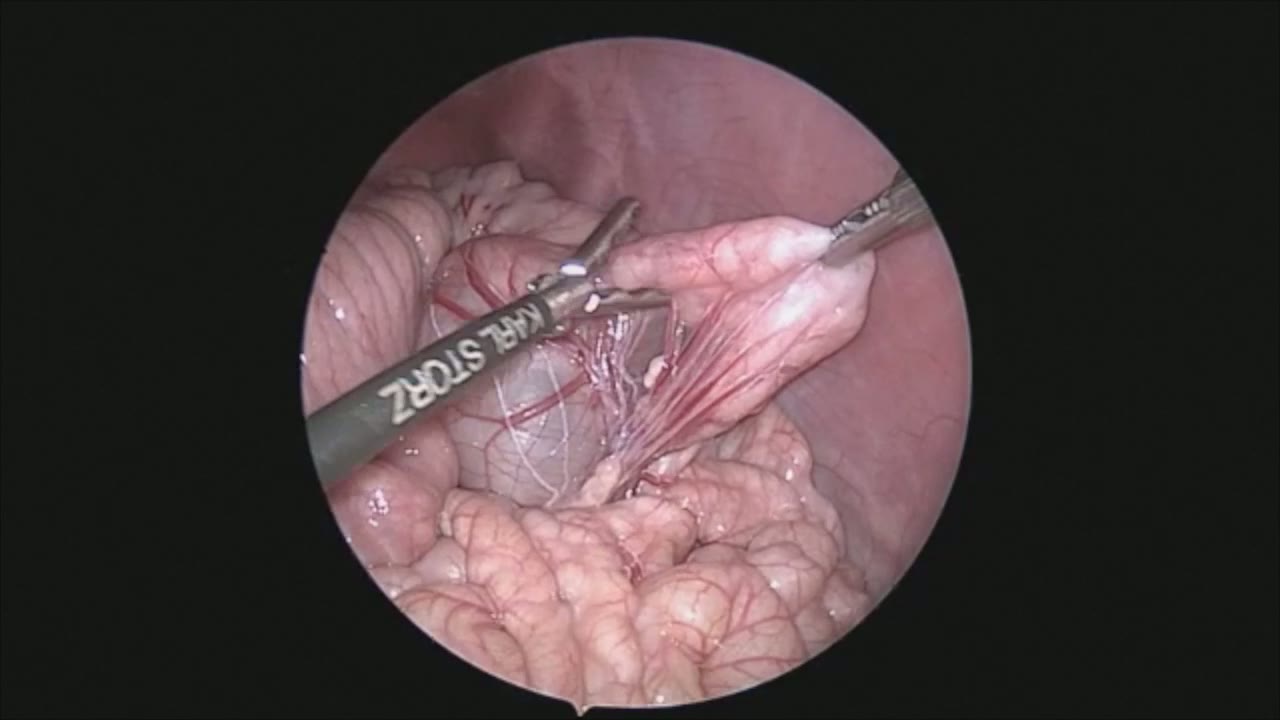
Laparoscopic Mesenteric and Short Gastric Dissection with a Vessel Sealer
Dr. Steve Rothenberg · 3 min · Published May 2026
Video
Laparoscopic Pyloromyotomy with a Reusable Handle and Disposable Blade
Dr. Steve Rothenberg · Published May 2026
Video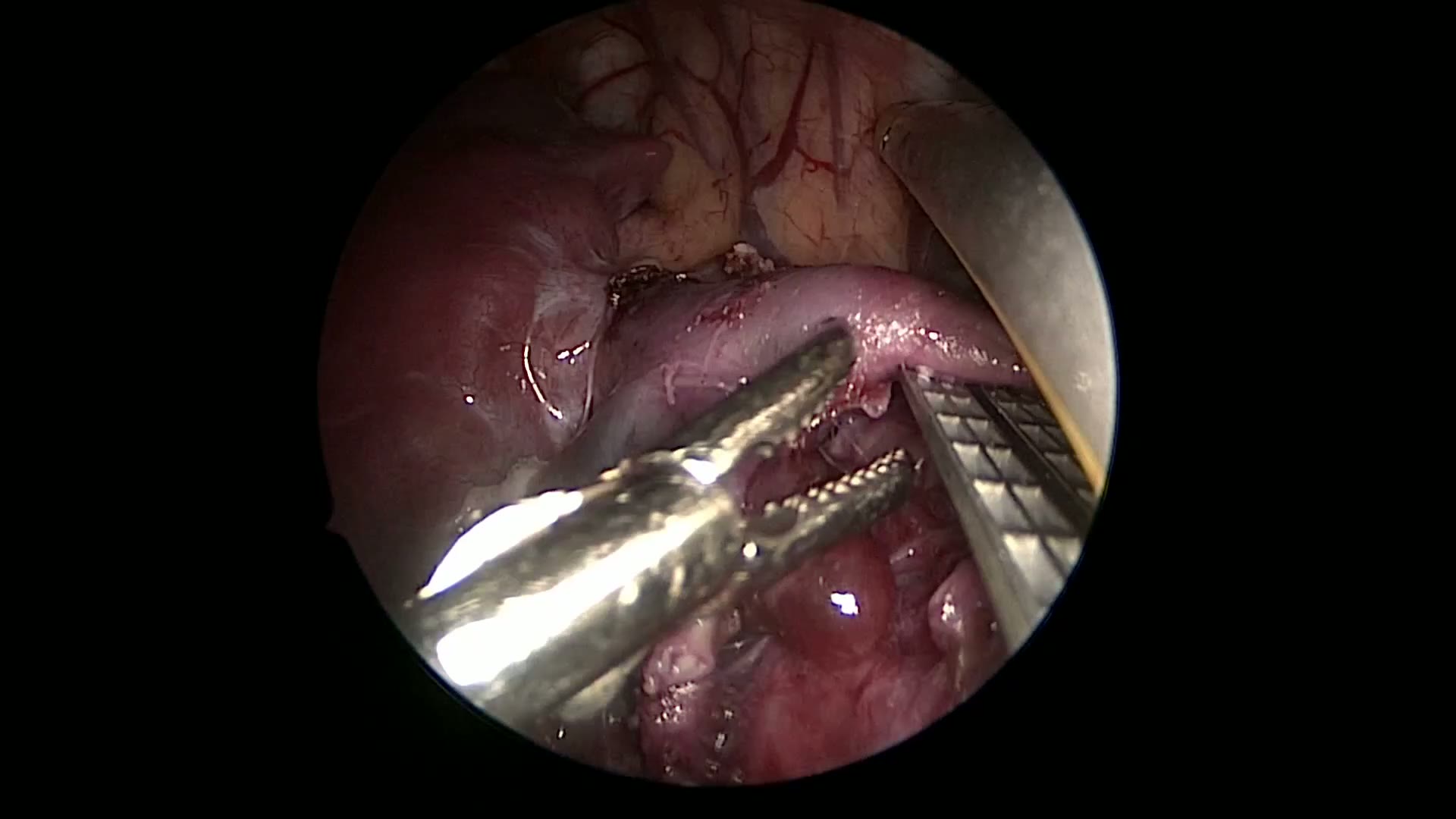
Thoracoscopic Stapling of the Left Lower Lobe Pulmonary Artery with a 5 mm Stapler
Dr. Steve Rothenberg · 9 s · Published May 2026
Video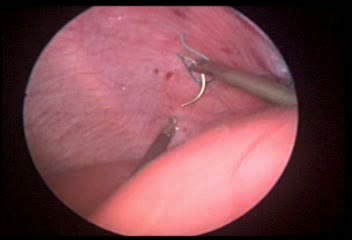
Laparoscopic Plication of a Right Diaphragmatic Eventration in a 3-Month-Old
Dr. Steve Rothenberg · 6 min · Published May 2026
Video
Laparoscopic Redo Nissen Fundoplication in a 30 kg Child with the 3 mm Percuvance System
Dr. Steve Rothenberg · 5 min · Published May 2026
Video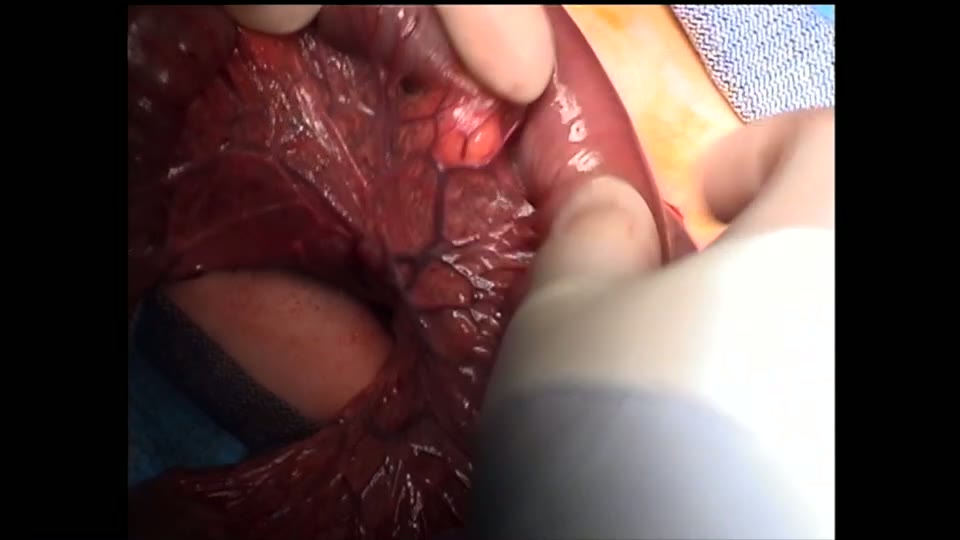
Open Bowel Anastomosis
Dr. Steve Rothenberg · Published May 2026
Podcast
Diaphragm pacing as alternative to mechanical ventilation in pediatric respiratory failure
1 min · Published Nov 2026
Podcast
Fetoscopic endoluminal tracheal occlusion for congenital diaphragmatic hernia
4 min · Published Nov 2026
Podcast
FETO procedure for late-diagnosed severe CDH with liver herniation
4 min · Published Nov 2026
Podcast
Severe CDH case with FETO: unexpected anatomic findings and clinical outcome
3 min · Published Nov 2026
Podcast
Pediatric pancreatitis: diagnosis, causes, and genetic insights with Dr. Juan Gurria
3 min · Published Nov 2026
Podcast
Understanding craniosynostosis: skull sutures, growth patterns, and diagnosis in infants
10 min · Published Nov 2026
What the experts said
The Coseal Trinity 5mm device functions as both an excellent dissector with tips almost as fine as a Maryland and a vessel sealer.
Trocar placement includes 3 millimeter ports in the epigastrium for retraction and a 3 and 5 millimeter port in the left and right hand respectively for ancillary instruments.
The surgeon stands between the patient's legs with the cameraman on the surgeon's left.
Care is taken not to carry dissection high into the hiatus to avoid increased risk of hiatal hernia.
The anterior vagus nerve must be identified and preserved during retroesophageal dissection.
The gastrohepatic ligament is taken down to expose the right crus and create a safe retroesophageal window.
The Trinity device can seal and divide blood vessels up to 7 millimeters in size.
The Trinity device produces almost no heat spread, which prevents injury to the stomach, spleen, or surrounding organs.
The retroesophageal window is developed to eliminate the risk of injury to the esophagus or the posterior wall of the stomach.
The left crus is slightly cleaned to better allow for crural repair.
A small amount of peritoneum overlying the upper esophagus is taken to allow for proper placement in the wrap.
A 2-0 Ethibond suture on RB1 needle is used for crural repair in patients ranging from 2 kg to 100 kg.
Establishing good length of intraabdominal esophagus is key to developing a good wrap and preventing a slip Nissen.
The wrap should be tension-free and brought around behind the esophagus.
A small anterior bite of the esophagus is taken at the 10 and 11 o'clock position during wrap construction.
The stomach retractor is used to lengthen the esophagus by pulling downward, ensuring the wrap is above the GE junction.
Three stitches are used to complete the wrap.
The wrap is generally under 2 centimeters in length to ensure that an obstructive force is not created.
Great care is taken to make sure that the wrap is loose and there is no twisting of the esophagus.
The patient is started on clear liquids immediately after the procedure and discharged the following morning.