


From
StayCurrentMD
Journal of Pediatric Article Review: June 2023, AAP Issue
With Dr. Colin Martin & Dr. Brad Warner & Dr. Andrew Fleming · hosted by Dr. Cecilia Gigena & Dr. Em Gootee & Dr. Todd Ponsky
Chapter 3 of 5 · Evidence & Research
Hepatoblastoma NED
Aggressive Pursuit of No Evidence of Disease in Hepatoblastoma
Cued at 6:50 · stops at 7:12 · press play
Expert statements on this page
No expert statements were drawn from this page.
Host summaries · secondary, not cited in answers
Educational content from recorded physician discussions — not medical advice. Talk to your (or your child's) care team about your situation.
Video
Transition of Care - Alcohol and Smoking
4 min · Published Nov 2023
Video
ERNICA Research Collaboration Webinar on Quality of Life
61 min · Published Nov 2023
Video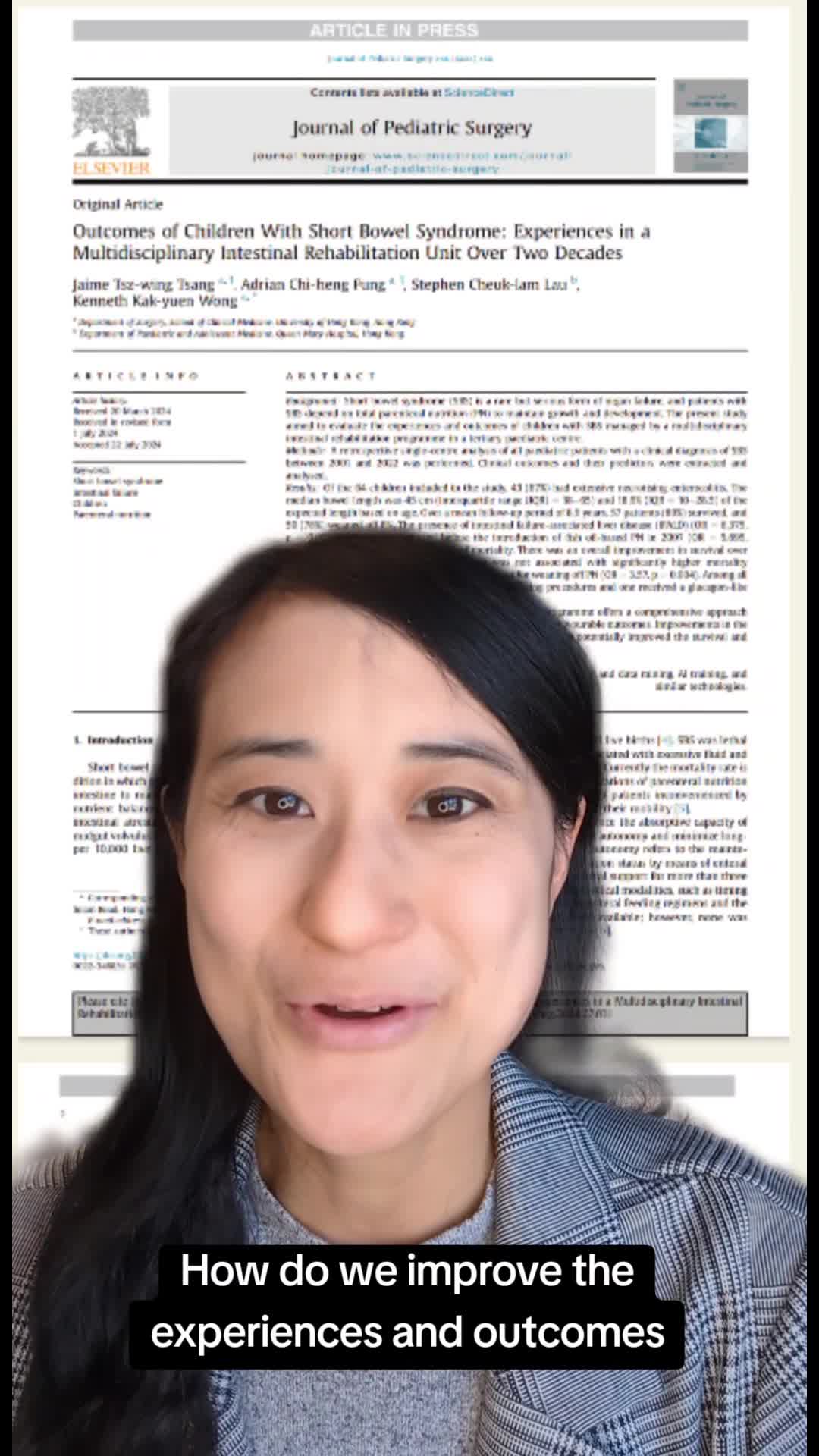
Outcomes of Children With Short Bowel Syndrome: Experiences in a Multidisciplinary Intestinal Rehabilitation Unit Over Two Decades
45 s · Published Mar 2025
Video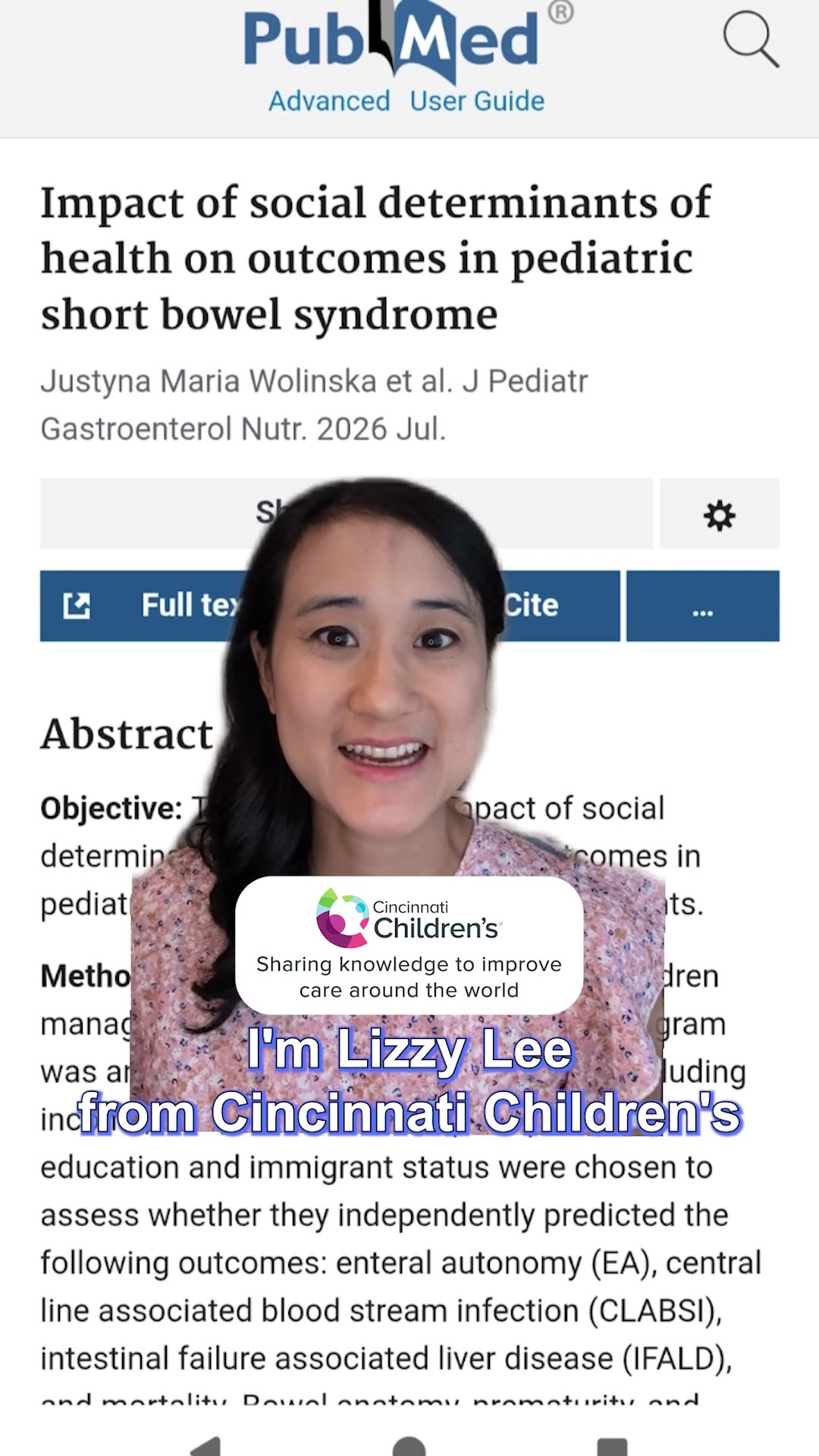
Impact of social determinants of health on outcomes in pediatric short bowel syndrome...
43 s · Published Aug 2026
Video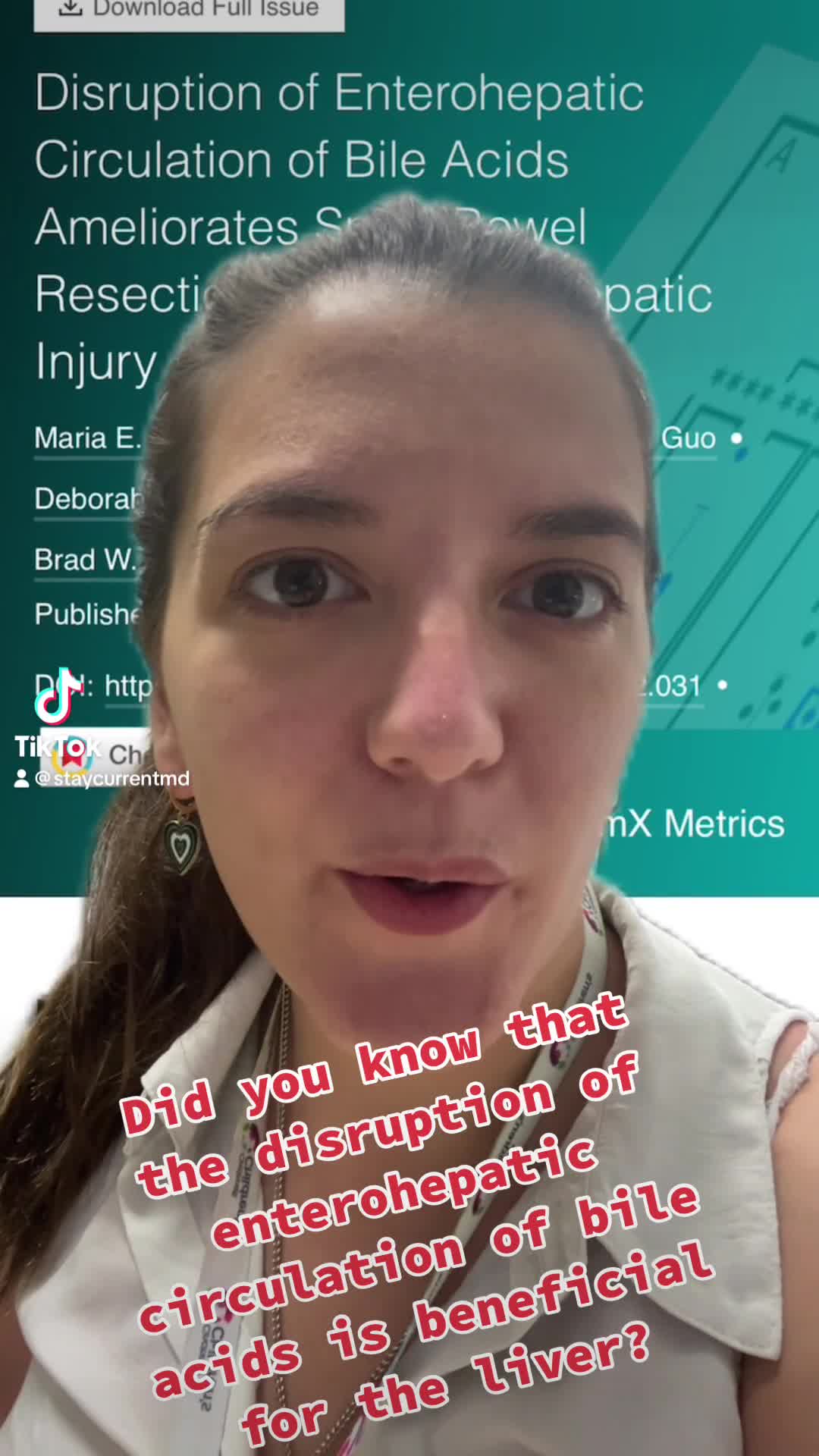
Disruption of enterohepatic Circulation of Bile acids ameliorates small bowel resection associated hepatic injury
59 s · Published Aug 2023
Video
Xavier's journey from short bowel syndrome to eating again
Michael Helmrath · 3 min · Published Jan 2024
Video
Rare Ovarian Tumor in Infants: Small Cell Carcinoma of Ovary, Hypercalcemic Type & SMARCA4 Mutation
21 s · Published Oct 2026
Video
Can Normal X-Rays Miss Metastatic Neuroblastoma? A Pediatric Radiology Case Study
26 s · Published Oct 2026
Video
Can Fractures Be a Sign of Hepatoblastoma in Children? Understanding Pediatric Liver Cancer Symptoms
37 s · Published Oct 2026
Video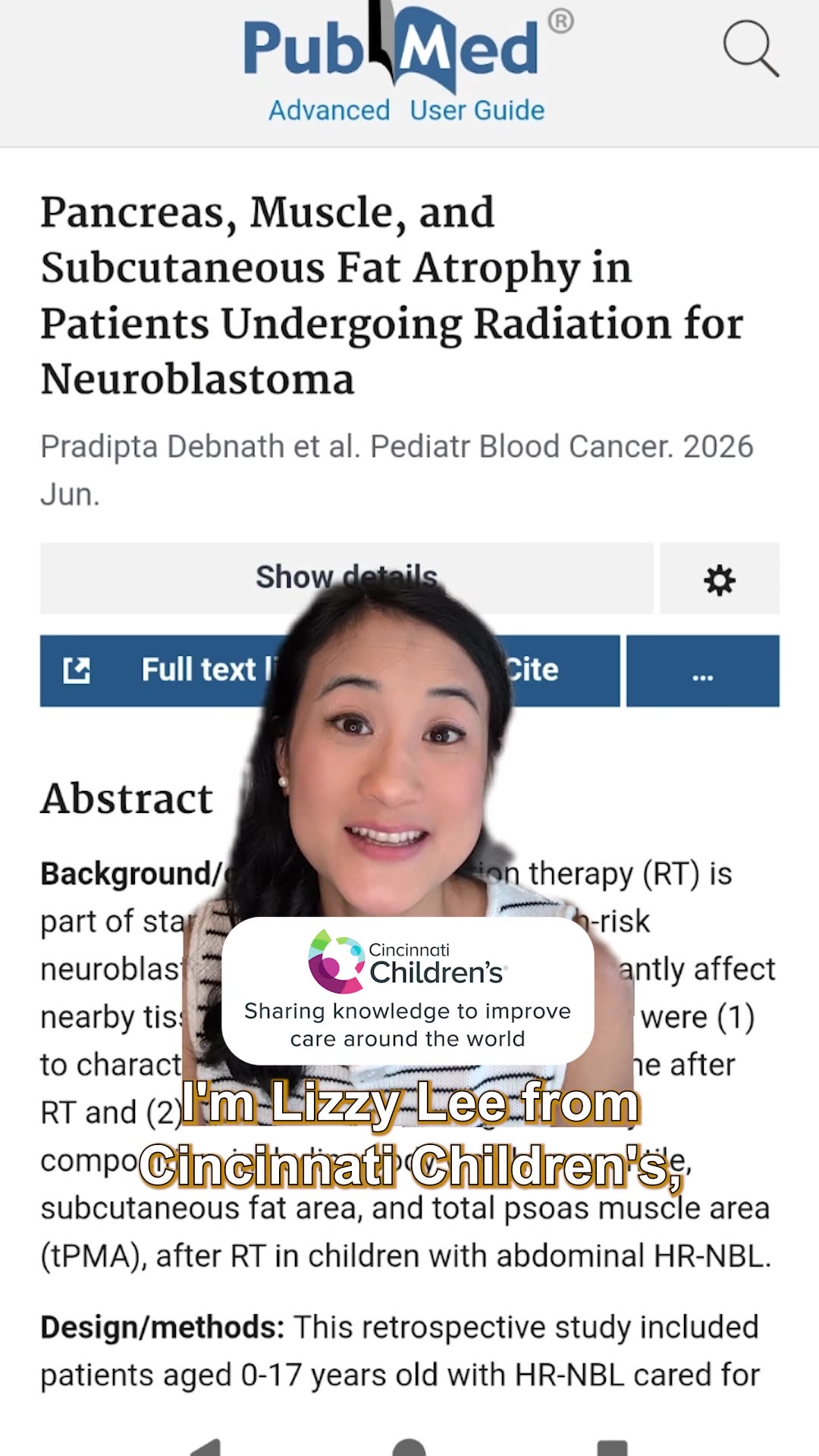
Pancreas, Muscle, and Subcutaneous Fat Atrophy in Patients Undergoing Radiation for Neuroblastoma
47 s · Published Oct 2026
Podcast
Wilms Tumor
Todd Ponsky · 64 min · Published Oct 2026
Podcast
Hepatoblastoma
Todd Ponsky · 54 min · Published Oct 2026
Podcast
Diaphragm pacing as alternative to mechanical ventilation in pediatric respiratory failure
1 min · Published Nov 2026
Podcast
Fetoscopic endoluminal tracheal occlusion for congenital diaphragmatic hernia
4 min · Published Nov 2026
Podcast
FETO procedure for late-diagnosed severe CDH with liver herniation
4 min · Published Nov 2026
Podcast
Severe CDH case with FETO: unexpected anatomic findings and clinical outcome
3 min · Published Nov 2026
Podcast
Pediatric pancreatitis: diagnosis, causes, and genetic insights with Dr. Juan Gurria
3 min · Published Nov 2026
Podcast
Understanding craniosynostosis: skull sutures, growth patterns, and diagnosis in infants
10 min · Published Nov 2026
What the experts said
The ileocecal region may not be important to preserve in short bowel syndrome and may actually be injurious
Administration of a specific bile acid that is more lipophilic and hepatoprotective could be potential therapy for patients with cholestatic liver disease after massive intestinal resection
In clinical practice, surgeons cannot choose which intestinal segment to remove - they must remove what is dead and preserve as much viable bowel as possible
Once NED status was achieved, 10-year overall survival among high-risk hepatoblastoma patients was similar to patients who were not high-risk
There is no threshold for disease burden that precludes aggressive pursuit of no-evidence-of-disease status in children with hepatoblastoma
Having a formal aerodigestive team is the way to ensure esophageal atresia surveillance gets done
Proximal small bowel resection results in greater oxidative stress in the liver, evidenced by elevated mRNA transcripts for tumor necrosis factor alpha, NADPH oxidase, and glutathione synthase with greater compensatory antioxidant response
46 of 50 hepatoblastoma patients underwent resection using adjuvant techniques including total hepatic vascular exclusion, vascular reconstruction, biliary reconstruction, or en-bloc resection and total hepatectomy with transplantation
82% (41 of 50) of hepatoblastoma patients were able to achieve no-evidence-of-disease (NED) status
14 high-risk hepatoblastoma patients underwent a median of 2.5 pulmonary metastasectomies (7 for unilateral disease, 7 for bilateral disease) with a median of 4.5 nodules resected
5 high-risk hepatoblastoma patients relapsed and 3 of them were saved; NED status was inversely correlated with 5-year mortality
The esophageal atresia surveillance survey had a 77% response rate from 181 physicians at 19 institutions
Only 36% of institutions perform routine upper GI endoscopy in esophageal atresia patients regardless of symptoms, despite evidence showing these patients should be surveilled
Without proper surveillance, esophageal atresia patients could be at risk for esophageal cancer and chronic dysmotility as they survive into adulthood