


From
Dr. Nelson G. Rosen
Hirschsprung-Associated Enterocolitis: Recognition and Treatment
With Dr. Nelson G. Rosen
Chapter 2 of 3 · Acute Management
HAEC treatment
Hirschsprung-Associated Enterocolitis: Presentation and Treatment
Cued at 0:56 · press play
Expert statements on this page
No expert statements were drawn from this page.
Host summaries · secondary, not cited in answers
Educational content from recorded physician discussions — not medical advice. Talk to your (or your child's) care team about your situation.
Video
Update Course Rewind 2025: Botox for Hirschsprung’s: Where, When, and Why
1 min · Published May 2026
Video
Hirschsprung-associated enterocolitis in children: An ERNICA animation for parents and families
3 min · Published Dec 2023
Video
Quick Literature Updates Ep 23
4 min · Published Oct 2025
Video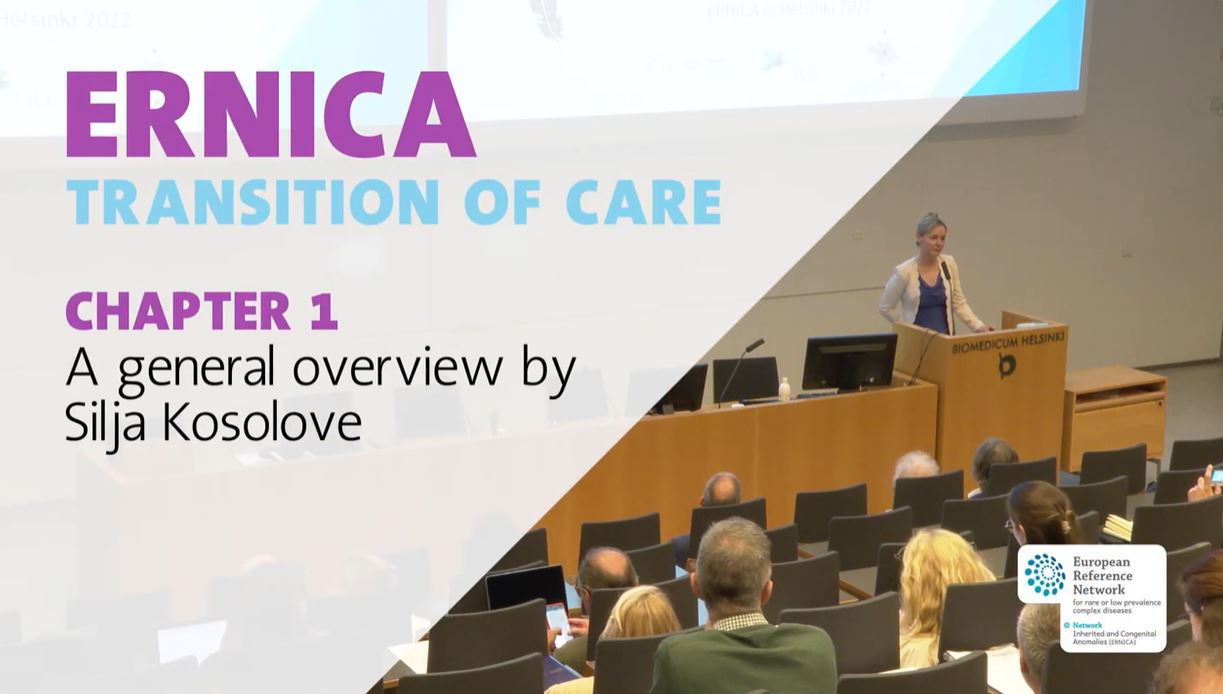
Transition of Care - A general overview by Silja Kosolove
21 min · Published Nov 2023
Video
Transitional Care in Anorectal Malformation and Hirschsprung's Disease
1 min · Published Jul 2024
Video
Transition From Pediatric to Adult Healthcare for Colorectal Conditions: A Systematic Review
58 s · Published Sep 2024
More from this expert
Dr. Nelson G. RosenPodcast
Perineal body-preserving PSARP versus classic approach: expert panel discussion
Nelson G. Rosen · 2 min · Published Nov 2026
Podcast
Timing of PSARP for rectal vestibular fistulas: early versus delayed repair
Nelson G. Rosen · 3 min · Published Nov 2026
Video
Evaluation and management of pilonidal disease in adolescents
Nelson G. Rosen · 43 min · Published Sep 2025
Video
Single incision laparoscopic appendectomy technique and instrumentation
Nelson G. Rosen · 11 min · Published May 2024
Video
Diagnostic workup for Hirschsprung disease in newborns and children
Nelson G. Rosen · 10 min · Published Jul 2021
What the experts said
In Hirschsprung's disease, the bottom part of the large intestine (colon) lacks half of the nerves needed to work normally.
In Hirschsprung's disease, the affected intestinal segment squeezes continuously while upstream intestine attempts to push contents through, resulting in functional obstruction.
Enterocolitis is a complication of Hirschsprung's disease that can occur before or after surgery.
Enterocolitis presents with bloating, pain, vomiting, diarrhea, and fever.
Enterocolitis is treated with oral antibiotics.
Metronidazole (trade name Flagyl) is the most commonly used antibiotic for enterocolitis, targeting bacteria in the large intestine.
Rectal irrigations are a primary treatment for enterocolitis, involving washing out the distal intestine to remove stool, gas, and bacteria from the intestinal lining.
Parents are taught to perform rectal irrigations at home.
Rectal irrigations reduce bloating and allow the child to resume drinking, eating, and normal activities.