


From
StayCurrentMD
Esophageal Atresia & Tracheoesophageal Fistula (EA/TEF) Types Explained for Pediatric Surgery
hosted by Dr. Jill Knepprath
Chapter 1 of 6 · Fundamentals
Normal anatomy
Introduction and Normal Anatomy
Expert statements on this page
No expert statements were drawn from this page.
Host summaries · secondary, not cited in answers
Educational content from recorded physician discussions — not medical advice. Talk to your (or your child's) care team about your situation.
Video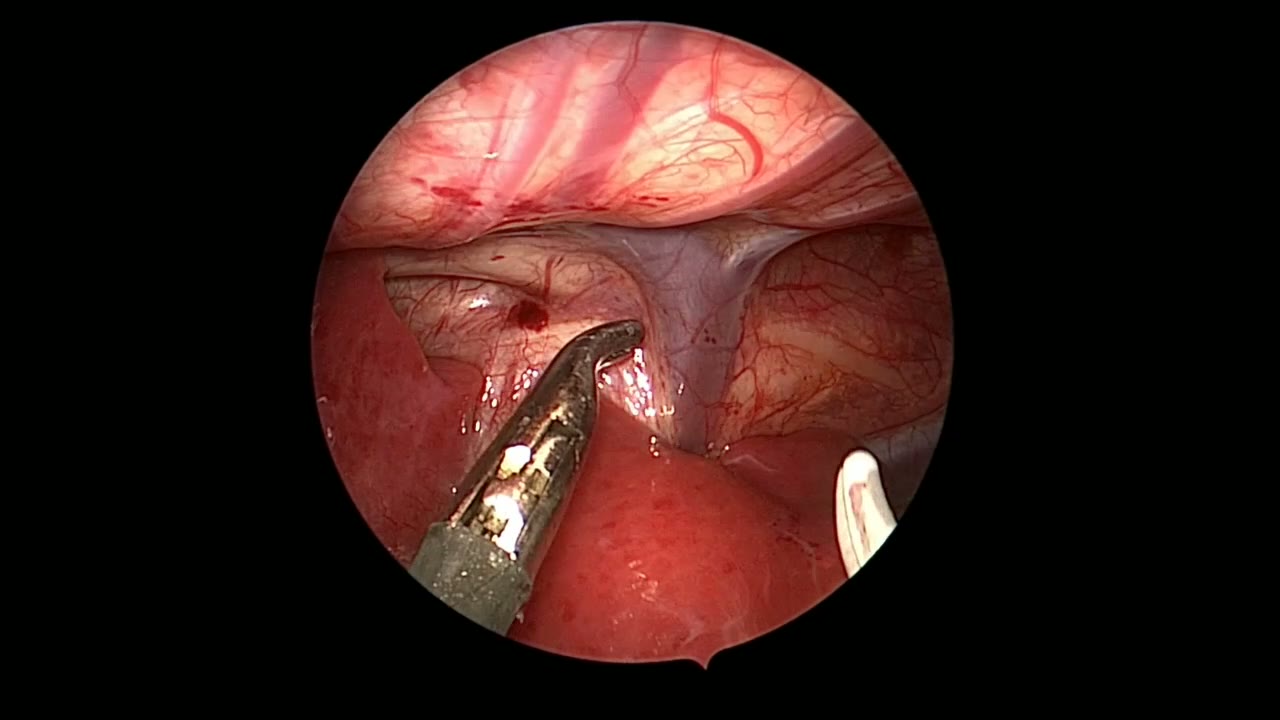
Thoracoscopic Tracheoesophageal Fistula Repair: Upper Pouch Mobilization and Anastomosis
Dr. Steve Rothenberg · 2 min · Published May 2026
Video
Glycopyrrolate for Anastomtic Dehiscence in Esophageal Atresia
2 min · Published May 2017
Video
Update Course Rewind 2025: The Recurrent TEF Problem
2 min · Published Jul 2026
Video
QUAD #10 Pt.3: Advantages of Thoracoscopic Repair of Esophageal Atresia with Dr. Steve Rothenberg
Dr. Steve Rothenberg · Published Jun 2024
Video
Thoracoscopic Repair of Tracheo-esophageal Fistula Tricks: Pediatric Surgery...
19 min · Published Jul 2017
Video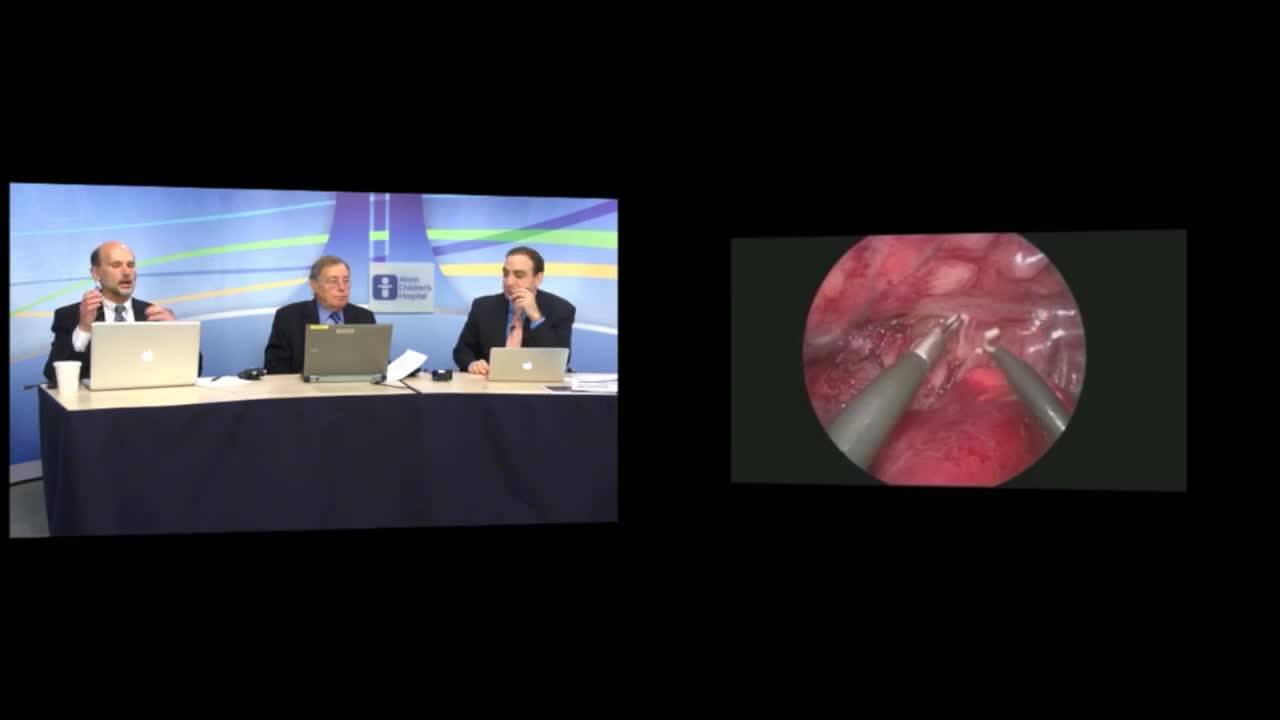
Rothenberg Thoracoscopic Technique Video: EA/TEF
Dr. Steve Rothenberg · 9 min · Published Dec 2012
Podcast
FETO procedure for late-diagnosed severe CDH with liver herniation
4 min · Published Nov 2026
Podcast
Diaphragm pacing as alternative to mechanical ventilation in pediatric respiratory failure
1 min · Published Nov 2026
Podcast
Pediatric pancreatitis: diagnosis, causes, and genetic insights with Dr. Juan Gurria
3 min · Published Nov 2026
Podcast
Severe CDH case with FETO: unexpected anatomic findings and clinical outcome
3 min · Published Nov 2026
Podcast
Fetoscopic endoluminal tracheal occlusion for congenital diaphragmatic hernia
4 min · Published Nov 2026
Podcast
Managing pancreatic fluid collections and chronic pancreatitis complications in children
2 min · Published Nov 2026
What the experts said
EA/TEF is a basic concept in pediatric surgery.
In normal anatomy, the esophagus goes straight down to the stomach with no atresia or interruptions, and the trachea goes straight down to the lungs with no connections between the two.
Type A EA/TEF consists of esophageal atresia proximally and distally in the esophagus, preventing solids and liquids from reaching the stomach, with no connection between esophagus and trachea.
Type B EA/TEF has distal esophageal atresia and a proximal fistula, allowing solids and liquids to enter the trachea while the stomach remains empty.
Type C EA/TEF is the most common type.
Type C EA/TEF has proximal esophageal atresia and a distal fistula, allowing air to reach both lungs and stomach while solids and liquids cannot reach the stomach.
Type D EA/TEF has both a distal fistula and a proximal fistula, allowing solids and liquids into the trachea and air into both lungs and stomach.
Type E EA/TEF has no atresia but does have a tracheoesophageal fistula, which is often pretty high.
Type E EA/TEF is also known as H-type because of its anatomical appearance.
Type E (H-type) EA/TEF has the best results and is usually the easiest to fix.
Children with Type E (H-type) EA/TEF may present with symptoms later because they are still able to get solids and liquids down to the stomach and air to the lungs.