

From
Live Event Content
Disruptive technologies in medical education: escape rooms, gamification, and immersive learning
With Dr. Ramy Shaaban · hosted by Dr. Todd Ponsky & Dr. Em Tombash
Educational content from recorded physician discussions — not medical advice. Talk to your (or your child's) care team about your situation.
More about this diagnosis
PreeclampsiaVideo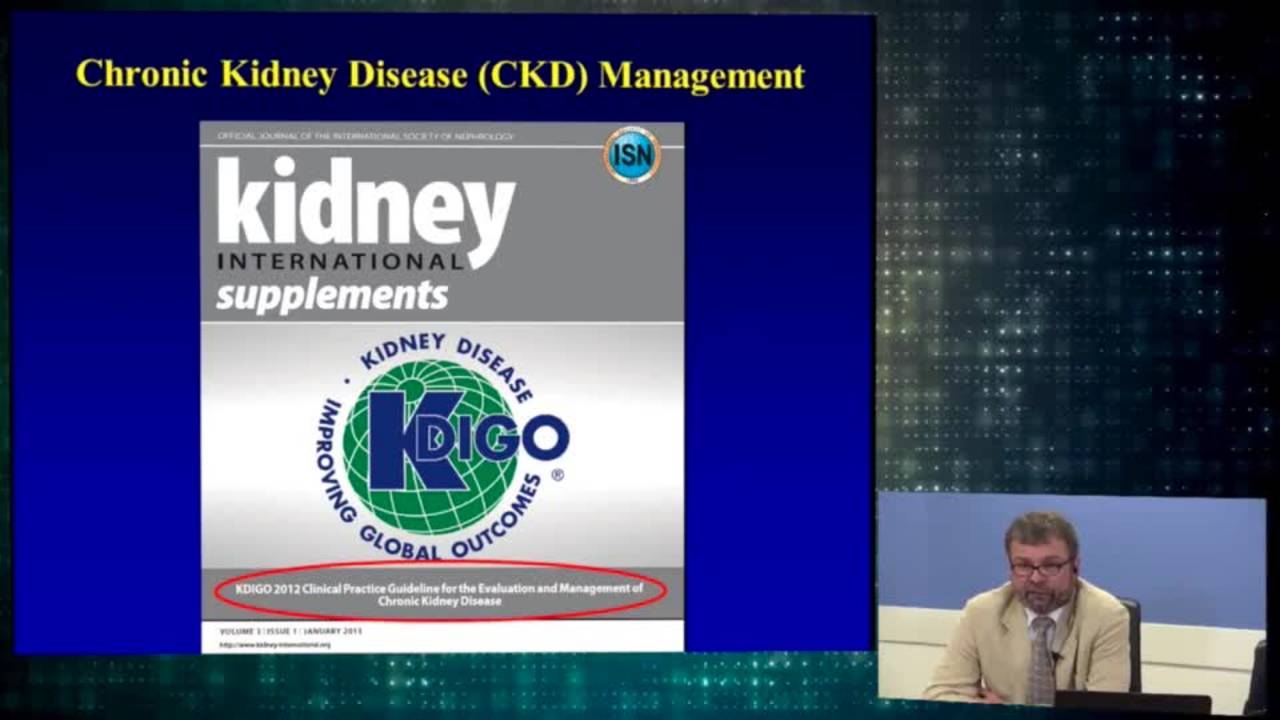
Managing Advanced Chronic Kidney Disease: Cincinnati Fetal Center
35 min · Published Nov 2018
Video
Fetal management of advanced chronic kidney disease: Fetal Genitourinary...
34 min · Published Jul 2017
Video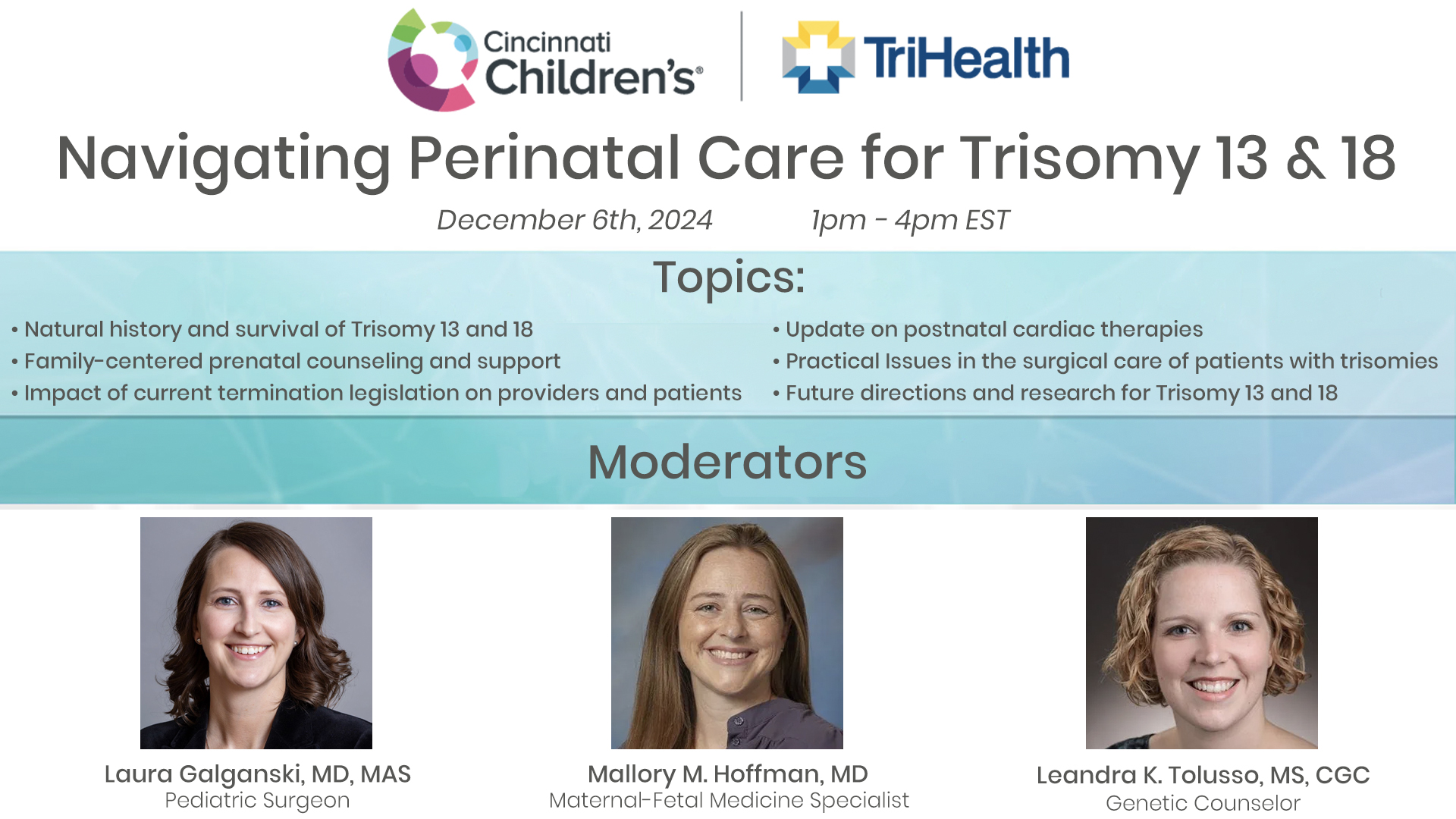
Mallory Hoffman, MD - 2024 Fetal Care Center Navigating Perinatal Care for Trisomy 13 & 18
29 min · Published Dec 2024
Video
2025 Pediatric Surgery Update Course: Top 10 Key Takeaways #9
Ramy Shaaban · 2 min · Published Jul 2025
Podcast
Update Course Rewind: 2024 Top Ten Key Takeaways
Ramy Shaaban · Published Jun 2025
Podcast
Top 10 AI Websites and Tools for Medical Research and Education
Ramy Shaaban · 23 min · Published May 2025
Podcast
Disruptive technologies in medical education: escape rooms, virtual reality, and gamification
Ramy Shaaban · 12 min · Published Feb 2023
Video
2022 Pediatric Surgery Update Course - Top disruptive technologies in medicine
Ramy Shaaban · 26 min · Published Nov 2022
Podcast
Digital twinning technology and applications in personalized medicine
Ramy Shaaban · 5 min · Published Nov 2022
Video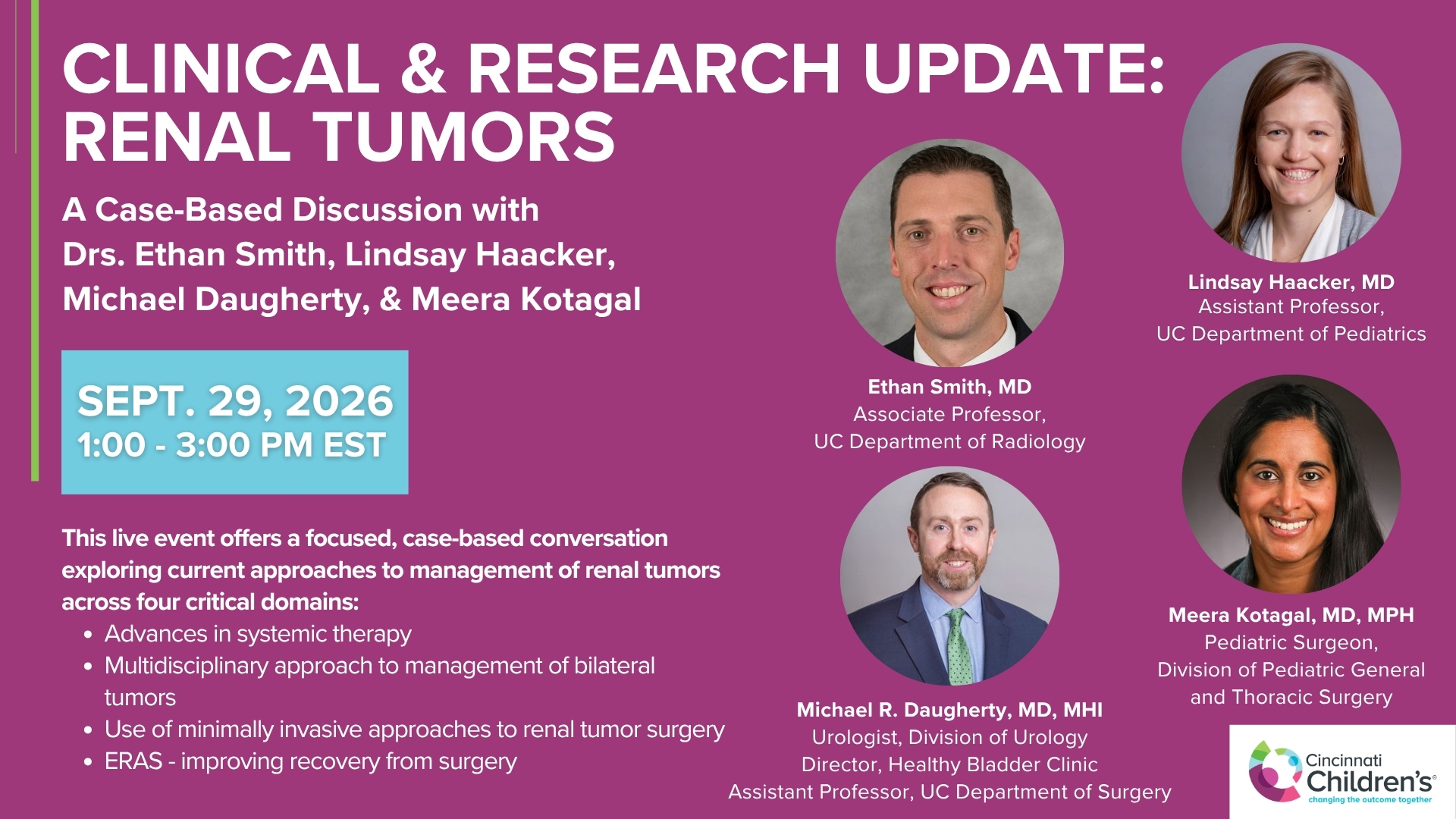
Clinical & Research Update: Renal Tumors with Drs. Ethan Smith, Lindsay Haacker, Michael Daugherty, and Meera Kotagal
71 min · Published Sep 2026
Video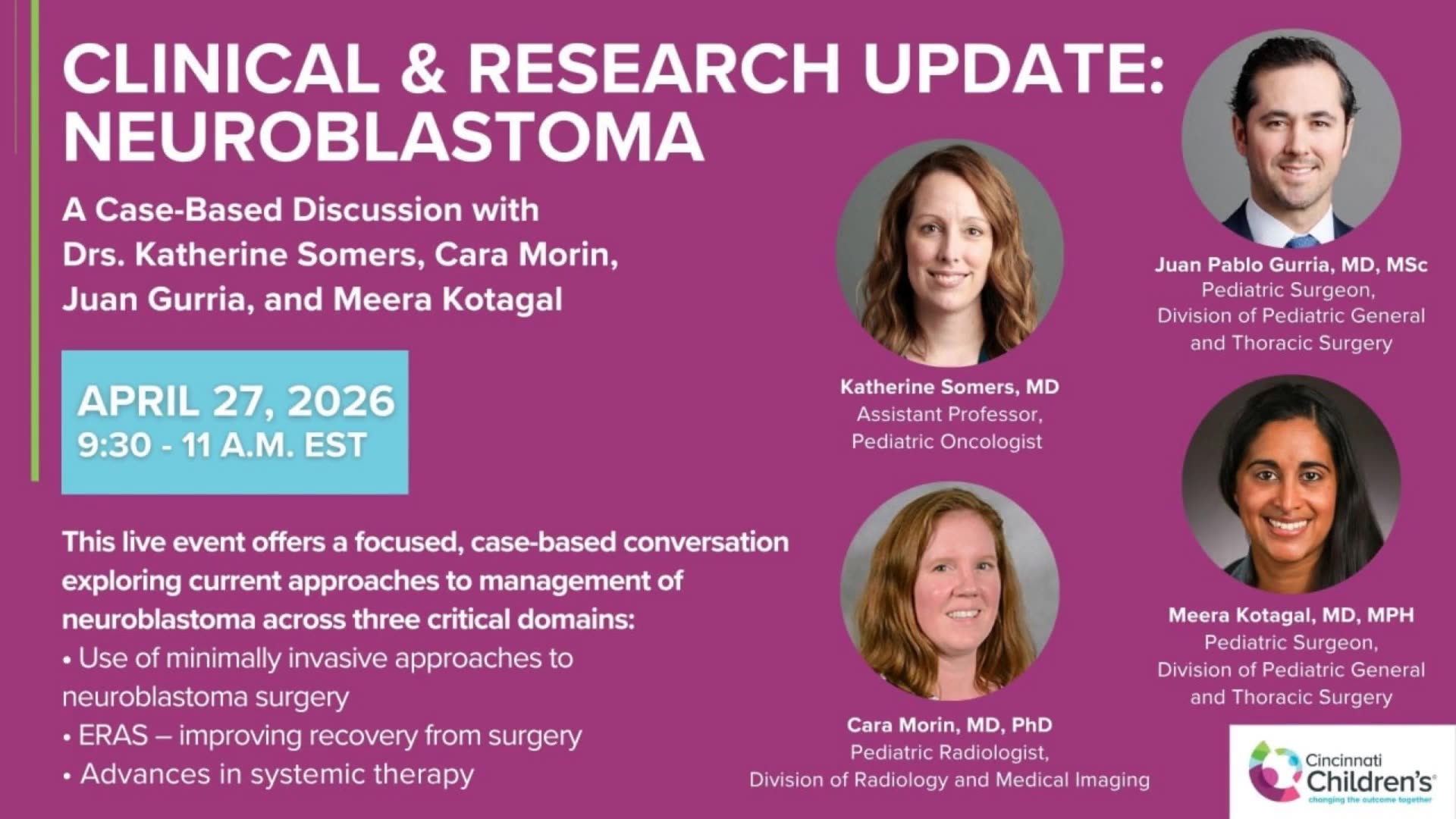
Clinical & Research Update: Neuroblastoma with Drs. Katherine Somers, Cara Morin, Juan Gurria, and Meera Kotagal
67 min · Published Sep 2026
Video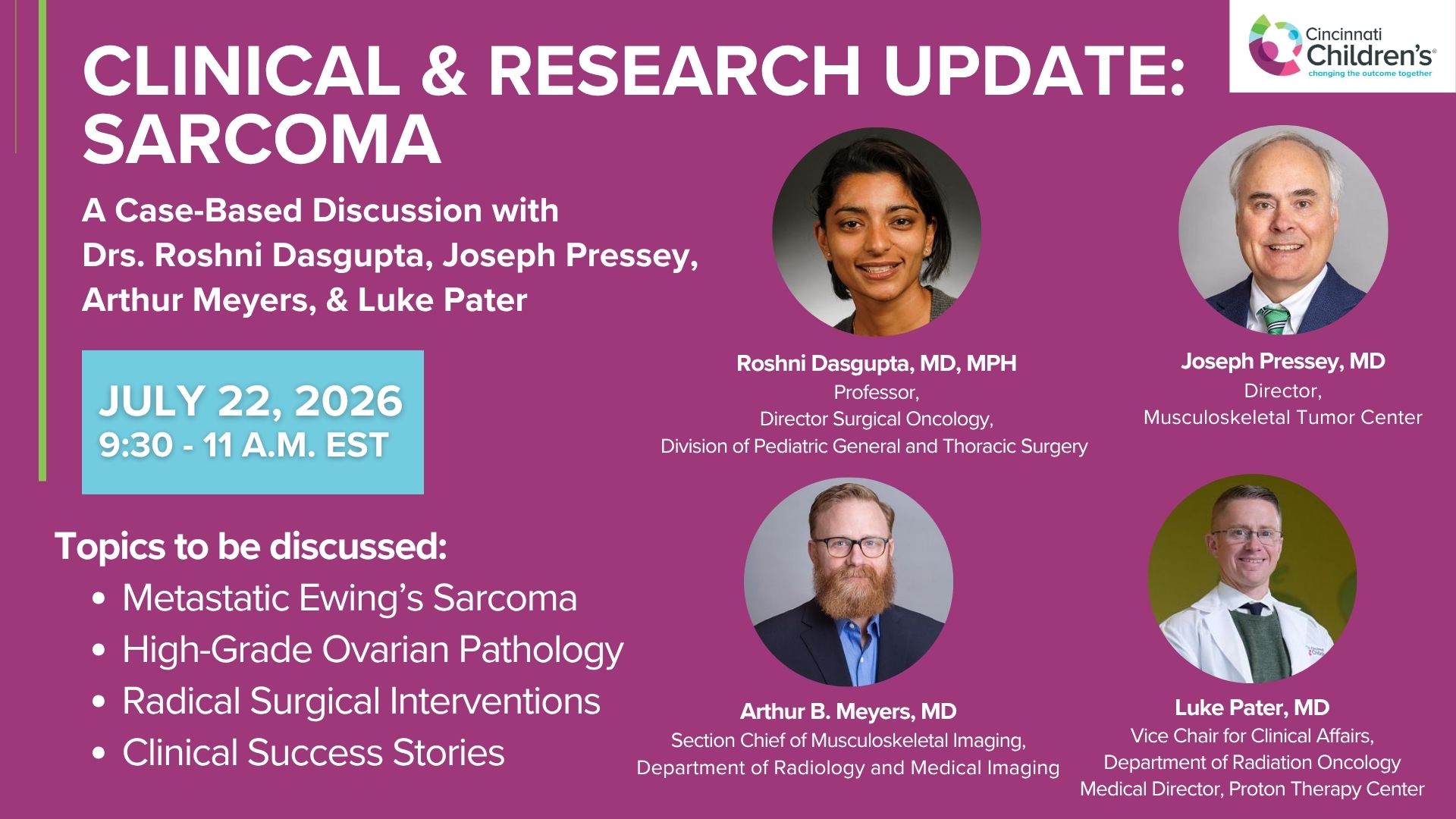
Clinical & Research Update: Sarcoma w/ Drs. Roshni Dasgupta, Joseph Pressey, Arthur Meyer, Luke Pater
66 min · Published Sep 2026
Video
2026 Laparoscopic Pediatric Hernia Repair
123 min · Published Jun 2026
Video
Beyond the Spectrum: Diagnosis, Myths & Management - Caitlin Couch & Leslie Lopez - APP Conference 2026
50 min · Published May 2026
Video
Dysautonomia: Navigating the Journey - Martha Willis - APP Conference 2026
55 min · Published May 2026
What the experts said
Multiple institutions including Texas Children's Hospital, University of Kansas health system, Penn Presbyterian Medical Center, and University of Minnesota have built medical escape rooms to improve education among trainees.
VR can be used to ease anxiety before procedures or during imaging, help with postoperative pain, and in some cases reduce the need for sedation or general anesthesia during minor surgical procedures.
Surgeons used VR to separate twins with conjoined heads in a 27-hour surgery, spending hours training using VR projection with PrecisionOS Vision while wearing an Oculus VR headset.
IdentityShield is a smart ID sticker made of thin plastic material that is adhesive, non-reactive, and hypoallergenic, lasting for 7 days on patients.
The loss rate of traditional wristbands in NICU, newborns, and children is 12%.
Northwell Health System used the IdentityShield badge on over 30,000 patients between October 2019 and November 2020, mostly at Lenox Hill Hospital in New York City during the pandemic.
NFC interaction is limited to an extremely short range of 4 centimeters or 1.5 inches or less.
Fifteen years ago it would take 15 years to go from science fiction idea to reality, but now we're seeing it happen in months due to exponential progression.
In probably 2 years, most hospitals will have some version of digital twin technology at their fingertips.
Medical escape rooms have been utilized to teach and reinforce topics including cancer diagnosis, cardiovascular physiology, and fluids and electrolytes.
Stanford Medicine Children's Health is home to one of the nation's largest VR programs with over 150 use cases per month.
A randomized controlled trial from Seoul National University College of Medicine showed that VR experience of the preoperative process could reduce preoperative anxiety and improve compliance during anesthetic induction in children undergoing elective surgery and general anesthesia.
A significant percentage of surgical residents report they do not feel ready to independently perform procedures upon completion of their training.
VR training represents an accessible, cost-effective, and deliberate practice methodology to help surgeons reach a competency threshold or achieve surgical mastery.
The FDA approved Precision OS Envision as a VR preoperative planning tool, with the patented software available in early 2022 allowing surgeons to use an Oculus Quest 2 device for preoperative planning.
The conjoined twins surgery was directed from Great Ormond Street Hospital in London while the actual surgery was happening in Rio de Janeiro.
Proximy allows multiple people in remote locations to virtually interact in a way which mimics what they would experience if collaborating in the same operating room, using AI, machine learning, and augmented reality.
Traditional wristbands are difficult to fasten, may irritate the skin, must be rotated to be scanned, can be too tight causing patient harm, or too loose leading to loss.
In the Northwell pilot study, 80% of clinicians preferred the IdentityShield over traditional wristbands.
The first Android device included NFC in 2010 and Apple followed in 2014, meaning NFC has been present since iPhone 6.
Creating a digital twin takes a couple of hours for emergency cases and a couple of days for surgical oncology cases.
Fifteen years ago, Rick Satava proposed at SAGES that patients would get a CT scan at check-in, surgeons would practice the operation on a robot the day before, and then the robot would perform the saved operation autonomously.