
GYN #2 Oophoropexy in Adnexal Torsion with Dr. Lesley Breech
With Dr. CCHMC Pediatric Surgery · Grand Rounds
Educational content from recorded physician discussions — not medical advice. Talk to your (or your child's) care team about your situation.
Video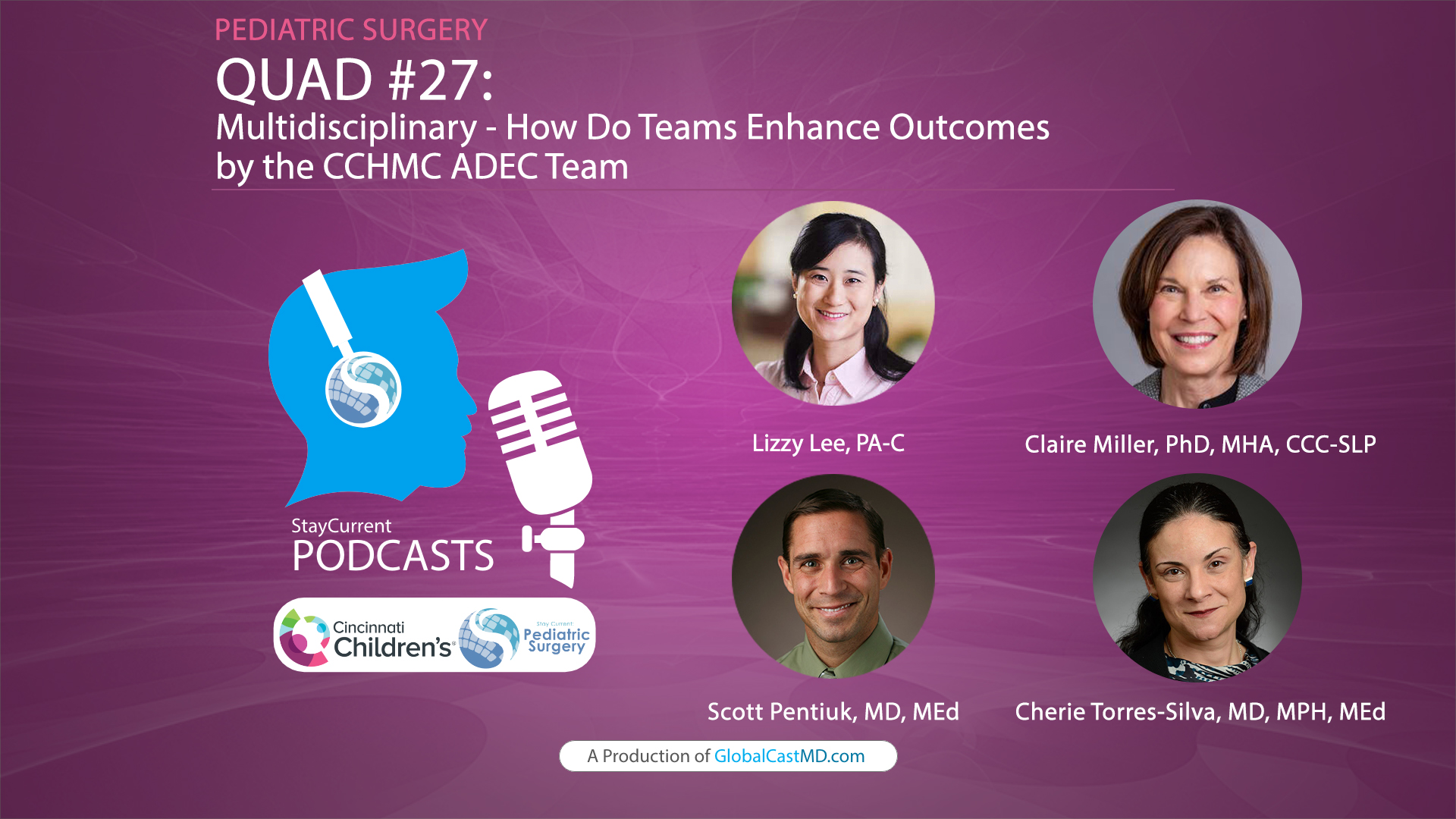
QUAD #27 - Multidisciplinary - How Do Teams Enhance Outcomes by the CCHMC ADEC Team
CCHMC Pediatric Surgery · 10 min · Published Apr 2025
Video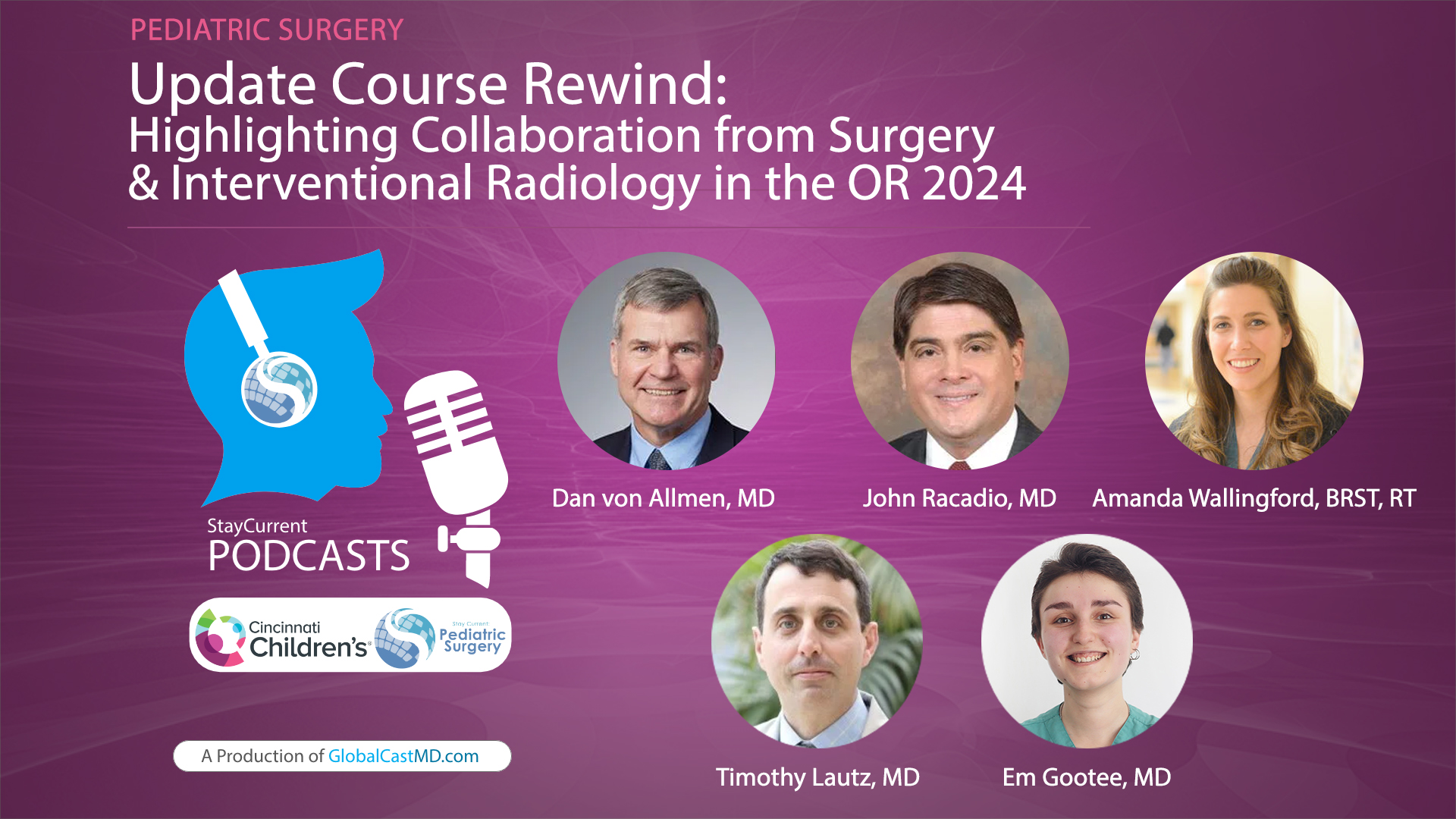
Update Course Rewind: Highlighting Collaboration from Surgery & Interventional Radiology in the OR 2024
CCHMC Pediatric Surgery · 10 min · Published Mar 2025
Video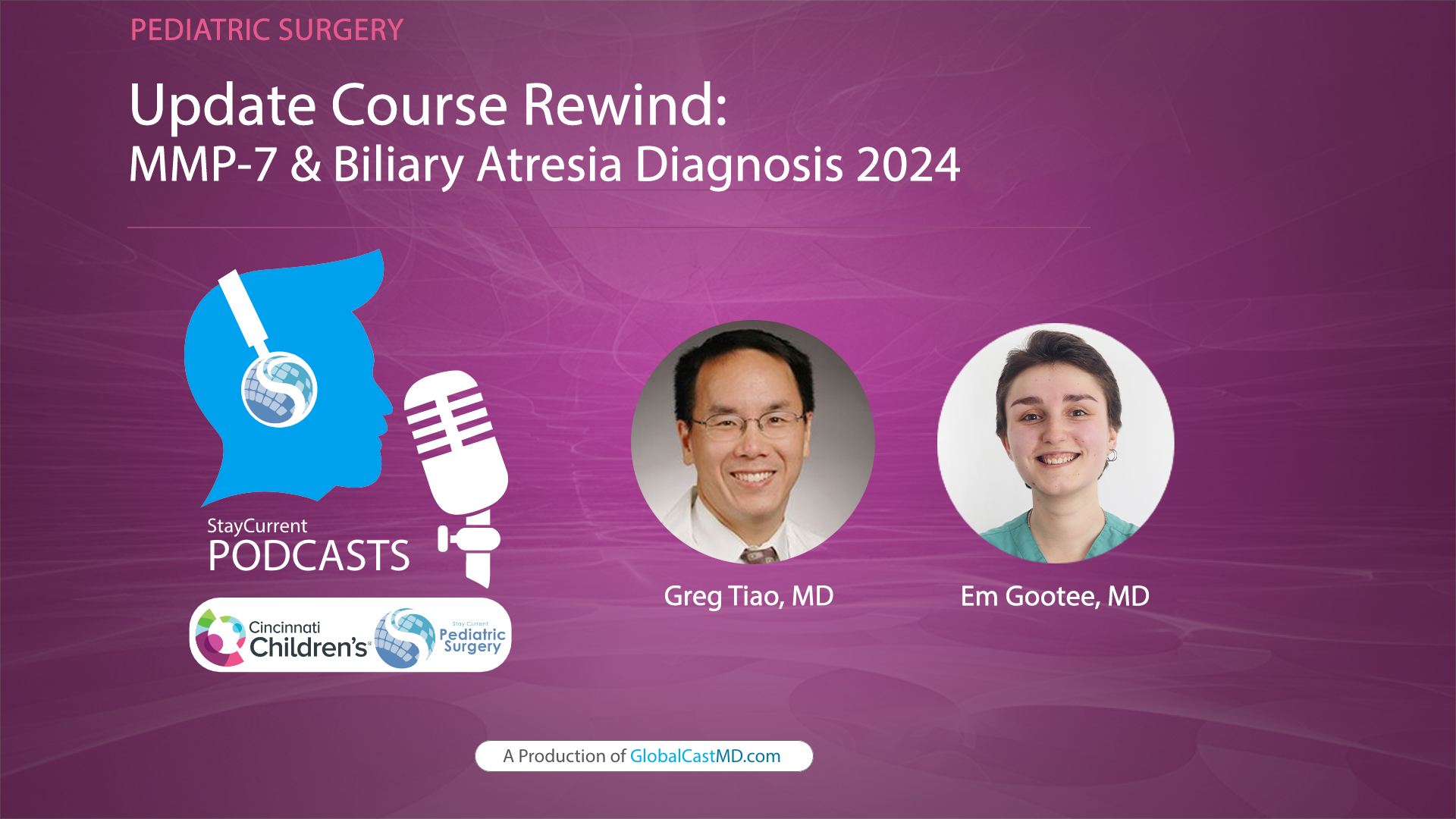
Update Course Rewind: MMP-7 & Biliary Atresia Diagnosis 2024
CCHMC Pediatric Surgery · 6 min · Published Mar 2025
Video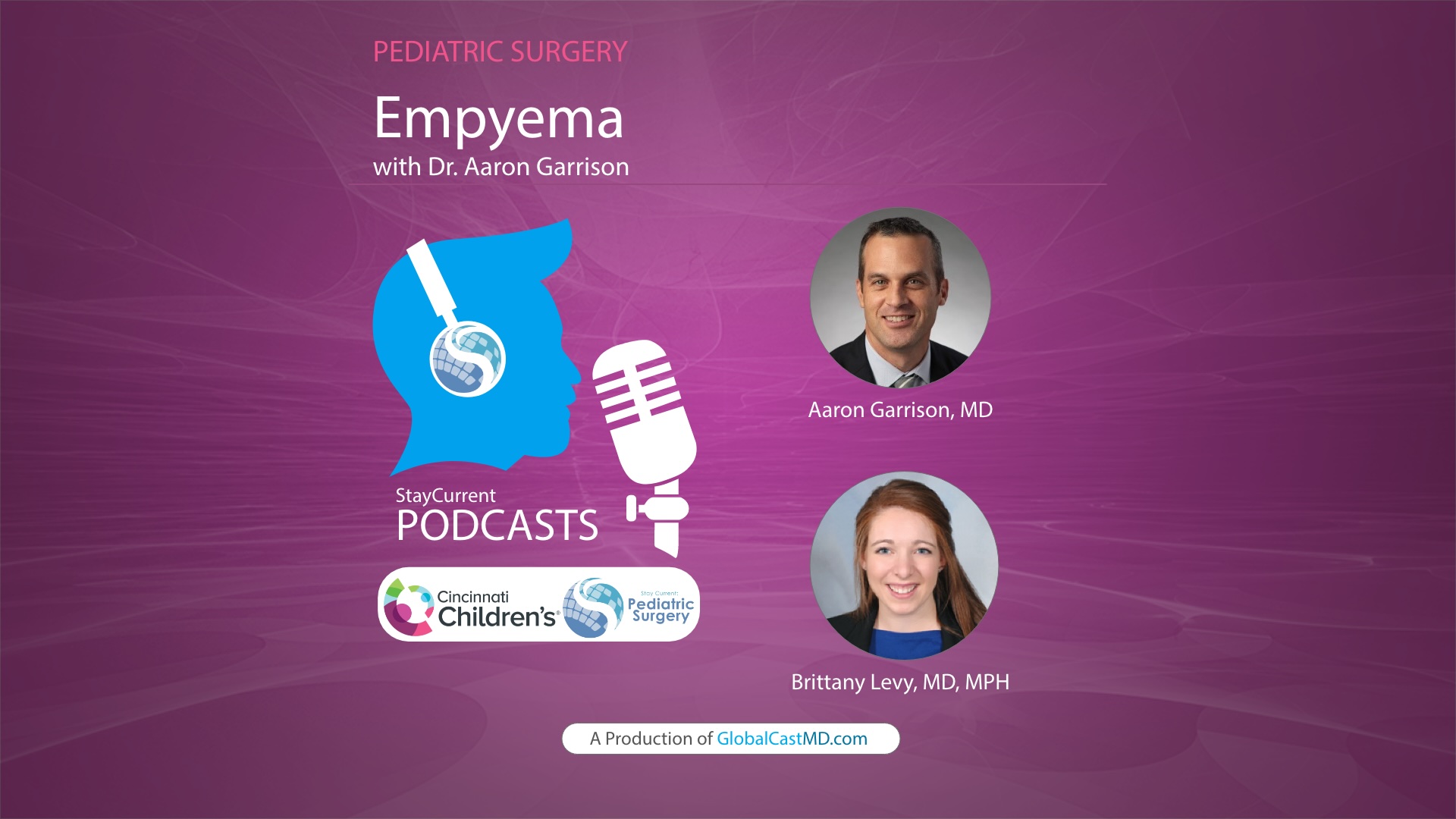
Empyema with Dr. Aaron Garrison
CCHMC Pediatric Surgery · 13 min · Published Feb 2025
Video
QUAD #26 - Use of Ultrashort Echo-Time MRI to Measure Tracheomalacia in Neonates with Esophageal Atresia with Dr. Douglas von Allmen
CCHMC Pediatric Surgery · 5 min · Published Feb 2025
Video
QUAD #17 - Innominate Artery Compression and Management Through The Neck - Dr. Doug von Allmen
CCHMC Pediatric Surgery · 5 min · Published Feb 2025
Video
GYN #4 Management of Tubal Torsion: When to Consider Salpingectomy with Dr. Lesley Breech
CCHMC Pediatric Surgery · Published Oct 2024
Podcast
Pyloric Stenosis with Dr. Alex Bondoc
16 min · Published Jun 2024
Video
GYN #3 Management of an Adnexal Torsion with a Healthy Appearing Ovary with Dr. Lesley Breech
CCHMC Pediatric Surgery · Published May 2024
Video
GYN #1 Importance of Documenting Reproductive Anatomy with Dr. Lesley Breech
CCHMC Pediatric Surgery · Published Feb 2024
Podcast
Esophageal Replacement with Dr. Dan von Allmen
13 min · Published Nov 2023
Podcast
Hepatic Infections: Hepatitis, Abscess & Cysts with Dr. Alex Bondoc
15 min · Published Oct 2023