


Chapter 1 of 4 · Evidence & Research
Introduction and First Paper Setup
Expert statements on this page
No expert statements were drawn from this page.
Host summaries · secondary, not cited in answers
Educational content from recorded physician discussions — not medical advice. Talk to your (or your child's) care team about your situation.
Video
Prophylactic Acid-suppression Medication to Prevent Anastomotic Strictures After Oesophageal Atresia Surgery
Published Dec 2023
Video
APSA - Effect of transanastomotic feeding tubes on anastomotic strictures in patients with esophageal atresia and tracheoesophageal fistula- the Quebec experience - Kathryn LaRusso
8 min · Published May 2022
Video
Comparison of robotic versus thoracoscopic repair for congenital esophageal atresia
56 s · Published Feb 2024
Video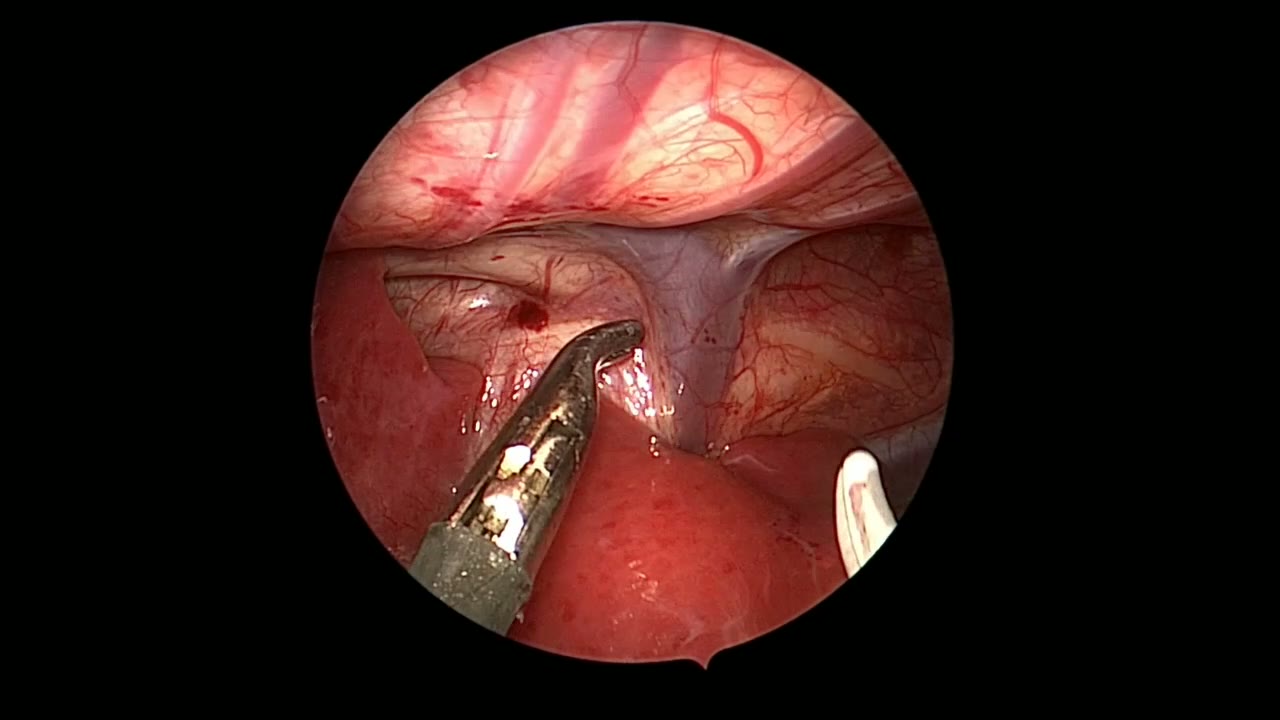
JRS TEF SHORT
Dr. Steve Rothenberg · 2 min · Published May 2026
Video
Glycopyrrolate for Anastomtic Dehiscence in Esophageal Atresia
2 min · Published May 2017
Video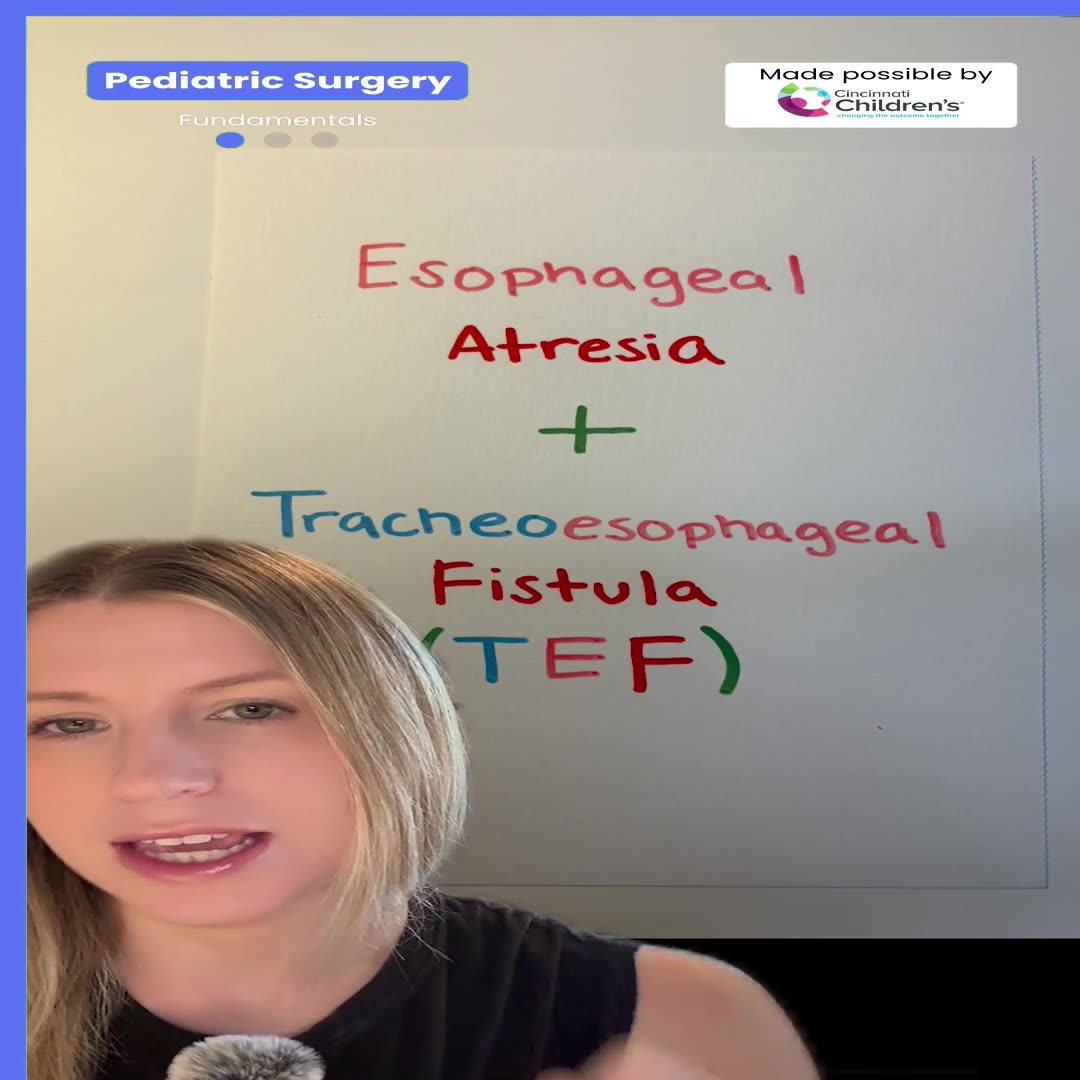
Esophageal Atresia & Tracheoesophageal Fistula (EA/TEF) Types Explained for Pediatric Surgery
2 min · Published Sep 2026
Video
Update Course Rewind: 2024 Top Ten Key Takeaways
Dr. Todd Ponsky · 18 min · Published Jun 2025
Video
Update Course Rewind: MMP-7 & Biliary Atresia Diagnosis 2024
CCHMC Pediatric Surgery · 6 min · Published Mar 2025
Podcast
Journal of Pediatric Surgery Article Review: 2nd Quarter (Apr-Jun) 2024
17 min · Published Sep 2024
Video
Características clínicas y pronóstico de la atresia de vías biliares con niveles bajos de metaloproteinasa 7 de la matriz sérica
55 s · Published Jul 2024
Video
Clinical Characteristics and Prognosis of Biliary Atresia with Low Serum Matrix Metalloproteinase-7 Levels
55 s · Published Jul 2024
Video
Jingying Jiang, MD - Best of the Best in Pediatric Surgery 2024
Dr. Todd Ponsky · 6 min · Published Feb 2024
Video
Intestinal Atresia Types Explained: Grossfeld Classification for Pediatric Surgery
1 min · Published Sep 2026
Video
Derivation and validation of the Pediatric Community-Acquired Pneumonia Severity (PedCAPS) score: A prospective cohort study
50 s · Published Sep 2026
Video
FETO for Late-Diagnosed Severe Congenital Diaphragmatic Hernia (CDH) at Cincinnati Children's with Dr. Beth Rymeski
4 min · Published Sep 2026
Video
Severe Congenital Diaphragmatic Hernia (CDH) Case: FETO Management & Unexpected Findings with Dr. Beth Rymeski
3 min · Published Sep 2026
Video
Fetoscopic Endoluminal Tracheal Occlusion (FETO) Procedure: Step-by-Step Guide with Dr. Beth Rymeski
4 min · Published Sep 2026
Video
Choledochal Cyst Types Explained: Pediatric Surgery Fundamentals
1 min · Published Sep 2026
What the experts said
Patients with a transanastomotic tube had a 2.72 times higher risk of developing a stricture post-operatively after esophageal atresia with tracheoesophageal fistula repair
The Midwest Pediatric Surgery Consortium study examined every patient who had a laparoscopic pyloric myotomy to identify patent processus vaginalis and followed them annually
Of 526 patients enrolled in the PPV study, 283 had a patent processus vaginalis (bilateral, right, or left)
Of 208 patients with at least one year follow-up, only three underwent inguinal hernia repair, all within the first year
Most patent processus vaginalis do not turn into inguinal hernias based on four-year interim analysis data
Liver transplantation for biliary atresia can be performed as initial treatment (primary) or after failed Kasai hepatoportoenterostomy (salvage)
The current standard in the US for biliary atresia is Kasai first and liver transplant only if that fails
Children who had an early salvage liver transplant (before age one) and children who had a primary liver transplant had similar outcomes
Children who had a late salvage liver transplant had improved graft survival compared to other groups
Some children who undergo the Kasai procedure will never end up needing a liver transplant
Social risk screening in pediatrics involves screening for risk factors including food and housing insecurity, financial strain, and unsafe environments
Current social risk screening protocols may not be effective and may actually lead to more inequities
There is low concordance between screening results showing who might need resources and who is actually asking for more resources
Families may feel uncomfortable with social risk screening and may think there might be downstream repercussions based on their answers
There may be racial biases in screening practices, with non-white patients potentially being asked social risk questions more often