


From
StayCurrentMD
Pediatric Obesity Is a Disease: Treatment, Medications, Surgery & Equity in Care with Dr. Justin Ryder
With Dr. Justin Ryder
Chapter 1 of 6 · Fundamentals
Disease definition
Introduction and Obesity as a Multifactorial Disease
Expert statements on this page
No expert statements were drawn from this page.
Host summaries · secondary, not cited in answers
Educational content from recorded physician discussions — not medical advice. Talk to your (or your child's) care team about your situation.
Video
Public Policies to Address Obesity: Pediatric Obesity 2017
46 min · Published Feb 2018
Video
Obesity: Advanced Practice Providers
36 min · Published Feb 2014
Video
StayCurrent Forums - Obesity in Children
Dr. Todd Ponsky · Published Apr 2022
Video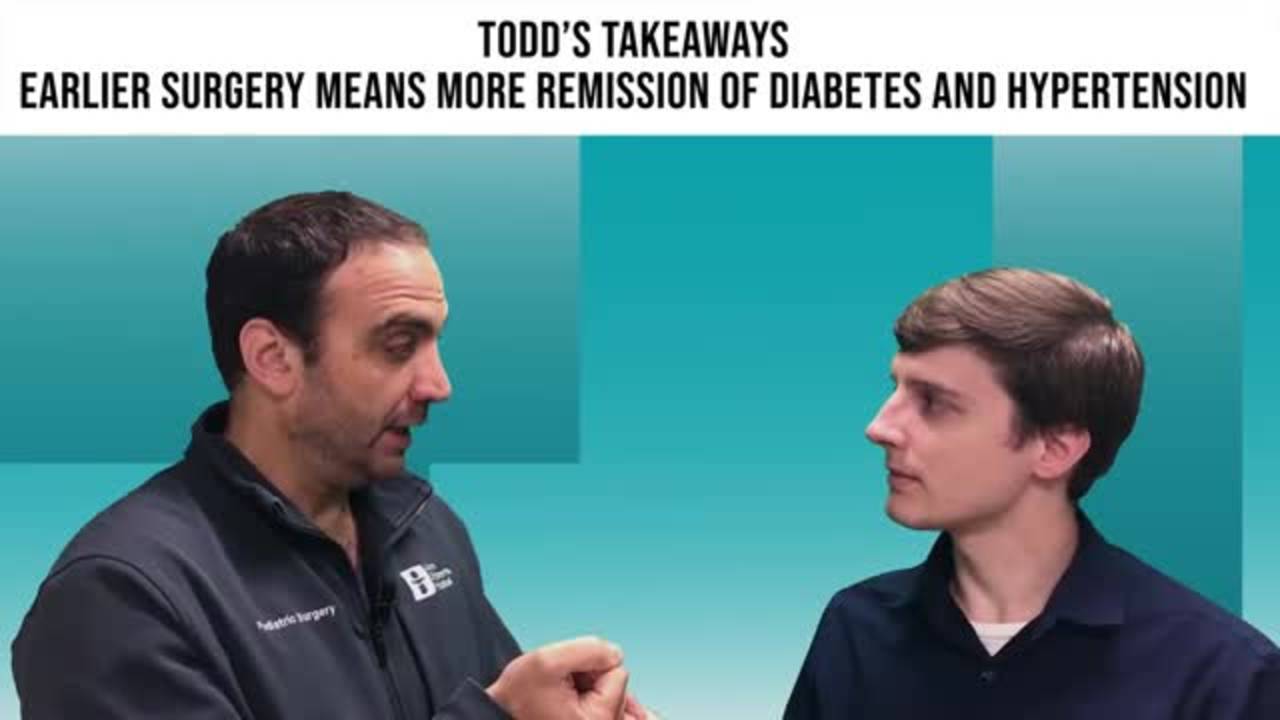
Bariatric surgery has improved remission of DMII and HTN when performed...
Published Aug 2019
Video
Update Course 2022 - TOP PUBLICATIONS IN NON- PED SURG JOURNALS - Jose Campos
27 min · Published Sep 2022
Video
Rapid Fire and Conclusion: Pediatric Obesity 2017
23 min · Published Feb 2018
Video
Clinical & Research Update: Pediatric Liver Tumors - A Case-Based Discussion with Drs. Katherine Somers & Alex Bondoc
69 min · Published Apr 2026
Video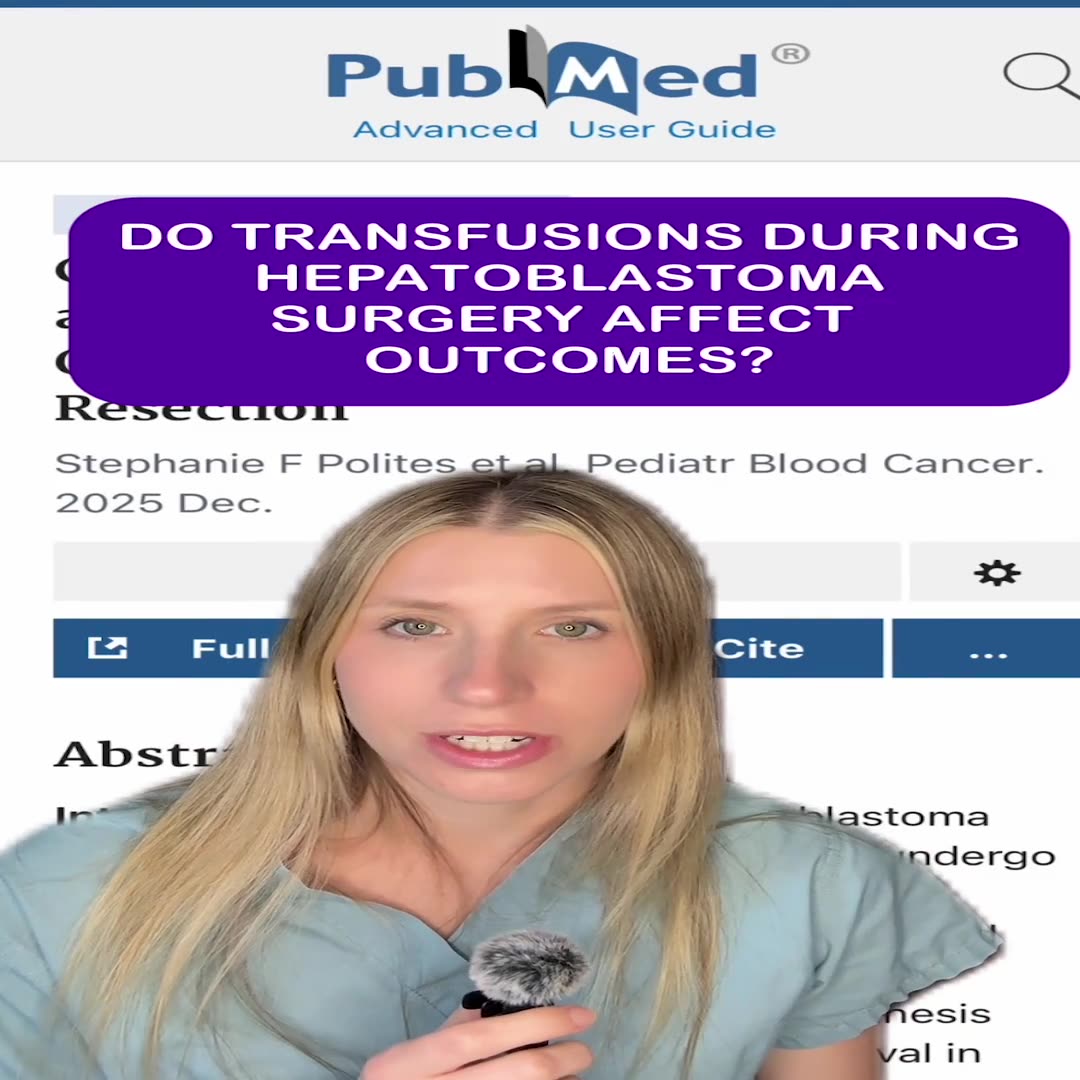
Characteristics of Transfusion and Association With Oncologic Outcomes in Hepatoblastoma Resection
1 min · Published Apr 2026
Video
Quality of Life Outcomes for Patients Who Underwent Conventional Resection and Liver Transplantation for Locally Advanced Hepatoblastoma
1 min · Published Jan 2026
Video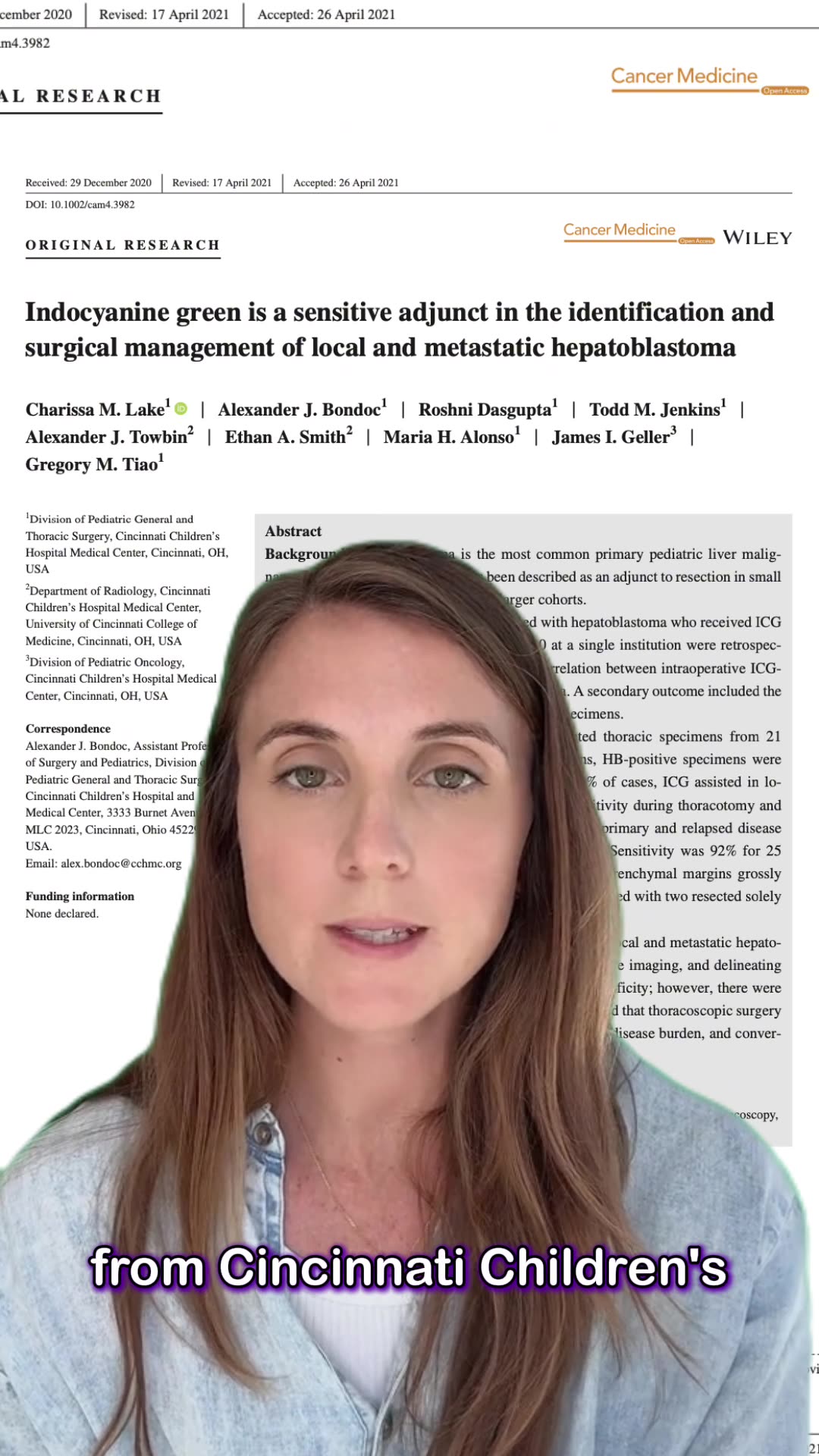
Indocyanine green is a sensitive adjunct in the identification and surgical management of local and metastatic hepatoblastoma
1 min · Published Jan 2026
Video
Retreatment with Cisplatin May Provide a Survival Advantage for Children with Relapsed/Refractory Hepatoblastoma: An Institutional Experience
1 min · Published Jan 2026
Video
Social Determinants of Health Influence on Survival in Wilms Tumor, Neuroblastoma, and Hepatoblastoma
1 min · Published Jan 2026
Video
Intestinal Atresia Types Explained: Grossfeld Classification for Pediatric Surgery
1 min · Published Sep 2026
Video
Derivation and validation of the Pediatric Community-Acquired Pneumonia Severity (PedCAPS) score: A prospective cohort study
50 s · Published Sep 2026
Video
FETO for Late-Diagnosed Severe Congenital Diaphragmatic Hernia (CDH) at Cincinnati Children's with Dr. Beth Rymeski
4 min · Published Sep 2026
Video
Severe Congenital Diaphragmatic Hernia (CDH) Case: FETO Management & Unexpected Findings with Dr. Beth Rymeski
3 min · Published Sep 2026
Video
Fetoscopic Endoluminal Tracheal Occlusion (FETO) Procedure: Step-by-Step Guide with Dr. Beth Rymeski
4 min · Published Sep 2026
Video
Choledochal Cyst Types Explained: Pediatric Surgery Fundamentals
1 min · Published Sep 2026
What the experts said
Obesity is a disease impacted by behavior and represents a multifactorial disease impacted by a robust gene-environment interaction.
Obesity is influenced by numerous factors including genetics, epigenetics, appetite and satiety hormone dysregulation, stress, economics, adverse life experiences, and environmental factors like calorically dense foods and sedentary lifestyles.
Historically, about 90% of efforts over the past 50 years have been on prevention of childhood obesity.
The new AAP clinical practice guidelines clearly state that obesity is a disease.
Treatment should be offered to all children above the 85th percentile, and there should be no more watchful waiting.
The guidelines describe a non-linear continuum of care starting with intensive health, behavior, and lifestyle treatment involving more than 26 contact hours over a 3 to 12-month period.
Pharmacotherapy is FDA labeled for adolescents above the age of 12.
Currently, there are 5 medications that are FDA approved for the treatment of adolescents with obesity.
Bariatric surgery should be considered for those over the age of 13 years old with a BMI 1.2 times the 95th percentile.
Wegovy, a GLP-1 receptor agonist, causes about 17% weight loss and is FDA approved in adolescents.
Data in adults on tirzepatide shows significant change in body weight compared to placebo.
Oral GLP-1 medications are on the way in a few short years.
Bariatric surgery studies show sustained weight loss in both adults and adolescent cohorts over several years.
There is no difference between Roux-en-Y gastric bypass and vertical sleeve gastrectomy in terms of percent BMI change from baseline over a 10-year period.
There is significant heterogeneity in response to bariatric surgery, and weight regain is a significant problem.
Bariatric surgery produces substantial improvements in conditions that commonly occur with obesity, like hypertension, diabetes, and high lipids.
Weight regain is driven by a complex interplay between behaviors like physical activity and energy intake, and biological factors like energy expenditure and appetite and satiety hormones that regulate how full you feel.
Weight regain factors are all influenced by genetics and the environment, including puberty, race, and socioeconomic status.
It is much easier to lose weight than to keep it off, which is demonstrated across many studies.
Metabolic dysfunction-associated steatotic liver disease (MASLD) is the most prevalent pediatric liver disease.
Obesity is a significant risk factor for MASLD.
About 20% of youth in the United States have obesity, which is roughly 15 million children.
Approximately 5 million children have both obesity and MASLD.
Between 250,000 and 1 million children with obesity and MASLD will progress to cirrhosis and needing a liver transplant or having hepatocellular carcinoma.
There are racial and ethnic differences in MASLD prevalence.
Obesity affects at least 35% of adults and 20% of children in Illinois alone.
The rates of severe forms of obesity are only increasing.
Obesity significantly increases the risk of long-term health problems and early death.
The economic impact of obesity is substantial, with reductions in GDP and increases in state spending.
Obesity is a disease driven by biology and it is no one's fault.
Access to effective obesity medications is a health equity issue.
Obesity disproportionately affects people of color and those living in poverty.
Organizations like the Stop Obesity Alliance are working to analyze how states are covering obesity medications in Medicaid programs, and there is significant variation across the country.