
Pediatric Obesity
Everything in the library about pediatric obesity — built automatically from the recorded discussions that name it
Educational content from recorded physician discussions — not medical advice. Always talk to your child's care team about your child's situation.
Content of this collection
Fundamentals
2 items

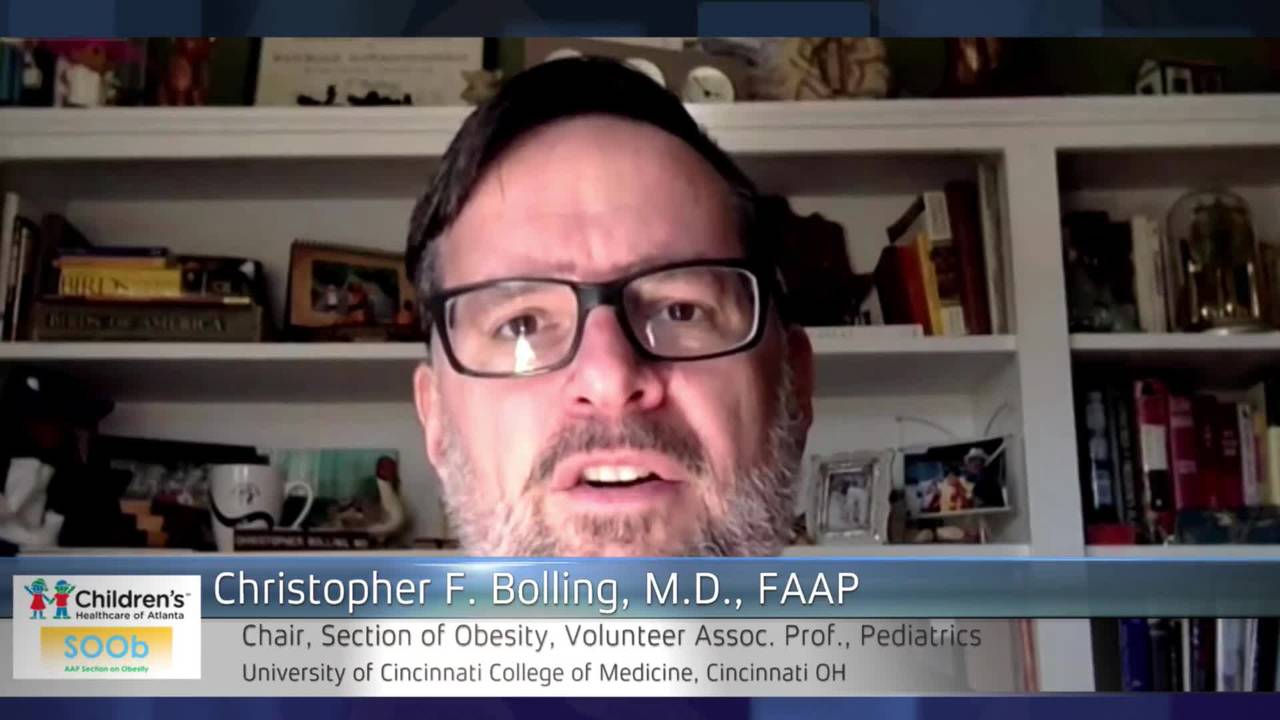
Welcome & Introduction: Pediatric Obesity 2017
Watch →
Dr. Mark Wulkan, Dr. Stephanie Walsh, and Dr. Christopher Bolling introduce the faculty involved in the 2017 Pediatric Obesity course.
video3:14 · Sep 2018
Social Determinants of Health: Pediatric Obesity 2017
Watch →
Dr. Christopher Bolling discusses the determinants in the development of childhood obesity, including toxic stress and epigenetics, and resources available, such as Parent Connext.
video42:31 · Sep 2018
Medical Management
1 item

Pharmacology: Pediatric Obesity 2017
Watch →
Dr. Claudia Fox discusses various options for pharmacologic therapy for the management of pediatric obesity.
video45:08 · Sep 2018
Evidence & Research
3 items


Psychology Journal Club: Pediatric Obesity 2017
Watch →
Sheethal Reddy, PhD, reviews social and emotional problems and parenting styles in childhood obesity, with the article "Early Child Social-Emotional Problems and Child Obesity: Exploring the Protecting Role of a Primary Care-Based General P
video27:51 · Sep 2018
Nutrition Journal Club: Pediatric Obesity 2017
Watch →
Kristen Fuller, MS, RDN, LD, CSP, reviews the role of apps that use photos to motivate weight loss, with the article "Is a Picture Worth a Thousand Words? Few Evidence-Based Features of Dietary Interventions Included in Photo Diet Tracking
video31:44 · Sep 2018
Exercise Journal Club: Pediatric Obesity 2017
Watch →
Jodi DeModna, MS, reviews the importance of exercise in the management of pediatric obesity through the article "From Kindergarten through Second Grade, US Children's Obesity Prevalence Grows Only During Summer Vacations."
video25:58 · Sep 2018
In-Depth Reviews
2 items
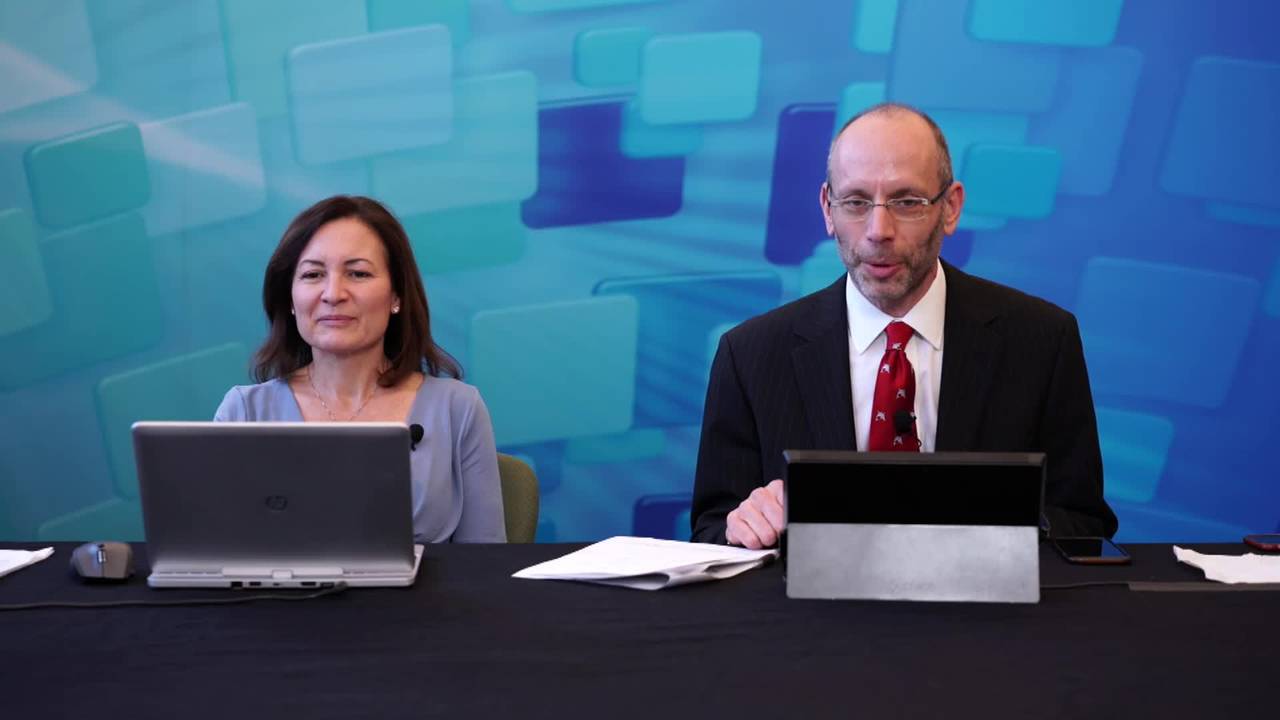

Rapid Fire and Conclusion: Pediatric Obesity 2017
Watch →
Dr. Mark Wulkan moderates a multidisciplinary rapid-fire session reviewing topics discussed throughout the day's course.
video23:37 · Sep 2018
Pediatric Obesity Is a Disease: Treatment, Medications, Surgery & Equity in Care with Dr. Justin Ryder
Watch →
In this segment from Lurie Children’s Hospital, Dr. Justin Ryder breaks down the evolving science and treatment paradigm of pediatric obesity—highlighting why it must be approached as a chronic, biologically driven disease rather than a lif
video6:48 · Mar 2026
Emerging & Future Directions
1 item

Public Policies to Address Obesity: Pediatric Obesity 2017
Watch →
Dr. Kelly Brownell reviews how public policy affects obesity in the United States, and interventions to help reduce its prevalence.
video46:10 · Sep 2018
Summaries and takeaways+ Show
The doctors in this collection+ Show
All expert statements+ Show
Every expert statement below comes from the recorded discussions, with its speaker and moment.
Rapid Fire and Conclusion: Pediatric Obesity 2017
BMIs in the 40s will predictably achieve post-surgical BMIs less than 30
clinical0:56 ↗
Earlier intervention in bariatric surgery improves quality of life for patients
clinical1:49 ↗
Operating at lower degrees of obesity allows moving patients into a much healthier state
host_summary2:27 ↗
Patients above BMI 55 have only about 14% probability of achieving BMI below 30 after surgery (data published by Tom in 2009)
host_summary3:05 ↗
Once BMI crosses 50 threshold, probability of mitigating risks associated with BMI 35+ becomes challenging
clinical3:32 ↗
Conversation about bariatric surgery should begin when BMI reaches mid-30s, especially with comorbidities
opinion3:59 ↗
At BMI 49, surgery may fail to get patients out of the severely obese category
clinical5:34 ↗
Topiramate and phentermine can be used as bridge therapy to buy time for patient maturity before surgery
clinical6:27 ↗
Medications can serve as bridge to surgery, primary therapeutic intervention, or post-surgical adjunct depending on patient needs
clinical7:06 ↗
Obesity is a heterogeneous disease requiring continuous treatment escalation based on individual patient response
clinical7:56 ↗
Medications should be initiated after 3-6 months in program when healthy living alone is insufficient to control disease
guideline8:31 ↗
Dexamphetamine has evidence base for hypothalamic obesity patients and may be needed pre- and post-surgery
clinical9:15 ↗
Hypothalamic obesity patients have biological drive to gain weight that defeats surgery, profoundly different from patients without brain injury
clinical9:32 ↗
Private insurers are limiting dietitian visits to 3 per year, inadequate for chronic disease management
clinical13:36 ↗
Sugar taxation decreases consumption and generates revenue (data shown by Gellibrano)
host_summary15:24 ↗
Taxing specific products like sugar will not have desired impact because obesity is not caused by sugar per se
opinion15:08 ↗
Most obese patients meet objective criteria for binge eating disorder when assessed with questionnaires, even without formal diagnosis
epidemiological19:53 ↗
Bariatric surgery demonstrates good resolution of binge eating disorder symptoms in adult literature (Jim Mitchell's work in LABS consortium)
host_summary20:20 ↗
Surgery is effective at extinguishing binge eating behaviors
clinical20:49 ↗
Prior binge eating disorder diagnosis may pose higher risk for relapse or weight regain long-term after surgery
clinical21:03 ↗
Rate of true diagnosable binge eating disorder in obese pediatric patients is under 5% when screened with diagnostic criteria
epidemiological21:33 ↗
Disordered eating (restricting during day, overeating in evening) is present in many obese patients even without formal eating disorder diagnosis
clinical21:18 ↗
Patients who develop fear of eating and severe restriction should be referred to eating disorders programs
guideline21:51 ↗
Disordered eating applies to nearly every obese patient, involving feelings and emotions around eating, food, and restricting, even without meeting DSM criteria
clinical22:20 ↗
Pediatric Obesity Is a Disease: Treatment, Medications, Surgery & Equity in Care with Dr. Justin Ryder
Obesity is a disease impacted by behavior and represents a multifactorial disease impacted by a robust gene-environment interaction.
clinicalJustin Ryder0:32 ↗
Obesity is influenced by numerous factors including genetics, epigenetics, appetite and satiety hormone dysregulation, stress, economics, adverse life experiences, and environmental factors like calorically dense foods and sedentary lifestyles.
clinicalJustin Ryder0:44 ↗
Historically, about 90% of efforts over the past 50 years have been on prevention of childhood obesity.
epidemiologicalJustin Ryder1:08 ↗
The new AAP clinical practice guidelines clearly state that obesity is a disease.
guidelineJustin Ryder1:15 ↗
Treatment should be offered to all children above the 85th percentile, and there should be no more watchful waiting.
guidelineJustin Ryder1:25 ↗
The guidelines describe a non-linear continuum of care starting with intensive health, behavior, and lifestyle treatment involving more than 26 contact hours over a 3 to 12-month period.
guidelineJustin Ryder1:41 ↗
What's new+ Show