


From
StayCurrentMD
A multi-institutional comparison of management techniques for infants with giant omphalocele
hosted by Dr. Lizzie Lee
Chapter 1 of 1 · Evidence & Research
Comparison of Giant Omphalocele Management Techniques
Expert statements on this page
No expert statements were drawn from this page.
Host summaries · secondary, not cited in answers
Educational content from recorded physician discussions — not medical advice. Talk to your (or your child's) care team about your situation.
Video
Tricks - Omphalocele - Approach & Component Separation For Suture Closure &...
32 min · Published Nov 2018
Video
Approach and component separation for suture closure and underlay mesh...
Dr. Todd Ponsky · 31 min · Published Jul 2017
Video
Use of a new vertical traction device for early traction-assisted staged closure of congenital abdominal wall defects: a prospective series of 16 patients
56 s · Published Nov 2024
Video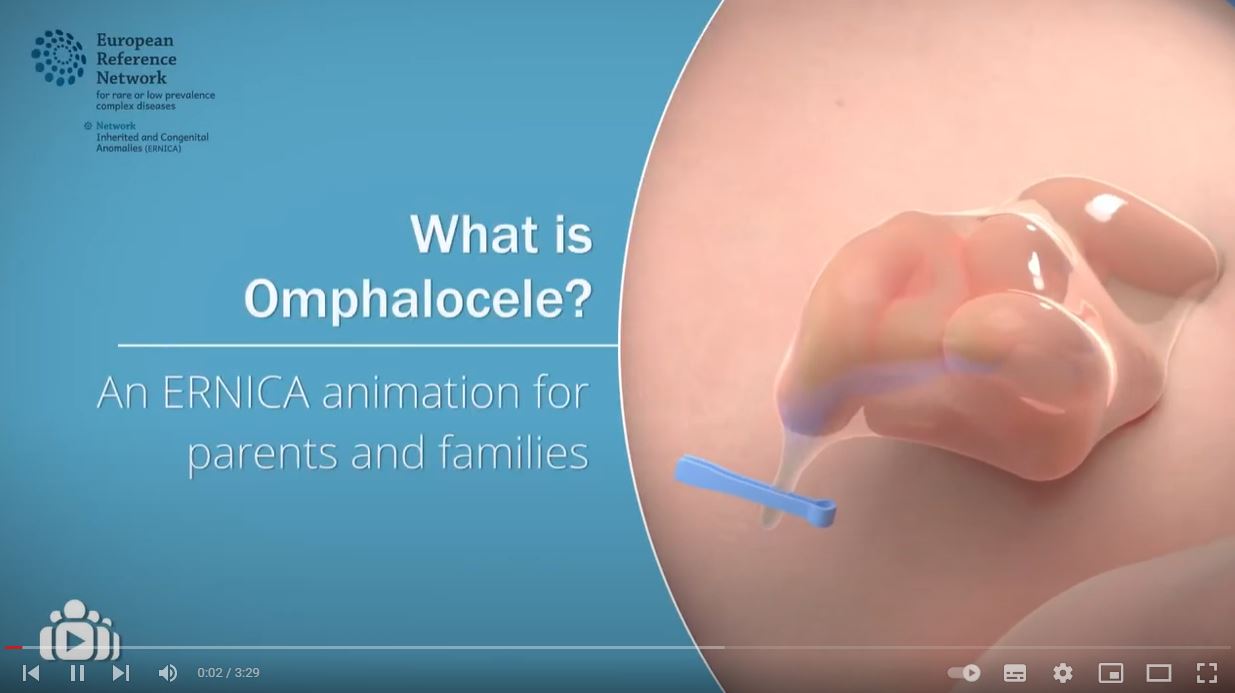
What is Omphalocele? An ERNICA animation for parents and families
3 min · Published Dec 2023
Video
Quick Literature Updates Episode 20
4 min · Published Jun 2025
Podcast
IFMSS 2019 Clinical Studies
19 min · Published Nov 2022
Podcast
Update Course Rewind: Omphalocele & Gastroschisis 2020
Miguel Guelfand · 15 min · Published Jul 2026
Video
Surgeon annual volume impacts recurrence rates of pediatric inguinal hernia repairs: A multi-institutional study
54 s · Published Feb 2026
Video
Quick Literature Updates Ep 22
4 min · Published Oct 2025
Video
Educational Outcomes in School-Aged Children With a History of Simple and Complex Gastroschisis are Poor Compared to Controls
53 s · Published Apr 2025
Video
Quick Literature Updates Episode 16
4 min · Published Jan 2025
Video
Management of Gastroschisis: Timing of Delivery, Antibiotic Usage, and Closure Considerations
55 s · Published Jan 2025
Video
Intestinal Atresia Types Explained: Grossfeld Classification for Pediatric Surgery
1 min · Published Sep 2026
Video
Derivation and validation of the Pediatric Community-Acquired Pneumonia Severity (PedCAPS) score: A prospective cohort study
50 s · Published Sep 2026
Video
FETO for Late-Diagnosed Severe Congenital Diaphragmatic Hernia (CDH) at Cincinnati Children's with Dr. Beth Rymeski
4 min · Published Sep 2026
Video
Severe Congenital Diaphragmatic Hernia (CDH) Case: FETO Management & Unexpected Findings with Dr. Beth Rymeski
3 min · Published Sep 2026
Video
Fetoscopic Endoluminal Tracheal Occlusion (FETO) Procedure: Step-by-Step Guide with Dr. Beth Rymeski
4 min · Published Sep 2026
Video
Choledochal Cyst Types Explained: Pediatric Surgery Fundamentals
1 min · Published Sep 2026
What the experts said
The study examined 117 infants with giant omphalocele
Four treatment approaches were compared: paint-and-wait, operative silos, compression techniques, and Duoderm silo
Babies treated with Duoderm silo were most likely to have their abdomen closed in one surgery
Approximately 80% of infants treated with Duoderm silo achieved single-surgery abdominal closure
Some babies treated with operative silos achieved closure sooner than other methods
Complication rates were similar across all four management methods
Almost half of infants required 6 months or more before complete abdominal closure could be achieved
There is no universal best treatment approach for giant omphalocele
Duoderm silos may be particularly beneficial when the goal is single-stage abdominal closure