38
Views
0
Likes
0
Shares
0
Comments
StayCurrentMD
View profile →
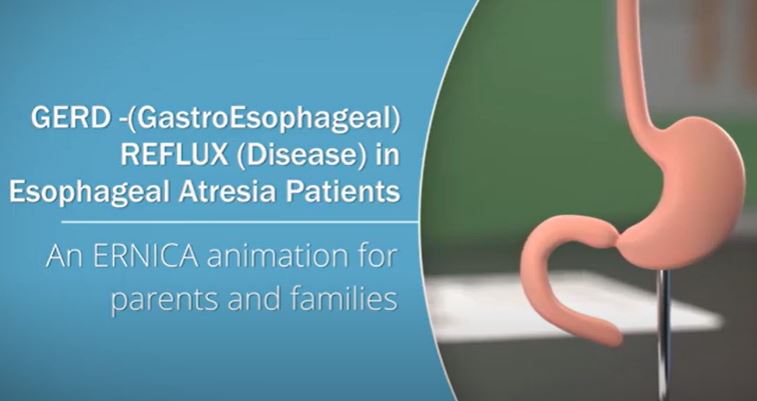
Pediatric Gastroesophageal Reflux Disease
Published:
Topic overview
Expert discussion on pediatric GERD diagnosis and management featuring Dr. Rachel Rosen (Boston Children's Hospital) and Dr. Witt Holcomb (Children's Mercy). Emphasizes differential diagnosis including aspiration and food allergy, multidisciplinary workup approach, and evidence-based treatment selection including surgical intervention considerations.
Timestops
0:04
Introduction and Expert Panel Overview
2:49
Infant Reflux: Diagnosis and Management
9:41
Eosinophilic Esophagitis in Pediatric Patients
19:48
Premature Infants: Feeding Tubes and Aspiration
38:12
pH Impedance Testing and Indications
47:23
Surgical Fundoplication: Technique and Outcomes
70:02
Post-Fundoplication Complications and Management
78:00
Rumination Syndrome and Closing Remarks
Key takeaways
- Oropharyngeal dysphagia with aspiration during swallowing is more common than GERD in infants with vomiting and respiratory symptoms.
- Video fluoroscopic swallow study should precede reflux workup to rule out aspiration as the primary cause of symptoms.
- Milk protein intolerance is a key masquerader of GERD in infants; consider formula change before invasive testing.
- PPIs are rarely beneficial in infants under 1 year because they reflux non-acidic milk content, not gastric acid.
- Multidisciplinary evaluation (GI, pulmonary, ENT) is essential before proceeding to surgical intervention for suspected GERD.
Keywords
Hashtags
Transcript
Click "Show Transcript" to view the full text (79078 characters)
Stay Current is a multimedia publication designed to keep healthcare professionals up to date with standards of care and new emerging ideas. This chapter is created and edited by Todd Tomsky, Sophia Abdulhai, Abduloof Lamoshi, and Rajavendra Rao and is recorded and produced at Akron Children's Hospital in Akron, Ohio. Welcome to Stay Current in Pediatric Surgery. This is Todd Ponsky recording from Akron Children's Hospital. And today, we're gonna be talking about a topic I've been hoping to do over the past couple of years, and that is gastroesophageal reflux and talking about the role of the Nissent fundoplication or any surgical intervention. And I've been trying to figure out how do we do this and who do we have on the panel, and how do we get down to the workup, diagnosis, and treatment. And uh a little story here. I was in Sicily and I met a pediatric gastroenterologist from Boston Children's Hospital. His name was Victor Fox, and I asked him, About who he thought would be the, the world's expert in this and in his world in pediatric GI and he didn't hesitate a second and said it would be Doctor Rachel Rosen. And we are very fortunate to have Doctor Rachel Rosen here with us today to speak about a lot of these controversies in pediatric reflux. Doctor Rosen is the director of the Aerodigestive Center at Boston Children's Hospital. She's associate professor of pediatrics at Harvard Medical School. She's a pediatric gastroenterologist at Boston Children's, but she really specializes in motility. So Rachel, thank you very much for joining us. Thanks for having me. And to make it more fun, we got a surgeon here with us, definitely, uh, someone we've had on the, the podcast before. Doctor Witt Holcomb. Uh, Doctor Holcomb is the senior vice president of Children's Mercy Hospital in Kansas City. He is the editor in chief of our journal, The Journal of Pediatric Surgery, and the author of the textbook that, uh, most of us use in pediatric surgery, and definitely, uh, has been on the forefront of the laparoscopicness and fundoplication and MRSA. The hospital has been also a point of interest from a surgical reflux, uh, solution, as they, they've talked about and, and written about all sorts of different surgical therapies for reflux. So I wanted to get some discussion going. This might be different than previous podcasts as we might have some disagreement, which, uh, most of you know I love, and that helps us figure out what the right thing to do is. So, uh, Witt, thanks for joining us. Glad to be here, Todd. So let's jump right into it and we'll go through a few cases and uh we'll, we'll try to see what each of you think about uh the answers to these questions. So, first, Rachel, let me start with you. Let's say you get called about a 6 month old patient who has had some vomiting, uh, and they've had some respiratory symptoms, coughing, wheezing, and they've also had a little bit of failure to thrive as well. How do you start off working up this patient? Yeah, that's a fairly typical patient that we have in the aero digestive center, so I think From a GI perspective, what we have to figure out first is, is reflux really the issue, which is often the reason that they're referred to us, or is there something else going on? And I think in our experience the vast majority of kids who have vomiting, respiratory symptoms, wheezing are more likely to have oropharyngeal dysphagia and aspiration during swallowing than gastroesophageal reflux. And I think for us our first goal is to figure out, you know, what's the real problem, or are we being fooled by symptoms that could mimic both and so usually in these kids' cases we rarely would proceed without a video fluoroscopic study to start with, which I know we're talking about reflux, but The number one masquerader that we see in kids this age who have respiratory symptoms and vomiting is aspiration. So that's probably where I would start. And then if that's normal, then we have to go down the consideration of reflux diagnoses and other things that might be going on. All right, so how do you, where do you go from there? So let's say you do the swallow study and it shows no penetration from above, yeah, so. I think then the next step that we have to figure out is, is GI, is there a GI cause for it, and if we think it's reflux, is it just run of the mill reflux based on this child's age where the peak age of reflux is between 4 and 6 months of age, or is there something else like food allergy, which again when we think about big masqueraders for us, it's, you know, if this kid have a milk protein intolerance where the presenting symptom is exactly this with vomiting and res. Respiratory symptoms. So and I know we're going to talk about therapies, but one of the things that we would do if we saw this kid out of the bat off the bat is, you know, do we thicken their feeds? Do we change their formula? Do we start with some of those noninvasive things before we even do any diagnostic testing in a in a child this young? OK, so I like that. So let's say you try those methods, you thicken the formula, and they still have persistent symptoms. Yeah, so. That this is where we again tend to go down the multidisciplinary approach where we would potentially scope this patient with both pulmonary and otolaryngology joining in. We would rarely start with a probe in this age group again because what we're interested in is masqueraders. We would rarely put a baby like this on proton pump inhibitors. There's more and more evidence in children under the age of 1 that they're not beneficial because these kids, what they're refluxing is non-acidic gastric content. So when you think about what babies reflux, babies reflux milk. They're fed basically every 2 to 3 hours. And when you look at the normal gastric emptying of infants, they still have milk in their stomach for up to 2 to 3 hours. It's only once you get to the 3 hour mark where you start getting acid production. And so. Um, you know, proton pump inhibitors just aren't going to help in this age group where they're really refluxing non-accid reflux, so a pH probe would not be helpful typically in these, in these young kids. Let me stop you there because already, already I'm so happy we are doing this because I'm already learning here. So tell me the age group when you say that that acid reflux, you said it's 1 to 4 months, is that what you said? So in any kid that's. Every 2 to 3 hours you're not going to see significant acid production because they still have milk or formula in their stomach. So when we start thinking about acid, we start thinking about kids who have had nothing to eat or drink for 3 to 4 hours after a meal is when we start seeing the pH probe start to pick up acid, for example. So if you are very interested in that postprandial period where Kids are having symptoms and the kid is less than one, you really need to think about how can I measure nonnacid reflux or how can I measure milk coming up into the esophagus. It's not enough just to do a pH probe and measure acid, OK? And also I'm assuming then this goes without saying based on what you just said, but the neonates and the risk of or a preemie and the risk of getting necrotizing enterocolitis from anti-reflux meds, is that, is that a true, is that a true thing? Yeah, I mean, your, your point is an excellent one. We worry about all kinds of infections in this age group. So, you know, studies have shown both with H2 blockers and PPIs you can get sepsis, UTIs, necrotizing enterocolitis. Kids are at increased risk for pneumonia. Pneumonias, pharyngitis, upper respiratory infections, and then just GI bugs as well as C. diff. So we're very worried about the microbiome changes in these kids. And so we think very hard about what their differential is before we just throw them on antacids. This is great. So let me make sure I got this right. The kid, the 6 month old, comes to you. Uh, you, you do your work for oropharyngeal stuff. You try food allergy treatments. You thicken the feeds. You try those things. What you would not do is treat them with a PPI to see if it helps, correct? OK, so that's a big, go ahead, especially in this case with it where you have respiratory symptoms as a predominant symptom. Last thing you want to do is push them over the edge with more respiratory symptoms by prescribing a proton pump inhibitor. I love this. OK. And but you would do an endoscopy, yeah, OK. And what are you looking for an endoscopy? Yeah, so the main thing I'm really looking for is eosinophilic esophagitis because what I want to make sure of is that we're not dealing with oesophageal inflammation related to food allergy and I think one of the most controversial things, at least in the PGI world, is do you scope before you've tried them on an antacid, or do you scope after you've tried them on a trial? And I think especially in the aero digestive population where I don't want to start a proton pump inhibitor, I think it's important to scope early so you have some idea of what's going on. You can give a definitive diagnosis, which if you treat them with proton pump inhibitors, the esophagus in many cases is going to heal, and then you don't know what you're treating. OK, so I, I have so many questions that I'm really wondering if we're gonna get through all of this and may have to do a part two, but I don't want to skip this because I think it's important. You talked about EOE, eosinophilic esophagitis. I'll tell you that we have thousands of listeners from different countries, and I'm not sure that this is as prevalent or discussed in every part of the world. Can you give me a brief synopsis of EOE and what it is and what we should look out for and how we treat it? Yeah, sure. So eosinophilic esophagitis is an allergic condition of the esophagus that presents with a variety of symptoms in kids under the age of 5, the biggest, most common presentation is actually chronic cough. So when you're looking at young kids, number one presentation is cough. Number 2 presentation can be vomiting or failure to thrive. So in this kid's case it's high on my differential diagnosis. And when you scope all kids under the age of 5 or so who are presenting with respiratory symptoms, you'll find this allergic or eosinophilic esophagitis in about 10% of kids. So it's fairly common when we do endoscopies in older kids. This will present with chest pain, food impactions, dysphagia. Those are the main symptoms in the older kids. So these are the kids that we get called in in the middle of the night because of a chicken impaction or other food impactions. But in Young age group, which is what this case is, the presentation is cough and growth issues. So a couple questions. First, I want to point out to the listeners out there, this has been very new for me, maybe only over the last 5 years that I've really seen so much of this now. All of these these children coming in, as you mentioned with food impaction, they so frequently turn out to have eosinophilic esophagitis, and it If you may in your region may not be a big problem that's discussed a lot, I can tell you that it's uh we're finding it more and more. Um, how do you treat them? Yeah, so I think when you go through kind of the treatment or the diagnostic algorithm of kids who are presenting, for example, with vomiting, your point is critical, which is that you really need to scope every kid before they would get a Nissan because you don't want to wrap a kid who has allergic esophagitis or eosinophilic esophagitis, and I can't stress that enough. So you do the initial endoscopy, you see that there's Eosinophils there. The old tenet used to be, OK, then you treat them with a proton pump inhibitor and you see, does that esophagitis go away? If it goes away, it's reflux. If it doesn't go away, it's eosinophilic esophagitis. In the in the new criteria, that's no longer the case. So now there's a whole other category of proton pump inhibitor responsive eosinophilic esophagitis. So there's now allergic. Disease that responds to proton pump inhibitors. So the long and short of it is if you have inflammation of the esophagus, you can treat with a proton pump inhibitor, or you may go down the route of changing kids' diets, taking out allergens, or even giving them steroids. OK. And what is it that they eliminate? Is it eggs? And I don't even remember what what do you? Yeah, so if you're, if you're a betting person, the most likely thing the kids are allergic to is dairy. In about 60 to 70% of kids. So this is why in our reflux algorithm, the first thing that we change is to a non-dairy or a protein hydrolysate formula, partially hydrolysate formula or an amino acid-based formula. So we take dairy out as our first step. Some, some centers do allergy testing, others don't. Others eliminate the big allergens milk, soy, wheat, egg. So every center's a little bit different. Got it. And um so right now we have this child we've we've uh done the, the swallow floral swallow study we've done these allergy, we've done an endoscopy, we've looked for food allergies we've tried different things um before we move forward and Witt, I want to invite you at any point in time to either chime in if you disagree, agree, or have a question for Rachel, but so far does this correlate with what you guys do in Kansas City? Well, yes and no in that. One thing Rachel has, uh, talked about, which I think is a great idea, but very few other places have created is a really a multidisciplinary clinic, an aerodigestive clinic so that you're working in tandem with your, uh, otolaryngologists, your GI doctors, perhaps your surgeons. And so I think that's really wonderful. We feel like we have a very close working relationship with our GI doctors, Uh, but we have not developed such a multidisciplinary approach that she and her colleagues have in Boston, so they are to be congratulated. I think she's raised some good points, and, and the reason, and this is really the reason that I don't believe that the surgeons should be the ones doing the workup of these children, so. You know, when I came to Kansas City 18 years ago, a lot of the pediatricians were sending patients directly to the surgeons for evaluation and management of reflux disease. Some of that was due to the fact that at the time we had, uh, really two GI doctors. Uh, now we have, I don't know, 25 or so. And so in all honesty, they didn't have as much time to be evaluating the infants and children. Back then, and now we have a better manpower situation. Uh, so at least if a, if a patient is sent to me initially, which really doesn't happen very much, uh, anymore, then I send them to our GI colleagues for their upfront evaluation because I think she's right. I, you know, I don't think that I've ever wrapped a child with eosinophilic esophagitis, but I certainly don't want to do that, and I don't believe that the surgeon, especially myself, is the best person to be, Evaluating all these other conditions that may be in play. And so it's, uh, it's my feeling that the patients ought to be worked up and evaluated by the gastroenterologist, perhaps the otolaryngologist, and then if it's felt that they have a disease that's amenable to an operation, in this case, a fundoplication, then the surgeon gets involved. So, So I really agree with what she has said, and I congratulate her and her colleagues for establishing such a multidisciplinary approach. And let me, let me second that, that I want to highlight that point to everyone listening that we also would often get sent maybe babies in the NICU who they call us to evaluate for a Nissan. And they, they are not always consulted GI first, and I think that that's a fantastic point that should become a standard, at least if you, if you, a lot of people may disagree with this, but I, I agree that that should, the first step is why don't you consult gastroenterology first and then we'll follow along. So Rachel, you've done your endoscopy. It does not look like EOE. Now what? Yeah, so Again, I think what I'm going to tell you is probably not the approach that many centers use, but I can give you kind of what we would do from a next step with a kid like this. If I have a kid who's vomiting and has respiratory symptoms, their scope is normal. I don't want to put them on a proton pump inhibitor. This would be a kid, for example, that I might go straight, for example, to a macrolide to manage their symptoms, which I know sounds a little bit unconventional, but we use a lot of erythromycin. In these babies who have respiratory symptoms, so macrolides are helpful. They're modal and agonist. They make the stomach, the antem of the stomach contract, and they can help with vomiting. But perhaps most importantly, the secondary benefit is it's an anti-inflammatory for the airway and lungs. So if I have a baby who has respiratory symptoms and has vomiting as a predominant symptom, I will often just put them on a macrolide. to help with their vomiting and respiratory symptoms, and that's often enough to get them over the hump if the conservative measures like thickening haven't improved their symptoms. So I know it's not the most traditional approach, but it's something that we are now doing pretty mainstream in kids with pulmonary symptoms. So that's a novel to me, and maybe our GI people are doing that. So again, I want to repeat, it sounds like you do suspect it. You haven't quite yet done any kind of study that I've heard thus far to make the diagnosis. So you treat with a macrolide, erythromycin, and you watch them and see how they do initially. Is that not a PPI? That's correct. And I think you get to one of the key points, which is at what point do you test, and it's really hard because the role, for example, of using a catheter like impedance probe or PH probe. Um, the best time to do that is in a kid who has daily symptoms, right? So there's no great normal values for the number of reflux episodes in a patient for pediatrics, and I think that that's what's really hard. So you do a probe and you get a number of reflux episodes. Well, is that normal or abnormal? There's no, there's no great number. So the best that we can do is try to correlate symptoms with reflux episodes on the probe. And so in this kid's case, where wheezing is the predominant symptom, it's much more intangible than, say, cough. If this baby had coughing, then that, then I would say, you know what, let's do a probe and see what we're dealing with because I can correlate cough with reflux episodes. But for a more nebulous symptom like wheezing, it's a trickier, it's a trickier thing. So that's why you're not hearing me say let's run to testing in this child, yeah, and I'll tell you, Rachel. I I'm curious what Witt says. I over the years have become less interested in any testing. I think so many of them have become just not helpful in my decision tree. I'm curious to hear what you teach us here, but more and more we've, I've not found as much value in pH impedance, in the, the milk emptying study, any of these things to help make the diagnosis, and we're going to obviously get into that soon. So let me ask you, so you do the, when you do the macrolide and you change the diet and they're still having failure to thrive and it's been, let's say a month now, now what? Yeah, so again this is my bias. This is the medical bias, but in my opinion that's rarely because of gastroesophageal reflux, so. I would go down a very big other differential before running to think about something like a surgical intervention for reflux and and again I think this is just. The medical bias that rarely is reflux a problem, especially when I know this kid is at 6 months of age, the peak age, they should reflux should be improving as solid food is introduced. So if this is reflux, I'm going to try to buy as much time with management. If this kid was 9 or 10 months of age, we may be having a different story, but even then. Reflux in, in my opinion, is rarely a cause for these symptoms. So still you keep going with the erythromycin, the different food changes really in your head, and I don't want to put words in your mouth, Rachel, so correct me if I'm saying this wrong, in your head. Reflux is kind of low on the list here, so you're gonna really work hard over the months to try to find what else might be causing this other than reflux so you're not jumping to doing PH impedance or anything right away, OK, wit, um, and by the way I want to in a minute go to the most common patient we get, which is the newborn in the NICU, but, but before we get there, wit, do you disagree, agree with anything that's been said so far? Uh, no, I don't. I think that, um, what Rachel has described really are, are changes and modifications that have occurred over the past decade or two, and a lot of it's because we learned or we know so much more now than we did, you know, 10 or 20 years ago. So I, I think her approach is, is very reasonable. I will just make one correction, Todd, and I, I think because you had mentioned that. She has not done any testing now, but it was my understanding that she had done an endoscopy. Correct, uh, now, so I just wanted to make sure that the audience appreciated that she has done an endoscopy looking for uh eosinophilic esophagitis, and so I would consider that a test that's been done so far. You're right, and, and I, I thank you for pointing that out. And actually, so let me use that as another question. Would you get an upper GI to make sure their anatomy is normal? Yeah, so that's a tricky issue and because our rate of positive upper GIs is pretty low in kids, I think if you're having true failure to thrive and can't get the kid to gain, you're pretty much obligated to get an upper GI to make sure things look OK. And I'm looking as much for mal rotation as I am for, you know, a variety of other things. I mean, what if you're gonna get your video fluoroscopic study at our hospital, we use that to look at TES and just to make sure again we're not looking for other diagnoses that are going. On, so I think once if you, if you're dealing with a happy spitter who's wheezing, I wouldn't do an upper GI. But if you're trying to feed this kid and can't get the calories in because of the vomiting is so significant, then absolutely you're obligated to get some barium imaging. Todd, I think Rachel's made a good point that I think gradually the clinicians, whether it's surgeon or gastroenterologist or primary care providers. Are getting the message out is that an upper GI is really not a good study for reflux. And so, but at the same time, in the past, studies has been done to evaluate for reflux, and it's really not a good study, and we've shown and others have shown in numerous studies that it doesn't, um, it doesn't document reflux very well, and the reason really is that if the child's not refluxing right when the radiology technician, Uh, steps on the, uh, pedal to take the x-ray, then it's not going to show reflux. And so an upper GI is, uh, is useful for identifying any, uh, anatomical problems. It's just that that doesn't happen very often. We did a study, as you know, in a large number of patients in which the upper GI was done and pH studies were done. This was a few years ago. And really the upper GI, uh, did not help with diagnosing the reflux, but it did help identifying an anatomical problem in about 4% of patients. So the incidence of anatomical problems is not high, but at the same time, that's a, a relatively, uh, easily correctable problem in most cases. So I, I think I, I love the point you made and to add that even if the upper GI does show reflux, it doesn't mean anything because everyone refluxes. So for both reasons, it's not helpful to diagnose it, and I, I love the point that you and Rachel both alluded to and that the incidence of a malrotation or an anatomic anomaly causing this is so low that we may not need to be as aggressive with getting these in everyone. And Rachel, I love how you put it. The happy wheezer doesn't necessarily need it, but a true failure to thrive, you know, it may be worth checking it. So I think the summary point there is it's still in our armamentarium for ruling out anatomic problems, not to diagnose reflux, but should be used more sparingly than we've probably used in the past. All right, wait, let me ask you a question, then I wanna hear Rachel's answer. Let's, let's, before we get, you know, I'm obviously trying to get this kid to the operating room in, in my scenario, but let's, let's, let's back up. When you get called to the NICU for a premature baby who, let's say he's, uh, he's 8 weeks old now, was born at, uh, 30 weeks. Gestational age and they cannot feed the baby. The baby spits up. They can't get the child to take any feeds without throwing up. They've switched to nasal gastric feeds and the child is doing quite well with nasal gastric feeds. So they're calling you to place a gastrostomy tube. They usually don't call GI first at my center for this. They just would call us for a G tube. Do you evaluate these children to see if they need a Nissan, and uh if so, how? and then I'm gonna ask Rachel the same question. Well, in that scenario, I'd be concerned with an oral pharyngeal mobility issue. And then go ahead and so I would have them, well, in our center at least, we usually have our speech therapy team are the ones who, who run those studies. So I would have them evaluate the child before I did anything else. OK, so, um. If, if they, they do that, they have a, they find out that there is penetration and they're tolerating their nasal gastric feeds fine and they're asking you for a G tube, would you be satisfied with that and take them for a for a G tube alone without working them up any further? Well, I'll tell you that's, that's to me a difficult problem or difficult question to answer. If the child was, say, 1 year old or 1 year and a half years old. And this often happens, say they're neurologically impaired or even not neurologically impaired, but they are sent home with an NG feedings, then you've had time to evaluate whether or not they have significant reflux symptoms, and if you talk to the family and they really don't have much clinical reflux symptoms, then I would just do a G tube in that particular patient. Now, the, The patient that you described is, is, in my opinion, difficult to figure out what's best to do. The hesitancy for surgeons with just doing a gastrostomy is that you might have to come back and do another operation. So it's a second anesthesia and second procedure. So that's why historically, surgeons have tried to group the, the fundoplication and the gastrostomy into one operation. And I imagine that there are, uh, a number of patients who really didn't need the, uh, fundoplication. So, at, at 8 weeks of, of age, if the child's tolerating the nasal gastric feedings, then I would consider continuing the nasal gastric feedings. In your scenario, the child was 30 gestational age weeks and is now 8 weeks old, so it's 38 weeks, and so the child's not likely to go home, Uh, anytime soon. So I would continue the nasal gastric feedings and address the issue of whether or not to do a gastrostomy and or a fundopplacation shortly before birth. And, and the reason, I'm sorry, the reason I'd say that is that that would give you more time to evaluate clinically whether or not they have, uh, a reflux component. To avoid having to do two operations. Right. OK, Rachel. Yeah, I actually agree completely with Dr. Holcomb. I couldn't agree more. So I think, you know, what we typically say is that, you know, reflux doesn't cause a problem unless you can't protect your airway, and you know, in a baby like this where clearly as soon as you put that NG in there fine, absolutely points to orpharyngeal dysphagia. When you look at the natural history of this, the majority of kids will outgrow their orpharyngeal dysphagia by 3 to 4 months of age in the study that came out in JPGN. And so I think you're really buying time here. You're putting in an NG. You're doing small volume oral feeds, even just 10 cc twice a day until that swallow function improves over time. I think the longer you can keep that NG in, the better, and There's data showing that in kids like this who have this amount of dysphagia in the NICU, that about 75% of them will get the NG out and not need to go on to gastrostomy. So I think absolutely the key is to buy time with that NG and just try to, you know, get that kid over the developmental hump. So I agree completely. OK, so yet another point that you guys are teaching me. I'm probably on the more aggressive side. I don't love sending now I agree completely while they're in the hospital, keep them on NG, but Rachel, you said, uh, something I wanna repeat because it's critical for, for me to know this, that you said after around 3 or 4 months, most will outgrow their oral pharyngeal. OK, so they're probably not gonna be in the NICU for that long, so you send them home with NG feeds. Yeah, so we send them home with an NG tube. The reason is because when we looked at our own data at Boston Children's and we looked at rates of hospitalization, once the gastrostomy goes in in children that aspirate from oropharyngeal dysphagia, their rates of hospitalization are about 15 times higher than if you just fed them by mouth, even in kids who aspirate all textures. So for us we're very aggressive about continuing to feed them and not putting that gastrostomy in whenever possible. Wait, I want to repeat that you're saying you feed them by mouth, not just in G tube, correct, even with, even with knowing that they aspirate, correct? So it's really important to keep those skills progressing. So even in kids who aspirate thin liquids, nectar, thick honey, thick, we will still give them something by mouth to keep the skills going and then repeat cereal swallow studies to look for signs of improvement. If we don't see signs of improvement, we're going down a different. Diagnostic evaluation with otolaryngology for laryngeal clefts and all of this other stuff, but in the otherwise healthy child whose swallow study continues to improve, we gradually start liberalizing the amount that they're given orally. OK, but while you're advancing them, they are home getting nasal gastric feeds, correct? What is this is? Tell me, Rachel, maybe you're going to make me feel better. Here I've maybe had this unrealistic fear of that, that, that when you, the tube comes out a lot, the parents have to replace it, that one of these times they're going to put it down the airway. Is that that sounds like it doesn't happen that often. No, it doesn't. You know, we always offer families to learn how to place it so they can replace it at home. It's the key is the age group here. So the majority of the case that we're Talking about, for example, is a neonate when they're under 3 months of age, it just doesn't come out that frequently. It's trickier when they get to be a bit older, but even in the older kids they often are able to keep it in. Now this is not always the case, but in the vast majority of cases we're able to avoid gastrostomy tube with education. This is great. So in our place, I don't think there's anything wrong with sending the child home for. A month or two, from the NICU, uh, with a nasogastric tube. Now you've got to realize that most NICU babies are, if you send them home for a month or two, they've probably already been in the NICU for a month or two. So they're, you know, 34, sometimes 5 months of age. But after, at least in my mind, after 4 or 5 or 6 months of age, and I'm sure that. That age changes, uh, depending on each individual baby's circumstances, then I think that, that the caregivers can make a reasonable determination. Whether or not they are going to, they're progressing nicely or they're static or they're regressing. And whether or not a more, more permanent internal feeding site is, is required. So I don't think a temporary nasal gastric tube is that bad, and, And I would agree with Rachel that in many circumstances the nasogastric tube feedings are not particularly bad. The problem comes with the nasojejunal feedings, and that's, at least in our experience or my experience, those are the ones that often require repeated trips to IR to have the tooth put in in the correct position and that type of thing. So at least at where we're talking about now. Having a nasogastric tube in is, is not so bad for them, you know, until they're 3 or 4, until they're 45 or 6 months of age, and then a determination can be made whether or not they need a gastrostomy. All right, so let me feed what you just said to Rachel in a different way. So Rachel, there's a child that I described before. They were feeding and spitting up and having failure to thrive. They tried nasal gastric feeds. The baby was spitting it all up, and then they put in a nasal jejunal tube, and lo and behold, the baby's able to tolerate everything. So, so let's take this baby that that with just a to how do you manage that child? Do you send them home with nasal duojunal feeds? Yeah, no, I agree completely. Those nasal duojunal tubes are a nightmare, and I, we just don't have luck with them, to be honest. It's one thing if they're in the hospital and you can keep a close eye on those kids and make sure that NJ tube stays in. But at home I think it's a bit of a mess. I think, you know, the way we tend to use the NJ as a test to see if Nissan is a reasonable option. What we typically will say is if your, if your symptoms go away with an NJ, you know, then reflux likely really is playing a role here and then Nissan. Be an option now there's, you know, a couple caveats to that, which is, you know, why couldn't they tolerate the G feeds, right? So do they have a motility disorder such that you're worried about such delayed gastric emptying that if you wrap this patient you're going to create a closed system and they're going to wretch like crazy. And you know, or you know what other reasons that they're not tolerating gastric feeds. And you know, when you think about what other tests are in our diagnostic armamentarium, this is where you start thinking, should I get that gastric emptying scan? Should I see if the stomach is emptying at all? And if it's not, do I need to do something else like pyloric Botox or something more aggressive? OK, let me try to challenge you, which is a dangerous thing because you know so much more than me, but we'll have fun here. So my understanding, Rachel, is that these patients that have poor gastric emptying that by doing a fundoplication most of the time that dysmotility goes away. um, what are your thoughts on that? Yeah, I think it's, it's variable. I think it's just variable depending on the kid, you know, for example, let's suppose you had a kid who was wretching pre, right? So I think when you look at the kids who are the most miserable post Nissan, it's the kids that were wretching pre-op because they wretch a lot post-op too, and I think, you know, I think a little bit depends on is it gas delays in gastric emptying that are symptomatic or are they not symptomatic, and you know. I think that, you know, sometimes changes, changes what we think about. If I have a kid who's wretching a lot, I'm not sure I would send that kid to Fo. I would try to buy time with prolonged GJ feeds or I mean if possible, but if they're not wretching, OK, well then maybe NSN is a possibility if their feeds go away with general feeds. I love this algorithm. This is really, yeah, go ahead, Witt. I would like to thank Rachel for not sending that child who's wretching preoperatively to the surgeons and And most surgeons would be glad not to see a child who's wretching before the operation because everyone will know that that child will have wretching problems post-operatively and, and, um, sometimes even though you explain that to the families, there, it doesn't, that little piece of information doesn't always stick and so when they, when you see them postoperatively, you know, and they're wretching, then the families oftentimes can't figure out, you know, if you did the right operation or something else happened, but. But anyway, I, I completely agree with her is that the, the, when you're a surgeon and you're talking to the families about their young infants, that if the, if the mother or father indicate that the child's wretching preoperatively, and that's a question that every surgeon should ask the family, then you need to counsel the family that that probably will happen, uh, to some extent postoperatively. I, I think that's a phenomenal point, definitely one of our frustrations, and I wanna just make sure I highlight before we move on, uh, Rachel, I've moved away from PH impedance and, and PH probes and all these things. I do the test that you sort of alluded to, which was if they don't tolerate NG but they do tolerate NJ, that's one of my best diagnostic tests that they may benefit from a fundo. I, I wanna make sure that we're not missing anything from either you or Wit. So if you have a patient. That went through this algorithm. By the way, can you use the macrolides even in a preemie like this? Yeah, you just have to watch out for development of pyloric stenosis. So again, you just have to keep an eye on, you know, the symptoms and make sure they're not changing once you start a macrolide. That's a great point. OK, so you, you start them on the medical therapy, you try different feeding techniques, you try the NJ feed, and they do well. At what point are you thinking it's time to send this patient for a fundo? So from my perspective I think a home NJ is not an option. I just, I think it's not so I think if this is a patient who is stuck in the hospital and they're doing great with NJ, then your options are think about a Nissan or think about a surgical J and that that's where we would go. All right. And what, do you have a different thought on that or no? No, I would agree. I think that uh we don't. I can't remember the last time we actually put a, a surgical, uh, ostomy in, so we obviously would gravitate more to doing the fundoplication, but, but I think that's a, uh, I, I think more and more, uh, clinicians are recognizing that that test about feeding, uh, uh, through a nasojunal, uh, tube, uh, seems to be a good test for, uh, whether or not they actually truly have reflux disease, and, And we are like many other centers, and we're moving away from the diagnostic test to more a clinical evaluation of the patient's symptoms and what you just said is what I think is the general major takeaway so far in this recording that it's becoming, it's moving from diagnostic test to more of a clinical diagnosis, which is, this is fantastic. So I will tell you, Todd, that And I don't want to get too nuanced, but I find the impedance test, the PH impedance test, sometimes useful in that neurologically impaired child who seems to be pretty good and you need to put a gastrostomy in them, but there's something in the back of your mind that makes you think that they might have a reflux component to some of their symptoms, and you're sort of on the fence. And so sometimes it's helpful to get a PH and edance study in that scenario. But I don't think that we should be getting pH impedance studies, you know, routinely on every patient that's being evaluated for reflux. OK, so, Rachel, what is the role of PH impedance? Yeah, so I think it, it, if you have symptoms that are unusual or not easily explained, so for example some of the respiratory symptoms, so the apnea, bradycardia episodes, those that is a reasonable indication to do a probe again in our experience, 75% of the cases, those are because of aspiration during swallowing, not for. But before you would ever think about doing a big surgery in somebody, I would do a probe in a kid who's having death spells. I in the older kid that's becoming more and more critical to do probes. So when you think about, for example, the teenager with chest pain or with reflux symptoms, so the new diagnostic criteria using room 4, there's 3 different. Different diagnostic categories now for adults and older kids, which is you can have non-neosive reflux disease, which is the nerd category where you do a scope, it's normal. You do a probe and they have an abnormal amount of acid, and those are the patients that you'd say, OK, if they have an abnormal amount of acid, put those patients on a proton pump inhibitor for their chest pain. But now you have two new categories, which is the reflux hypersensitivity. So these are the kids who have chest pain. You scope them, it's normal. You put a probe in them, a pH probe or an impedance, and what you find is that there's not an abnormal amount of reflux, but when they reflux, they feel it. So these are the kids that the pH probe is normal by all technical standards, but every time they reflux they have. Pain and those are the kids that actually or adults who might respond to a Nsin or would respond to proton pump inhibitors, but they don't have an abnormal amount of acid. And then there's the last group which I think we worry a lot about, which are the functional heartburns, which are the kids that their scope is normal, their acid burden by pH probe is normal, and their symptom correlation is negative. So there's no relationship between their symptoms and their pain. And I think Those are the ones that tend to keep coming back to the GIs or presumably to the surgeons too, saying I need you to get rid of this reflux, but really when you do their probe, it's not reflux at all, it's just functional pain, and you need to treat the pain symptoms rather than jump to fundoplication. I want to make sure that we touch on this because I don't think we talk about this as much as you do, the room 4 classification. So I heard you say the the the nerd classification. Can you tell us what that stands for? Yeah, non-erosive reflux disease. So these patients have an abnormal acid burden, so their pH probe is abnormal, but their scopes are normal. OK, so these are the ones that are most likely to respond to Nissan or they're most likely to respond to proton pump inhibitors, and those are the kids that you guys want to see if they're going to go if if the families are interested. I mean proton pump inhibitors work great in this group, but so so might surgery. OK. And then there was the reflux hypersensitivity and the functional heartburn. So those are the three categories, OK. Hey Todd, can I ask Rachel a question? So Rachel, one question that surgeons always have for our gastroenterology colleagues is how long is too long to treat patients with say PPIs or similar agents? I mean. Is it, is it like 6 months too long? Is 6 years too long, or how do you all determine that? Or is it, is it forever? What a great question. And I think that's probably the million dollar question in GI right now. So the new GERD guidelines, which are joint guidelines between North America and Europe, just came out within the last week trying to address this issue, and I think In light of more and more data about the negative effects of proton pump inhibitors long term, such as, you know, on bones and now adult data on a variety of organ systems, the goal is always to try to wean patients off as best you can. The new guidelines are saying that you can treat for 2 months and then try to wean it. If you can't wean it, then you go back on the drug, but that the goal should be to try to wean 2, ideally 2 times a year to try to get patients ultimately off the drug. That having been said, there are many patients who are on it long term and are perfectly comfortable taking their once a day proton pump inhibitors, and they're fine. The question is then, you know, how do we monitor these kids? What should we be looking for? And the answer is that nobody really knows. Typically I'll get a CBC blood counts and make sure that there's no signs of anemia, and I'll check a set of electrolytes, which is recommended by the FDA, but short of that there's not a lot of other guidance from any of the organizations on how to monitor patients long term. So even though we do have patients on them, There's not a lot of data. What I typically will do though is at some point after they've been on it for 2 or 3 years, I'm gonna re-study them. I'm going to scope them again. I'm gonna maybe do a probe again and see what their reflux burden is rather than what we used to do, which is put them on these drugs and park them there for years. Well, let me, my, my question, um, if you can, if you start treating the patient, we'll say at one year or thereabouts, and, and you treat them throughout their, say, childhood. Yeah. Isn't it likely that they're going to continue to need that throughout their adolescence and adulthood? Yeah, absolutely. I mean, the data suggests if you have reflux beyond the age of, you know, 3 or 4, you're like. To continue to have it long term, so you're exactly right, you know, and then it comes down to do you rather have a kid on meds or do you think about surgery and I guess that's a great segue into kind of the recurrent fundo placation issue and kind of the longevity of PPIs versus fundo. Yeah, sure. So what are your thoughts on that, Rachel? So you know I'm a medical person, so my bias is I'll take a PPI over a fundo any day. But I think, you know, again my bias is that I take care of all the motility kids, so I see a lot of kids who've had multiple fundo placations, and I think, you know, our goal is to try to avoid multiple surgeries whenever possible. So I think if a if a kid's symptoms are reasonably well controlled over on a proton pump inhibitor, I'll take that. I'll take that long term. But go ahead, go ahead. No, I was going to say Rachel probably doesn't. Know, uh, our background as well as we do, but, um, that's one reason, Todd, that I, I and our colleagues in Kansas City are trying to make the perfect fund application and, uh, paying attention to the technical aspects. Because in our recent prospective randomized trial, we had, we had out of 107 patients that were randomized, you know, to a couple of different techniques, neither group required a redo fundoplication for a slipped disc and and at least Rachel in our experience, the primary reason for having to do a redo is because you have transmigration of the wrap into the chest, and so. Um-hum. We spent 15 years or so trying to investigate this issue surgically and, and we feel like we've come up with, you know, what we call, you know, jokingly the perfect Nissan, uh, but. The idea is that, uh, I think all surgeons would completely agree with you that if we can, if we can prevent the need to do, redo surgeries, then it's a, it's a really good option for long term therapy for, uh, for patients with, uh, reflux disease. So, um, and, and actually what I was gonna hit on the same point, and this is where I wanted to sort of highlight. The controversy as a as a surgeon, Rachel, looking around the country we've seen that some institutions do sub substantially more fundos than others. There's such a wide variability in the practice and how many. There are some institutions where really, really high rates of Nissans. However, we have found that some places have much better outcomes than others. Uh, and I, to give you an example, Thane Blendman just published a paper out of CHP where their, their rate of redo fundallication and Thane has. Uh, trained specifically in this as a subsequent training in Colorado with Steve Rothenberg, his recurrence rate was 2.5%. So a lot of us debate that it's that instead of, you know, we can't really classify it as surgery because it's so different based on where it's being done that some places really do have a technique that shows a substantially better outcome than others, and that's what, go ahead. No, I was going to say, and I think also it depends a little bit on the indication because when we look at the kids that in our experience that tend to do the worst, it's the kid who had a Nissan for pulmonary reasons. So when we look at kids who are aspirating during swallowing and then they get a Nissan, well, what happens is their saliva then pools in their esophagus over their Nissan, right? And that or they continue to aspirate their saliva, so those kids are gagging, wretching, coughing all of the time. And I think it gets to the issue of did you do the wrap because they actually had reflux disease or did you do the wrap because they have multifactorial disease? And I think if you do a Nissan for the reason that you have pretty clear evidence that it's reflux, I think that's one thing and your outcomes are going to be better than if you do it because you're not sure what's going on. And you're trying to treat aspiration when really the aspiration is coming from the mouth, and I think those chronic cough gag wretchers tend to just do a lot worse with innocence. So let me ask you then a thing that Witt alluded to earlier which relates to that. So the neurologically impaired patient who doesn't necessarily have, maybe they have some reflux, there are some people believe that these children should get a fundoplication. Because they aspirate anything that gets up to their throat, and you know, this doesn't obviously eliminate the risk of saliva aspiration and, and as what you suggested may even increase it. What are your thoughts on, I'm gonna ask each of you, what, let me first ask you, do you believe that some of these children with neurologic impairment would benefit from a fundal placation? Not unless they actually have reflux. So are you more aggressive in those patients than non neurologically impaired patients? Well, I'm not sure. I, I'm not sure I'm actually more aggressive. I think I, I may bend a little bit towards doing a fundo in a 2 month old who's on the, you know, ventilator or, or has, uh, Neurologic impairment and has significant reflux, they can't get the child extubated and that type of thing, then I would be a 2 year old because if a 2 year old. Is tolerating their feedings well, but they sort of stop taking their feedings by mouth and they need a gastrostomy, but there are no reflux symptoms, then there's no indication, at least in my mind, to do a fundo on that particular child. So. Um-hum. So each child is different and one child with neurologic impairment is not what another child is. 11 thing that I have been impressed with as we travel around the world is that, There are a lot of children with neurological impairment that are being seen by international surgeons that their neurological impairment is much worse than we tend to see in the United States, and part of that, I think, is because the children, even children with neurological impairment, get into the healthcare system much earlier and so their neurologic impairment is not nearly as bad as A child who might have been neglected for, you know, 68, 10 years somewhere else around the world. And so I think that those surgeons are really dealing with a significant, uh, difficult patient population, and they usually go to a fundal placation and that that's reasonable, at least in our healthcare setting. I think it's fairly, it's fairly easy or fairly straightforward at least to identify whether or not they have reflux symptoms, and if they do, then you can do a fundoplication. If they don't, then I would not do one. OK. And Rachel, did you disagree with that? No, I think that seems reasonable. I mean, the other thing I was going to add, which has really changed kind of the management of reflux, is the use of blenderized feeds in kids who are fed by gastrostomy tubes. So I think Being able to use food instead of formula has really changed our rates of needing to think about this and fundoplication because now everything we're putting through the gastrostomy tube is so heavy because we're using regular food instead of formula and where the food migrates to the antrum away from the LAS and the cardia we've had much better luck managing these neurologically impaired children by just changes in diet rather than needing to go to surgery, so. I think that's another big practice change that we have had that has reduced our rates of needing to send patients. That's fascinating, and I want to just repeat it because that's new to me. So it's still through the G tube, but you blenderize food and because it's heavier they, they reflux it less and Goes towards the interim. That's correct. So we use table food and then typically we'll make those often we'll make those patients dairy free as well. So we're reconstituting the food with non-dairy products which I think also helps to control a lot of the reflux symptoms. OK. And Rachel, you had talked about Um, Botox, where does that fit into your, if, if they have delayed emptying, will you do Botox before you would, uh, let's say they're tolerating NJ feeds, but they're not tolerating NG feeds. Would you try Botox in them? Yeah, I would. There's rarely a kid that I wouldn't consider trying Botox on, and we get a gastric emptying scan just to make sure that there's, you know, that the emptying isn't fast. But in a kid who's wretching, for example, the cardiac kids, which I think are some of the hardest ones to control. And we will often do pyloric Botox in that patient population to see if we can get their symptoms under control. I mean talking about wretching, you know, Botox works great not only for delays in emptying but also with the sensory component that triggers the wretching. And similarly we use a lot of cyproheptadine or periactin to help with gastric accommodation, so to help control the wretching in kids. So again, if I think that the kid is not going to tolerate in this and because of the degree of wretching, they'll go into a combination of pyloric Botox plus some periactin or cyproheptadine. OK. And Rachel, does the pyloric Botox then have to be redone every so often? It's a great. Question, so you know, typically we think about every 3 months, but when we're looking at these little guys like these kids under the age of 1, often what you do or in, in a kid who is having a little trouble tolerating the gastrostomy, you do one, a one time Botox, for example, if you have a GJ in place, I'll do pyloric Botox feed through the J and then use the time while the Botox is active to then transition. them to thicken blenderized feeds into the G port. So for example, you can't use blenderized feeds in kids under the age of 1 typically we use some baby food puree, but not a full blenderized diet. So often for the kids under the age of 1, we'll do J tube feeds with pyloric Botox, um, and then as soon as they hit 1, then we'll use that time to transition them to G with second feeds. So it's often a bridge to a different feeding regimen. OK, when you send kids home that do have known aspiration and you let them eat, can you explain that? Who, who is that in? Is that anyone that has aspiration you left them. Oh, but you're just talking about little bits to get them used to eating, not full feeds, so it depends a little bit on what they're cleared for, um, you know, obviously if you have a baby who's cleared for honey, we'll send them home on full honey thick without an NG. If they aspirate all their textures, then we'll send them home typically on an NG, but then we'll feed them baby food by spoon. So again. Tailored to the child and what their swallow study looks like and the idea is training it, getting them to got it all right and with you, you had talked about the perfect Nissan and, and I know that you've done so much work in this with a multi-center prospective trial. Can you tell everyone here, the listeners, what that, what are the key elements of what you guys have seen works better? Well, about, uh, 18 years ago now, the technique for this had really involved doing a lot of mobilization around the GE junction, making sure that we got a nice length of intraabdominal esophagus, and in doing all that dissection, I feel like we left space between the esophagus and the diaphragmatic crura, For the, uh, fundoplication wrap to migrate into the chest. Now, that, that technique was really how surgeons of my generation were being taught in general surgery, and so we were extrapolating general surgical operative privileges to children. And we, uh, in a, in a review, we had a 12%, uh, transmigration rate. And so, We made two changes. We started doing less dissection and actually minimal mobilization, and then we started placing sutures between the esophagus and the crua for the uh for the purpose of obliterating that space between those two structures, and we were able to drop our transmigration rate, uh, to 5%. So then we did a prospective randomized trial with our colleagues and, uh. Alabama and we showed still marked reduction in transmigration rate if we did the minimal mobilization and placed those sutures. Uh, our final study was just published in which, uh, and that was just a single center study from our institution in which we evaluated whether or not it was the sutures between the esophagus and crura that were helpful. Or it was the minimal mobilization. One group got minimal mobilization. One group got minimal mobilization and the sutures, and this is a study I referred to earlier in that there was zero recurrence and zero redo fundal placation rate in both groups, except for the fact that in one group, one patient, the wrap loosened up. So the reason for redo was loosening of the wrap rather than transmigration. And so based on that, uh, prospective trial, our feeling is that you just need to do minimal mobilization, so we don't need to try to make a, a surgical effort to bring, uh, a significant amount of the esophagus into the abdomen. We can just do the fundoplication wrap, not disrupt the frontalesophageal membrane, and, and so far we've not had any, the need for redos in that particular patient population, and, All, all over our redo population. Our rates, uh, certainly less than 5% and it's trending towards 3 or 2%. So we feel, we feel that the surgical message that we should impart is that we need to do less rather than more dissection around the GE junction. And I just, I, I think that that's a huge step in our literature that has radically changed something we do quite often, uh, in that we were all trained to do major dissection and that you really showed a substantial improvement in the outcome and we have to relook at the Nissan now. Um, and that we've had these ideas of high recurrences and what a substantial change it was to do minimal dissection, and I think that's taking off and becoming sort of the standard now that people are doing minimal dissection. I do want to point out one thing though, you know, Steve Rothenberg always talks about that one of the more common reasons for recurrence when patients are sent to him. Is that the wrap was done over the GE junction or over the stomach rather than the esophagus, and one thing you may risk by doing minimal mobilization is that more people will be doing the wrap lower than they would have over the stomach instead of the esophagus, which is equally a risk of failure. Do you, do you agree with that? Yes, I, I think what Steve's referring to is they're doing the risk below the level of the left gastric artery. Uh, so you've got to, one of the technical points that we always emphasize with our fellows is that you've got to know where the left gastric artery is, and you've got to be sure that you are cephalide to that. And if you're cephalide to that, then you're going to be at the, uh, level of lower esophagus. We have not really had any problems just doing the wrap with minimal mobilization and doing it over the lower esophagus. If there's a tad bit of stomach in there, then that hasn't really been problematic, but most of us would rather, uh, use that technique than do the maximum mobilization and dissection and then have the predisposition for developing a transmigration of the wrap. OK. Let's uh try to round this off with some um. Uh, difficult situations. So, uh, you, you both of you have spoken a lot about post-ness and wretching. What do you do when that happens? How do you work that patient up, Rachel? They come to you. They're, they're to our guests. So Rachel, the patient comes to you, they're not vomiting, but they're wretching all the time. Yeah, so I think it depends on where's the wretching coming from, and I think this is where you really do need to study the patients. I would start with barium imaging, and I think when you're looking at the post fundoplication patient, if they have a G tube, you have to image them both ways, both putting barium through the G tube, but also giving them barium from above. And this means even in the aspirating patient, you have to put a nasoesophageal tube in the esophagus and put barium in that way. To see if the esophagus is emptying because there's many times where the wretching is because the fundo is too tight and you won't know that if you just shoot contrast through the G tube it'll look like, oh, everything's fine. So we start with barium imaging from above and through the G tube and then depending on what that looks like we often will do an esophageal motility study, and we're a big motility center, so we want to know what are the pressures looking like in the fundo, you know, and sometimes again if the fundo's tight, they could be wretching from that. Do we need to dilate that fundo? If it looks like the fundo, the esophagus is emptying, that's not the problem. Then we often will turn to the stomach and do a gastric emptying scan, get some sense of what the emptying is, and then this would be the perfect patient where you say, I'm going to try some Botox in the wretcher, or I'll put them on some cyproheptadine. And then there's a lovely study out of Cincinnati. Showing again that the blenderized feeds are a really big and effective therapy for treatment of post fundoplication wretching. So every fundoplication patient we have is on blenderized feeds and then plus minus cyproheptadine plus minus Botox. OK, Todd, if I could just make a quick comment, uh, I think, uh, Rachel's raised a good point about postoperative dysphagia and one of the problems I think it can cause is the wretching and And as you know, we are a big proponent of using oesophageal bougie at the time of the uh fund application and have created a table for the small uh baby for that and, and we have had very little need for postoperative, uh, dilation and, and I think a lot of it's because we use the bougie we. In all of our prospective studies, I think we've dilated one or two patients or something. So I think that the dilator can be very effective for the surgeon not to cause too tight of a fundoplication. And by the way, we use your, your guide and we love it. So are there any patients where you would do a pyloroplasty at the time of the Nissan? Certainly if you had to do a redo, I'd do a gastric emptying study, and if there was delayed emptying, then I would do one. As the first timer, there's the rare patient who's actually maybe has had a gastric emptying study before they've come to see me and it shows marked delay in emptying, and I've talked to the family about the fact that that the delayed gastric emptying will likely improve following a Nissan fundal placation, but they still would rather have a pyloroplasty performed. And so in that case, I think that's happened once or twice, then I would go ahead and do a pyloroplasty at the, at the, uh, original time. We, you know, we try to do a pyloriyotomy in that setting. Sometimes we're successful, and if not, then we go on and do the pyloroplasty. One thing that we have been doing, which is we're going to have to do a multi-center study to see if this really is statistically significant. But a lot of the patients that have post-Nissan wretching that have the normal esophagram and the Nissan looks like it's OK, is we do gastric stimulation in these patients and we have been just shocked by how in the substantial number of these patients the post-Nissan retching goes away almost a day or two after we've implanted, and these are neurologically impaired patients who You know, don't know what necessarily was done to them, but they, they, they just stopped wretching. So I can't give you statistics on that because we haven't reported it yet, but anecdotally we've found that that works. Let, let me ask you, uh, you have either of you tried the TI, the transoral incisionless fundoplication? So we have not, as, uh, as you know, that's really a a uh. Procedure that's can't really be done in the small child, at least as we talk about it today, and, uh, it's, it's best used in pediatrics, at least in the adolescent, and at least in our institution, we don't do many adolescent fund applications, so our population is not really suitable for that, uh, technique. Um. I agree we don't do them either. Yeah, I, I know that Steve has done a series, I think, and, uh, he's, I think he has plus or minus thoughts on it, so I don't wanna speak for him, but I, I know that it's incredibly expensive and has limited um applicability in our patients. Hey Todd, let me ask you just a question about the gastric pacing because I think that's probably, uh, on the horizon and we'll, we'll be using it, um, more in the future, but. Uh, and Rachel, you correct me if I'm wrong, but the medications we currently use for wretching, the, uh, Buspar and the Periactin, they, they result, I think, in, in fundic relaxation as opposed to gastric pacing, which sounds like it results in fundic stimulation. So, How do we, how do we reconcile the fact that we've got sort of 22 therapies sort of that look like they're attacking the problem in opposite ways. So when you look at the, for example, gastric, the gastric stimulation, when you look at the trials of it for, for example, teenagers with nausea, for example, so the data that have come out of Columbus and things like that is that, you know, the effect may not just be a motility effect, but there may be a sensory effect, and some of the kids that get the best effects out of the gastric pacing actually don't have improvements in their motility at all. So I do wonder if there is just like the Cyprohept. In helps with gastric accommodation, but it's also very good for, for example, functional abdominal pain that there may be a sensory component to this. Same thing with the Botox. If you look at the Botox data, Botox doesn't reliably improve your gastric emptying at all, but it sure helps with the wretching. And whether it's taking away that sensory piece to it that we are not able to quantify would be an interesting thing if we could get at that mechanism. And that's interesting, and Rachel, I agree with you. And let me first say that no one totally understands exactly how and when it works. That's why we do temporary stimulation first endoscopically for several weeks to see if there's any improvement, and we do not. Laparoscopically implant unless they've shown a substantial improvement. The mechanism is not a stimulation to get it to contract more. That's, that's how most of us sort of assume it must work, but we're finding that that's probably not true. Number one, it actually does improve receptive relaxation. Interestingly, and I don't know why it would, but that's one of the theories on why it works. And the other thing is the Patients that that do better with this have been shown to have almost a, this is me giving my sort of understanding an arrhythmia, an electrical arrhythmia that is corrected with the electrical stimulation, and it doesn't necessarily mean that they're going to contract more or stronger. It just coordinates it better. But, but it is, they have stated that it improves receptive relaxation. Um, it is, and, and, and I think the key point is we really don't know everyone who this works on, and that's why I, I really always suggest that everyone does a temporary stimulation first, and we've eliminated about 30% of our patients that come in for evaluation for gastric stimulation. We don't end up doing it because they just don't get better with the temp stem, so. Let's talk about the, the patient who I wanna talk about the, the failure and, and what options are available and how we work up the patient who, who does fail after a Nissan fundallication whether it's by wretching or they reflux shortly thereafter. Rachel, do you, do you work them up any particular way and, and do you usually then recommend that they get a redo Nissan? Yeah, so we talked a little bit about, you know, the barium imaging. I should mention endoscopy is a really important part of looking at the postfundo, what's going on, you know, is the stomach getting bisected because the wrap slipped down? Do you see that endoscopically? Or when we super inflate the stomach on retroflection, can we see a hernia that might have been missed by barium imaging because the stomach wasn't inflated to try to get a sense of the anatomy is, is really important. I typically if they've had a Nissan and it's slipped in any way, we often will redo it. I think sometimes though it's important to know what the symptom is. So for example, I think about a patient who is then after the first Nissen having chest pain. You look like it looks like the Nissan has slipped a little bit. You do an impedance probe and there's no reflux at all, right? And then you have to step back and say, OK, well, is this now this chest pain really reflux, or is this patient developed into some other kind of functional pain? So I think the instinct for me is always, should we redo the Nissan yes, should we do, we should redo it, but. Sometimes you have to say the symptom really is not reflux related. They got their first Nissen 10 years ago when their symptom was respiratory. Now they're having chest pain. Is this chest pain reflux or not? And that's where I would even do another probe and just see how much reflux there is. And I, you know, when you look at rates of reflux post Nissen, it's somewhere about between 10 and 20 reflux episodes per 24 hour period. And if I see that on my impedance probe, I'm pretty happy that that Nissan is still doing its job, OK. And, and, and wait, do you have any additional thoughts about failure of the Nissan and a redo? Not really. I think that at least from a surgical perspective, I think the surgeons. We'll utilize the barium study, probably most of all the studies just to, just to figure out, you know, is there a problem with the wrap or not. As I mentioned earlier, 95 plus, if not more percent of our rap failures before we did our studies on technique, 95% of our rap failures were due to transmigration of the wrap. And so if we see that, and we, and the patient has symptoms, then we feel that likely you ought to redo it. Now, if you don't want to redo it, you know, soon, that's, I think it's fine to wait as long as the symptoms aren't too bad, but I can't help but think that eventually the child will need to have a redo one. And so, uh, again, our, our, uh, studies, uh, have been trying to reduce the reasons for or eliminate the reasons for developing the rap transmigration, but if the rap, if it doesn't look like there's rap transmigration, then we would ask our GI colleagues, much like Rachel has described, to do endoscopies and, and we might get a gastric emptying study and, and look into it a little bit further before we recommended doing something because we'd like to have evidence. That there is an anatomic problem before we recommend a redo fund application. So let me ask you a question, uh, both of you. So, I think it's because we do the minimal dissection that we have not seen or I have not seen very many transmigrations since adopting the minimal dissection. Oftentimes though, what I will see is that a patient comes in with an aspiration after I've done maybe a year or so after I've done the Nissan, and they do the upper GI and then they say the Nissan looks intact, but they're refluxing. So, uh, is it that it loosens and, and if so, do you go in, take down the whole wrap, and just, even though it looks like it's intact, undo the whole thing and redo it again? So talk to me about that patient that shows that it's intact, but it's still, they're still refluxing. I would have to better understand the patient's symptoms, just try to. Put together whether one's related to the other, uh, so if you did an extensive work up in that scenario and you thought the child actually was having reflux, but the Nissan's intact, then I would have a conversation with the family and offer them the option of going in and just what I call reinforcing the wrap as opposed to, I would not necessarily do the redo the whole wrap, but I would, you know, reinforce it and. And maybe it's gone from a 360 degree wrap to a, you know, a 240 degree wrap or something like that, and that might be the reason, uh, for it. But I would, those are the type of patients that you really have to think about and, and talk to colleagues about and work up in a fashion that you're, you're comfortable that reflux is actually the, the, uh, child's problem. Um-hum. OK. Well, one last thing that I wanted to ask you about that's new to me and uh I've been pretty impressed with is that, and Witt, I'm sure you remember at the past uh annual update course, Dr. David Lanning and Dan von Almen both talked about their experience in the esophageal dissociation. Basically it's a gastric bypass and uh since then I've done one and was so impressed that that the child can eat by mouth now obviously has, has no reflux. Is this something that we should be looking at more now in, in certain patients for discussed both as for patients that fail innocent but also as a primary upfront operation in the, in, in certain patient populations. Rachel, hey, are you doing this at all there in Boston? Yeah, there's been a couple of cases of them, and again this is my bias, but it's almost unheard of for us not to be able to manage these kids medically or with a Nissan, so. Uh, you know, in the cases that were done, I think it was, it was a multifactorial issue. I think one of the things we get into issues with is, I think it's the wrong surgery for kids who aspirate saliva, and I think in our hospital that would be potentially who would be offered this surgery, um, and I think in kids who have complex respiratory issues it it's not the right move. But again, you know, I'd be interested to hear when you guys are using it. Yeah, I've actually never done that operation, but I can tell you that it's, it's an attractive option for the right patient, and I do know that there are a couple of groups who've done, you know, 15 or 20 of them or some small, relatively small number. And think it's, it's one of the best options for, you know, the really severely neurologically impaired child, but I, I've just not ever had to do one. I would think that if you, if you had a neurologically impaired child and you were looking at your second or third Nissan, then that would be, uh, a patient population that I would think this might be a good option for. I don't, I can't imagine it being a good primary option, but some people use it. Uh, as the initial surgical procedure and, and they have good results, so I've just never, you know, never used it, but I think it's an attractive option. Um. Do either of you have any things that we didn't hit on that you think need to be mentioned? Yeah, there's probably one thing I just want to put out there, which is that um patients who ruminate. Yes, because I think those are the kids that look like they have very severe reflux but are the wrong kids to go to Nissan, and I think just to highlight that we've changed our diagnosis of rumination now that with a 30 minute esophageal motility study we can see the R rate waves. Um, and get to the issue of if they're ruminating or not so that it's a very easy diagnostic study in kids that have reflux symptoms that are not responding to proton pump inhibitors. So before sending a kid like that to Nissan, you need to think about if that child's ruminating. So who should get, who should be suspected of having that, and so can you explain again what is the workup of those? It sounds like esophageal motility study. Yeah, so what, what, what they're doing is in typically kids are 4 or 5 years old up through teenagers, these kids describe that they're vomiting, you know, 50, 100 times a day, and it's typically within minutes of starting. Meal for the hour after a meal where they describe that they're they always have to carry a bucket around with them or they need to be near a bathroom and that's the typical history where and when you do an esophageal motility study you put ports into the stomach so what you see is a simultaneous contraction of the stomach with bolus movement up into the esophagus. So again for all the world, if you did an impedance probe it would look like this patient's having Lots of reflux episodes, but really what they're doing is pushing the gastric contents up into the esophagus. And so if you wrap these patients, what we find is they continue to do this even with a wrap in place. So I would just put a word of caution for those patients that look like they have very severe reflux just to make sure they're not ruminating. That's a, that's a very important point. I'm glad you brought up, and that's exactly why I think these patients should all be evaluated. By a gastroenterologist. What, do you have any other points to bring up, or did we touch on those things? I've learned a lot talking with you and Rachel today, and I appreciate the opportunity to be part of it, and, uh, I think it'll be a good podcast. I agree. It was fascinating. Yeah, this was great, and Rachel, I'm, I, I know how busy you are, but I would love to have you on some of our panels where we have all the surgeons talking. We need someone who, uh, knows much more about how to prevent the need for the Nissin rather than how to do it. So I, I really want to thank both of you. This has been one of my favorite recordings we've done. I know that I will really have a change in practice, and my eyes have been opened to a whole new way of thinking of these patients. So thank you both, and we appreciate your time. Thank you so much for including us. OK Rachel, good to be with you. Take care. OK, bye bye. Bye. We hope you enjoyed this episode of Stay Current in Pediatric Surgery. You can listen, watch, or read all content by downloading the Stay Current and Surgery app. Please send questions or comments to us attacurrent podcast. Gmail.com. We'll see you next time.
Comments