

Chapter 1 of 6 · Patient & Family Education
App intro
App promotion and introduction
Expert statements on this page
No expert statements were drawn from this page.
Host summaries · secondary, not cited in answers
Educational content from recorded physician discussions — not medical advice. Talk to your (or your child's) care team about your situation.
Podcast
Case Based Journal Review: Cholelithiasis 2024
Todd Ponsky · 18 min · Published Oct 2026
Video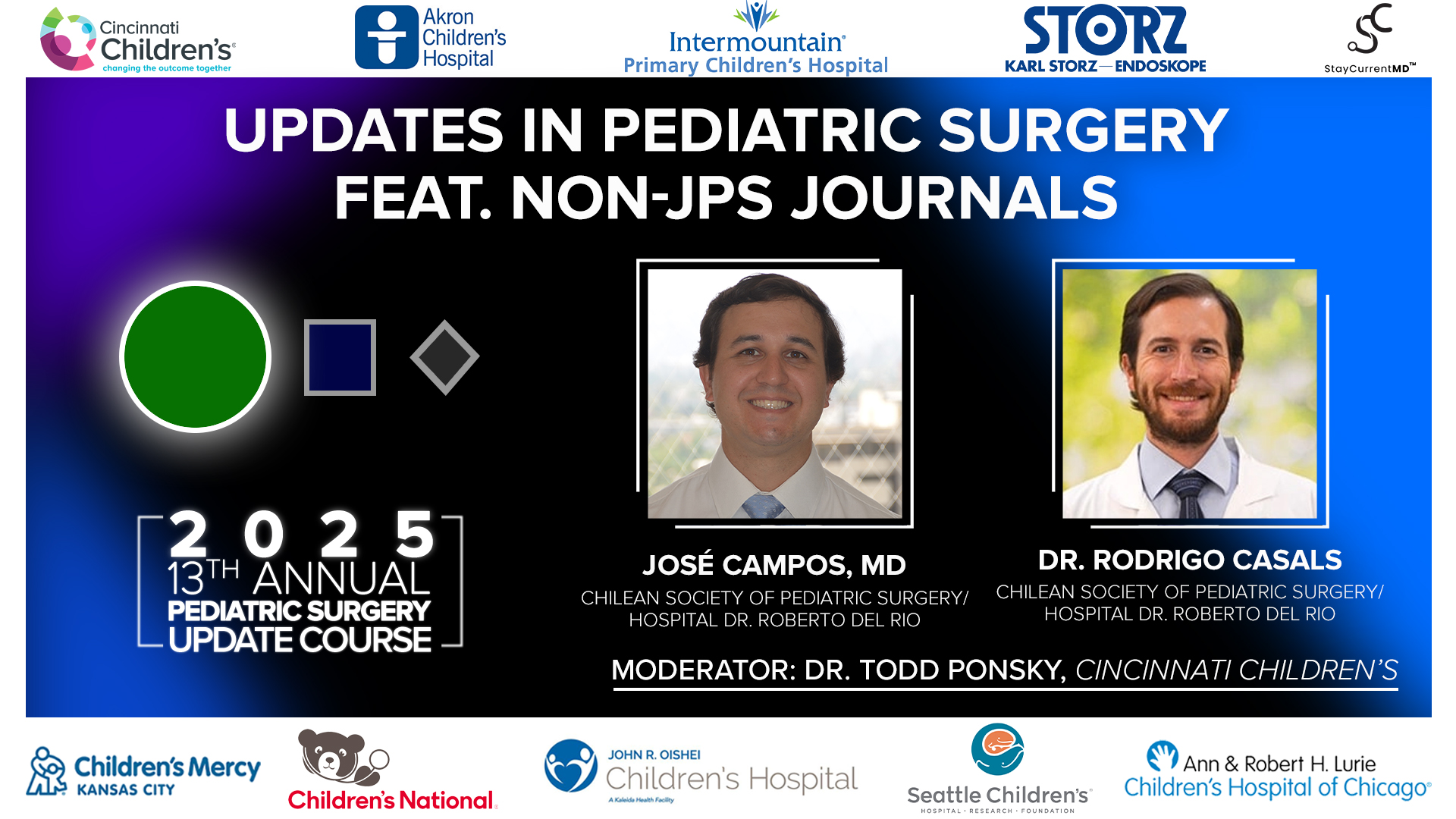
2025 Pediatric Surgery Update Course - Updates in Pediatric Surgery feat. non-JPS Journals
Dr. Todd Ponsky · 22 min · Published Aug 2025
Podcast
Case-Based Journal Review: Inguinal Hernia 2025
19 min · Published Apr 2025
Podcast
Case-Based Journal Review: G-Tube & Fundoplication for GERD 2023
18 min · Published Sep 2023
Video
Update Course 2022 - TOP PUBLICATIONS IN NON- PED SURG JOURNALS - Jose Campos
27 min · Published Sep 2022
Podcast
Case Based Journal Review: Esophageal Atresia in 2022
17 min · Published Aug 2022
Video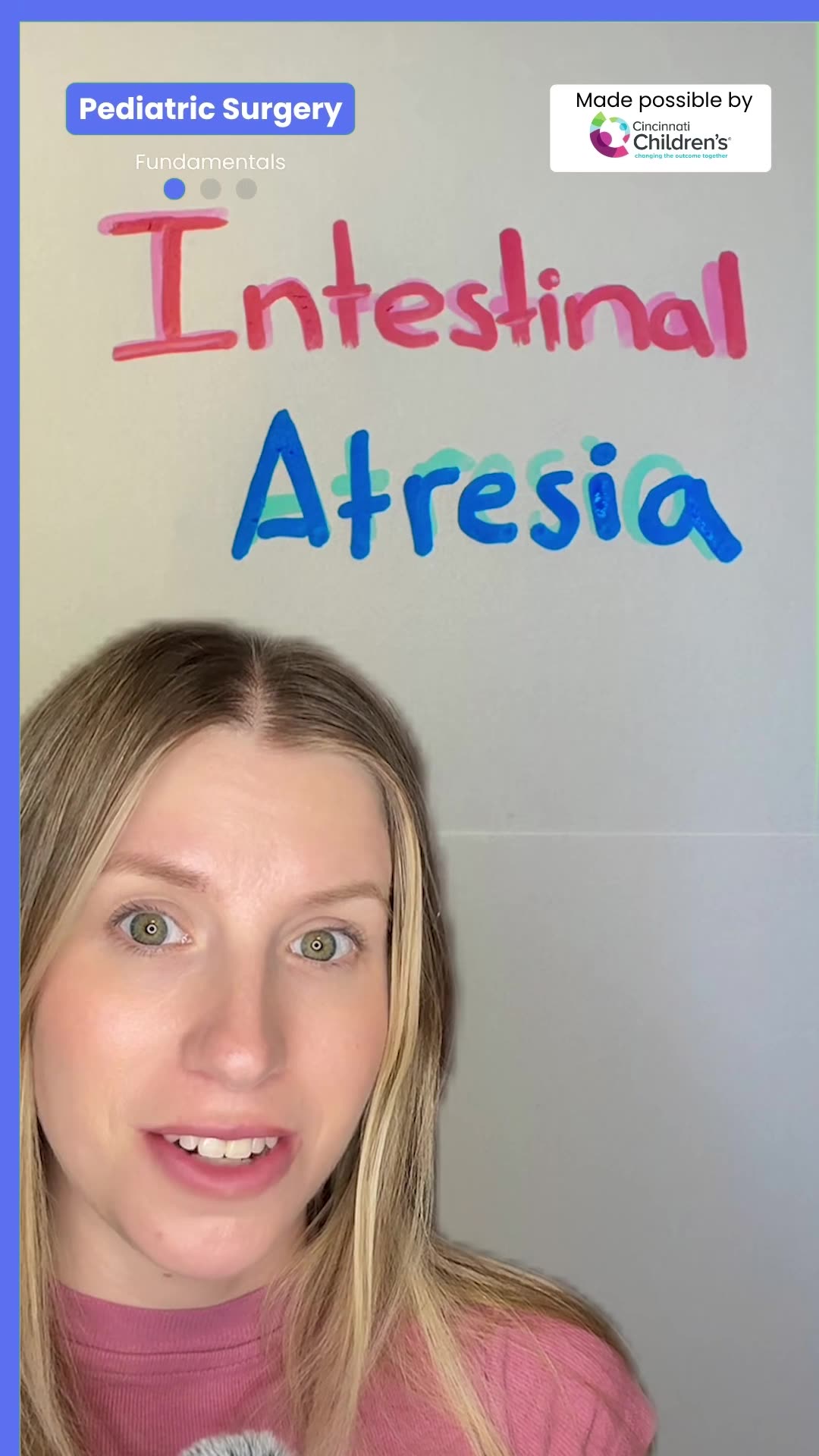
Intestinal Atresia Types Explained: Grossfeld Classification for Pediatric Surgery
1 min · Published Sep 2026
Video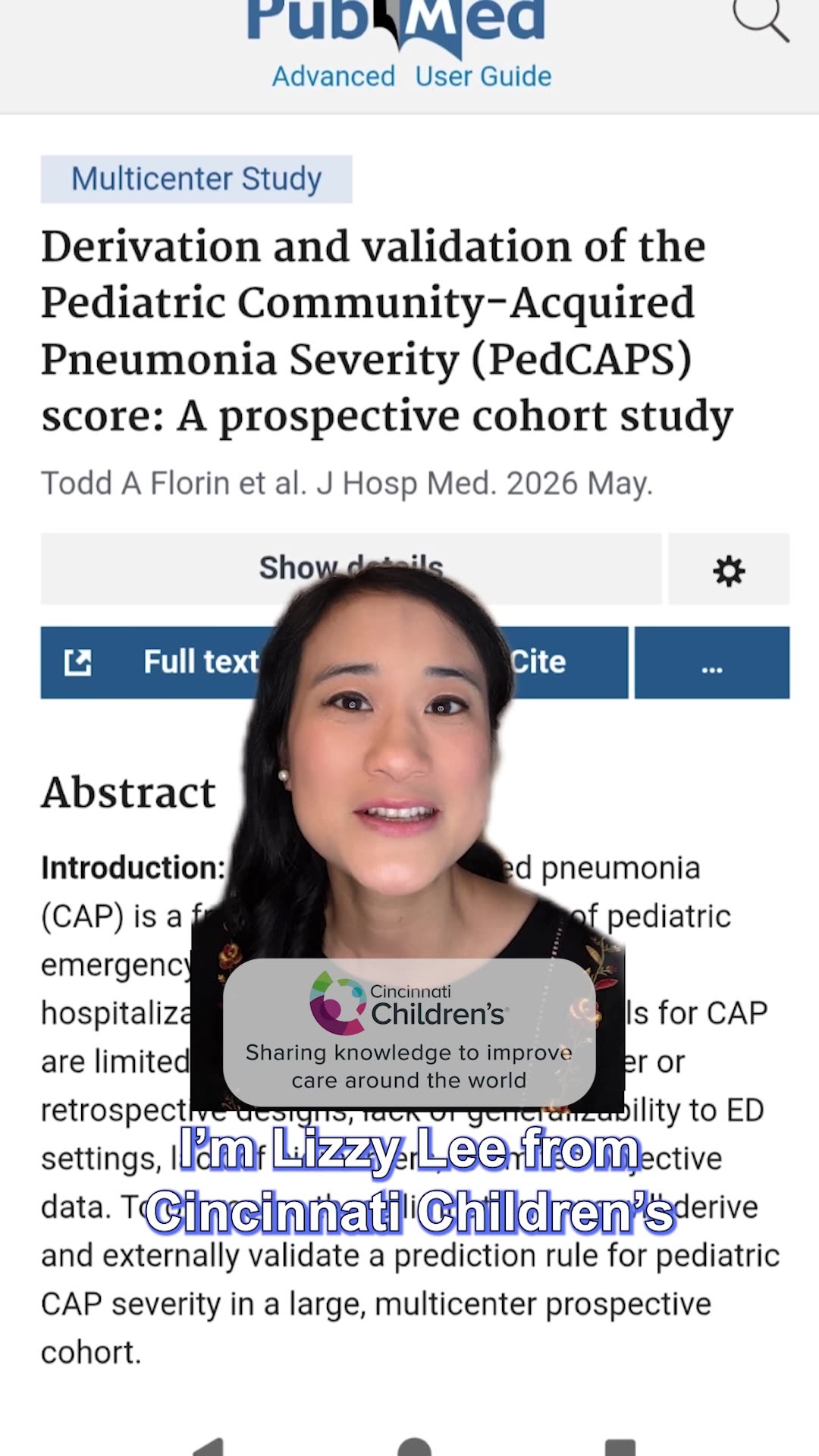
Derivation and validation of the Pediatric Community-Acquired Pneumonia Severity (PedCAPS) score: A prospective cohort study
50 s · Published Sep 2026
Video
FETO for Late-Diagnosed Severe Congenital Diaphragmatic Hernia (CDH) at Cincinnati Children's with Dr. Beth Rymeski
4 min · Published Sep 2026
Video
Severe Congenital Diaphragmatic Hernia (CDH) Case: FETO Management & Unexpected Findings with Dr. Beth Rymeski
3 min · Published Sep 2026
Video
Fetoscopic Endoluminal Tracheal Occlusion (FETO) Procedure: Step-by-Step Guide with Dr. Beth Rymeski
4 min · Published Sep 2026
Video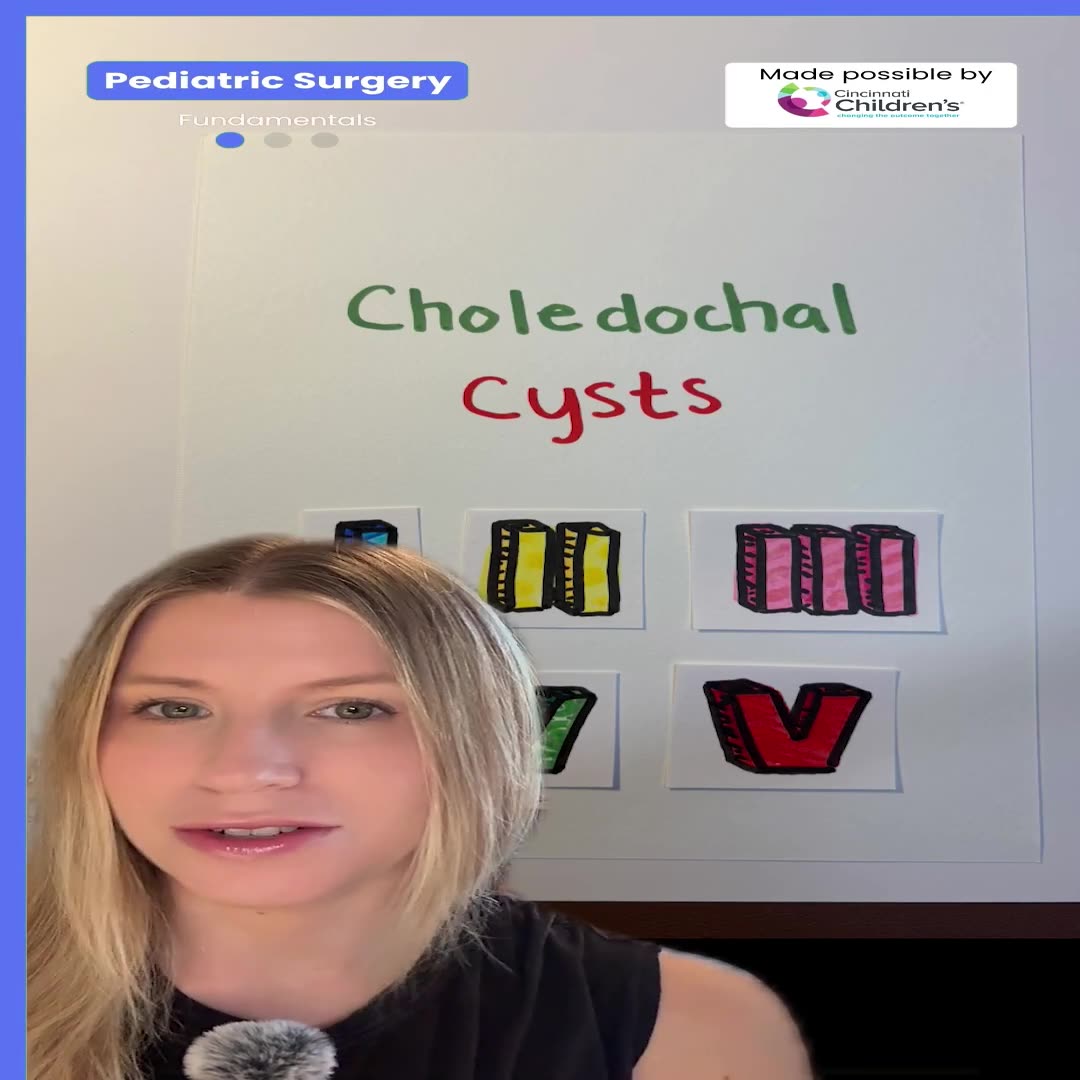
Choledochal Cyst Types Explained: Pediatric Surgery Fundamentals
1 min · Published Sep 2026
What the experts said
Information takes 10 years to get into a medical textbook.
If information in a textbook is not true anymore, it takes 20 to 30 years to get out of the book.
A team of 23 volunteers working under the Chilean Society of Pediatric Surgeons performs the article selection process.
The journal selection starts with the top 10 surgical journals filtered by impact factor.
The selection includes the top 10 pediatric journals selected by impact factor (general pediatrics, not pediatric surgery).
The selection includes the top 3 clinical journals: Lancet, Nature Medicine, JAMA, and New England Journal of Medicine.
The first filter reviews table of contents, titles, and abstracts to determine relevance to pediatric surgery, selecting 1 to 33% of articles (approximately 35 articles each month).
The second filter uses crowdsourced polling distributed via Google form through social media and email in the Chilean society.
The top 10 articles from crowdsourcing are reviewed by 3 panelists with relevant expertise.
The panel can correct the crowd selection by typically taking 3 articles out and 3 articles in to produce the final top 10.
The curated content is uploaded to the Stay Current app under a plus sign icon next to the core journal icons.
The 2015 estimate is that 2.5 million publications go out to the world every year.
The initial screening produces about 1200 articles per month from non-pediatric surgery journals.
The original Stay Current app design was to put every article out there and let people like or not like it, using the crowd to determine the best content.
Research by Alex Cassar in Todd Ponsky's lab looked at whether AI could predictably identify good content by analyzing APSA meeting abstracts.
The AI machine agreed with the APSA editorial board with a very high degree of sensitivity when analyzing abstracts.