


From
StayCurrentMD
Thoracoscopic Left Lower Lobectomy for Metastatic Osteosarcoma in a 20-Year-Old
With Dr. Steve Rothenberg
Chapter 2 of 6 · Surgical Management
Fissure dissection
Fissure completion and pulmonary artery exposure
Cued at 1:25 · press play
Expert statements on this page
No expert statements were drawn from this page.
Host summaries · secondary, not cited in answers
Educational content from recorded physician discussions — not medical advice. Talk to your (or your child's) care team about your situation.
Only a few other public items share this diagnosis — go deeper there →
Video
Rare Ovarian Tumor in Infants: Small Cell Carcinoma of Ovary, Hypercalcemic Type & SMARCA4 Mutation
21 s · Published Oct 2026
Video
Can Normal X-Rays Miss Metastatic Neuroblastoma? A Pediatric Radiology Case Study
26 s · Published Oct 2026
Video
Can Fractures Be a Sign of Hepatoblastoma in Children? Understanding Pediatric Liver Cancer Symptoms
37 s · Published Oct 2026
Video
Pancreas, Muscle, and Subcutaneous Fat Atrophy in Patients Undergoing Radiation for Neuroblastoma
47 s · Published Oct 2026
Podcast
Hepatoblastoma
Todd Ponsky · 54 min · Published Oct 2026
Podcast
Wilms Tumor
Todd Ponsky · 64 min · Published Oct 2026
Video
Laparoscopic Mesenteric and Short Gastric Dissection with a Vessel Sealer
Dr. Steve Rothenberg · 3 min · Published May 2026
Video
Laparoscopic Pyloromyotomy with a Reusable Handle and Disposable Blade
Dr. Steve Rothenberg · Published May 2026
Video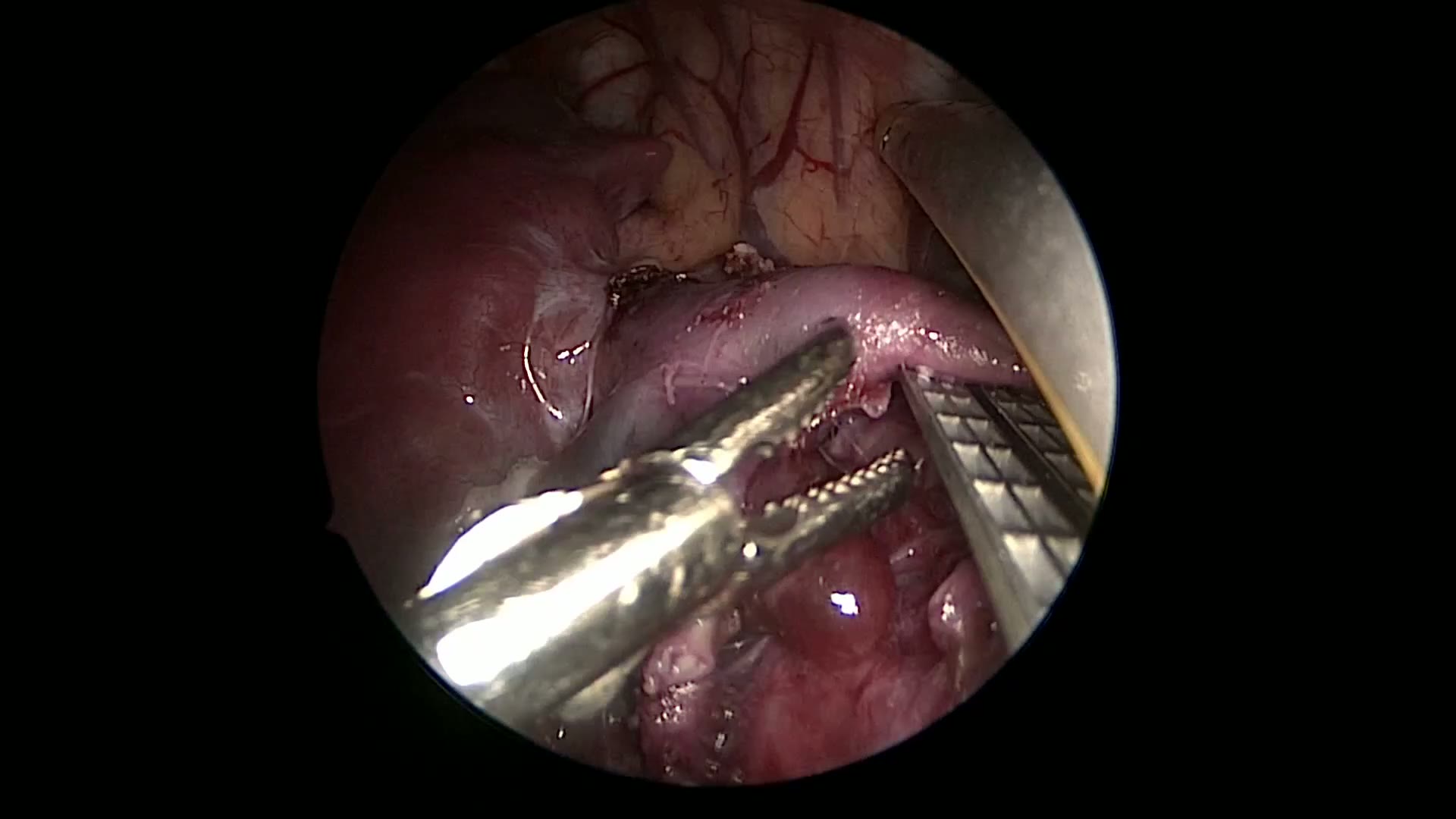
Thoracoscopic Stapling of the Left Lower Lobe Pulmonary Artery with a 5 mm Stapler
Dr. Steve Rothenberg · 9 s · Published May 2026
Video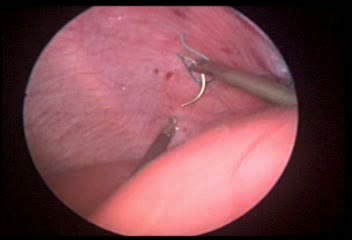
Laparoscopic Plication of a Right Diaphragmatic Eventration in a 3-Month-Old
Dr. Steve Rothenberg · 6 min · Published May 2026
Video
Laparoscopic Redo Nissen Fundoplication in a 30 kg Child with the 3 mm Percuvance System
Dr. Steve Rothenberg · 5 min · Published May 2026
Video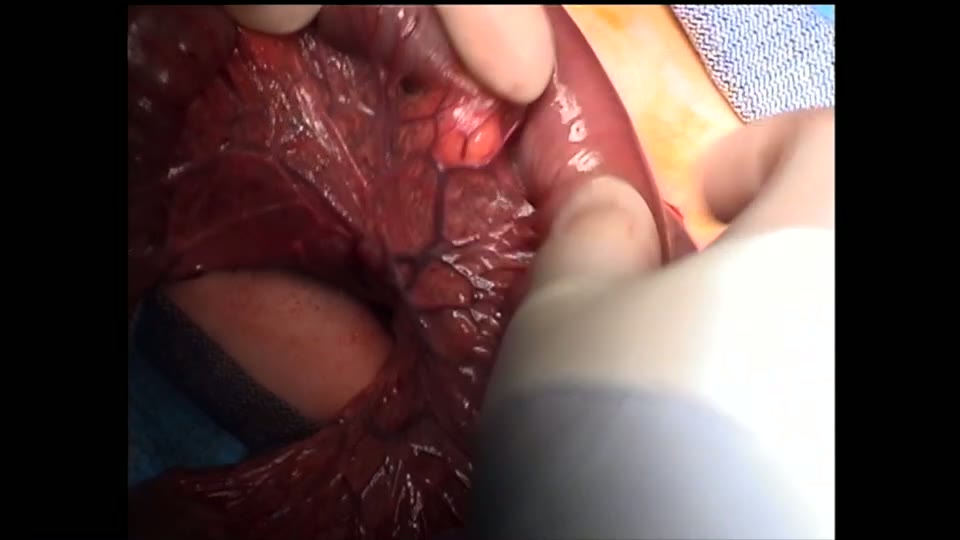
Open Bowel Anastomosis
Dr. Steve Rothenberg · Published May 2026
Podcast
Routine Anal Dilations After PSARP: Questioning a Decades-Old Practice
2 min · Published Nov 2026
Podcast
Pediatric Surgery Literature Updates: Lymphatic Malformations, G-Tube Complications, and Cryptorchidism Timing
4 min · Published Nov 2026
Podcast
Botox injection during Hirschsprung pull-through: evidence and technique considerations
1 min · Published Nov 2026
Podcast
Central line troubleshooting and vascular access preservation in pediatric patients
2 min · Published Nov 2026
Podcast
Colorectal Quiz Episode 50: Key Takeaways from the 16th European Pediatric Colorectal Conference
24 min · Published Nov 2026
Podcast
Nerve monitoring and risk stratification in pediatric thyroid surgery
6 min · Published Nov 2026
What the experts said
The 5 millimeter cool seal with its fine dissecting tips and dual action jaws allows for excellent dissection around delicate structures.
In smaller patients, the surgeon will often take the pulmonary artery vessel at the segmental level, using the cool seal to seal the vessel and safely divide it.
In a larger patient, it is often more efficient to find the pulmonary artery to the lower lobe as it crosses through the fissure, allowing the surgeon to get the main trunk above the bifurcation to the apical and basal segments and use a vascular stapler to safely take the vessel, saving time compared to dissecting into the lung to find the segmental vessels.
In many cases, the surgeon will take the bronchus next after the pulmonary artery as it presents itself before taking the inferior pulmonary vein.
In this case, because of the large tumor and the large amount of inflammation in this area, dissection of the bronchus was difficult, and the surgeon did not want to injure the vein in dissecting this out, so approached the inferior pulmonary ligament instead.
The patient was a 20-year-old who had previously been treated for osteosarcoma in the limb with a limb preservation and had been disease-free for 4 years when she developed shortness of breath and eventually hemoptysis.
CT scan showed a large mass in the left lower lobe.
Three ports were used for the procedure initially 3 5-millimeter ports, with 1 port being increased to a 12 for the stapler.
The 5 millimeter Trinity was the main instrument used for the entire procedure.
The major fissure was relatively complete, however there was still lung tissue overlying the pulmonary artery.
The inferior pulmonary vein was divided a good 1 centimeter away from the pericardium to allow for safe division.
The entire procedure was done in 90 minutes through 2 5-millimeter and 1 12-millimeter trochar.
The patient recovered well and was discharged on the second postoperative day.