


Chapter 1 of 4 · Surgical Management
Port placement
Port placement and setup
Expert statements on this page
No expert statements were drawn from this page.
Host summaries · secondary, not cited in answers
Educational content from recorded physician discussions — not medical advice. Talk to your (or your child's) care team about your situation.
Video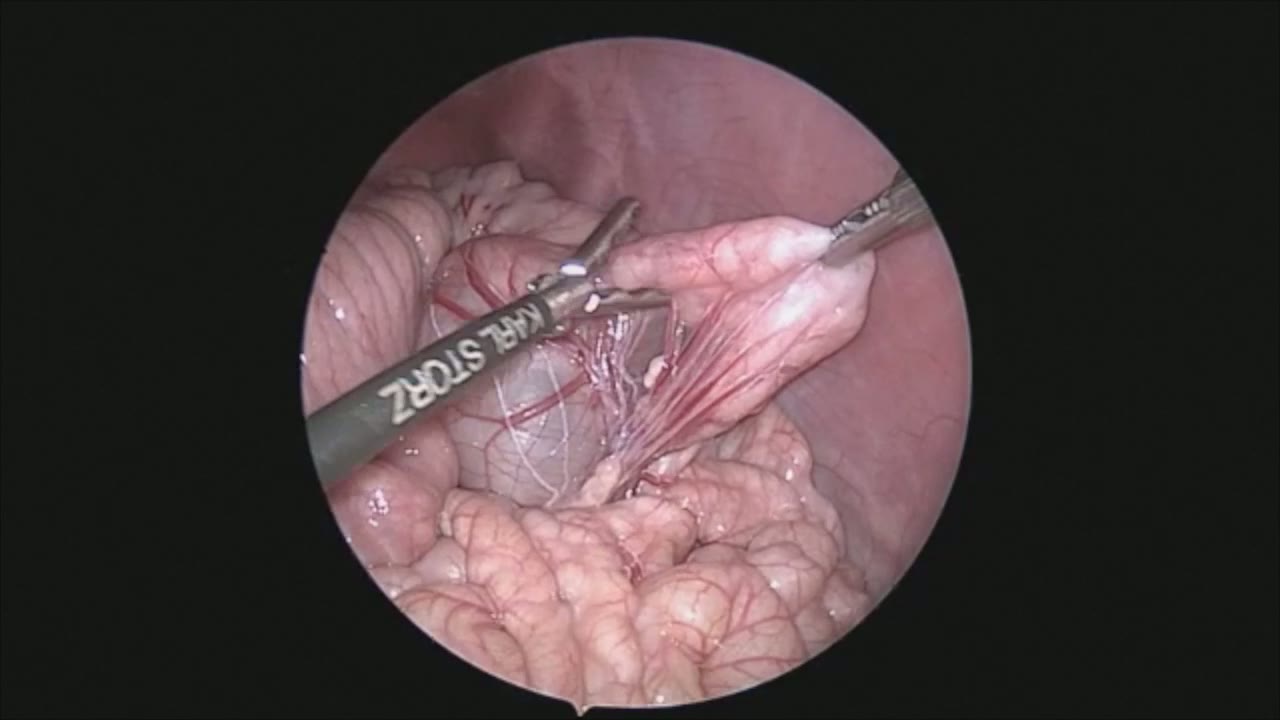
Laparoscopic Mesenteric and Short Gastric Dissection with a Vessel Sealer
Dr. Steve Rothenberg · 3 min · Published May 2026
Video
Laparoscopic Pyloromyotomy with a Reusable Handle and Disposable Blade
Dr. Steve Rothenberg · Published May 2026
Video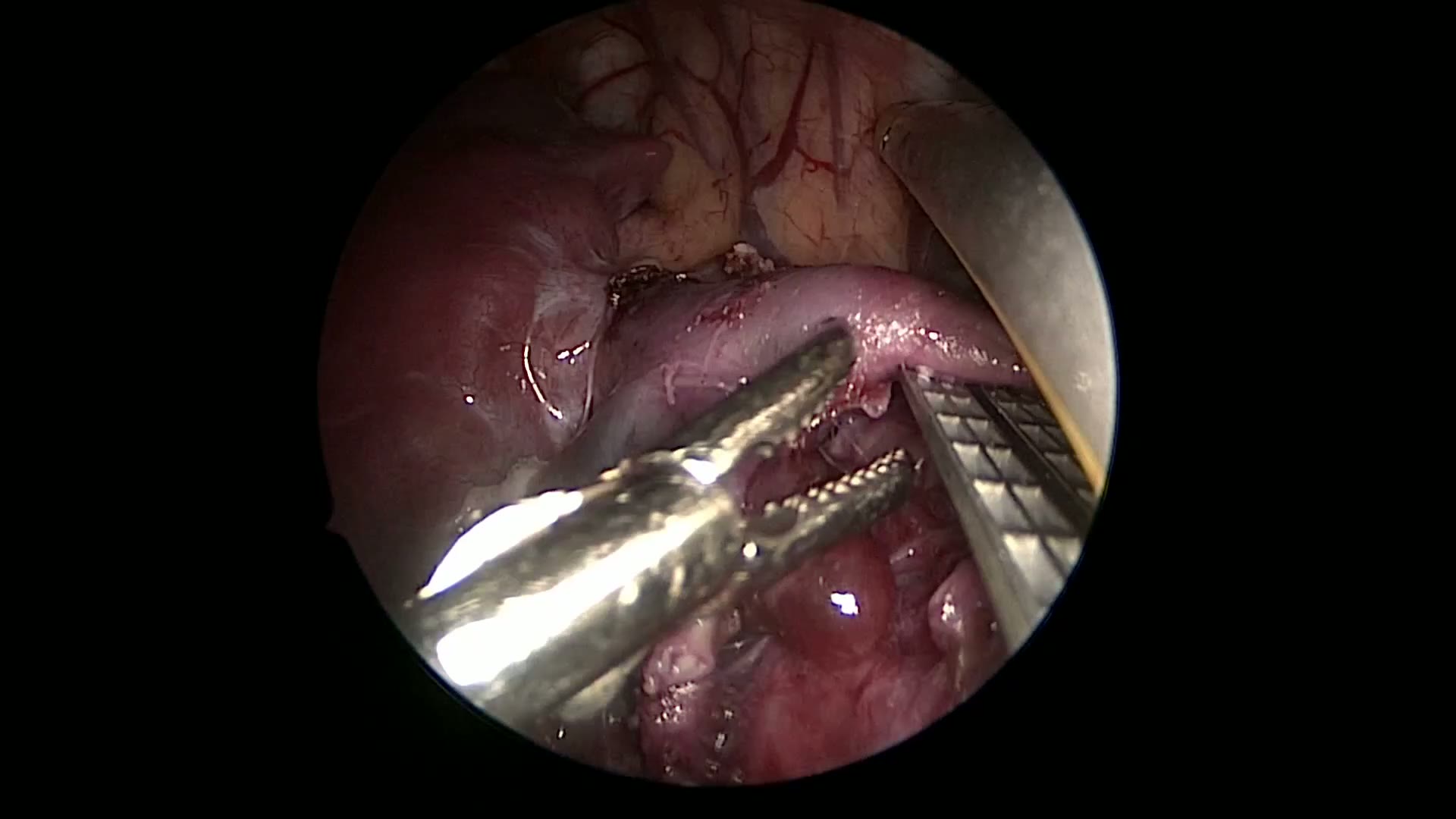
Thoracoscopic Stapling of the Left Lower Lobe Pulmonary Artery with a 5 mm Stapler
Dr. Steve Rothenberg · 9 s · Published May 2026
Video
Laparoscopic Plication of a Right Diaphragmatic Eventration in a 3-Month-Old
Dr. Steve Rothenberg · 6 min · Published May 2026
Video
Laparoscopic Redo Nissen Fundoplication in a 30 kg Child with the 3 mm Percuvance System
Dr. Steve Rothenberg · 5 min · Published May 2026
Video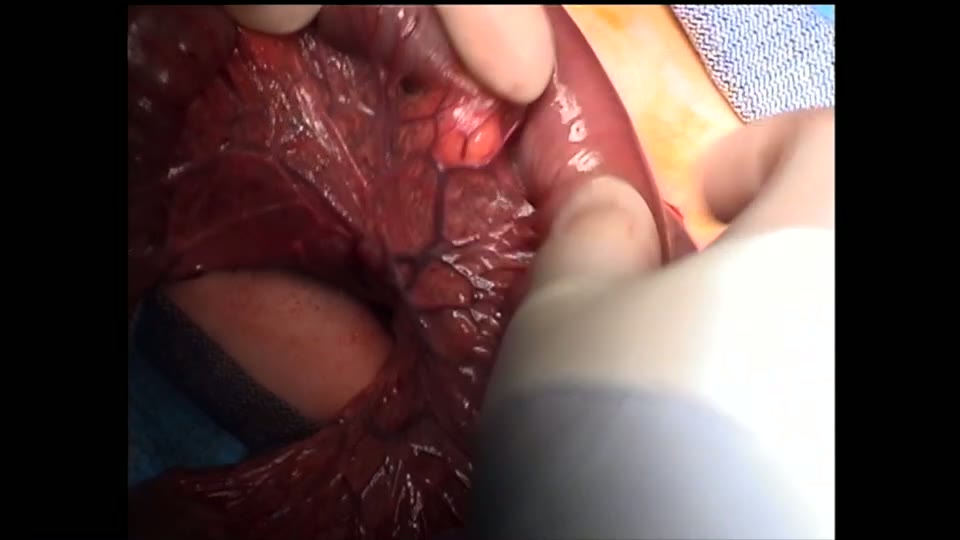
Open Bowel Anastomosis
Dr. Steve Rothenberg · Published May 2026
Video
Intestinal Atresia Types Explained: Grossfeld Classification for Pediatric Surgery
1 min · Published Sep 2026
Video
Derivation and validation of the Pediatric Community-Acquired Pneumonia Severity (PedCAPS) score: A prospective cohort study
50 s · Published Sep 2026
Video
FETO for Late-Diagnosed Severe Congenital Diaphragmatic Hernia (CDH) at Cincinnati Children's with Dr. Beth Rymeski
4 min · Published Sep 2026
Video
Severe Congenital Diaphragmatic Hernia (CDH) Case: FETO Management & Unexpected Findings with Dr. Beth Rymeski
3 min · Published Sep 2026
Video
Fetoscopic Endoluminal Tracheal Occlusion (FETO) Procedure: Step-by-Step Guide with Dr. Beth Rymeski
4 min · Published Sep 2026
Video
Choledochal Cyst Types Explained: Pediatric Surgery Fundamentals
1 min · Published Sep 2026
What the experts said
The umbilical incision is only about 10mm and all incisions are within the umbilicus.
The suprapubic port is placed just above the bladder and a 3mm port is generally sufficient for this position.
Maintaining a right angle between instruments makes the dissection easier.
The surgeon operates two-handed at 90 degrees, which is the same approach used for gallbladder surgery with two umbilical ports and a single 3mm suprapubic port.
The cameraman must work around the surgeon's left arm to accommodate the 90-degree instrument positioning.
A combination of mini laparoscopy and single site is where pediatric surgery is heading.
Trying to do everything through the umbilicus is too hard and not as safe for most surgeons, though some are very good at it.
The 3mm hook allows energy dissection throughout the mesoappendix.
If the appendiceal artery is not incorporated within the staple at the base, there is concern it may be too small to be adequately secured.
This two-incision technique is a good way to train residents and fellows.
Stripping the appendiceal artery down with a Maryland or sealer makes trainees do fine dissection.
Care must be taken at the base of the appendix during dissection.
The surgeon crushes the appendiceal base to assess tissue quality and compressibility before stapling.
When using energy near the appendiceal base, there is concern about catching a 1mm vessel with only one staple, which could cause bleeding.
If the appendiceal base tissue is thicker and the surgeon is uncertain about stapler compression, the stapler should be released and advanced to get more tissue in the jaws for better compression.
The surgeon counts to 10 after compressing tissue in the stapler before firing.
The 5mm retrieval bag is poorly designed because it is a 10mm bag crammed into a 5mm size, resulting in too much bag material that is tightly wrapped and difficult to unwind.
The surgeon does not like dragging a dirty appendix through the wound and prefers using a retrieval bag.
Stapling a 2mm appendiceal artery is unnecessary; if there is a big thick mesentery, stapling is appropriate, but otherwise energy dissection is preferred.
Taking the appendiceal artery with energy and dissection is a training method to improve skills for more complex procedures.
Most pediatric appendices do not have a really thick mesentery.
The procedure takes 5 minutes and results in no visible scars, which is as good as any single-site technique but much easier.
This technique requires no special trocars.
Teenage girls particularly appreciate this technique because they have no visible scars.
For a bigger patient, a 5mm scope would be used instead of the 4mm scope.