


From
StayCurrent Espanol
Revisión de la Bibliografía: Quiste Pilonidal
With Dr. Alberto Torres · hosted by Dr. Jose Campos
Chapter 1 of 4
Case intro
Introduction and case presentation
Expert statements on this page
No expert statements were drawn from this page.
Host summaries · secondary, not cited in answers
Educational content from recorded physician discussions — not medical advice. Talk to your (or your child's) care team about your situation.
More about this diagnosis
Pilonidal cystVideo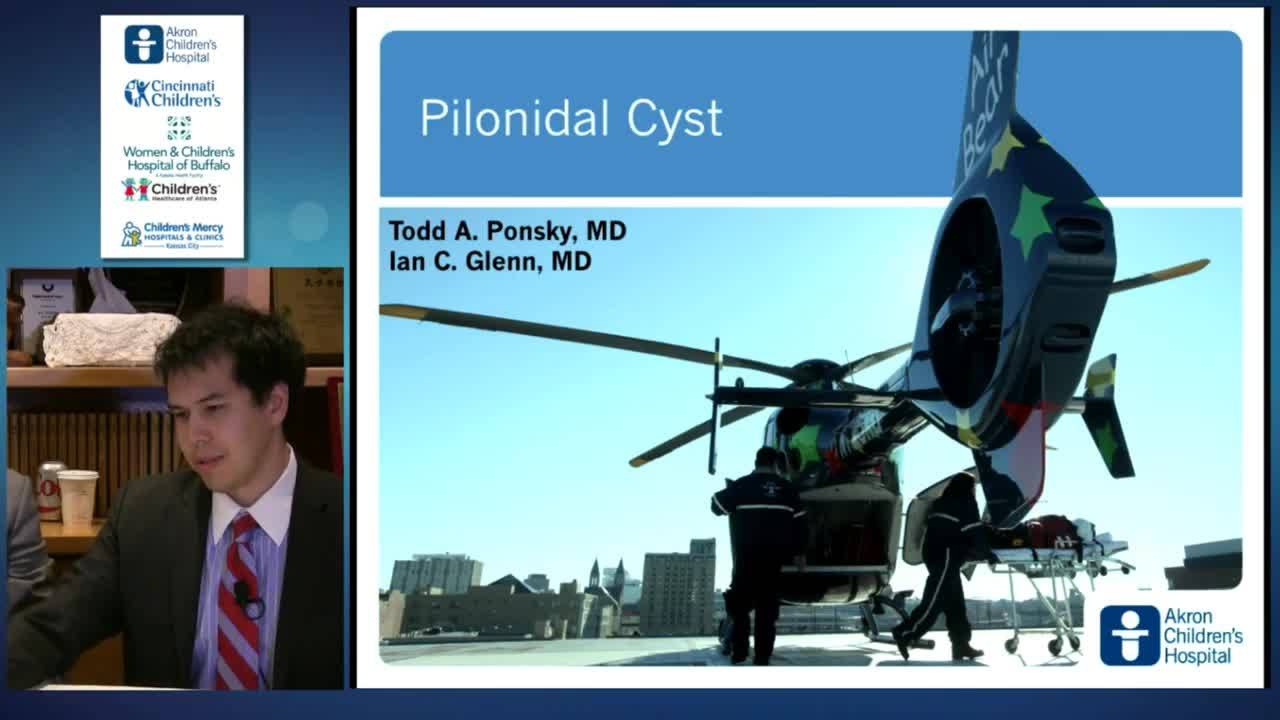
Pilonidal Cyst Case Presentation: Update Course 2015
5 min · Published Nov 2015
Video
Carga mental de la enfermedad pilonidal y mejora de la calidad de vida tras el tratamiento en adolescentes
Published Oct 2023
Video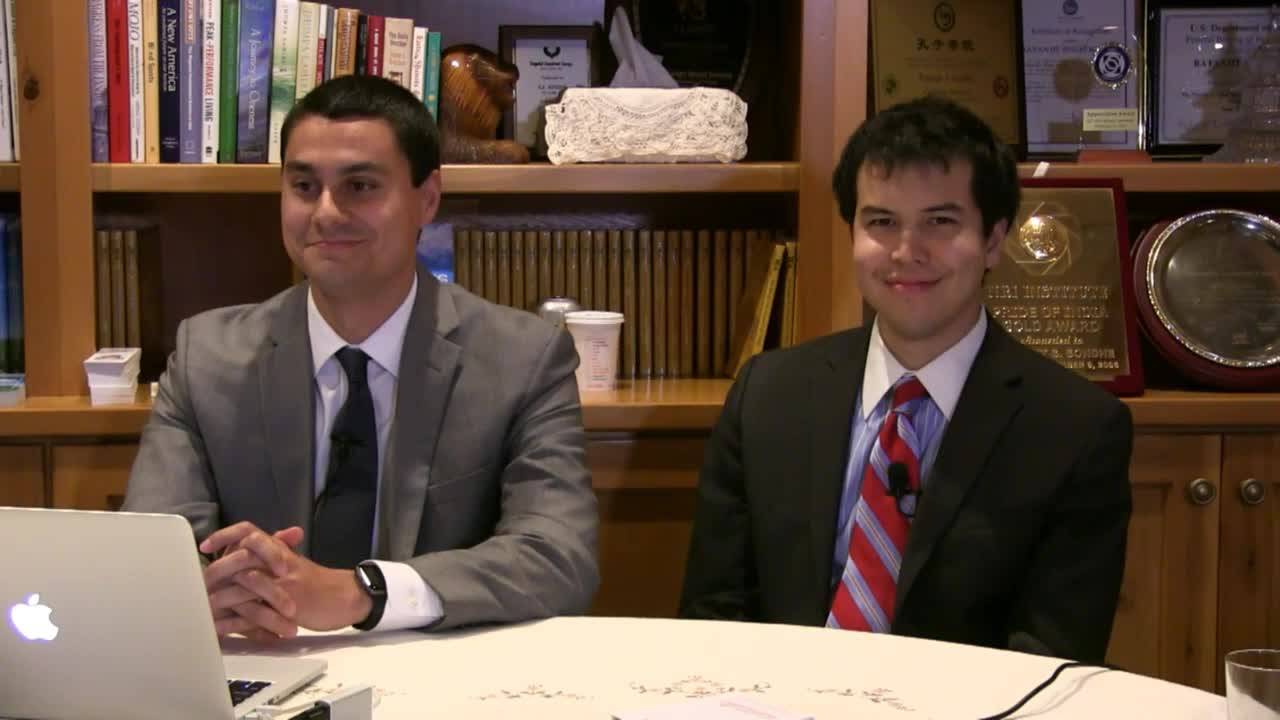
Intussusception - Soft Tissue Abscess - Pilonidal Cyst - Bleeding Meckel's...
19 min · Published Nov 2018
More from this expert
Dr. Alberto TorresVideo
Volumen testicular en la pubertad en niños con criptorquidia congénita aleatorizados a tratamiento en diferentes edades
1 min · Published Jul 2024
Video
Cuidado de transición en malformación anorrectal y enfermedad de Hirschsprung
1 min · Published Jul 2024
Video
Exploración laparoscópica trancística del conducto biliar común en pacientes pediátricos con coledocolitiasis
1 min · Published Jul 2024
Video
Características clínicas y pronóstico de la atresia de vías biliares con niveles bajos de metaloproteinasa 7 de la matriz sérica
55 s · Published Jul 2024
Video
Reglas de predicción PECARN para imágenes por TC de niños que acuden al servicio de urgencias con traumatismo craneoencefálico menor o abdominal cerrado
58 s · Published Jul 2024
Video
El cese del tratamiento con antibióticos para la apendicitis complicada en el momento del alta no aumenta el riesgo de infección posoperatoria
55 s · Published Jul 2024
What the experts said
Gips technique involves central excision of skin which is then closed completely
EPSiT and EPSIT are techniques that use tract irrigation
Minimally invasive techniques for pilonidal cyst can be performed with simple instruments available in most operating rooms in Latin America, including curette and punch biopsy tools
Follow-up duration matters because patients may not return for clinical consultation after initial months, potentially missing late recurrences
Recurrence rates vary with different surgical techniques for pilonidal cyst, with open techniques showing higher recurrence than minimally invasive approaches
Phenol injection causes significant pain
There is no comparison data between phenol injection and minimally invasive techniques like Gips
Conventional surgery recurrence rates are not comparable to minimally invasive techniques
Minimally invasive surgery is more reliable and represents significant benefit for patients compared to conventional approaches
Minimally invasive techniques simplify pilonidal cyst management compared to traditional surgery
Systematic analysis shows open excision with midline closure has 16% recurrence rate for pilonidal cyst
Off-midline closure technique has 8% recurrence rate for pilonidal cyst
Minimally invasive techniques and marsupialization have 6% recurrence rate for pilonidal cyst
In retrospective study of EPSiT in children and adolescents, 115 patients underwent 115 procedures
Short-term follow-up was defined as 2 months in the EPSiT study
Long-term follow-up was defined as 30 months or more in the EPSiT study
Short-term recurrence rate after EPSiT was 8%
Long-term recurrence rate after EPSiT was 15%
Recurrence appears higher with longer follow-up after EPSiT
All patients in the EPSiT study were treated with minimally invasive technique
Only one patient in the EPSiT study required two procedures
Complications in the EPSiT study were low: 5 infections and 1 bleeding not requiring transfusion
Randomized trial from Turkey compared phenol crystal injection versus primary excision for pilonidal cyst in adolescents
Phenol crystal injection was much faster than surgical excision
Recurrence rate with phenol crystal injection was 8%