


From
StayCurrentMD
Retained Central Venous Catheter Teaser
With Dr. Ian Glenn · hosted by Dr. Todd Ponsky
Chapter 1 of 4 · Case-Based Learning
Incidence data
Case presentation and incidence of retained catheter fragments
Expert statements on this page
No expert statements were drawn from this page.
Host summaries · secondary, not cited in answers
Educational content from recorded physician discussions — not medical advice. Talk to your (or your child's) care team about your situation.
Only a few other public items share this diagnosis — go deeper there →
Video
Management of Retained Central Venous Catheters
Dr. Todd Ponsky · 3 min · Published Apr 2019
Video
Do we need Bowel Prep
1 min · Published Apr 2019
Video
Intussusception - Soft Tissue Abscess - Pilonidal Cyst - Bleeding Meckel's...
19 min · Published Nov 2018
Video
Retained Central Venous Catheters
3 min · Published Oct 2018
Video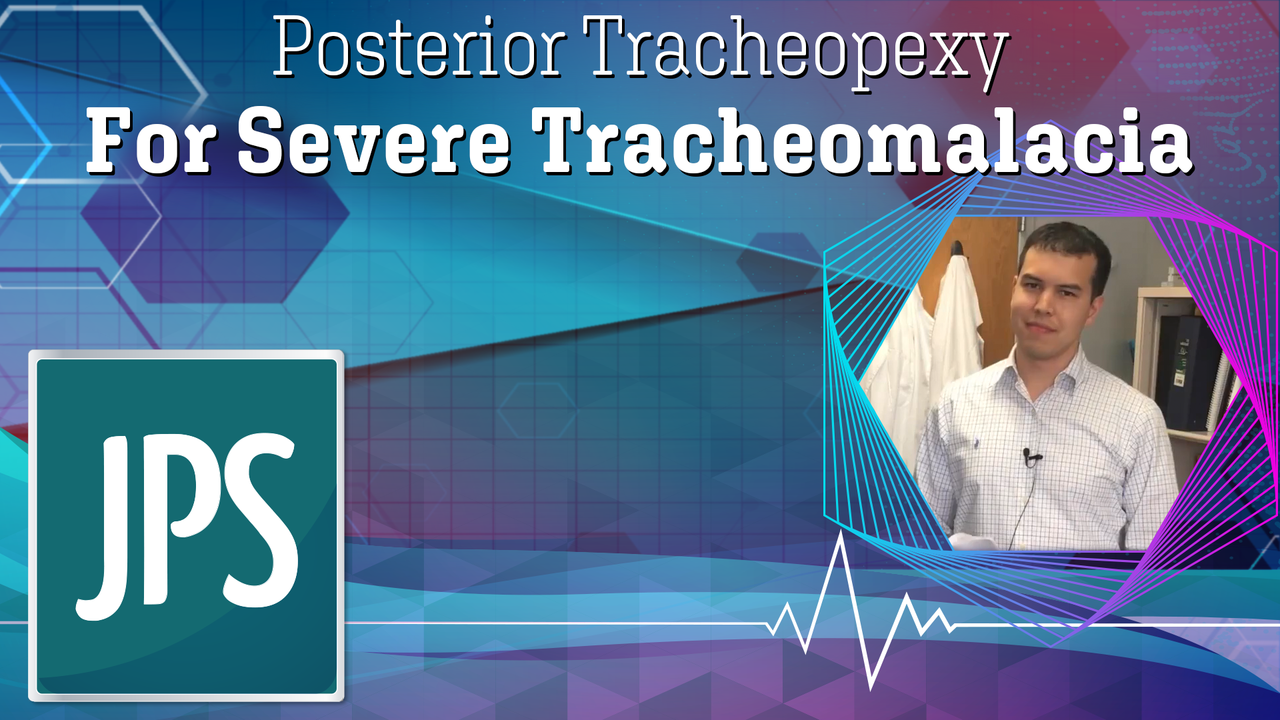
Posterior Tracheopexy For Severe Tracheomalacia
Dr. Todd Ponsky · 2 min · Published Feb 2018
Podcast
Intestinal Failure with Dr. Brad Warner
52 min · Published May 2017
Video
Intestinal Atresia Types Explained: Grossfeld Classification for Pediatric Surgery
1 min · Published Sep 2026
Video
Derivation and validation of the Pediatric Community-Acquired Pneumonia Severity (PedCAPS) score: A prospective cohort study
50 s · Published Sep 2026
Video
FETO for Late-Diagnosed Severe Congenital Diaphragmatic Hernia (CDH) at Cincinnati Children's with Dr. Beth Rymeski
4 min · Published Sep 2026
Video
Severe Congenital Diaphragmatic Hernia (CDH) Case: FETO Management & Unexpected Findings with Dr. Beth Rymeski
3 min · Published Sep 2026
Video
Fetoscopic Endoluminal Tracheal Occlusion (FETO) Procedure: Step-by-Step Guide with Dr. Beth Rymeski
4 min · Published Sep 2026
Video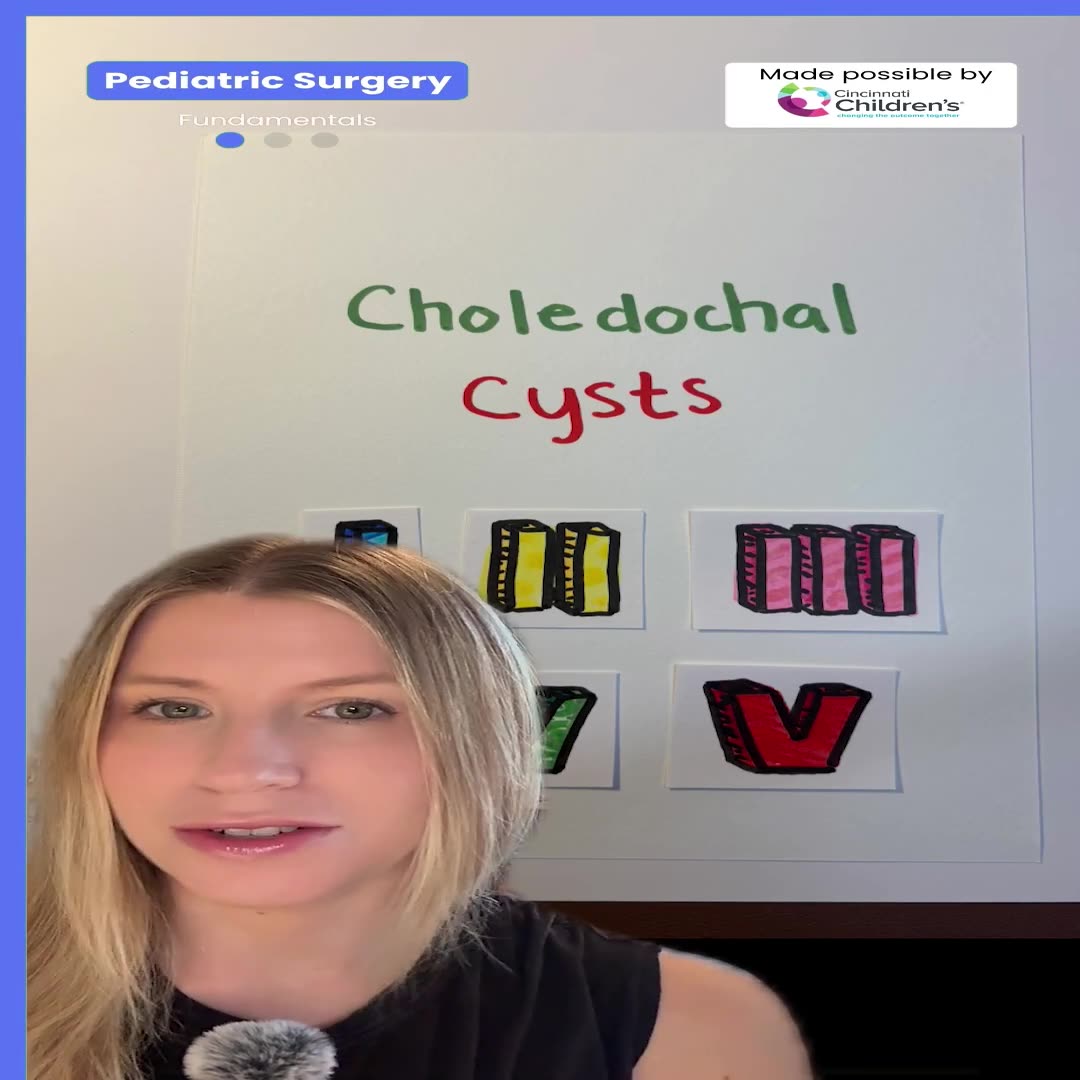
Choledochal Cyst Types Explained: Pediatric Surgery Fundamentals
1 min · Published Sep 2026
What the experts said
5 to 15% of patients who have catheters removed require some sort of additional intervention to remove the catheter
Power ports are polyurethane catheters
For long-term chemotherapy lines, silastic lines should be considered instead of polyurethane lines
Surgical venotomy to retrieve a retained catheter carries a risk of bleeding
Multiple studies of patients with retained catheter fragments in follow-up periods from months to five years showed no complications
No thrombosis was associated with retained line fragments in follow-up studies
No infections were associated with retained catheter fragments in follow-up studies
The actual number of catheters or catheter fragments that get left behind is 0.2 to 2%
Risk factors for catheter retention include patients who have chemotherapy infused through their lines
Risk factors for catheter retention include patients who have catheters that are indwelling for longer than about a year and a half
There is an association between polyurethane catheter material and catheter retention when compared with silicone catheters
The recommendation would be to go with silastic catheters in cases of long-term chemotherapy
In interventional radiology case series attempting endovascular catheter removal, there was a risk of the line completely breaking and embolizing distally
In interventional radiology case series attempting endovascular catheter removal, there was a risk of thrombosis occurring during the procedure
There has never been a report of a problem from leaving a catheter tip in
Long-term data on outcomes of retained catheter fragments are limited
Silastic catheters generally have a larger size diameter for a given lumen compared to polyurethane catheters