


From
StayCurrentMD
Non-Operative Management of Appendicitis: 2018 Pediatric Surgery Practice Gap #2
With Dr. Todd Ponsky
Chapter 1 of 1 · Evidence & Research
Non-Operative Management of Appendicitis as 2018 Practice Gap #2
Expert statements on this page
No expert statements were drawn from this page.
Host summaries · secondary, not cited in answers
Educational content from recorded physician discussions — not medical advice. Talk to your (or your child's) care team about your situation.
Podcast
Acute Appendicitis 2020 Update
Todd Ponsky · 12 min · Published Oct 2026
Video
Appendicitis Management & APPY Trial: Update Course 2016
31 min · Published Oct 2018
Video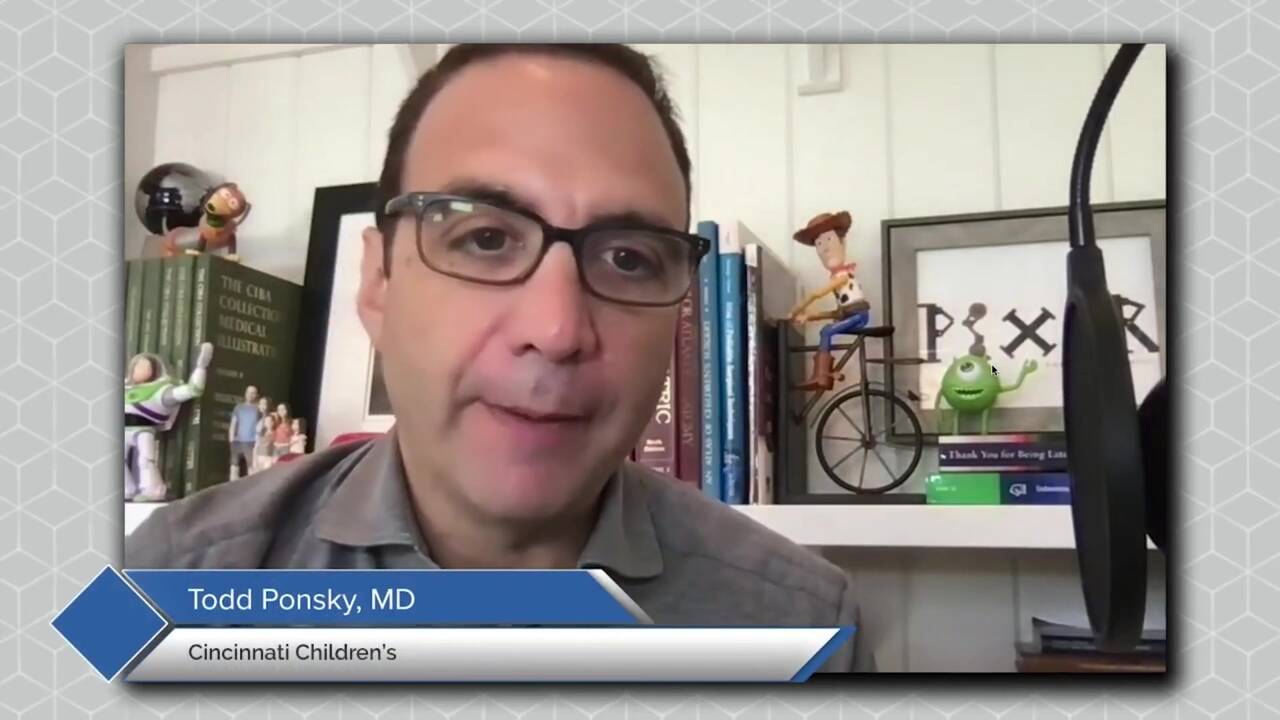
Update Course 2021: DEI – CONCORDANCE AND POST OP COMPLICATION STUDIES
Published May 2022
Video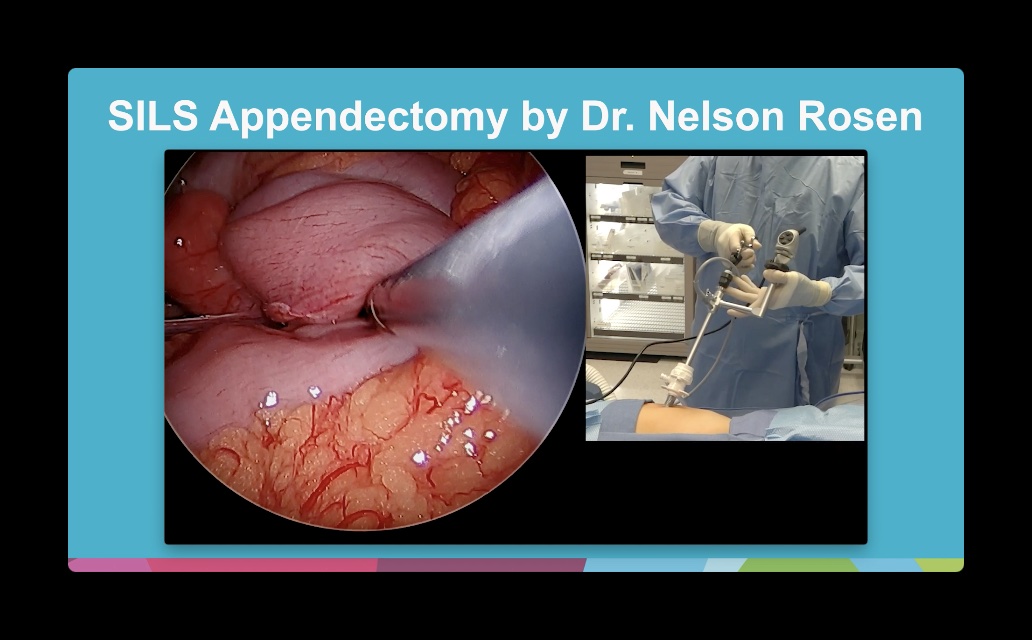
SILS Appendectomy by Dr. Nelson Rosen
10 min · Published Jan 2024
Video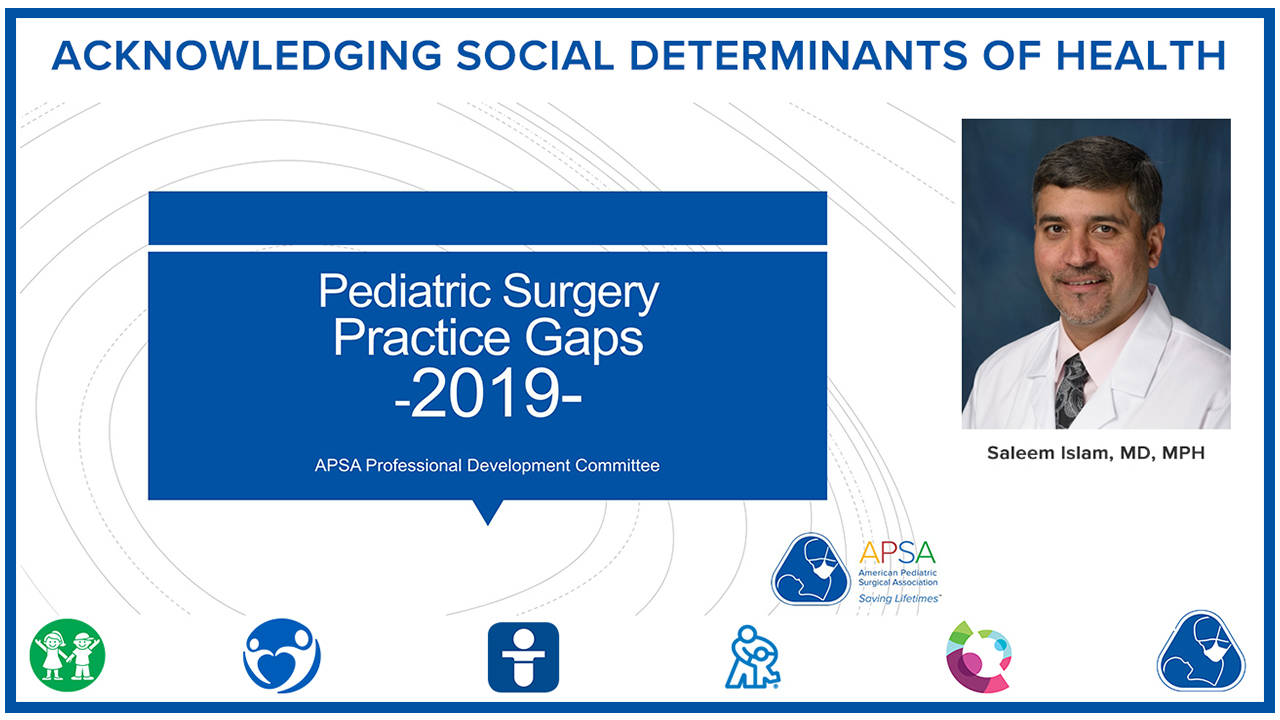
Acknowledging Social Determinants of Health - APSA Practice Gaps 2019
Published Mar 2020
Podcast
Journal Club: Appendicitis in 2021
15 min · Published Aug 2021
Podcast
Tracheoesophageal Fistula
Todd Ponsky · 45 min · Published Oct 2026
Podcast
History Of Pediatric Surgery
Todd Ponsky · 52 min · Published Oct 2026
Podcast
Necrotizing Enterocolitis
Todd Ponsky · 46 min · Published Oct 2026
Podcast
Pediatric Trauma II: Solid Organ Injury
Todd Ponsky · 37 min · Published Oct 2026
Podcast
Wilms Tumor
Todd Ponsky · 64 min · Published Oct 2026
Podcast
22. Pediatric Hernias
Todd Ponsky · 60 min · Published Oct 2026
Video
Intestinal Atresia Types Explained: Grossfeld Classification for Pediatric Surgery
1 min · Published Sep 2026
Video
Derivation and validation of the Pediatric Community-Acquired Pneumonia Severity (PedCAPS) score: A prospective cohort study
50 s · Published Sep 2026
Video
FETO for Late-Diagnosed Severe Congenital Diaphragmatic Hernia (CDH) at Cincinnati Children's with Dr. Beth Rymeski
4 min · Published Sep 2026
Video
Severe Congenital Diaphragmatic Hernia (CDH) Case: FETO Management & Unexpected Findings with Dr. Beth Rymeski
3 min · Published Sep 2026
Video
Fetoscopic Endoluminal Tracheal Occlusion (FETO) Procedure: Step-by-Step Guide with Dr. Beth Rymeski
4 min · Published Sep 2026
Video
Choledochal Cyst Types Explained: Pediatric Surgery Fundamentals
1 min · Published Sep 2026
What the experts said
Non-operative management of perforated appendicitis has been known for a long time.
Treating appendicitis with antibiotics had equal outcome measures compared to initial operative management.
There was a 15% risk of recurrence of appendicitis at one-year follow-up with non-operative management.
Non-operative management resulted in decreased hospital stays compared to operative management.
Non-operative management resulted in decreased days of disability compared to operative management.
Non-operative management of appendicitis is an option with risks and benefits that need to be taken into account.
The choice between operative and non-operative appendicitis management remains dealer's choice.
APSA was not making a flat out recommendation to start doing non-operative appendicitis.
The data on non-operative appendicitis management is becoming more clear.