
LIFE - Lifelong Follow up for Esophageal atresia
Part of
Esophageal Atresia 52 items
Educational content from recorded physician discussions — not medical advice. Talk to your (or your child's) care team about your situation.
Video
Esophageal Surveillance Practices in Esophageal Atresia Patients
Published Jul 2023
Video
Esophageal Dilation for children with Esophageal Atresia
3 min · Published Nov 2023
Video
APSA - Effect of transanastomotic feeding tubes on anastomotic strictures in patients with esophageal atresia and tracheoesophageal fistula- the Quebec experience - Kathryn LaRusso
8 min · Published May 2022
Video
QUAD #1: Cervical Tracheopexy with Dr. Alessandro de Alarcon
Dr. Todd Ponsky · 5 min · Published Dec 2023
Video
Finnish Pediatric Surgery Hub - From Centralization to Collective Learning and Sharing of Expertise
48 s · Published Feb 2025
Video
Glycopyrrolate for Anastomtic Dehiscence in Esophageal Atresia
2 min · Published May 2017
Video
What is Gastroschisis? An ERNICA animation for parents and families
2 min · Published Dec 2023
Video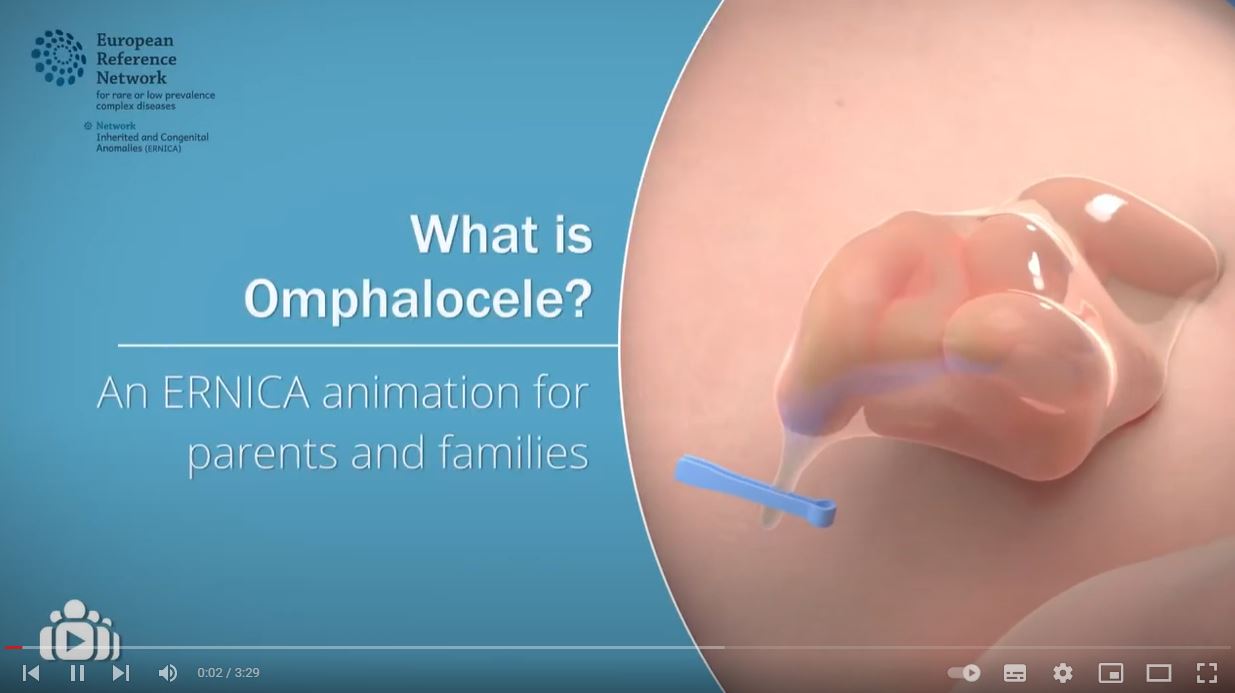
What is Omphalocele? An ERNICA animation for parents and families
3 min · Published Dec 2023
Video
What is Congenital Diaphragmatic Hernia (CDH)? An ERNICA animation for parents and families
3 min · Published Dec 2023
Video
What is small bowel atresia?: An ERNICA animation for parents and families
4 min · Published Dec 2023
Video
Hirschsprung-associated enterocolitis in children: An ERNICA animation for parents and families
3 min · Published Dec 2023
Video
Surgical treatment for Hirschsprung’s Disease: An ERNICA animation for parents and families
3 min · Published Dec 2023
What the experts said
Esophageal atresia is a rare birth defect where a part of the esophagus, the tube connecting the mouth to the stomach, is missing.
All patients born with oesophageal atresia should be treated at a specialist center with a multidisciplinary team.
Follow-up support should be both lifelong and structured to monitor and treat difficulties such as breathing, nutritional or digestive issues.
For the first year after surgery, an outpatient review including a nutritional assessment should take place every 3rd month.
After the first year, outpatient assessments are recommended to occur every year or 2nd year until transition to adult care.
Patients should be supported through the transition process from child to adult care services.
An endoscopy is a procedure which examines the esophagus using a long, thin, flexible tube with a light and a camera passed through the mouth into the esophagus and stomach.
An endoscope can be used to remove a small sample of tissue (biopsy) from the esophagus to identify changes or early signs of change and help decide on treatment options.
An endoscopy should be performed when a child with oesophageal atresia is one year old.
Following the one-year endoscopy, endoscopies should be performed routinely to monitor children and adolescents born with oesophageal atresia.
In adulthood, an endoscopy should be routinely performed every 5 to 10 years, depending on the individual patient and their circumstances.
A review of the breathing system, including lung function tests, should be carried out for children and adolescents by a pulmonologist.
Quality of life assessments using a validated questionnaire should be offered to patients with esophageal atresia.
Parents, families, and individuals born with oesophageal atresia can access peer support through patient and family support groups.