


From
StayCurrentMD
Glycopyrrolate for Anastomtic Dehiscence in Esophageal Atresia
With Dr. Abdul Raoof Lamoshi · hosted by Dr. Todd Ponsky
Part of
Esophageal Atresia 79 items
Chapter 1 of 3 · Evidence & Research
Study design
Study Design and Patient Population
Expert statements on this page
No expert statements were drawn from this page.
Host summaries · secondary, not cited in answers
Educational content from recorded physician discussions — not medical advice. Talk to your (or your child's) care team about your situation.
Video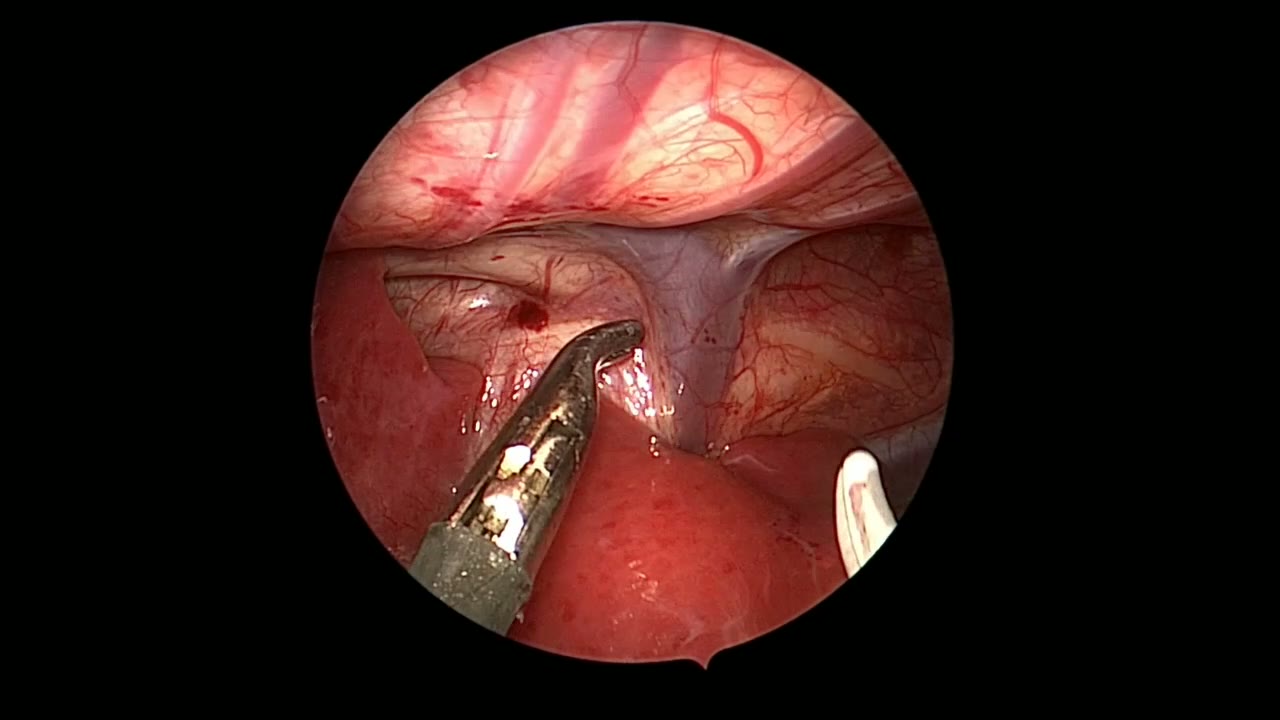
JRS TEF SHORT
Dr. Steve Rothenberg · 2 min · Published May 2026
Video
APSA - Effect of transanastomotic feeding tubes on anastomotic strictures in patients with esophageal atresia and tracheoesophageal fistula- the Quebec experience - Kathryn LaRusso
8 min · Published May 2022
Video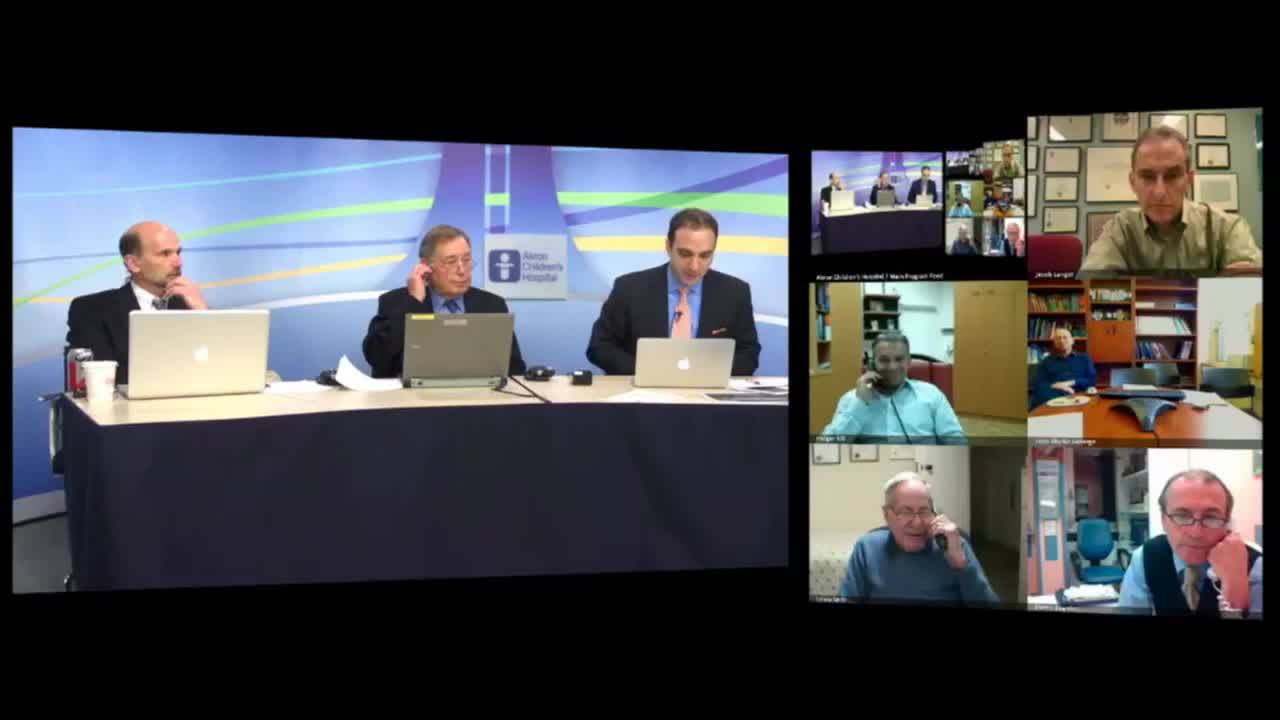
Leak after Esophageal Atresia Repair / TEF Repair: Discussion of World Experts
Dr. Todd Ponsky · 15 min · Published Dec 2012
Video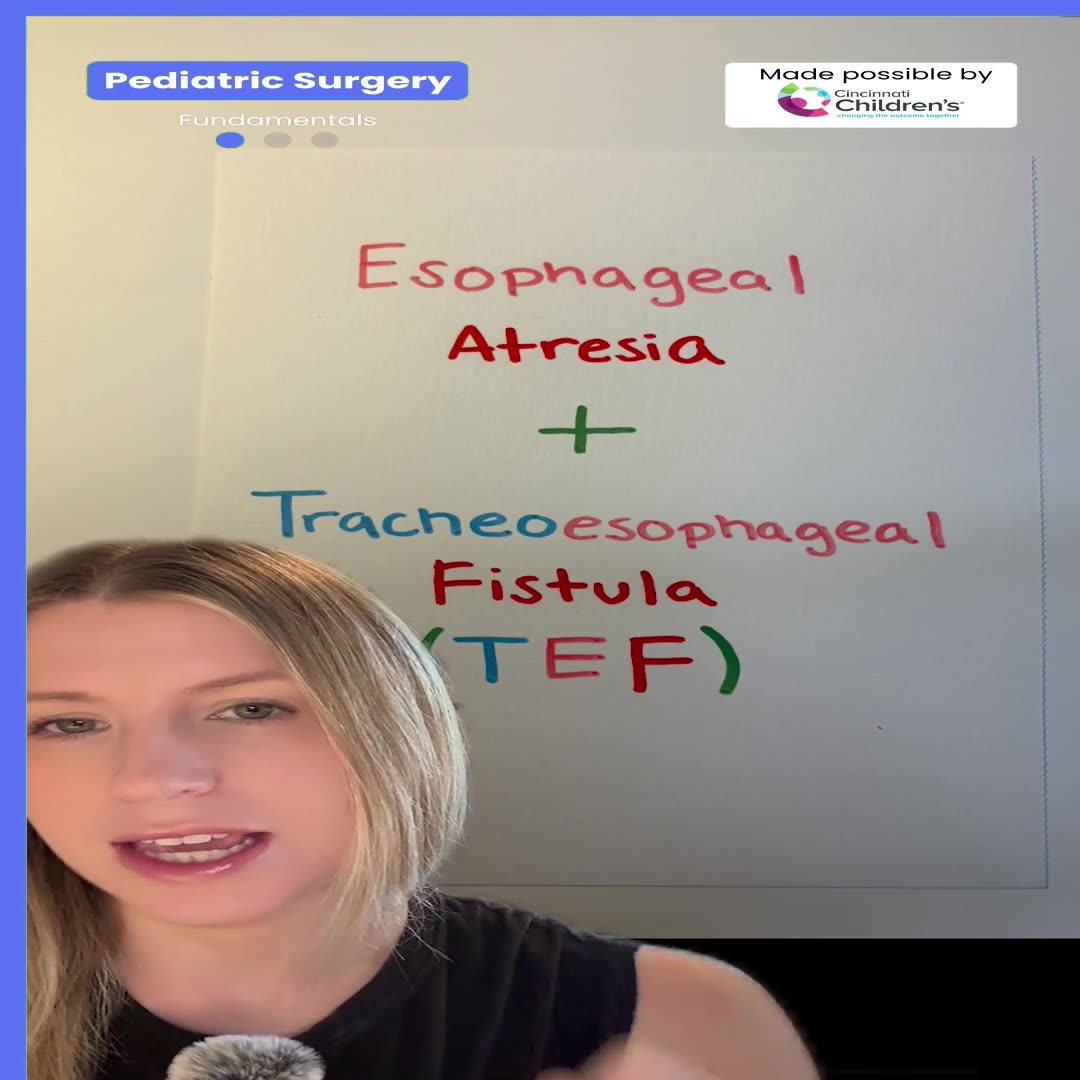
Esophageal Atresia & Tracheoesophageal Fistula (EA/TEF) Types Explained for Pediatric Surgery
2 min · Published Sep 2026
Video
Hot New Topics from The Journal Of Pediatric Surgery: Update Course 2017
Dr. Todd Ponsky · 27 min · Published Aug 2017
Video
Esophageal Atresia
39 min · Published Nov 2018
Video
Intestinal Atresia Types Explained: Grossfeld Classification for Pediatric Surgery
1 min · Published Sep 2026
Video
Derivation and validation of the Pediatric Community-Acquired Pneumonia Severity (PedCAPS) score: A prospective cohort study
50 s · Published Sep 2026
Video
FETO for Late-Diagnosed Severe Congenital Diaphragmatic Hernia (CDH) at Cincinnati Children's with Dr. Beth Rymeski
4 min · Published Sep 2026
Video
Severe Congenital Diaphragmatic Hernia (CDH) Case: FETO Management & Unexpected Findings with Dr. Beth Rymeski
3 min · Published Sep 2026
Video
Fetoscopic Endoluminal Tracheal Occlusion (FETO) Procedure: Step-by-Step Guide with Dr. Beth Rymeski
4 min · Published Sep 2026
Video
Choledochal Cyst Types Explained: Pediatric Surgery Fundamentals
1 min · Published Sep 2026
What the experts said
The study was a very well done randomized controlled trial with a very good sample size
The results were both statistically and clinically significant
Glycopyrrolate is a novel treatment that can have substantial effect on the complicated problem of anastomotic leak after esophageal atresia repair
The study was a prospective randomized control trial studying the effect of glycopyrolate on patients that had leak after esophageal atresia repair
There were 297 patients over a 10 year period that underwent esophageal atresia repair
Of the 297 patients, there were 42 leaks, approximately 14%
The 42 patients with leaks were prospectively randomized into two groups of 21 each, one receiving glycopyrrolate and the other receiving placebo (saline)
The observer was blinded to which treatment group the patient was in
Chest tube output was 124 mL in the glycopyrrolate treatment group compared to 370 mL in the placebo group
Leak resolution was accomplished in 76% of the glycopyrrolate treatment group compared to 29% of the placebo group
Oral feeding was achieved in 71% of the glycopyrrolate treatment group compared to only 14% of the placebo group