

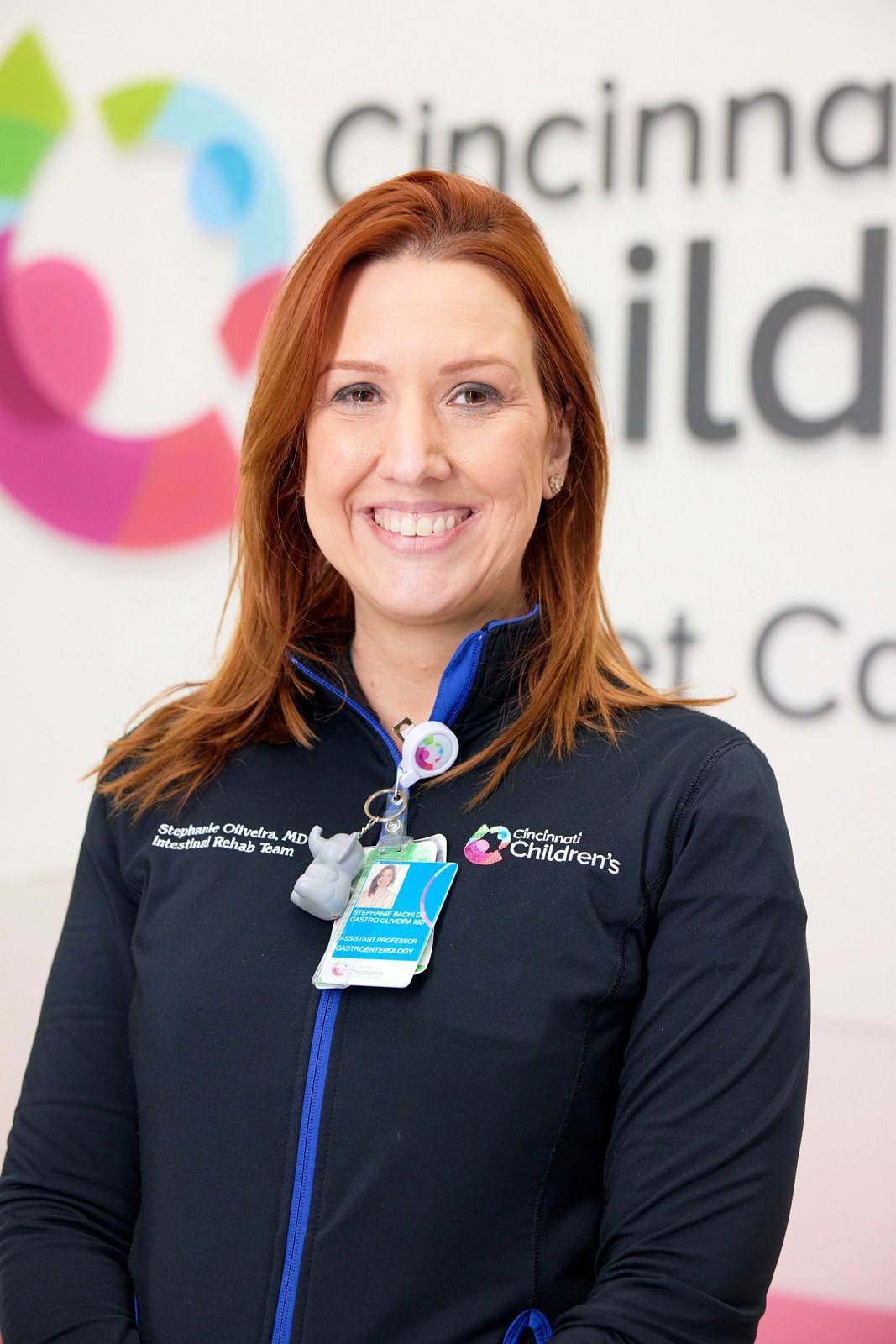
Pediatric Gastroenterology Fellowship Program at Cincinnati Children's Hospital
With Dr. Stephanie Bachi de Castro Oliveira
Chapter 1 of 3
Program overview
Program Overview and Mentorship Philosophy
Expert statements on this page
No expert statements were drawn from this page.
Host summaries · secondary, not cited in answers
Educational content from recorded physician discussions — not medical advice. Talk to your (or your child's) care team about your situation.
More about this diagnosis
Liver diseaseVideo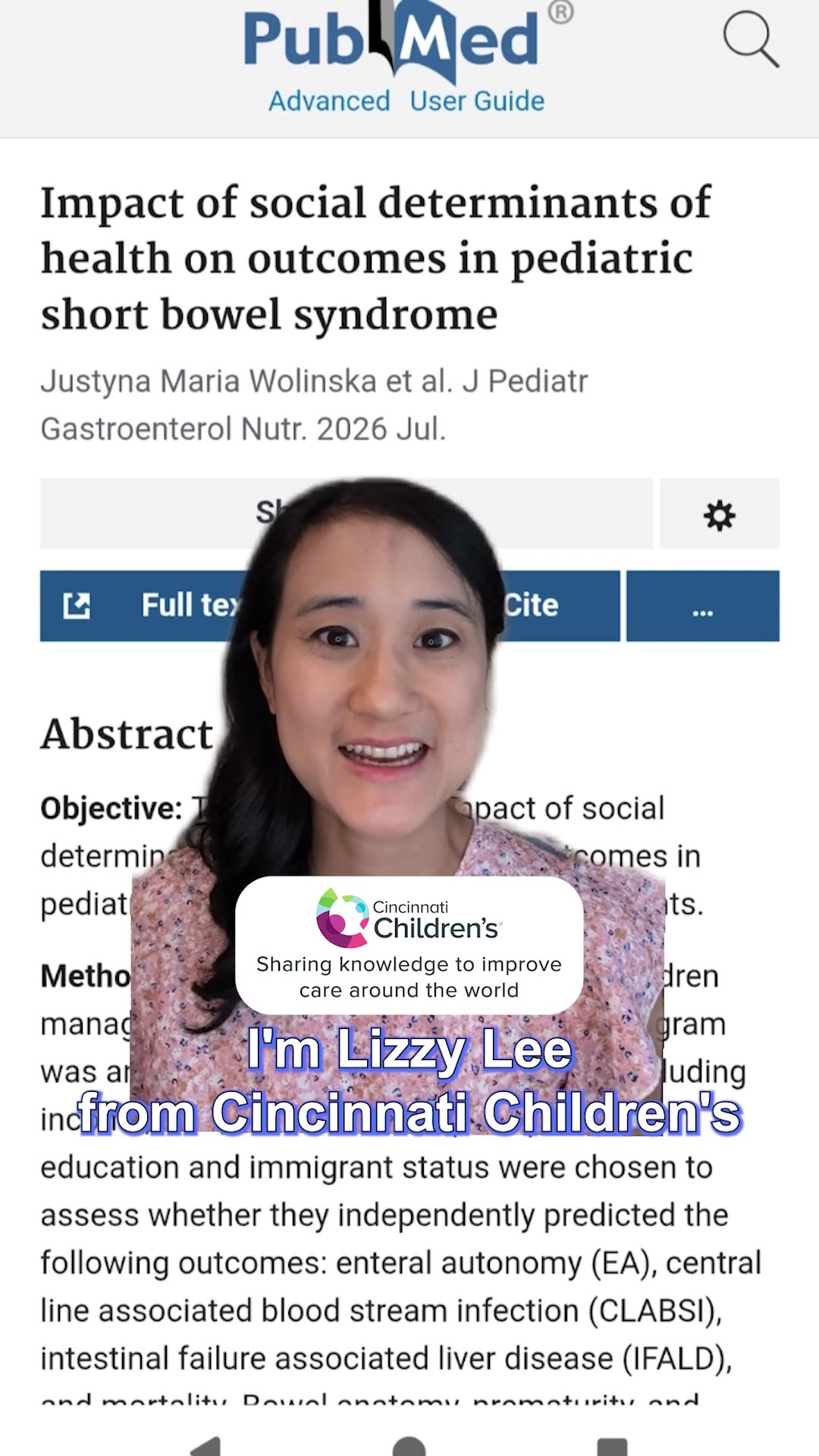
Impact of social determinants of health on outcomes in pediatric short bowel syndrome...
43 s · Published Aug 2026
Video
Outcomes of Fontan Patients Undergoing Combined Heart - Liver Transplantation in Pediatric Hospitals Across the U.S.
59 s · Published Dec 2025
Podcast
Intestinal Rehabilitation, Episode 3: Enteral Autonomy, Part 1
16 min · Published Mar 2022
Podcast
Intestinal Rehabilitation, Episode 1: What is intestinal rehabilitation?
14 min · Published Dec 2021
Video
Intestinal rehabilitation: What is intestinal rehab? - Episode 1
Dr. Todd Ponsky · 14 min · Published Dec 2021
Video
Update Course 2021: APSA PDC UPDATES
Published May 2022
More from this expert
Dr. Stephanie Bachi de Castro OliveiraWhat the experts said
The fellowship program offers extensive diversity in gastroenterology training while helping fellows focus on their specific passions.
Clinicians, scientists, and basic researchers all work together in a unique collaborative environment.
The program has a history and tradition of innovation that attracts fellows.
Innovation is used to design the best treatment and approaches to patient care.
Fellows in the right environment with ideas, goals, and dreams will achieve them.
Few programs around the country can offer similar depth and breadth of patient experiences.
The comprehensive training ensures graduates will have seen everything and will not be phased by any clinical scenario.
The program does not want fellows to do research projects merely to fulfill board requirements.
The program helps fellows find what excites them and matches it with their clinical interests.
Whether a fellow enjoys laboratory work versus patient care affects their research direction.
The program has faculty doing diverse types of research, allowing fellows to find whose career they want to emulate.
The program offers a tremendous breadth of patients across the complete spectrum of gastroenterology research.
The program provides both patient care and research in liver disease, inflammatory bowel disease, and pancreatic disorders.
The program is one of the bigger fellowship programs in the country.
Fellows see a range from general gastroenterology to complex patients and work with top GI specialists.
From the onset, fellows have the capability to pursue their interests without barriers.
Cincinnati Children's has one of the top-ranked gastroenterology programs in the country.
Cincinnati Children's is consistently ranked as one of the nation's top pediatric hospitals.
The division is one of the best funded in the nation by the National Institutes of Health.
More than half of the faculty have ongoing, well-recognized disease-based research programs.
The Pancreas Care Center is one of only a few pediatric programs nationwide recognized by the National Pancreas Foundation as a center of excellence.
The program receives more than 8,000 new patients each year as a national and international referral destination.
The program pursues groundbreaking basic and clinical research to enhance patient care.