


From
Dr. Ramy Shaaban
Examining audiology students’ clinical reasoning skills with virtual audiology cases aided with no collaboration, live collaboration, and virtual collaboration
medrxiv.org shows its articles on its own site.
Read the article on medrxiv.org ↗Article · Jul 2020 · 1 min read
In brief
In brief
This quasi-experimental study compared audiology students' clinical reasoning across three learning conditions: independent work, face-to-face collaboration, and virtual collaboration using simulation software. Results showed significant differences between groups, with both collaborative approaches enhancing clinical reasoning skills compared to working alone.
Written by the GCMD Library team from the article.
Abstract The purpose of this study was to examine the difference in clinical reasoning skills of students when using virtual audiology cases aided with no collaboration, virtual collaboration, and live collaboration. The theoretical framework discussed five major approaches that could explain this effect; Situated Learning Theory, Social Development Theory, Scaffolding, Collaborative Learning, and Cognitive Load Theory. A quasi-experimental design was conducted at two U.S. universities to examine whether there is a significant difference in clinical reasoning skills between the three treatment groups using IUP Audiosim software. The clinical reasoning data were analyzed using One-Way ANOVA, and Tukey HSD for ANOVA. The results indicated that there was a significant difference in clinical reasoning skills between the three treatment groups. Further analyses are shown in the body of the study.
Educational content from recorded physician discussions — not medical advice. Talk to your (or your child's) care team about your situation.
Article
IMITASD: Imitation Assessment Model for Children With Autism Based on Human Pose Estimation
Ramy Shaaban · Published Oct 2026
Podcast
Disruptive technologies in medical education: escape rooms, virtual reality, and gamification
Ramy Shaaban · 12 min · Published Feb 2023
Video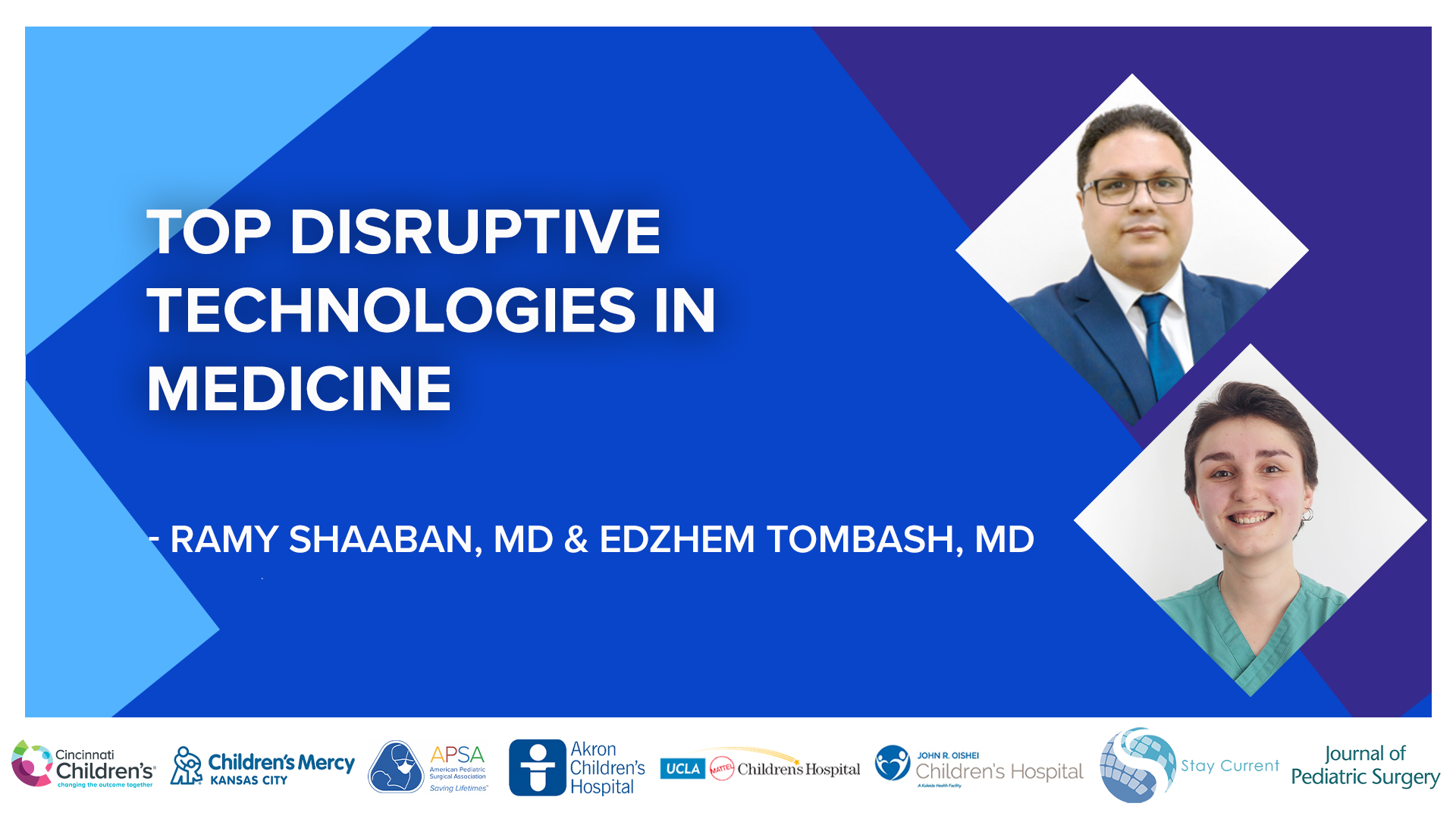
Disruptive technologies in medical education: escape rooms, gamification, and immersive learning
26 min · Published Sep 2022
Article
Examining Audiology Students' Clinical Collaboration Skills When Using Virtual Audiology Cases Aided With No Collaboration, Live Collaboration, and Virtual Collaboration
Ramy Shaaban · Published Jan 2022
Article
Efficacy and Effectiveness of SARS-CoV-2 Vaccines: A Systematic Review and Meta-Analysis.
Ramy Shaaban · Published Oct 2026
Article
Protocol for a global electronic Delphi on integrating artificial intelligence into solid organ transplantation
Ramy Shaaban · Published Jan 2026
Article
Parental intention to vaccinate children against seasonal influenza in the Eastern Mediterranean region: A cross-sectional study using the health belief model
Ramy Shaaban · Published Jan 2023
Article
COVID-19 Vaccine Acceptance among Social Media Users: A Content Analysis, Multi-Continent Study
Ramy Shaaban · Published May 2022
Article
Healthcare Utilization with Drug Acquisition and Expenses at the National Health Insurance Fund in Sudan
Ramy Shaaban · Published Mar 2022
Article
Arabic validation and cross-cultural adaptation of the 5C scale for assessment of COVID-19 vaccines psychological antecedents
Ramy Shaaban · Published Aug 2021