Laparoscopic modified percutaneous internal ring suturing - a mesh-free alternative for indirect inguinal hernia repair in adults. a pilot prospective cohort study

Author: Jill Knepprath,MD Published: 2026-05-01

Expert / Speaker

Jill Knepprath,MD
1 Views
0 Likes
0 Shares
0 Comments

Topic overview

Petter Fosse Gjessing, Todd Ponsky, Rolv-Ole Lindsetmo

Background

Inguinal hernia surgery has undergone significant and extensive transformation, including the advent of tissue-based repairs and, later, tension-free repair with the acceptance of prosthetic mesh[1].

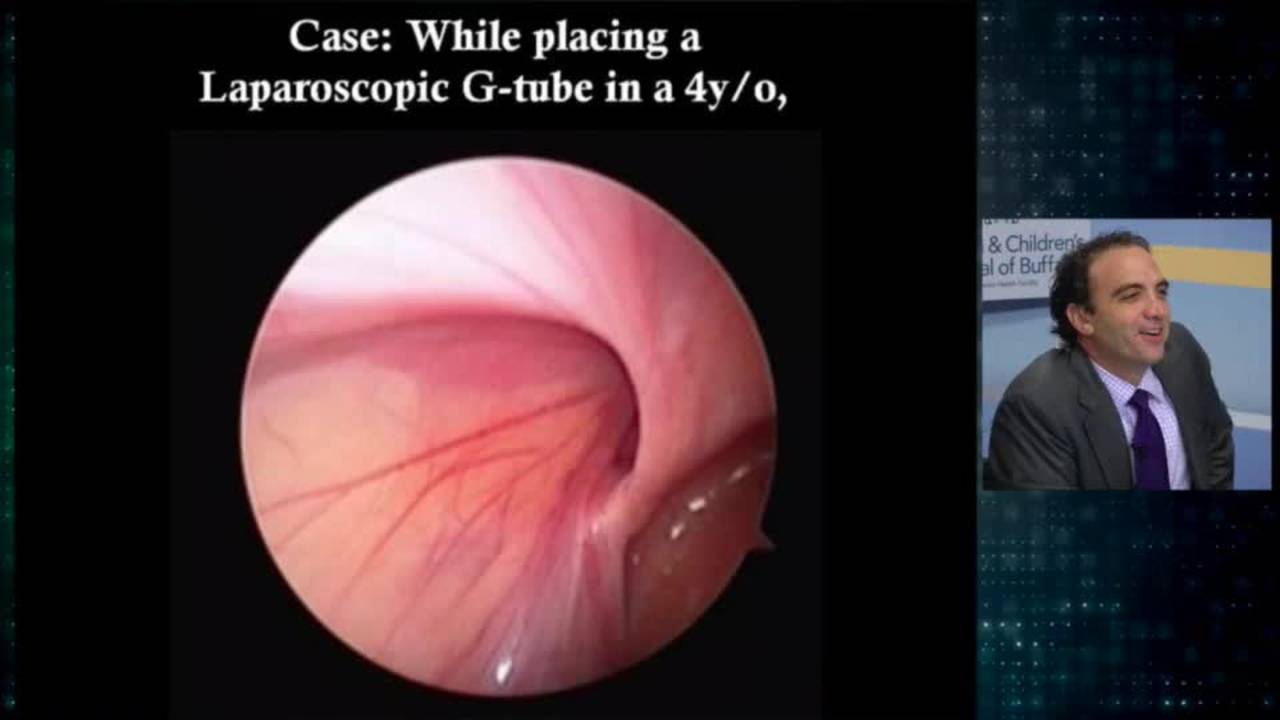
Laparoscopic high-ligation repair of indirect inguinal hernias is the standard practice for most pediatric surgeons. Laparoscopic high-ligation repair is not recommended by adult hernia surgeons because of concerns regarding recurrence[2]. This study aimed to conduct a prospective pilot trial using the modified percutaneous internal ring suturing (mPIRS) technique to examine the efficacy of laparoscopic non-mesh repair of indirect inguinal hernia in adults.

Material and methods
This prospective single-center cohort study was conducted after obtaining approval from a regional ethical review board. Written informed consent was obtained prior to any protocol-related activity.

All mPIRS operations, preoperative and postoperative clinical examinations, and follow-up examinations were performed by the same surgeon (PFG). All patients were examined for surgical wound healing and hernia recurrence 1 month and 1 year after surgery. Patients were instructed to fill out three questionnaires for assessment of hernia-related pain and functional activity and to evaluate abdominal-specific and general health-related quality of life [Short Form-36 (SF-36)] prior to surgery and 1 month and 1 year postoperatively[3–5]. Patients were further interviewed by telephone for at least 3 years after surgery to assess the self-reported signs of hernia recurrence.

The study inclusion was according to the protocol and performed in an academic hospital setting.

Study outcomes
The primary outcome was hernia recurrence. The secondary outcomes were complications from surgery within 1 year of the repair, including pain and discomfort interfering with usual activities and quality of life.

Eligibility
Patients aged ≥18 years with suspected or radiologically verified indirect inguinal hernias admitted to the outpatient clinic were eligible for inclusion. Patients with recurrent hernias, emergent cases, bilateral or direct hernias, body mass index (BMI) > 35 kg/m2, cirrhosis, liver disease, or dialysis treatment were excluded.

Surgical technique
All inguinal hernia repairs were conducted as day care surgery during endotracheal intubation with muscle relaxation in the supine position.
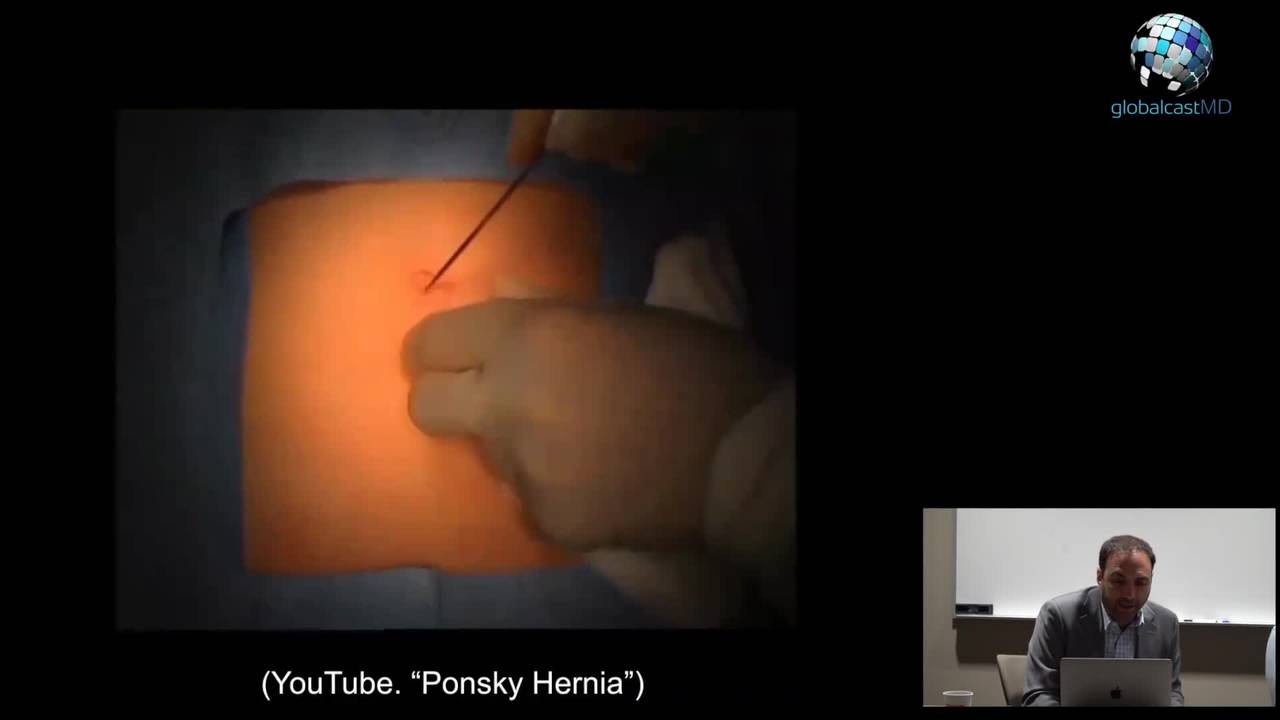
The operative technique was performed as described in the pediatric population[6] and as seen in pictures A–H (Supplemental Digital Content 1, available at: https://links.lww.com/JS9/F953). The hernia was classified according to the European Hernia Society (EHS) classification[7] and photo documented.
Postoperatively, all patients followed the standard hospital protocol for early recovery after surgery, with no dietary restrictions and physical activity limited by pain.

There were no additional costs connected to the operation for the patients nor the hospital.

The m-PIRS method was introduced by the second author in a 2-day, pre-study surgical training session. The follow-up mentoring was done by telemedicine with live performance from the operating theater. The main author who performed all the operations to ensure standardization and quality of the mPIRS procedure was an experienced specialist in laparoscopic colorectal and general surgery.

Statistical methods
The variable distribution was tested using the Shapiro–Wilk normality test. Data were analyzed using Student’s dependent t-test, Wilcoxon Signed Rank test, and Friedman’s ANOVA with Bonferroni correction, where appropriate, using SPSS Statistics for Windows, Version 28 (IBM Corp., Armonk, New York). Differences were considered statistically significant at P < 0.05. We estimated that 20 patients should be enrolled in the study[8].
The manuscript has been reported in line with the updated STROCSS 2025 criteria[9] and the STROBE checklist[10].

Results
Patients:
Three female and 17 male patients with both right- and left-sided unilateral indirect inguinal hernias classified as EHS L1, L2, and L3 underwent surgery using the mPIRS technique between February 2015 and November 2019. All the female patients had right-sided L1 hernias. All procedures were performed without complications and with no conversion to open repair (Table 1).

Table 1 - Patient, hernia, and operation descriptive statistics.

Patients
 Female:male (n)
3:17
 ASA 1 (n)
12
 ASA 2 (n)
8
 BMI (kg/m2) (mean/range)
24.2 (19.7–32.4)
 Age (years) (mean/range)
35 (18–58)
Hernia and operation
 Hernia localization right:left (n)
8:12
 EHS L1 n (%)
5 (25)
 EHS L2 n (%)
14 (70)
 EHS L3 n (%)
1[5]
 Operating time (minutes) (mean/range)
35 (18–60)
 Diagnostic relaparoscopy (n)
2
ASA, American Society of Anesthesiologists; BMI, body mass index; EHS, European Hernia Society; L1, lateral hernia >1.5 cm; L2, lateral hernia 1.5–2.5 cm; L3, lateral hernia >2.5 cm.

Hernia recurrence
Neither recurrent hernia nor wound healing problems were seen at postoperative clinical examination. The median follow-up was 79 months (range: 36–93 months). None of the patients reported any sign of hernia recurrence.

Recurrence of erroneously operated direct hernia
One patient got a recurrent hernia 1 year after surgery, but examination of the images and video recording of the procedure revealed that the hernia was an uncommon direct hernia variant located laterally of the inferior epigastric vessels, which was intraoperatively misinterpreted. The patient was retrospectively excluded from the study.

Surgical pain scales
Pain while at rest and during normal activities declined by 4.5 (−8 to 67) mm (P < 0.01) and 7.5 (−6 to 101) mm (P < 0.001) (median/range) after 1 year, respectively. The corresponding pain unpleasantness declined by 28.5 (−3 to 128) mm (P < 0.001) (data not shown).

Activity assessment scale
Fifteen of the 20 patients reported a total AAS score of <100 prior to surgery. An improvement of 7 (0–21) (median/range) points (P < 0.01) was observed after 12 months when all patients reported a full score of 100 (Fig. 1).


Figure 1.: Physical functioning measured by the Activity Assessment Scale preoperatively and 1 month, and 1 year after surgery. Lines represent individual patients, n = 20 (some overlapping).
Short Form-36 version 2 questionnaire
The SF-36 scores showed improvement in the physical health summary and physical functioning, role physical, bodily pain, social functioning, and role emotional subscales (P< 0.05) (Table 2).

Table 2 - The 36-item Short-Form Health Survey Questionnaire, version 2 (SF-36) scores.


SF-36 version 2 subscale and summary scores
Preoperative (mean ± SD)
1 year postoperative (mean ± SD)
P-value
Physical functioning
52.5 ± 4.8
56.9 ± 0.8
<0.001
Role physical
46.8 ± 11.8
56.1 ± 0.6
<0.01
Bodily pain
46.2 ± 9.6
57.0 ± 5.9
<0.001
General health
52.4 ± 7.9
52.8 ± 9.9
ns
Vitality
50.8 ± 8.0
52.5 ± 6.4
ns
Social functioning
50.2 ± 7.0
54.6 ± 5.5
<0.05
Role emotional
47.8 ± 12.2
54.3 ± 3.2
<0.05
Mental health
50.1 ± 8.3
52.5 ± 6.2
ns
Physical health summary
49.7 ± 7.8
56.6 ± 3.4
<0.001
Mental health summary
49.5 ± 10.3
51.9 ± 5.6
ns
The different subscales and physical and mental health summaries preoperatively and 1 year after surgery, N = 19. Data are means ± standard deviations. Student’s dependent t-test.

Discussion
To our knowledge, this is the first prospective cohort study to assess the efficacy and outcomes of pain, functional status, and activity levels after laparoscopic high-ligation repair of indirect inguinal hernias in adults. No patients reported signs of hernia recurrence after at least 3 years after the mPIRS procedure, indicating that the mPIRS technique represents a valid mesh-free surgical alternative in this patient population.
The general applicability of this surgical technique could be questioned, as all operations were performed in healthy patients with a relatively normal BMI by one surgeon at a single center. However, the results from the pain measurements and assessments of both hernial specific and non-specific quality of life show that mPIRS can be performed in both female and male patients, and on EHS L1, L2, and L3 hernias, with good results.
The small sample size and lack of a control group represent obvious limitations of this study. We hope that this proof-of-concept pilot trial will allow the design of a randomized clinical trial comparing the efficacy of mPIRS to that of other standard repair techniques.

Intended audience: Healthcare professionals and clinicians.

Categories

Categories will appear after tagging completes.

Keywords

Keywords will be added soon through AI processing

Hashtags

Hashtags will be added soon through AI processing

Transcript

Speaker: Jill Knepprath,MD

Transcript will be available soon through AI transcription

Comments

Loading comments...