


From
StayCurrentMD
Long-Term Follow-Up of Surgical Outcomes for Patients With Wilms Tumor and Neuroblastoma
With Dr. Sophia Schermerhorn
Chapter 1 of 1 · Evidence & Research
Long-Term Surgical Outcomes in Wilms Tumor and Neuroblastoma Survivors
Expert statements on this page
No expert statements were drawn from this page.
Host summaries · secondary, not cited in answers
Educational content from recorded physician discussions — not medical advice. Talk to your (or your child's) care team about your situation.
Video
Updated Favorable histology Wilms tumor risk stratification: Rationale for future Children’s Oncology Group clinical trials
53 s · Published Apr 2026
Video
Social Determinants of Health Influence on Survival in Wilms Tumor, Neuroblastoma, and Hepatoblastoma
1 min · Published Jan 2026
Video
2025 Pediatric Surgery Update Course - Updates in Oncology
21 min · Published Aug 2025
Video
Wilms Tumor Protocol Violations: 2018 Pediatric Surgery Practice Gap #3
Dr. Todd Ponsky · Published Jun 2019
Video
Update Course 2021: DEI – CONCORDANCE AND POST OP COMPLICATION STUDIES
Published May 2022
Video
2025 Pediatric Surgery Update Course - Updates in Enhanced Recovery After Surgery (ERAS) Protocols
32 min · Published Aug 2025
Video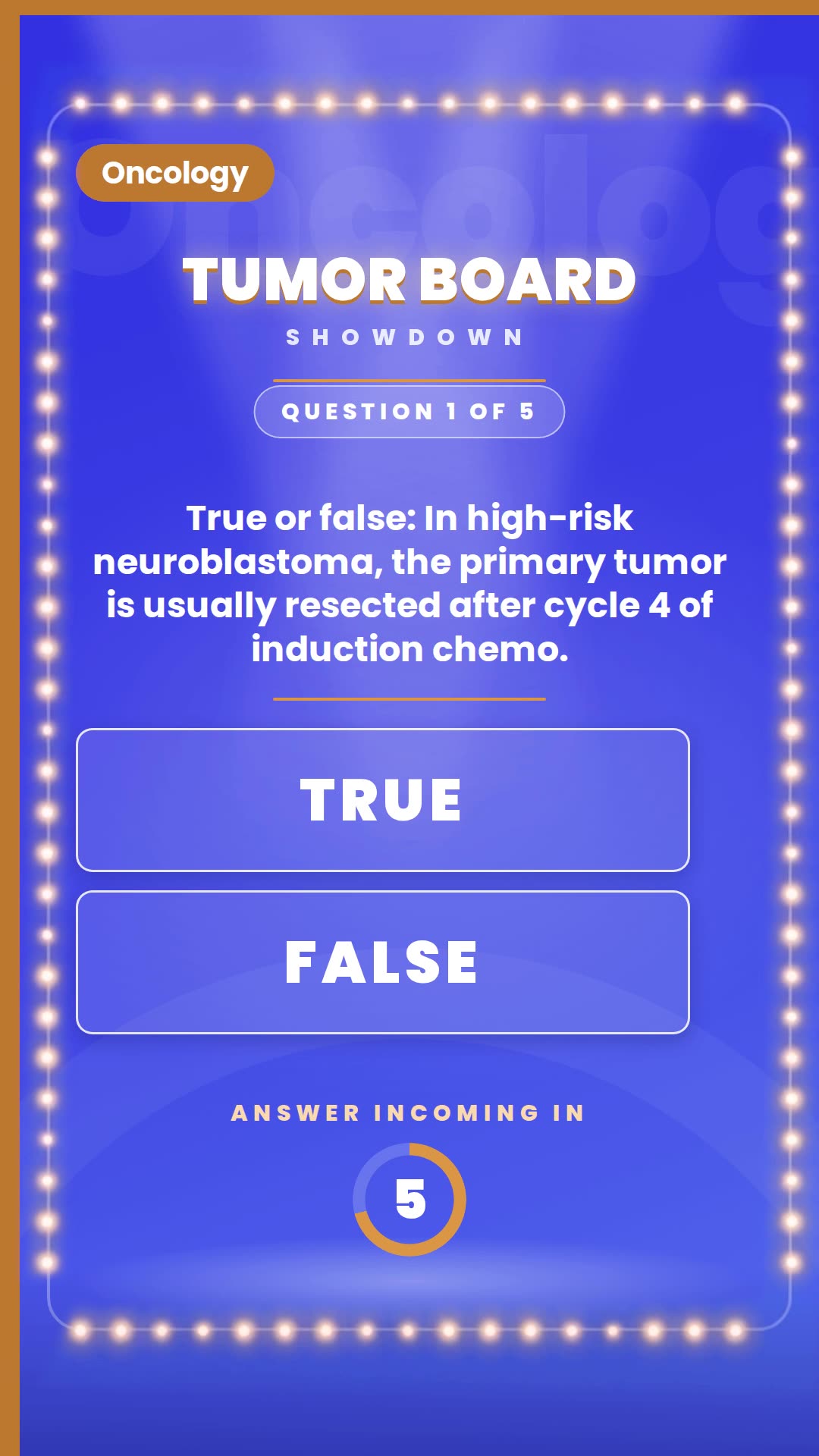
Oncology Tumor Board Showdown: Pediatric Oncology 5 Question Quiz
1 min · Published Oct 2026
Video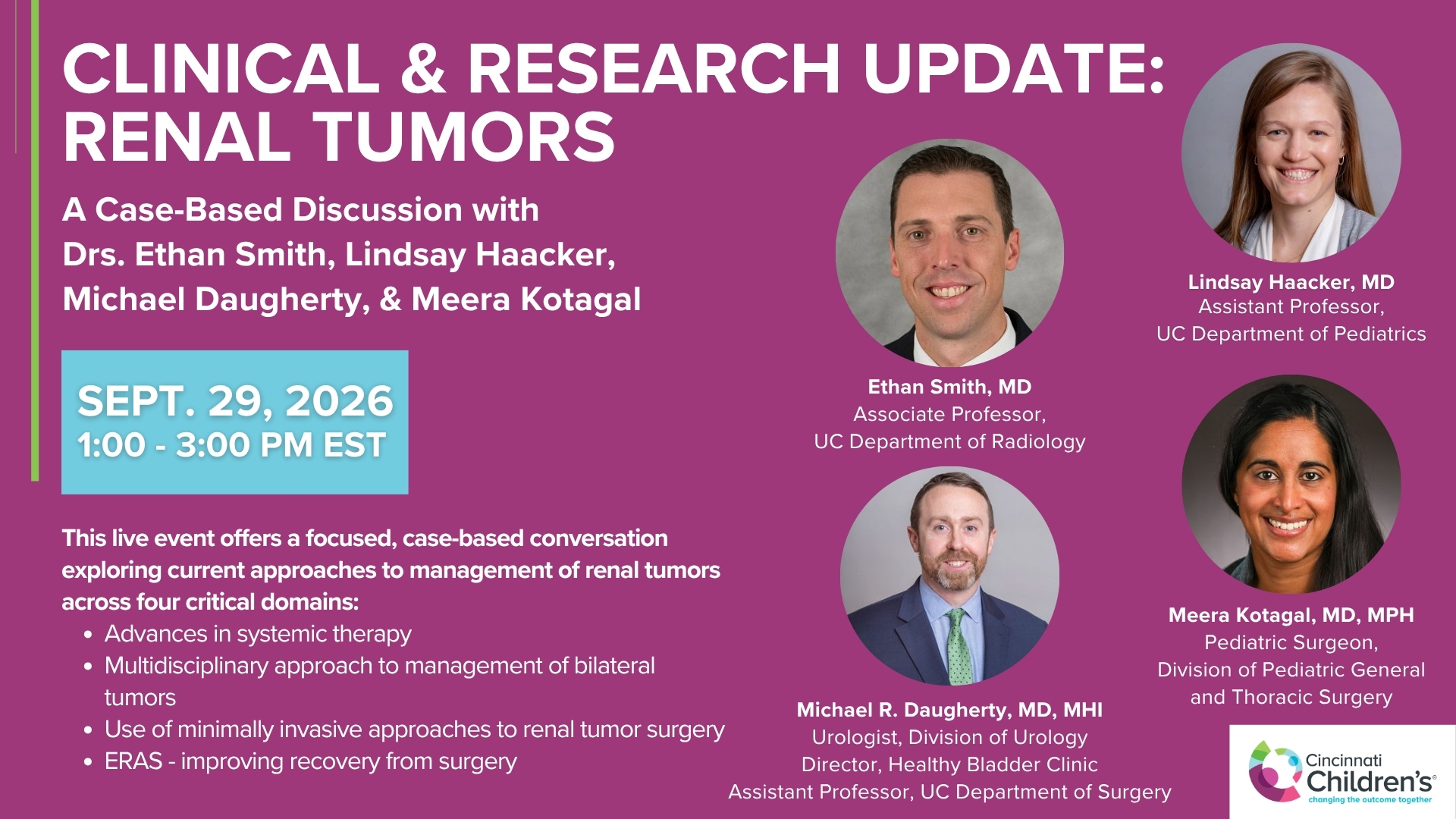
Clinical & Research Update: Renal Tumors with Drs. Ethan Smith, Lindsay Haacker, Michael Daugherty, and Meera Kotagal
71 min · Published Sep 2026
Video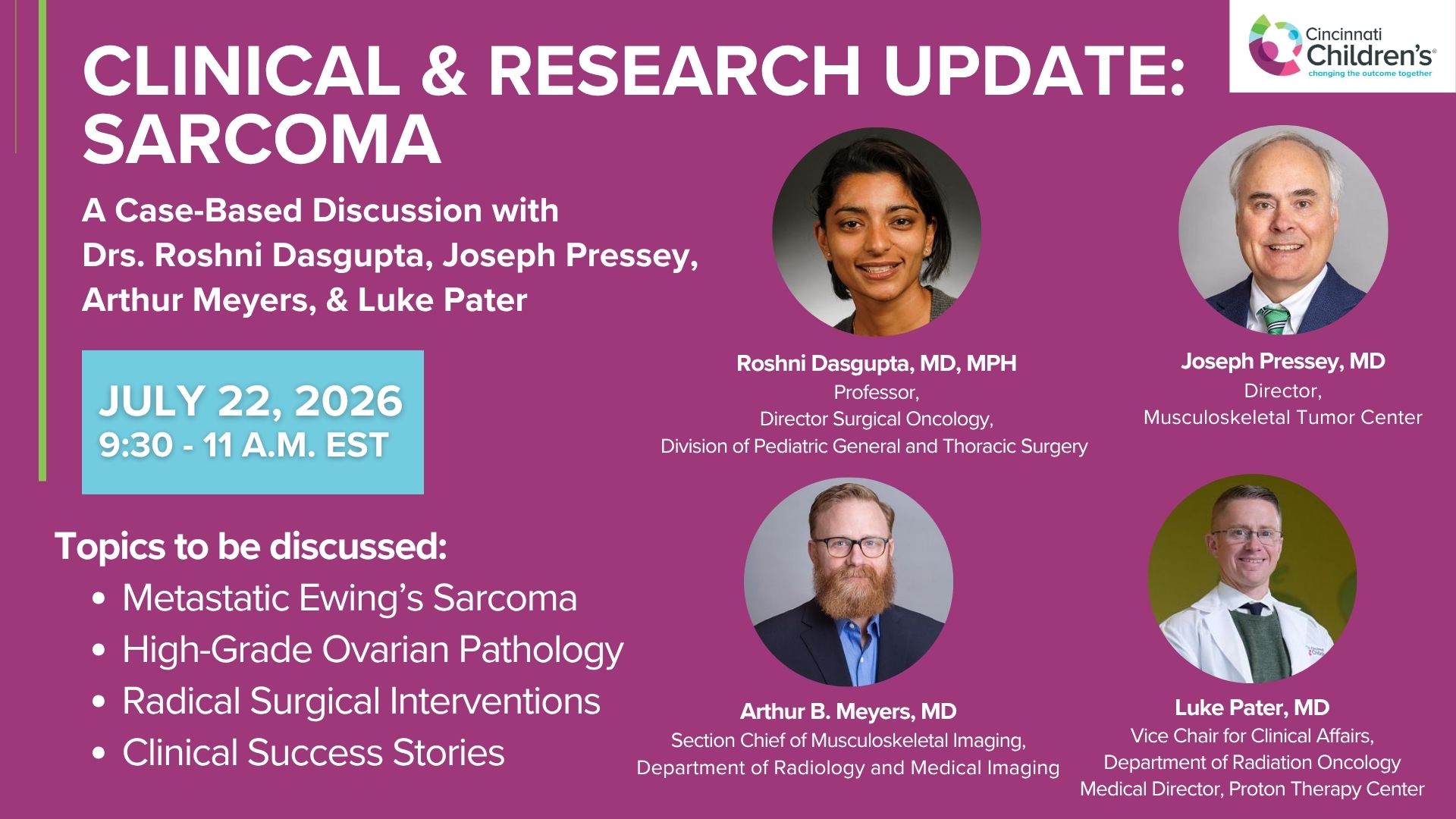
Clinical & Research Update: Sarcoma w/ Drs. Roshni Dasgupta, Joseph Pressey, Arthur Meyer, Luke Pater
66 min · Published Sep 2026
Video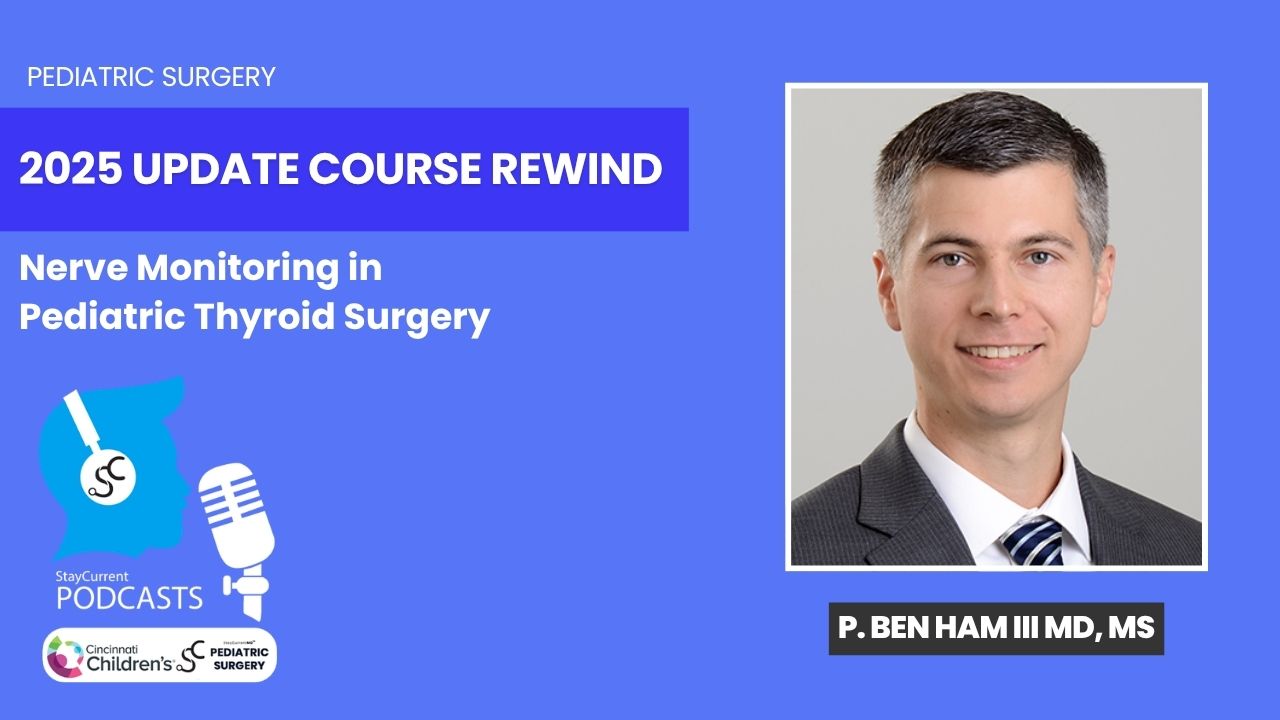
Update Course Rewind 2025: Nerve Monitoring in Pediatric Thyroid Surgery
6 min · Published Jul 2026
Video
Journal of Pediatric Surgery Article Review: June 2023, AAP Issue
Todd Ponsky · 13 min · Published Jul 2026
Podcast
Update Course Rewind 2025: Robotics in Pediatric Surgery: Which indications benefit the most?
Juan Pablo Gurria · 4 min · Published Jun 2026
Video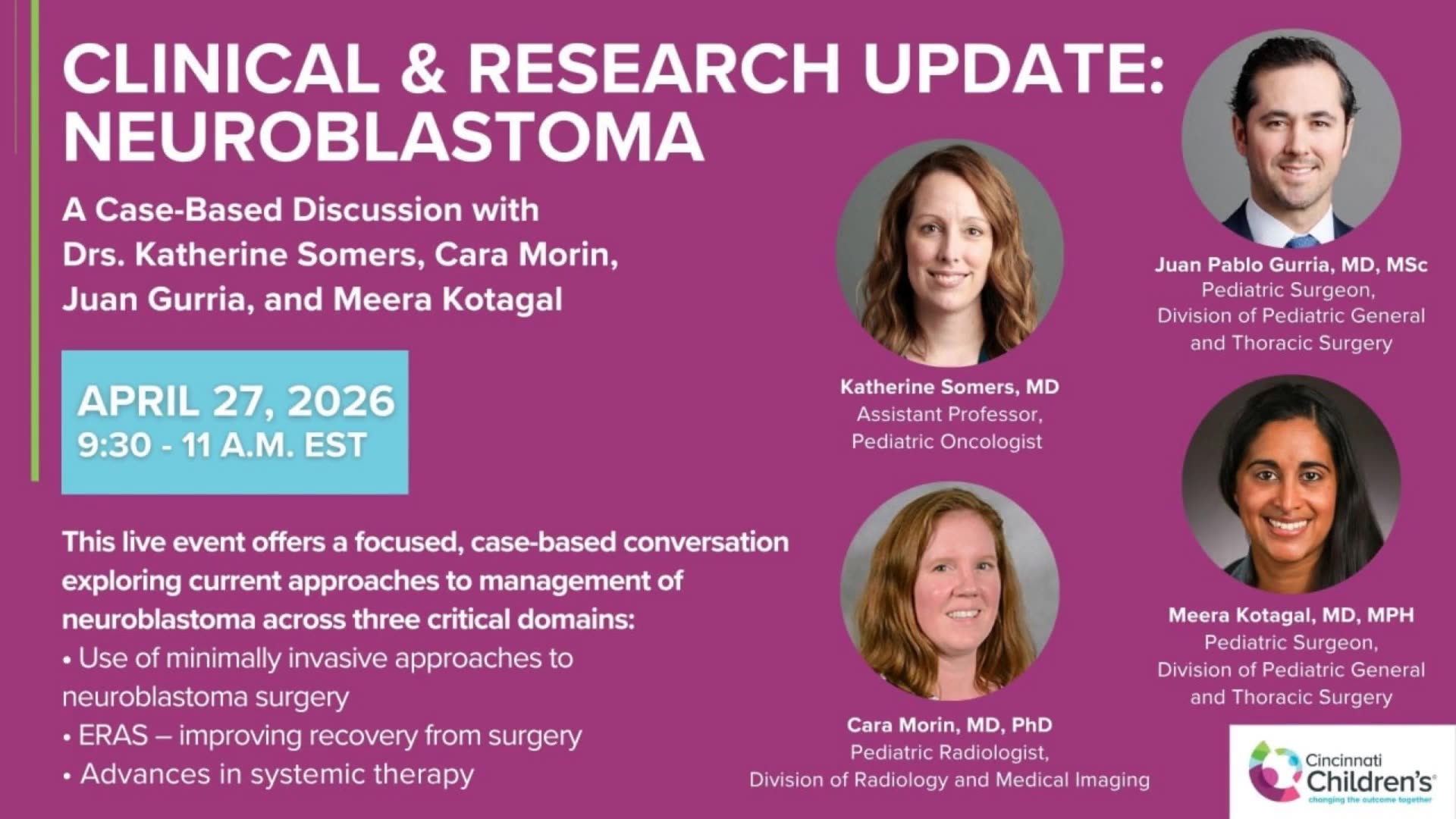
Clinical & Research Update: Neuroblastoma with Drs. Katherine Somers, Cara Morin, Juan Gurria, and Meera Kotagal
67 min · Published Sep 2026
Video
Indocyanine green assists with sentinel lymph node mapping in pediatric and adolescent patients
1 min · Published May 2026
Video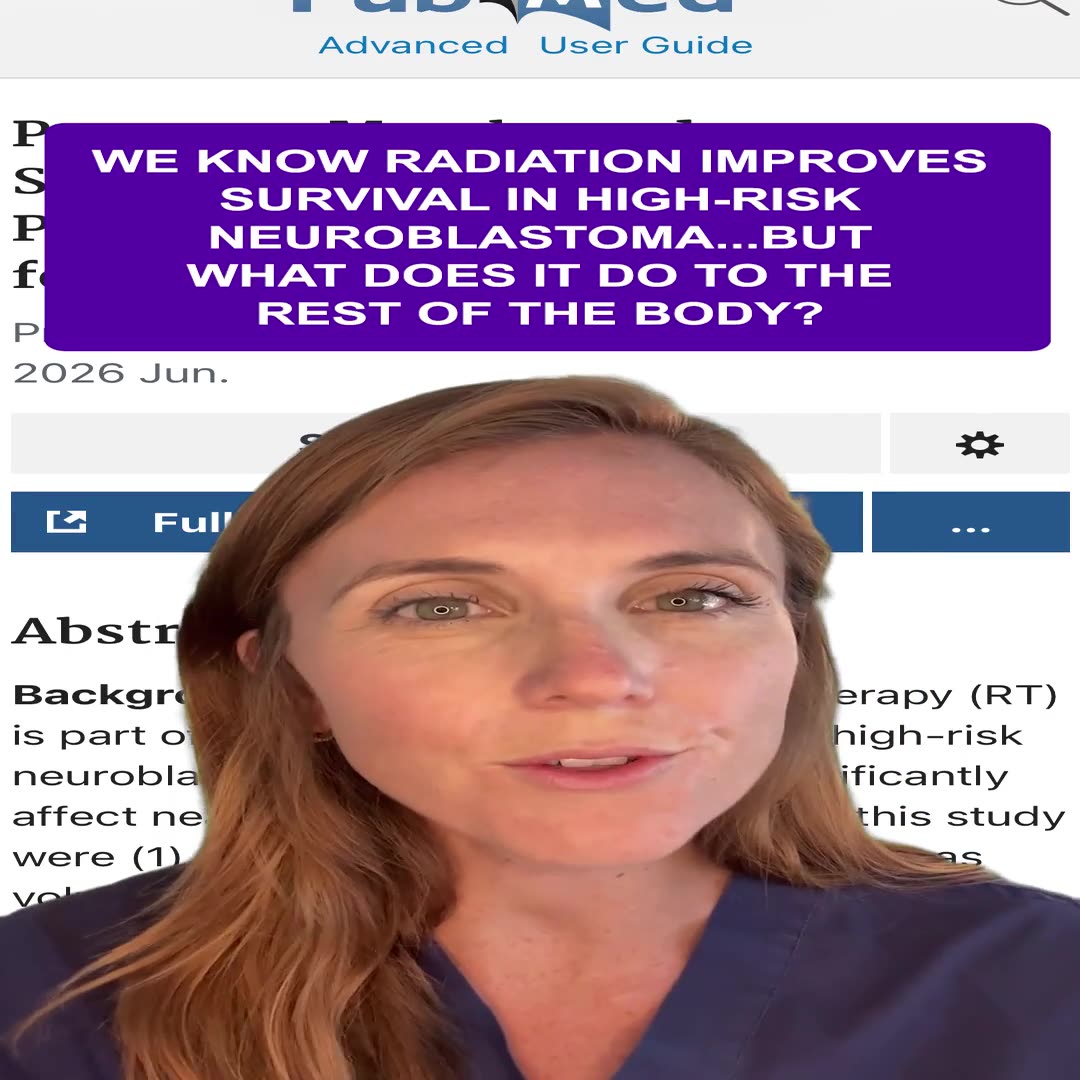
Pancreas, Muscle, and Subcutaneous Fat Atrophy in Patients Undergoing Radiation for Neuroblastoma
1 min · Published Apr 2026
Video
Clinical & Research Update: Pediatric Liver Tumors - A Case-Based Discussion with Drs. Katherine Somers & Alex Bondoc
69 min · Published Apr 2026
Video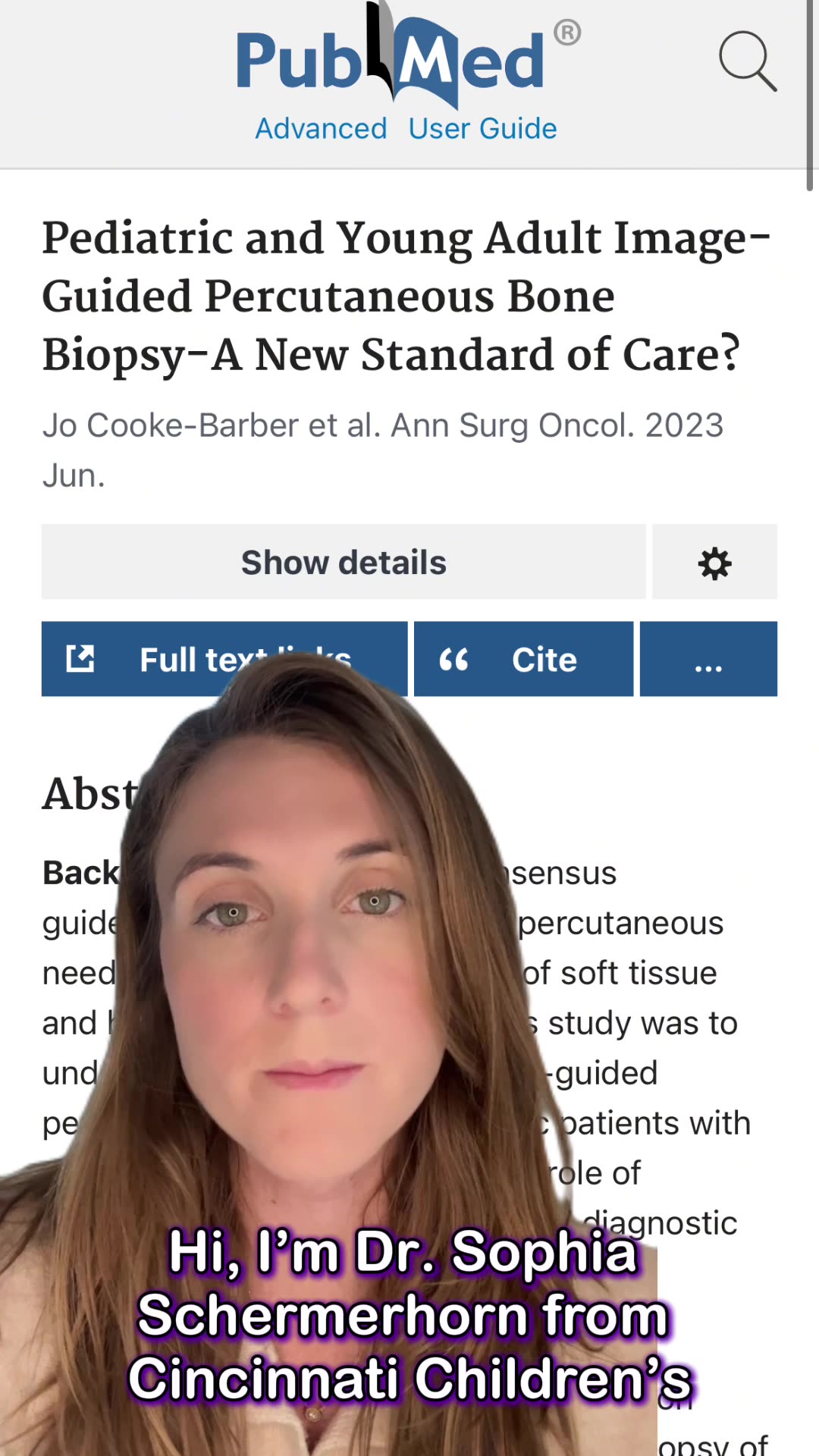
Pediatric and Young Adult Image-Guided Percutaneous Bone Biopsy-A New Standard of Care?
1 min · Published Feb 2026
Video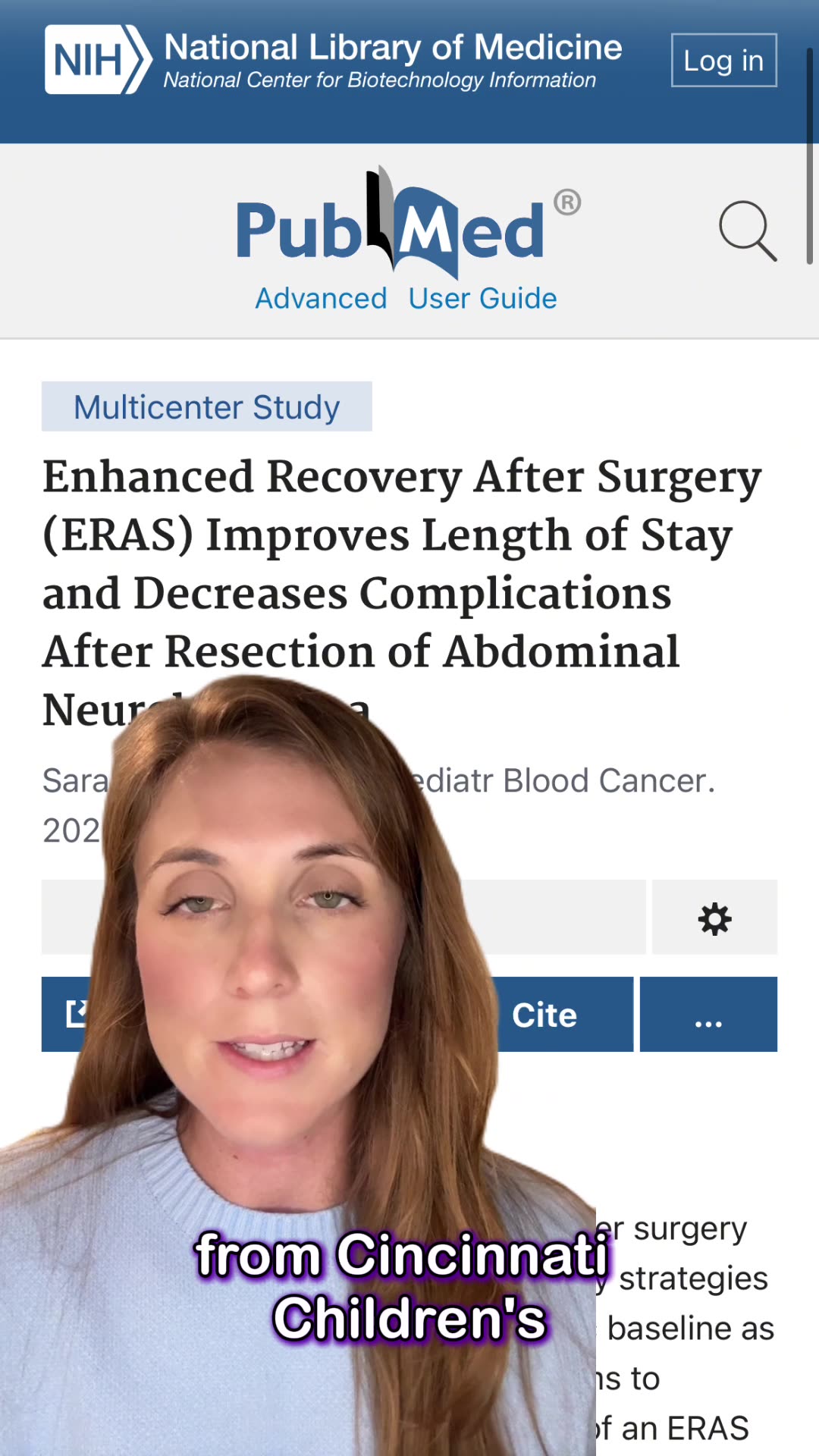
Enhanced Recovery After Surgery (ERAS) Improves Length of Stay and Decreases Complications After Resection of Abdominal Neuroblastoma
1 min · Published Feb 2026
Video
Intestinal Atresia Types Explained: Grossfeld Classification for Pediatric Surgery
1 min · Published Sep 2026
Video
Derivation and validation of the Pediatric Community-Acquired Pneumonia Severity (PedCAPS) score: A prospective cohort study
50 s · Published Sep 2026
Video
FETO for Late-Diagnosed Severe Congenital Diaphragmatic Hernia (CDH) at Cincinnati Children's with Dr. Beth Rymeski
4 min · Published Sep 2026
Video
Severe Congenital Diaphragmatic Hernia (CDH) Case: FETO Management & Unexpected Findings with Dr. Beth Rymeski
3 min · Published Sep 2026
Video
Fetoscopic Endoluminal Tracheal Occlusion (FETO) Procedure: Step-by-Step Guide with Dr. Beth Rymeski
4 min · Published Sep 2026
Video
Choledochal Cyst Types Explained: Pediatric Surgery Fundamentals
1 min · Published Sep 2026
What the experts said
This single institution cohort followed survivors for a mean of 27 years after open oncologic resection for Wilms tumor and neuroblastoma
14% of patients required a repeat laparotomy
The most common indications for repeat laparotomy were small bowel obstruction or tumor recurrence
In Wilms tumor, obstruction typically occurred within the first year
In neuroblastoma, obstruction often developed more than a decade later, well beyond routine follow-up
Radiation dose was not associated with re-operation risk
Secondary malignancy was uncommon in this cohort
Hypertension after nephrectomy was not increased compared to population norms
Scoliosis occurred in roughly 10 to 13% of patients, higher than the general population
Scoliosis has multi-factorial contributors including surgery and possibly radiation
Even decades after treatment, these patients remain at risk for late complications that warrant long-term counseling and follow-up