

From
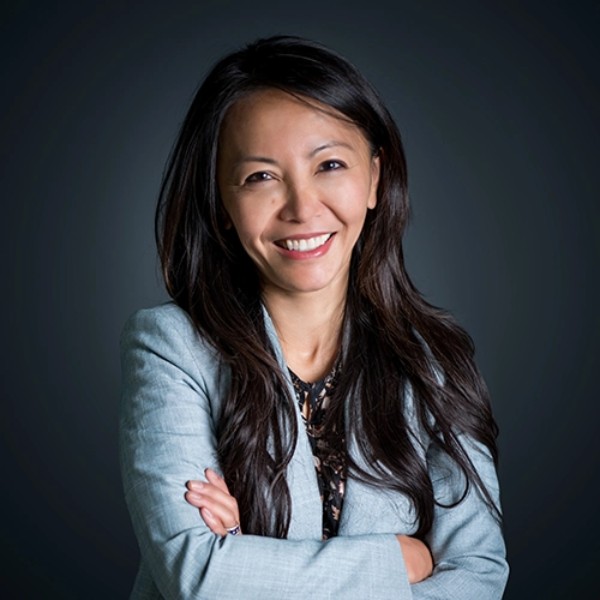
Dr. Diana Ponsky
Surgeon Diana Ponsky: Wrong Labels and Winning Despite Them with Linda Kreter
With Dr. Diana Ponsky · hosted by Dr. Linda Kreter
Part of
Head and Neck Cancer 5 items
Chapter 1 of 6 · Fundamentals
Immigration journey
Introduction and Dr. Ponsky's Immigration Story
Expert statements on this page
No expert statements were drawn from this page.
Host summaries · secondary, not cited in answers
Educational content from recorded physician discussions — not medical advice. Talk to your (or your child's) care team about your situation.
Video
Surgeons and Social Media - with Diana Ponsky MD
Dr. Diana Ponsky · 48 min · Published Jun 2026
Podcast
Ep. 98 Health Equity Collaborative in ENT with Dr. Alexander Chiu and Dr. Romaine Johnson
Alexander Chiu · 41 min · Published Jun 2026
Video
Health Equity Collaborative in ENT w/ Dr. Alexander Chiu & Dr. Romaine Johnson | ENT Podcast Ep. 98
Alexander Chiu · 41 min · Published Jun 2026
Video
Understanding Health Equity Research w/ Kevin Sykes, PhD, MPH | BackTable ENT Podcast Ep. 152
Alexander Chiu · 61 min · Published Jun 2026
Video
Botox for TMJ with Dr. Diana Ponsky #shorts
Dr. Diana Ponsky · 1 min · Published Jun 2026
Video
Real Patient Testimonials with Dr. Diana Ponsky
Dr. Diana Ponsky · 3 min · Published Jun 2026
Video
What is an upper lip lift? Ask Dr. Diana Ponsky
Dr. Diana Ponsky · 48 s · Published Jun 2026
Video
3 Nonsurgical Under Eye Treatments | Dr. Diana Ponsky
Dr. Diana Ponsky · 56 s · Published Jun 2026
Video
What is filler fatigue? Facial plastic surgeon Dr. Diana Ponsky explains!
Dr. Diana Ponsky · 48 s · Published Jun 2026
Video
Role model MD: Meet Dr. Diana Ponsky from Ponsky Facial Plastic Surgery in Beachwood
Dr. Diana Ponsky · 5 min · Published Jun 2026
What the experts said
Dr. Ponsky's family left Vietnam as refugees due to war, traveled by boat to Indonesian islands, and came to the United States with help from Catholic agencies, settling in Allentown, Pennsylvania.
Dr. Ponsky learned English primarily through reading after-school stories and Nancy Drew novels as a child.
Dr. Ponsky worked at the VA for two years treating veterans with head and neck cancer and broken noses, which led her to fall in love with plastic surgery and pursue a fellowship.
Domestic abuse victims have similar psychological needs as war veterans regarding reconstructive surgery - not wanting to be reminded of periods when they were suffering.
Reconstructive surgery for trauma victims represents restoration of what they used to have and what they remember themselves to be.
Some plastic surgery patients are looking to satisfy self-esteem or confidence issues, which can be problematic when they're seeking perfection that cannot be achieved.
Plastic surgery is more achievable when patients are looking to restore their outside appearance to match how they feel inside, because people are feeling healthier and living longer.
Social media has created expectations for people to look a certain way, with many seeking the perfection portrayed by influencers, half of which are not necessarily real or truthful.
Working remotely has caused people to want more plastic surgery because they use filtered images online and want to match those filtered appearances when returning to in-person interactions.
Two reasons people are seeking plastic surgery earlier: (1) millennials and teens are more aware of skincare due to social media, making everyone in households notice aging effects more, and (2) Ozempic causes rapid weight loss that leads to more rapid facial aging with gaunt, hollow appearance.
The stigma around plastic surgery is fading as society accepts that people do things to better themselves, similar to losing weight or dressing better.
Realistic surgical outcomes depend on what patients are made of - their bones, cartilage, and skin type - and cannot simply be designed like manufactured objects.
Studies and books have documented that reconstructive surgery for traumatic injuries helps restore veterans' self-esteem by letting them forget the afflictions of war.