
Pectus-Patient Testimonial and Experience
With Dr. Rebecca Garcia · hosted by Dr. Todd Ponsky · StayCurrentMD
Part of
Pectus Excavatum 58 items
Cued at 1:44 · stops at 2:29 · press play
Educational content from recorded physician discussions — not medical advice. Talk to your (or your child's) care team about your situation.
Video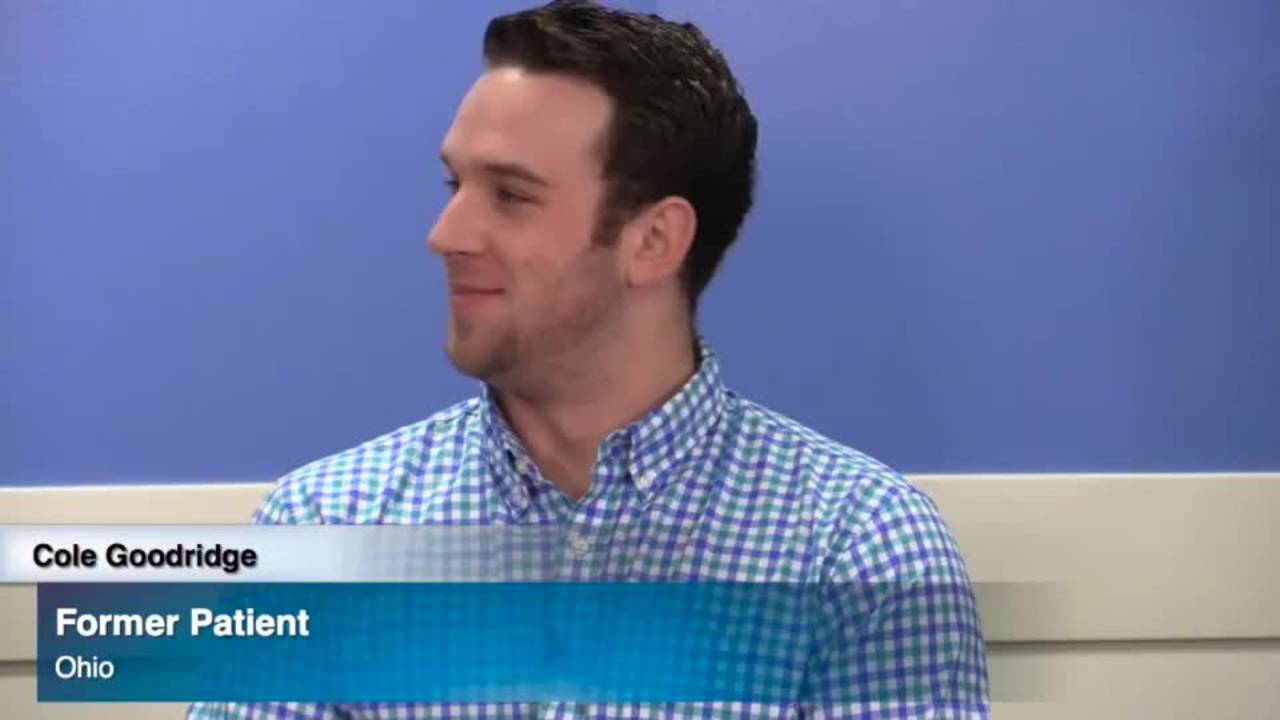
Patient Testimonial and Experience: Pectus Innovations
CCHMC Pediatric Surgery · 13 min · Published Oct 2015
Video
BOB Ped Surg 2023 - Joshua Ramjist, CAPS - Presentation
Published Feb 2023
Video
Criteria for Pectus Repair: Update Course 2015
55 s · Published Nov 2015
Video
Cryoablation in 350 Nuss procedures
56 s · Published Oct 2023
Video
Cost and outcomes of intercostal nerve cryoablation versus thoracic epidural following the Nuss procedure
1 min · Published Oct 2023
Video
Six Years of Quality Improvement in Pectus Excavatum Repair: Implementation of Intercostal Nerve Cryoablation and ERAS Protocols for Patients Undergoing Nuss Procedure
51 s · Published Apr 2025
Only a few other public items share this expert — go deeper there →
Video
Pediatric Surgical Oncology Research Collaborative (PSORC): Studying Rare Pediatric Tumors
56 s · Published May 2026
Video
Update Course Rewind 2025: Hirschsprung + ARM: Rare but Real
1 min · Published May 2026
Video
Update Course Rewind 2025: Hirschsprung + ARM: Rare but Real
1 min · Published May 2026
Video
Pooling Patients to Study Rare Pediatric Tumors: An Introduction to PSORC
56 s · Published May 2026
Video
The fetal frontier: A review of current and emerging fetal therapies for genetic diseases
44 s · Published May 2026
Video
Indocyanine green assists with sentinel lymph node mapping in pediatric and adolescent patients
1 min · Published May 2026
What the experts said
The patient underwent pectus repair surgery on August 1st of the previous year at age 21
The patient had previously undergone the Ravitch procedure in Atlanta, Georgia at age 3 or 4 years old
Prior to revision surgery, the patient was experiencing chest pains and trouble breathing despite the previous Ravitch procedure
Meditation, specifically Jack Kornfield's videos recommended by the surgeon, helped the patient mentally during recovery
Post-operative restrictions included inability to turn, twist, or lift more than 5 pounds
Walking and staying active were beneficial post-operative activities for this patient
Stretching became important for the patient post-operatively, whereas she had not stretched before surgery
Robaxin (methocarbamol) helped relieve chest tightness and pressure during home recovery
The patient was required to wait 3 months before returning to weight lifting
After the 3-month waiting period and gradual return, the patient reported being stronger than ever in the weight room and running
Having a pain team and protocol helps patients receive pain medicine faster because they don't have to wait for a doctor to write the order
The institution screens for resistant staph (MRSA/VRSA) preoperatively
If patients screen positive for resistant staph, they are swabbed from the nose and underarms and prepared per protocol
Bactroban is given intranasally twice per day for 7 days prior to surgery for MRSA-positive patients
Vacuum belts are obtained by communicating directly with suppliers in Germany, providing measurements, and cost approximately $400-500
For umbilical hernia repairs, one surgeon places no activity restrictions, reasoning that children will self-limit if they experience pain
The surgeon qualifies the no-restriction approach by restricting organized sports or when the father is a football coach
For pectus patients, full activity is permitted after 3 months (12 weeks)
The surgeon acknowledges that adolescent patients do not always adhere to the 3-month activity restriction
After the 3-month period, stretching and core strength exercises are recommended, with patients given two YouTube videos demonstrating these activities
A good percentage of lower anterior rib flaring after the Nuss procedure resolves on its own
The surgeon's approach to rib flaring is watchful waiting, telling patients to be patient as it improves over time
Patients are advised to avoid sleeping on their side initially, but if they are comfortable doing so and attempt it, they will self-limit based on discomfort
Patients naturally sleep on recliners post-operatively because that position is most comfortable
A future study is planned with cardiologist Michael Taylor to examine post-operative cardiac outcomes in pectus patients
At Mayo Clinic, for older patients with rib flaring, ribs below the repair are broken and pushed down, but this technique is less effective in flexible pediatric patients
Surgeons in Brazil use a brace for post-operative rib flaring