
 StayCurrentMD
Twin-to-twin Transfusion Syndrome
Everything in the library about twin-to-twin transfusion syndrome — built automatically from the recorded discussions that name it
Educational content from recorded physician discussions — not medical advice. Always talk to your child's care team about your child's situation.
Content of this collection
Case-Based Learning
2 items
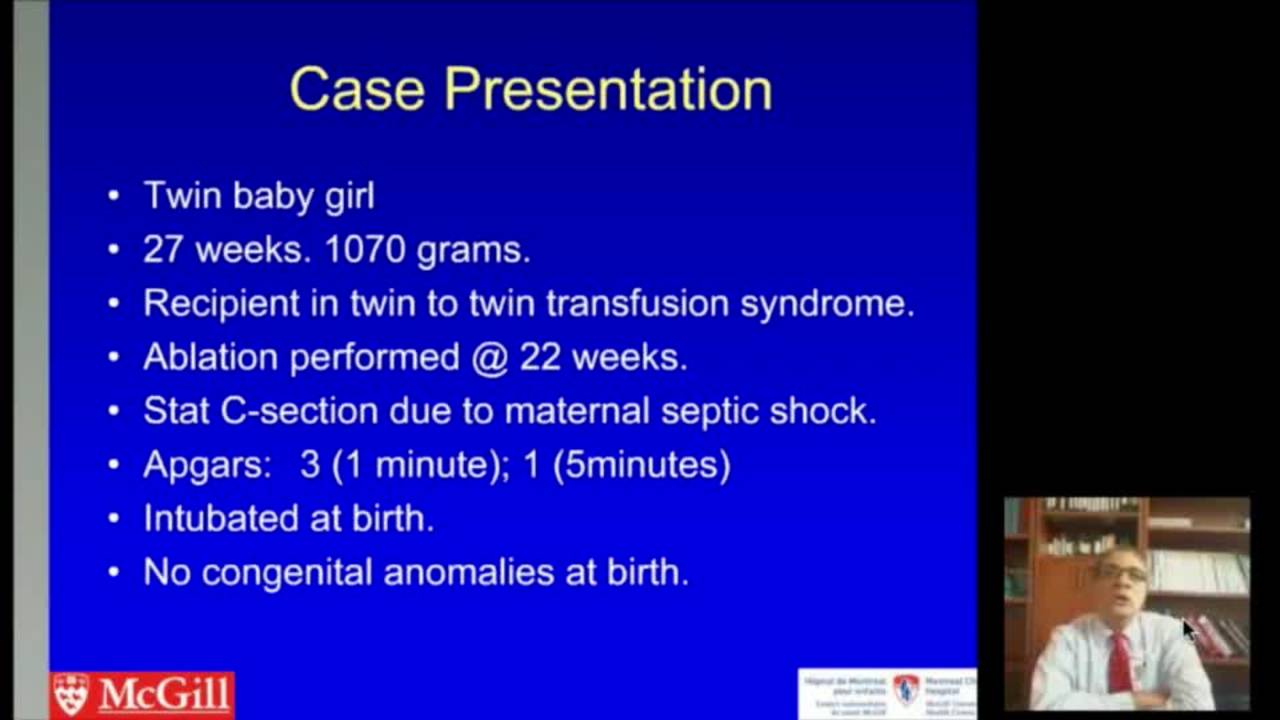
Neonatal Gastric Necrosis: Pediatric Surgery Difficult Cases-Innovative...
Watch →
During the Pediatric Surgery Tricks of the Trade and Difficult Cases: Innovative Solutions to Common Problems Course in 2013, Dr. Sherif Emil gives an informative case presentation of neonatal gastric necrosis.
video15:51 · Sep 2018
Tricks - Neonatal Gastric Necrosis - Sherif Emil
Watch →
Dr. Sherif Emil gives an informative case presentation of neonatal gastric necrosis.
video17:53 · Nov 2018
Long-Term Care
1 item
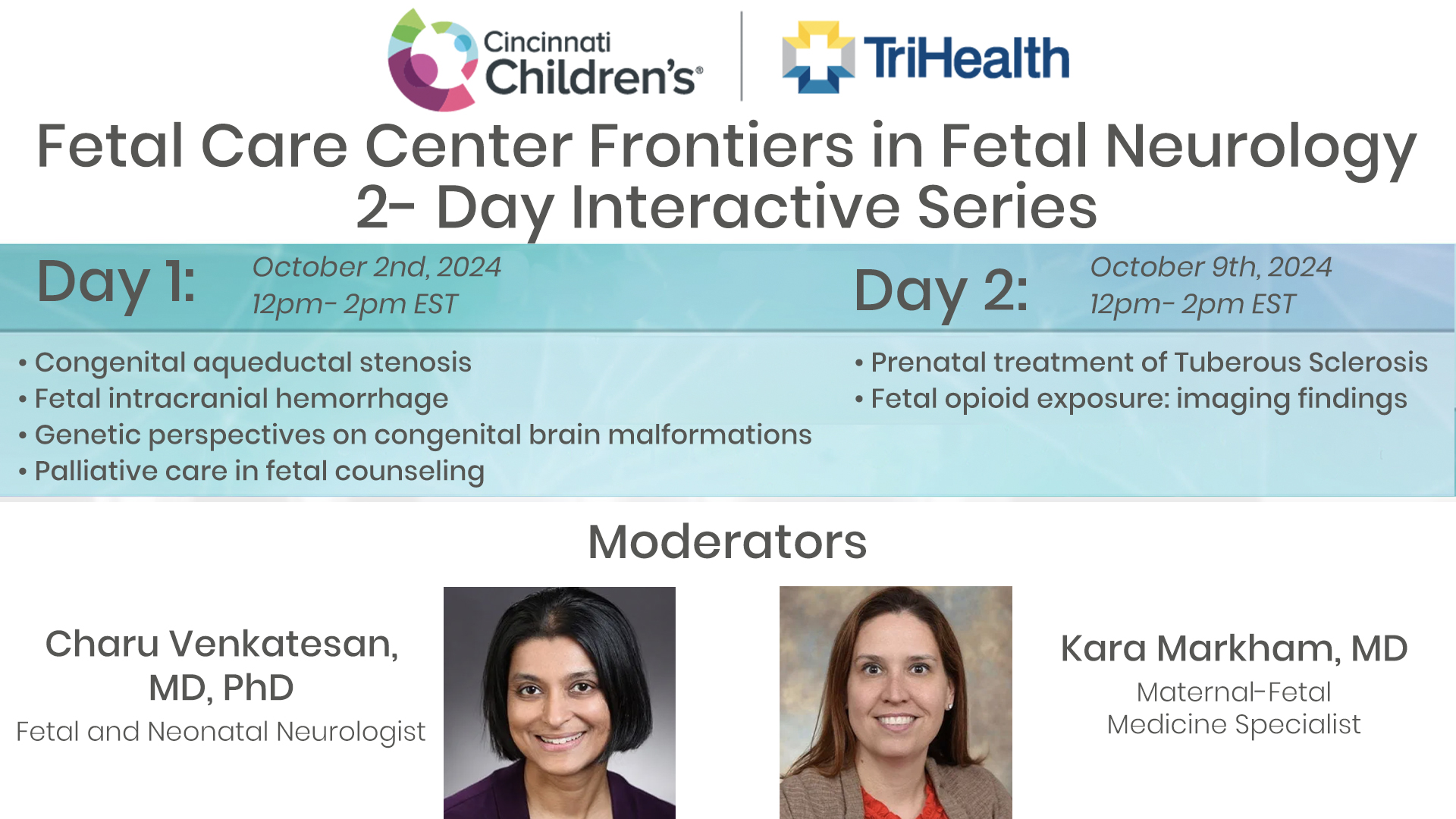
2024 Fetal Care Center Frontiers in Fetal Neurology Day 1 - Hour 2 Q&A
Watch →
Dr. Dawn Gano, Dr. Sonika Agarwal, and Dr. DonnaMaria Cortezzo discuss the hour 2 sessions and answers questions from the audience.
video8:47 · Oct 2024
Summaries and takeaways+ Show
The doctors in this collection+ Show
All expert statements+ Show
Every expert statement below comes from the recorded discussions, with its speaker and moment.
Neonatal Gastric Necrosis: Pediatric Surgery Difficult Cases-Innovative...
Patient was a twin girl born at 27 weeks weighing just over 1 kg with prenatal diagnosis of twin-to-twin transfusion syndrome as the recipient twin
clinical0:00 ↗
Laser ablation for TTTS was performed at 22 weeks gestation
clinical0:50 ↗
Stat C-section performed due to maternal septic shock from E. coli sepsis (initially thought to be amniotic fluid embolus) with premature rupture of membranes, vertically transmitted to both neonates
clinical1:10 ↗
Apgar scores were 3 at 1 minute and 1 at 5 minutes, patient intubated at birth
clinical2:00 ↗
On day 3 of life, iatrogenic manipulation of umbilical venous line caused atrial flutter and significant tachycardia with hemodynamic instability requiring cardioversion
clinical2:20 ↗
At presentation for cardioversion, patient had significant abdominal distention with imaging showing very large amount of free air and unusual shadow in left upper quadrant appearing like loculated free air
clinical3:00 ↗
Operative findings showed longitudinal perforation along greater curvature with entire corpus extending into fundus and cardia necrotic and not holding stitches, with only margin at cardia and couple centimeters of antrum appearing healthy
clinical3:40 ↗
For subtotal gastric necrosis in unstable neonate, damage control approach should remove frankly necrotic tissue, control upper leakage with tie/vessel loop or drain, and create distal feeding access
clinicalJack3:07 ↗
Drain placement for gastric necrosis with unidentifiable proximal extent should be positioned under the liver near the GE junction to drain whatever comes out
clinicalJack3:52 ↗
First operation performed damage control: removed necrotic stomach, placed Foley catheter (0.5cc balloon) in distal esophagus, left Penrose drain under left lobe of liver, created ostomy from 2.5cm gastric remnant
clinical4:25 ↗
Small bowel was like wet toilet paper and multiple hematomas developed in bowel wall from handling, several of which perforated requiring multiple enterorrhaphies
clinical5:40 ↗
Patient was quite coagulopathic by end of first operation but became hemodynamically stable within 12 hours without pressors and with good urine output
clinical6:10 ↗
On postoperative day 3, bilious drainage appeared from Penrose drain; on day 4 patient re-distended with difficulty ventilating and imaging showed significant free air again
clinical6:50 ↗
Second laparotomy revealed no problem with distal esophagus or gastric remnant, but new intestinal perforations: 3cm proximal jejunal necrosis 5cm from ligament of Treitz and spontaneous distal ileal perforation, not at sites of previous repairs
clinical7:45 ↗
Jejunal necrosis treated with resection and primary anastomosis; ileal perforation debrided and repaired; gastrostomy and esophagostomy tubes left intact
clinical8:50 ↗
Patient required only CPAP after 7 days of mechanical ventilation despite extreme prematurity
clinical9:20 ↗
Contrast studies at 2 weeks post-op showed esophagus became like atresic esophagus with segment below diaphragm, no leak around Foley balloon, and esophagus had fibrosed around the catheter
clinical9:40 ↗
Distal contrast study showed gastric remnant emptied well with healed resections and no stenosis
clinical10:20 ↗
Initial gastric feeding was limited by gastric capacity at approximately 34cc, with leak around G-tube when larger volumes attempted
clinical10:40 ↗
Gastroduodenal feeding tube advanced through gastrostomy successfully weaned patient off TPN with all feeds through small intestine plus small amounts of sham feeds suctioned through esophageal tube
clinical11:05 ↗
For reconstruction with remaining proximal and distal stomach segments, attempting to connect the two stomach ends is reasonable but if unsuccessful a jejunal conduit should be used
opinionKathy11:44 ↗
Salvaging a 4 cubic centimeter stomach would create microgastria with attendant problems of reflux and other issues
clinical12:03 ↗
Two patients with Hunt-Lawrence pouch (not performed by speaker) had persistent trouble emptying with significant stasis and poor progression
clinical12:30 ↗
Michigan group published case report of microgastria treated with Roux-en-Y esophago-fundojejunostomy similar to adult gastric cancer surgery
host_summary13:00 ↗
Pre-reconstruction contrast study showed small gastric segment remaining with esophagus distending nicely without strictures
clinical13:30 ↗
Reconstruction performed at 5 months of age, 55 weeks post-conception age, weight 5kg, using Roux-en-Y fundojejunostomy with segment 15cm distal to ligament of Treitz and 25cm limb
clinical14:00 ↗
Post-reconstruction contrast study on postoperative day 6 showed good emptying, allowing start of combination oral and gastrostomy feeds
clinical14:40 ↗
Patient discharged 52 days after reconstruction with total hospital stay of 207 days
clinical15:05 ↗
At 2.5 years old, patient takes normal diet for age on full oral feeds with only nighttime gastrostomy supplementation anticipated to be discontinued early in new year, and is larger than unaffected twin
clinical15:20 ↗
Tricks - Neonatal Gastric Necrosis - Sherif Emil
Patient was a twin girl born at 27 weeks weighing just over 1 kg with prenatal diagnosis of twin-to-twin transfusion syndrome (recipient twin)
clinicalSherif Emil0:48 ↗
What's new+ Show